Trout Fishing in Nebraska
Many anglers, when they think of fishing in Nebraska, conjure up images of vast cornfields, mighty catfish rivers, or sprawling reservoirs filled with walleye. The idea of trout fishing might seem as foreign as palm trees in a blizzard. But here’s a delightful secret: Nebraska offers some truly unique and rewarding trout fishing experiences, if you know where to look and what to do. This comprehensive guide is designed to peel back the layers of misconception and show you exactly how to find, target, and successfully catch trout across the Cornhusker State, revealing a coldwater angling world you might never have imagined.
The Surprising Reality of Nebraska Trout Fishing
It’s completely understandable if the thought of trout fishing in Nebraska sounds a little… unlikely. After all, we're not exactly nestled in the Rocky Mountains. But the truth is, Nebraska holds some incredible, albeit sometimes hidden, coldwater fisheries that support thriving trout populations. It's a testament to the diverse ecosystems within our state, from spring-fed Sandhills streams to the frigid tailwaters of massive reservoirs.
Beyond the Cornfields: Where Trout Thrive
Nebraska's trout habitat isn't what most people picture. Forget roaring mountain rivers. Our trout waters are often spring-fed creeks, deep reservoir tailwaters, or specifically stocked urban ponds. The key factor is cold water. Trout, particularly the species we find here, require consistent, cool water temperatures to survive and thrive. This means seeking out areas where groundwater springs keep temperatures stable year-round, or where deep reservoir releases create a cold, oxygen-rich environment downstream of a dam. These unique conditions create little pockets of trout paradise scattered across the state, far from what you might expect when driving through our iconic agricultural landscapes. Nebraska Trout Season Dates can vary depending on the specific water, so always check local regulations before heading out.
Species of Trout You'll Encounter
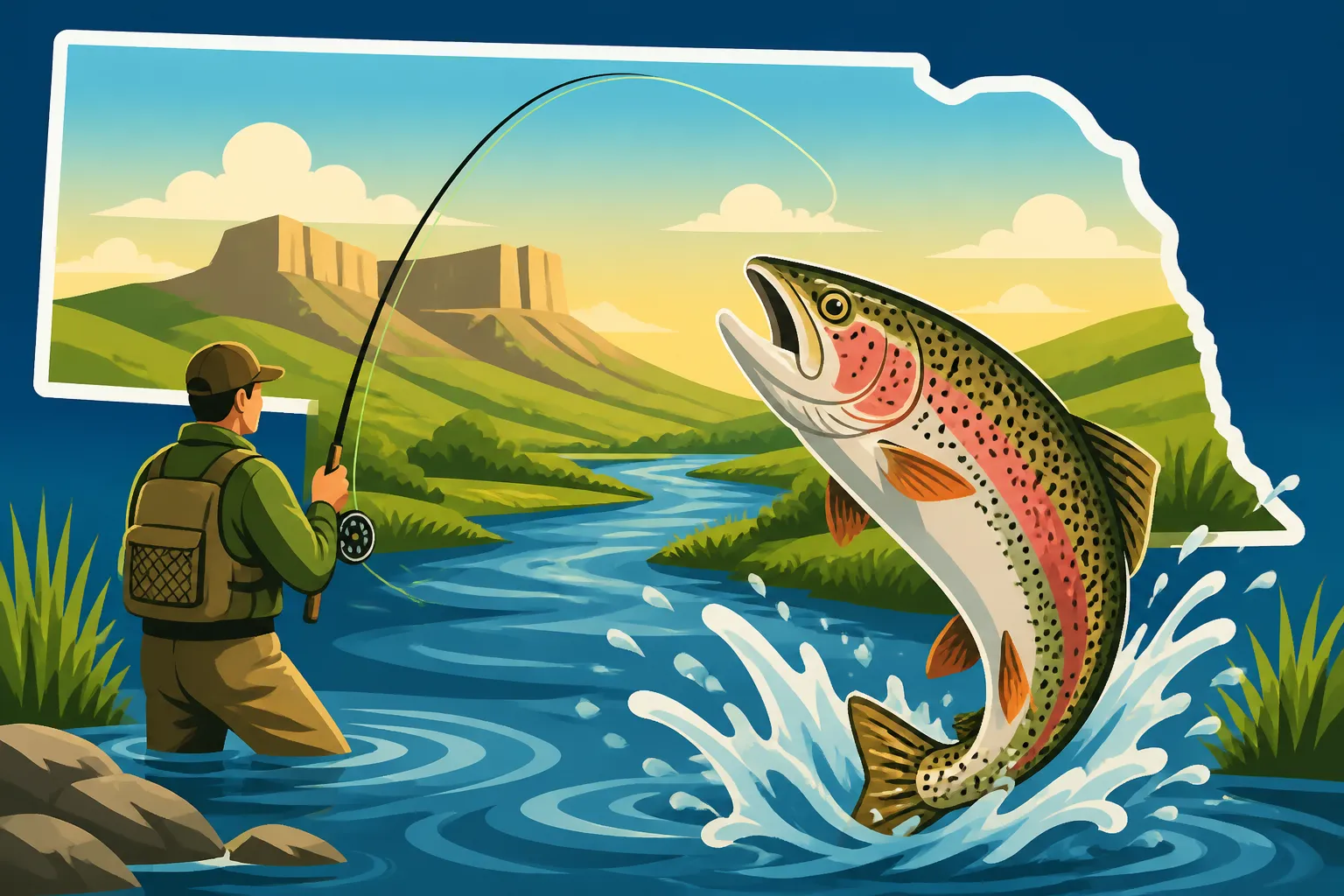
While Nebraska won't offer the same diverse menu of trout species as some western states, we do have a reliable presence of a few key players. The most commonly encountered, by far, is the Rainbow Trout. These feisty fish are the workhorses of Nebraska's stocking program, providing excellent opportunities in urban ponds, state park lakes, and even some rivers. They're often stocked at catchable sizes, making them a fantastic target for anglers of all skill levels.
Beyond the rainbow, you might also find Brown Trout, though they are generally less common and often more elusive. Brown trout typically prefer slightly colder, more stable conditions and can be found in some of our clearer, spring-fed Sandhills streams, as well as a few specific tailwater sections. These fish are known for their wary nature and often grow to impressive sizes, making them a true prize for dedicated anglers. In very rare instances, you might hear whispers of other trout species, but for 99% of Nebraska trout fishing, you'll be targeting rainbows, with a chance at a brown.
Top Trout Fishing Destinations in Nebraska
Ready to cast a line for some coldwater beauties? While trout spots in Nebraska aren't as widespread as, say, bass or catfish holes, the ones we have are truly special. Knowing where to go is half the battle, and these locations consistently offer the best opportunities for trout anglers.
Lake Ogallala Below Kingsley Dam
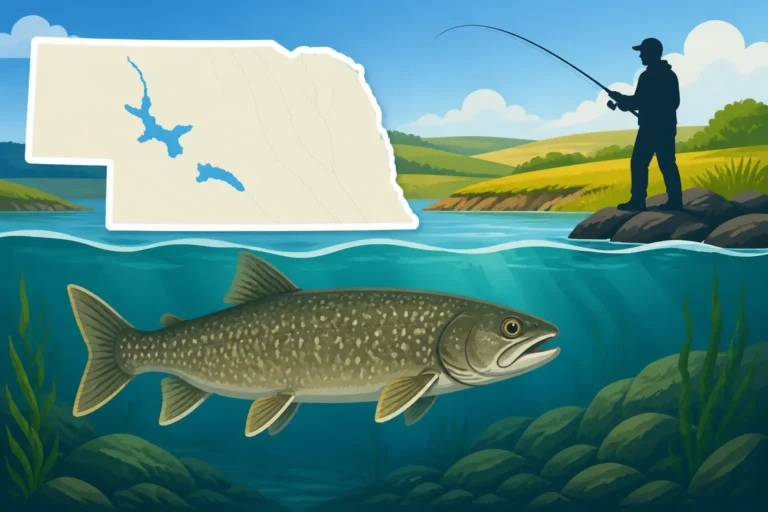
If you ask any Nebraska trout enthusiast for their top recommendation, Lake Ogallala would likely be at the very top of the list. Located immediately below Kingsley Dam, which impounds the colossal Lake McConaughy, Lake Ogallala benefits from a continuous flow of frigid water released from the depths of its big brother. This constant cold-water influx creates an ideal environment for trout year-round. Anglers here use everything from standard spinning gear with PowerBait or worms to sophisticated fly fishing setups. You can often find success from the bank, especially in the mornings and evenings, or by wading the accessible sections. The consistent water temperature means this spot remains productive even when other waters are too warm in summer or iced over in winter. Many anglers consider this their go-to for Nebraska Rainbow Trout Fishing.
Merritt Reservoir and its Coldwater Spills
Nestled in the heart of the Sandhills, Merritt Reservoir is famous for its fantastic walleye and muskie fishing, but it also offers some sneaky good trout opportunities. While the main reservoir itself generally gets too warm for trout in the peak of summer, the cold, spring-fed streams that feed into and flow out of Merritt can hold trout. More specifically, the tailwaters and certain creek sections directly associated with the reservoir's outflows maintain cooler temperatures. These are often less pressured spots, requiring a bit more exploration, but they can reward persistent anglers with beautiful, stream-dwelling browns and rainbows. It’s a different experience than Ogallala, often requiring lighter tackle and a more stealthy approach to navigate the brushy banks of these intimate waterways. If you're targeting Merritt Reservoir Trout Fishing, remember to be observant of current flows and deeper pockets.
Nebraska's Hidden Sandhills Streams
The Sandhills are a unique geological region in Nebraska, characterized by vast grasslands and rolling dunes. Beneath these dunes lie immense aquifers that feed countless cold, clear, spring-fed streams. While many of these streams are on private land and require landowner permission, there are public access points, particularly in the Pine Ridge area of the Panhandle. These pristine waters are home to some of Nebraska's most beautiful and, in some cases, wild trout populations. Fishing these streams is often a fly-fishing endeavor, demanding delicate presentations and a keen eye for subtle rises or underwater structure. The tranquility and natural beauty of the Sandhills make these fishing trips about more than just the catch; they're an immersive experience in a truly special Nebraska ecosystem. Exploring these small, winding streams can be incredibly rewarding, offering a stark contrast to fishing larger reservoirs.
Urban and State Park Stocked Ponds
For many Nebraskans, especially families and beginners, the most accessible way to experience trout fishing is through the state's urban and state park stocking programs. Each spring and fall, many community ponds and state park lakes are stocked with thousands of catchable-sized rainbow trout. These "put-and-take" fisheries are designed to provide easy access and high success rates. Locations like Holmes Lake in Lincoln, Standing Bear Lake in Omaha, and numerous smaller ponds within various state recreation areas are prime examples.
These spots are fantastic for introducing kids to fishing, as success is often measured in minutes, not hours. Standard bait-fishing techniques with PowerBait, corn, or worms are incredibly effective here. While these trout are typically freshly stocked, they still put up a good fight and make for excellent table fare. These programs truly democratize trout fishing, making it available to everyone, regardless of whether they own a boat or can travel to remote locations. For a list of specific locations, look up the Nebraska Urban Fishing Program Stocked Ponds Near Me resources.
Here's a quick look at some key trout fishing spots:
| Location | Primary Trout Species | Best Techniques | Best Time of Year | Notable Features |
|---|---|---|---|---|
| Lake Ogallala | Rainbow, Brown | Fly fishing, Spin fishing (PowerBait, lures) | Year-round | Consistent cold water from Lake McConaughy tailrace |
| Merritt Reservoir Area | Rainbow, Brown | Spin fishing (lures), Fly fishing | Spring, Fall | Spring-fed feeder streams and outflows |
| Sandhills Streams | Brown, Rainbow | Fly fishing (light tackle) | Spring, Fall | Pristine, delicate ecosystems, requires stealth |
| Urban & State Park Ponds | Rainbow | Bait fishing (PowerBait, worms), Spin fishing | Spring, Fall | High success rates, great for kids and beginners, regularly stocked |
Essential Gear for Nebraska Trout Anglers
Trout fishing, while not necessarily requiring a massive investment, does benefit from having the right tools for the job. Depending on where you plan to fish in Nebraska – whether it’s a tiny Sandhills stream or the expansive tailwaters of Lake Ogallala – your gear choices will shift slightly. But generally, the emphasis is on lighter tackle that allows for delicate presentations and maximizes the fight of these often-feisty fish.
Rods, Reels, and Line for Different Scenarios
For the average angler hitting stocked ponds or Lake Ogallala, a light to ultra-light spinning rod and reel combo is your best friend. A rod in the 5'6" to 6'6" range with a fast or moderate-fast action will give you the sensitivity to feel subtle bites and the backbone to cast light lures. Pair it with a small spinning reel (size 1000 or 2000) spooled with 4-6 lb test monofilament or fluorocarbon line. Monofilament is forgiving and offers good knot strength, while fluorocarbon is nearly invisible underwater and has less stretch, offering more direct feel. For those tackling larger rivers or if you anticipate bigger brown trout, stepping up to a 7-foot light-action rod with 6-8 lb line might be wise.
If fly fishing is your passion, or something you're keen to try, a 3-weight or 4-weight fly rod in the 7'6" to 9-foot range is ideal for Nebraska's trout streams. A good quality floating fly line matched to your rod weight, a 9-foot tapered leader, and 4x-6x tippet will get you started. Many fly anglers find excellent starter kits on Amazon that include a rod, reel, line, and case, making it easy to jump into the sport without breaking the bank. Choosing the right rod and reel combo is crucial for presenting your bait or lure naturally and feeling those light trout bites. Consider checking out Best Rod Setup for Nebraska Walleye for a comparison, though trout setups will be much lighter.
Baits, Lures, and Flies That Get Bites
The variety of what trout will eat can be quite broad, depending on their environment and how recently they were stocked.
- For Stocked Trout (Ponds & Urban Lakes): Hands down, PowerBait (especially the bright, fluorescent colors like chartreuse, orange, or rainbow) is a phenomenal choice. Trout are conditioned to it in hatcheries, and it’s irresistible to them once stocked. Small bits of nightcrawlers or even canned corn (often threaded onto a small hook) are also highly effective. These are simple baits that yield consistent results for beginners and seasoned anglers alike.
- For More Aggressive or Wild Trout (Ogallala, Rivers, Reservoirs): Spinners like Mepps Aglias, Panther Martins, or Rooster Tails in sizes #0 to #2 are deadly. Their flash and vibration mimic small baitfish or insects. Small spoons (e.g., Kastmasters or Little Cleos) and mini crankbaits can also be very effective. Vary your retrieve speed to find what triggers bites. When fishing for How to Catch Trout Below Kingsley Dam, these lures are often key.
- For Fly Fishing: A well-stocked fly box for Nebraska might include a variety of patterns:
- Nymphs: Pheasant Tail Nymph, Hare's Ear Nymph, Prince Nymph, Zebra Midge (sizes 14-20) are essential for subsurface feeding trout.
- Dry Flies: Adams, Elk Hair Caddis, Griffith's Gnat (sizes 12-18) for when trout are rising to surface insects.
- Streamers: Woolly Bugger (black, olive, brown, white) in various sizes can imitate baitfish or leeches and are great for aggressive trout, especially brown trout. You can find a vast selection of these and other specialized trout lures and baits on Amazon.
Waders, Nets, and Other Must-Have Accessories
Beyond your rod and reel, a few key accessories will significantly improve your trout fishing experience, especially if you venture into streams or colder waters.
- Waders: For stream and river fishing, chest waders (neoprene for cold weather, breathable for warmer) are almost a necessity. They allow you to access prime spots, stay dry, and get a better presentation without spooking fish from the bank. Pair them with sturdy wading boots for good grip on slippery rocks.
- Landing Net: A small, lightweight landing net with a rubberized mesh is highly recommended. The rubber mesh protects the delicate slime coat of the fish, which is crucial if you plan to practice catch and release. A net also makes it much easier to safely land and handle a lively trout.
- Pliers/Forceps: Essential for safely removing hooks, especially if you're using barbless hooks for easier release. Hemostats (forceps) are particularly good for small trout and delicate fly-fishing scenarios.
- Tackle Box/Vest: A small tackle box, vest, or sling pack to organize your lures, weights, hooks, and other small items.
- Sun Protection: Sunglasses (polarized are best for spotting fish and reducing glare), a wide-brimmed hat, and sunscreen are crucial for long days on the water. You can find quality polarized sunglasses on Amazon that will help you see into the water better.
- Cooler: If you plan on keeping fish, a small cooler with ice is important to keep your catch fresh. Remember to review Nebraska Fishing Daily Bag and Possession Limits before heading out.
Techniques for Targeting Nebraska Trout
Trout are generally considered a bit more discerning than, say, a hungry channel catfish. Mastering a few key techniques can drastically increase your success rate, whether you're dangling bait for a freshly stocked rainbow or delicately presenting a fly to a wary brown.
Still Fishing and Drifting Baits
This is often the go-to method for stocked trout in ponds and slower-moving sections of rivers, especially for beginners or those using PowerBait.
- Still Fishing (Bottom Rig): For stocked ponds, a simple bottom rig is highly effective. Thread a small piece of PowerBait (or a worm/corn kernel) onto a #8 or #10 single hook. About 12-18 inches above the hook, pinch on a few small split shot weights. Cast it out and let it sink to the bottom. Trout often cruise the bottom, especially newly stocked ones. The PowerBait's buoyancy will lift your bait slightly off the bottom, making it more visible. This is a very patient method, but it consistently works.
- Still Fishing (Under a Bobber): If trout are suspended or you're fishing in slightly deeper water, a bobber rig works wonders. Attach a small bobber to your line, then add a split shot or two about a foot above your hook. Adjust the bobber's depth until your bait is at the desired level – often just off the bottom or midway through the water column. The bobber acts as a visual strike indicator, dancing or submerging when a trout takes the bait.
- Drifting (Rivers/Tailwaters): In moving water like Lake Ogallala or a Sandhills stream, drifting natural baits can be deadly. Use a light line and a minimal amount of weight (perhaps a single split shot) to allow your bait (a small worm, PowerBait nugget, or even a salmon egg) to tumble naturally downstream with the current. The goal is a "dead drift" – the bait moving at the same speed as the current, without drag. This looks most natural to trout in a feeding lane.
Spin Fishing with Lures
Spin fishing is a dynamic and effective way to cover water and target more aggressive trout, especially in Lake Ogallala or some of the larger Sandhills stream sections.
- Casting Spinners: Small inline spinners are trout magnets. Cast them slightly upstream or across the current and retrieve them at a speed that allows the blade to just spin. Focus your casts around current seams, submerged rocks, fallen logs, or deeper pools. The flash and vibration of the spinner mimic a struggling baitfish or a large insect, triggering an aggressive strike. Varying your retrieve speed, with occasional pauses or twitches, can often entice a hesitant fish.
- Casting Spoons: Similar to spinners, small metal spoons (like a Kastmaster or Little Cleo) can be incredibly effective. Their wobbling action on the retrieve and fluttering fall on the pause mimic an injured baitfish. They cast well, allowing you to cover significant water. Look for spoons in silver, gold, or brass colors, sometimes with a splash of orange or red.
- Mini Crankbaits: Very small crankbaits designed for trout can also be productive. These often dive to specific depths and have a tight, wiggling action. They are excellent for probing deeper holes or along rocky banks in larger water bodies. Match the lure size to the typical baitfish in the area.
Fly Fishing: An Art Form in Nebraska's Coldwaters
Fly fishing is often considered the pinnacle of trout angling, offering a unique blend of skill, patience, and connection to the natural environment. In Nebraska, it truly shines in the clear, pristine Sandhills streams and the consistent flows of Lake Ogallala.
- Basic Fly Casting: The fundamental of fly fishing is the cast, which uses the weight of the line (not the lure) to present a fly. Learning a basic overhead cast is the first step. Practice makes perfect, and accurate presentation is often key to success with wary trout.
- Nymphing: By far the most common and effective fly fishing technique, as trout feed primarily subsurface. This involves drifting weighted fly patterns (nymphs) that imitate aquatic insect larvae or pupae. Using an indicator (like a small bobber) to detect subtle bites is common. How to Fly Fish for Trout in Nebraska can be a rewarding learning experience.
- Dry Fly Fishing: The most visually exciting form of fly fishing, where you present a fly that floats on the surface, mimicking an adult insect. This works best when trout are actively rising to feed on specific hatches. It requires careful observation, precise casting, and a delicate presentation.
- Streamer Fishing: Using larger, streamer patterns (like Woolly Buggers) that imitate baitfish or leeches. This technique is often more active, involving stripping the fly through the water to create movement. It's particularly effective for larger, more aggressive trout, especially brown trout.
Trolling for Deeper Reservoir Trout
While not as common for trout in Nebraska as it might be in massive, deep mountain lakes, trolling can be an option for targeting larger, deeper-dwelling trout in reservoirs like Lake McConaughy if they are present in the main body, or perhaps in the deeper sections of Lake Ogallala.
- Lead Core or Downriggers: To get lures down to the cooler water where trout might be holding in larger lakes, anglers might use lead core line or small downriggers. Lead core line has a weighted core that helps it sink, while downriggers use a heavy ball to carry your lure to a specific depth.
- Trolling Lures: Small spoons, crankbaits, or even rigged minnows can be trolled at slow speeds. Experiment with different depths and speeds until you find what triggers bites. This technique allows you to cover large areas and find schools of fish in deeper water. However, it's generally a more specialized technique and less frequently employed for Nebraska trout compared to the other methods.
Seasonal Strategies for Trout Fishing Success
Trout fishing in Nebraska isn't a static game; it changes dramatically with the seasons. Understanding how trout behave and where they hold throughout the year is crucial for consistent success. Each season presents its own challenges and rewards, requiring anglers to adapt their strategies.
Spring: Post-Stocking Frenzy and Emerging Hatches
Spring is arguably the most popular time for trout fishing in Nebraska, especially for the "put-and-take" fisheries.
- Post-Stocking Frenzy: Beginning in early spring (often March or April, depending on weather), thousands of rainbow trout are stocked into urban ponds and state park lakes. These fish are often quite eager to bite, having come from a hatchery environment. Simple baits like PowerBait, worms, and corn fished on the bottom or under a bobber are incredibly effective. The action can be fast and furious in the days immediately following a stocking. This is a perfect time for families and new anglers to experience success.
- Emerging Hatches: In natural or semi-natural streams like those in the Sandhills or Lake Ogallala, spring brings emerging insect hatches. As water temperatures rise slightly, aquatic insects become active, and trout will key in on these food sources. This is a prime time for fly anglers to use nymph patterns that mimic these emerging insects, or even dry flies if trout are rising to surface-dwelling adults. The fish are often more active and aggressive as their metabolism picks up. For specific stocking schedules and locations, always check the Nebraska Game and Parks Commission website. When Trout Are Stocked in Nebraska Lakes can vary.
Summer: Seeking Coldwater Refuges
Summer fishing for trout in Nebraska can be challenging due to rising water temperatures. Trout are coldwater fish, and warm water stresses them and reduces their activity.
- Finding Coldwater: During the heat of summer, your best bet is to focus exclusively on true coldwater refuges. This primarily means Lake Ogallala and its constant cold-water flow. Other opportunities might exist in the deepest, spring-fed pockets of Sandhills streams, or the coldest sections of reservoir tailwaters immediately below dams. Urban ponds often become too warm for trout to survive or thrive, so stocking generally ceases during the peak summer months.
- Early Morning/Late Evening: Even in coldwater areas, trout will be most active during the cooler parts of the day – dawn, dusk, and overnight. Fishing during midday heat is often less productive.
- Oxygen Levels: Warm water holds less oxygen, further stressing trout. Look for areas with aeration or moving water that keeps oxygen levels up. If you do catch a trout in warm water, practice quick catch and release to maximize its chances of survival. Knowing How to Handle Fish in Hot Summer Water is critical for conservation.
Fall: Aggressive Feeding and Spawning Colors
As autumn arrives and water temperatures begin to drop, trout fishing can rebound dramatically.
- Cooling Waters: The cooler water temperatures in fall invigorate trout. Their metabolism increases, and they become more aggressive feeders, often putting on weight in preparation for winter. This can lead to some fantastic action, both for stocked fish (as fall stocking begins) and resident populations.
- Pre-Spawn Behavior: Brown trout, in particular, begin their spawning rituals in the fall. While wild spawning populations in Nebraska are limited, their instincts still drive them to be more aggressive. This can make them more susceptible to streamer patterns and larger lures. Rainbow trout in some areas may also exhibit heightened feeding before the deep cold sets in.
- Beautiful Scenery: Beyond the fishing, fall offers some of the most beautiful scenery in Nebraska, making your time on the water even more enjoyable. It’s an excellent time for fly fishing on Sandhills streams, where the browns might be showing off their vibrant spawning colors.
Winter: Ice Fishing and Tailwater Opportunities
Don't hang up your fishing gear when winter hits; Nebraska offers some unique trout fishing opportunities on the ice and in perpetually flowing coldwater.
- Ice Fishing for Stocked Trout: Many of the same urban ponds and state park lakes that are stocked in spring and fall will freeze over, providing excellent ice fishing opportunities for rainbow trout. Small jigs (often tipped with a piece of PowerBait or a wax worm), small spoons, or even tiny plastics jigged through the ice can be incredibly effective. A portable fish finder can help locate fish in the water column. Always prioritize Nebraska Ice Fishing Safety Tips and ensure the ice is thick enough (at least 4 inches for foot travel).
- Consistent Tailwater Fisheries: Lake Ogallala remains a premier winter trout destination because its water temperature is largely unaffected by surface ice. Anglers can continue to spin fish or fly fish along its banks and through the open water sections. The consistent conditions make it a reliable spot even in the coldest months. Is Lake Ogallala Good for Winter Trout Fishing? Absolutely! Just bundle up!
Regulations and Conservation for Nebraska Trout
Responsible angling is paramount, especially when it comes to a unique and sometimes delicate fishery like trout in Nebraska. Knowing the rules and understanding how to protect our natural resources ensures these opportunities remain for future generations.
Understanding Permits and Stamps
Before you even think about casting a line, you need to ensure you're properly licensed.
- General Fishing License: Anyone 16 years of age or older needs a valid Nebraska fishing license to fish in public waters. You can easily purchase these online through the GoOutdoorsNE system, at bait shops, or at many retail locations. Where to Buy a Nebraska Fishing License is often a local convenience store or sporting goods outfitter.
- Aquatic Habitat Stamp: In addition to your fishing license, you will also need an Nebraska Aquatic Habitat Stamp Explained. This stamp helps fund projects that improve and maintain aquatic habitats across the state, including coldwater streams and lakes.
- Trout Stamp: While many states have a dedicated "trout stamp," Nebraska does not require a separate stamp specifically for trout. The Aquatic Habitat Stamp covers that aspect. However, always double-check the latest regulations booklet as rules can occasionally change.
- Bag and Length Limits: Trout, like all game fish in Nebraska, are subject to daily bag and possession limits, and sometimes length limits. These regulations can vary by specific water body. For instance, some Sandhills streams may have special restrictions to protect wild populations, while stocked ponds might have a straightforward daily limit. Always check the current Nebraska Fishing Regulations Explained booklet or the Nebraska Game and Parks website for the specific water you plan to fish. Penalties for violations like Nebraska Fishing License Violation Penalties can be severe, so stay informed.
Catch and Release Best Practices
Many trout anglers, particularly those targeting wild or larger trout, practice catch and release. This is a critical conservation practice, especially in areas where trout populations might be more fragile or where fish grow slowly.
- Minimize Handling: The less time a fish is out of the water and handled, the better its chance of survival. Try to keep the fish in the water as much as possible, especially during warm weather.
- Wet Hands: Always wet your hands before touching a fish. Dry hands can remove the protective slime layer (mucus) that helps protect the fish from disease and parasites.
- Barbless Hooks: Consider using barbless hooks or pinching down the barbs on your hooks with pliers. This makes hook removal much easier and faster, reducing stress on the fish. Many anglers find high-quality barbless hooks for trout on Amazon.
- Quick Release: Use forceps or pliers to quickly and gently remove the hook. If the fish is deeply hooked and removal would cause significant damage, it's sometimes best to cut the line as close to the hook as possible.
- Revival: If a fish seems sluggish after the fight, hold it gently in the water, facing upstream in a current (if applicable), until it regains its strength and can swim away on its own. Avoid squeezing the fish.
- Know When to Keep: There's nothing wrong with keeping some fish for dinner, especially from heavily stocked "put-and-take" fisheries. However, be mindful of your limits and consider releasing larger, breeding-size fish from wilder populations. Always follow Catch and Release Best Practices in Nebraska.
Protecting Nebraska's Delicate Trout Habitats
Nebraska's trout waters are special and often delicate ecosystems. It's up to all of us to help protect them.
- Leave No Trace: Pack out everything you pack in. This includes all trash, fishing line, and any discarded bait containers. Leaving the area cleaner than you found it is always the goal.
- Wading Ethics: When wading in streams, try to walk carefully and avoid disturbing the stream bottom more than necessary. This protects critical insect habitat and avoids stirring up silt that can smother fish eggs.
- Aquatic Invasive Species (AIS): Be vigilant about preventing the spread of AIS. Always Clean, Drain, and Dry your boat, waders, and gear after each fishing trip. Invasive species like zebra mussels or certain aquatic plants can decimate native ecosystems, impacting trout populations. Nebraska Aquatic Invasive Species Stamp revenue helps fund efforts to combat this threat.
- Support Conservation: Consider supporting organizations dedicated to trout conservation and habitat improvement in Nebraska. Many local fly-fishing clubs and conservation groups work tirelessly to protect and enhance these unique fisheries. By being a responsible and informed angler, you contribute to the longevity of trout fishing in the Cornhusker State.
Disclaimer
This article is for general informational purposes only and does not constitute professional advice. Laws, prices and regulations vary by location and change over time. Consult a qualified professional for guidance on your specific situation.