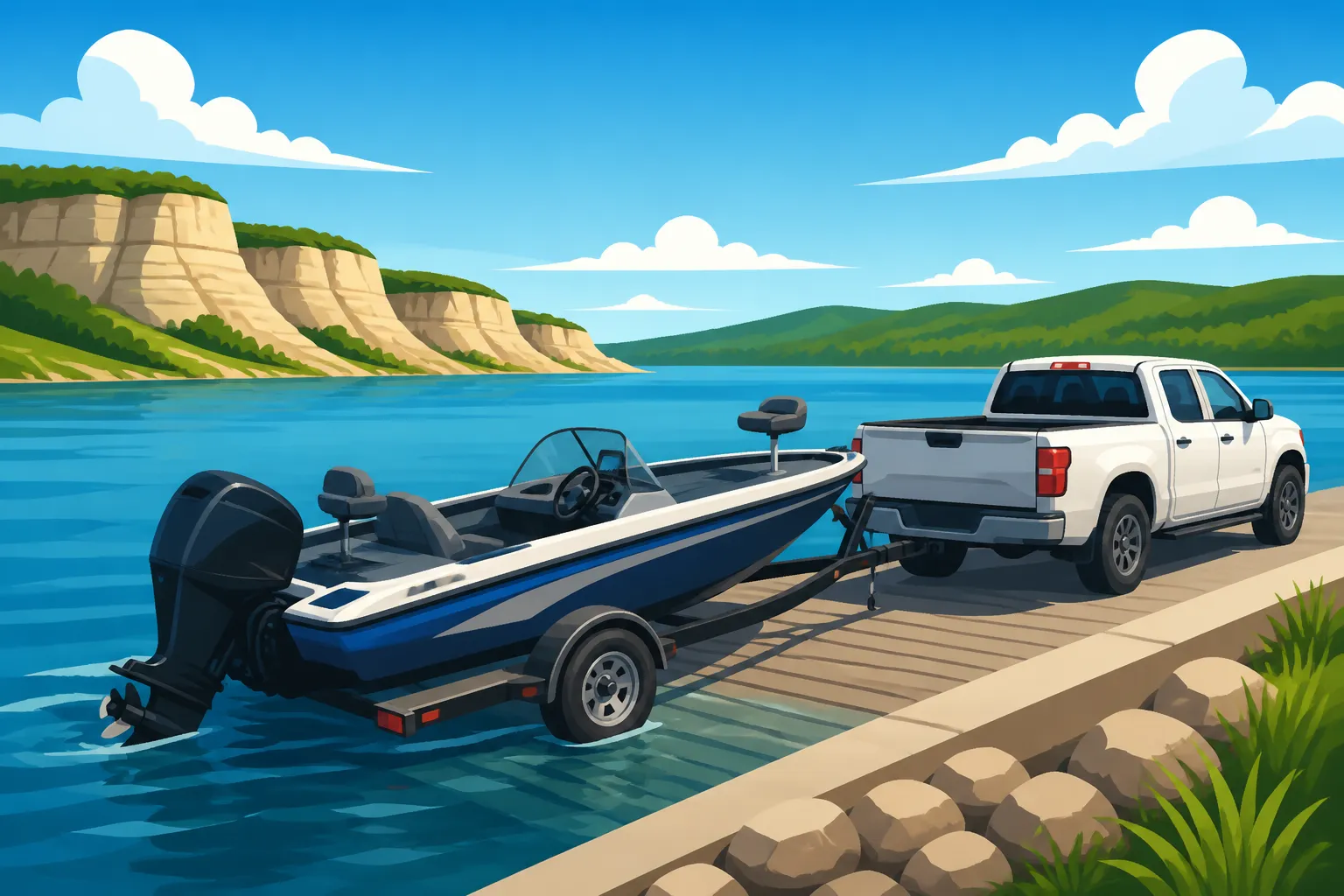
Best Boat Ramps on Lewis and Clark Lake
There’s nothing quite as frustrating as hauling your boat all the way to a beautiful lake like Lewis and Clark, only to find the boat ramp you planned on using is either too shallow, too busy, or just plain unsuitable for your vessel. It can really put a damper on what should be a fantastic day of fishing or boating. This guide aims to alleviate that common headache by providing a detailed breakdown of the best boat ramps on Lewis and Clark Lake, helping you choose the perfect launch point for your next adventure.
Navigating the Waters of Lewis and Clark Lake's Boat Ramps
Lewis and Clark Lake, straddling the border between Nebraska and South Dakota, is a magnificent body of water formed by the Gavins Point Dam on the Missouri River. Its sheer size and diverse shoreline offer incredible fishing opportunities, from chasing walleye and crappie to battling catfish. But with such a large lake comes the challenge of knowing where to launch. The right boat ramp can make all the difference, influencing everything from your travel time to your preferred fishing grounds, and even your overall safety, especially on windy days.
For many of us, the joy of a fishing trip begins long before the first cast. It starts with planning, packing, and the anticipation of getting out on the water. Discovering that your chosen ramp is closed due to low water levels, or that the parking lot is completely full, can instantly deflate that excitement. This is why having reliable information on hand is crucial. Factors like the type of boat you have – a small jon boat versus a large fiberglass bass boat – and the prevailing wind conditions can heavily impact which ramp is best for you. Some ramps are well-protected, while others are incredibly exposed, turning a simple launch into a white-knuckle experience when the wind picks up. If you're looking to book a guide for a stress-free day, services like FishingBooker can often provide local insights into current ramp conditions, as experienced guides are usually on the water daily.
The lake's status as a border water also adds a layer of complexity. Anglers often need to understand Missouri River Border Water Fishing License Rules to ensure they’re compliant, regardless of which state’s ramp they use to launch. Always double-check current conditions and regulations before you head out.
Top Boat Ramps on the Nebraska Side of Lewis and Clark Lake
The Nebraska side of Lewis and Clark Lake offers several excellent boat ramp options, each with its own advantages. These ramps are generally well-maintained by the Nebraska Game and Parks Commission, but conditions can vary seasonally, particularly with water levels.
Weigand Marina State Recreation Area
When it comes to prime access on the Nebraska side, Weigand Marina State Recreation Area near Crofton, Nebraska, is often the first place many anglers think of. It's truly a flagship facility for the area, and for good reason.
- Location and Accessibility: Weigand is easily accessible via paved roads, making it a straightforward drive for anyone coming from eastern Nebraska or even points further west. It's clearly marked, and navigating to the ramps themselves is generally uncomplicated, even for those unfamiliar with the area.
- Ramp Details and Condition: This facility boasts multiple, wide concrete ramps that are designed to accommodate a wide range of boats, from small fishing rigs to larger cruisers. The ramps typically extend well into the water, providing ample depth even when lake levels fluctuate, though it's always wise to check current conditions. The concrete is usually in good repair, providing solid traction during launch and retrieval.
- Parking and Amenities: You’ll find extensive paved parking lots here, often with dedicated spaces for boat trailers. While it can get busy on peak summer weekends or during popular tournaments, the sheer volume of spaces helps mitigate overcrowding. Weigand offers a full suite of amenities, including modern restrooms, a spacious fish cleaning station (a real blessing after a successful day on the water!), and courtesy docks that make loading and unloading passengers much easier. There's also a marina store where you can grab last-minute bait, tackle, snacks, fuel, and even rent slips. This makes it a fantastic all-around hub for your fishing trip. If you're planning an extended stay, there's also great camping nearby, which is a huge plus for Nebraska Fishing License Requirements for RV Travelers.
- Best For: Weigand is ideal for almost any angler. It's perfect for those with larger boats, families looking for easy access, and anyone who appreciates comprehensive facilities. It’s a great starting point if you're targeting areas for Lewis and Clark Lake Walleye Fishing or exploring the main lake body. While it's relatively protected, strong winds from the west can still make things choppy, so keep an eye on the forecast.
Miller Creek State Recreation Area
Just a short distance west of Weigand, Miller Creek State Recreation Area offers a slightly different, often quieter, launching experience. It's a solid alternative, especially if Weigand feels a bit too bustling for your taste.
- Location and Accessibility: Miller Creek is also easily accessed by paved roads off Highway 12, just west of the main Weigand entrance. It’s less developed than Weigand but still straightforward to find.
- Ramp Details and Condition: This area typically features one or two concrete ramps. They are generally in good condition, but they can be a bit steeper or shorter than those at Weigand. During periods of extremely low water, these ramps might become less suitable for very large boats, as the depth at the end could be more limited.
- Parking and Amenities: Parking here is usually a gravel lot, still ample but not as extensive as Weigand. You'll find basic amenities like vault toilets, but don't expect a full-service marina or a fish cleaning station like its larger neighbor.
- Considerations and Best For: Miller Creek is often favored by anglers with smaller to medium-sized boats who prefer a less crowded atmosphere. It can be a good option for those looking to fish the western portions of the lake or seeking a slightly more secluded launch. It can be more exposed to easterly winds, so pay attention to wind direction. It's a great spot for a quick launch if you're looking to explore specific areas of the lake without the hustle and bustle of a larger marina.
Gavin's Point Dam Tailrace
While not on Lewis and Clark Lake itself, the boat ramp below the Gavins Point Dam, specifically at the Gavins Point National Fish Hatchery, offers access to the Missouri River tailwaters. This is a distinct and highly productive fishery that many associate with the larger Lewis and Clark Lake experience, and it's worth considering for certain types of fishing.
- Location and Accessibility: Located just downstream from Gavins Point Dam, near Yankton, South Dakota, this ramp is easily accessed from both the Nebraska and South Dakota sides. It’s a well-known spot, often bustling with activity.
- Ramp Details and Condition: You’ll find concrete ramps here, generally well-maintained given the heavy use. They provide excellent access to the powerful currents of the Missouri River below the dam.
- Parking and Amenities: Ample paved parking is available, along with restrooms. There might not be a fish cleaning station right at the ramp, but the town of Yankton is very close by for supplies and services.
- Safety Considerations and Best For: This ramp is primarily for anglers looking to fish the strong currents of the Missouri River. Safety is paramount here; the currents are swift, and debris can be an issue, especially after heavy rains upstream. It’s a fantastic spot for targeting aggressive fish species like walleye, sauger, and catfish that congregate below the dam. It provides a different angling experience from the main lake and is a key access point for understanding Nebraska Fishing Regulations Explained related to river fishing.
Key Boat Ramps on the South Dakota Side and Border Water Considerations
Given that Lewis and Clark Lake is a border water, anglers often utilize ramps on both the Nebraska and South Dakota sides. Understanding the options on the South Dakota side is essential, as they can offer different access points, amenities, and proximity to specific fishing hot spots. Remember, for fishing across state lines, you'll want to be familiar with Lewis and Clark Lake License Reciprocity With South Dakota to avoid any permit issues.
Midway Recreation Area (South Dakota)
Just across the dam in South Dakota, the Midway Recreation Area is a popular choice for many anglers and recreational boaters.
- Location and Accessibility: Midway is conveniently located close to Gavins Point Dam and Yankton, making it easily accessible from the Nebraska side via the Highway 121 bridge. It's well-signed and has good paved road access.
- Ramp Details and Condition: This facility offers multiple concrete boat ramps, similar in quality and size to Weigand on the Nebraska side. They are typically well-maintained and provide ample depth for most boats.
- Parking and Amenities: You'll find large paved parking lots with plenty of space for boat trailers, though like all popular spots, it can fill up on busy weekends. Amenities include modern restrooms, courtesy docks, and often a fish cleaning station. While not a full marina, it provides solid infrastructure.
- Why Choose This Ramp: Many anglers choose Midway for its proximity to the dam and the central lake areas. It's often seen as a reliable, easy-to-use launch with good facilities. If you're targeting areas closer to the dam or on the South Dakota side, this is an excellent option.
Yankton/Lewis and Clark Recreation Area (South Dakota)
This is a massive complex on the South Dakota side, essentially a small town built around recreation. It offers a multitude of services and access points.
- Location and Accessibility: Located west of Yankton, this sprawling recreation area has multiple entrances and numerous boat ramps spread across its various units (e.g., Marindahl, Calumet, Gavins Point units). Access is excellent via paved roads.
- Ramp Details and Condition: Within the entire Lewis and Clark Recreation Area, you'll find a wide array of boat ramps, mostly concrete, varying in size and steepness. Some are very large and well-suited for all boats, while others might be smaller and cater to more specific needs or less busy areas.
- Parking and Amenities: This area is unparalleled in its amenities. It features multiple extensive parking lots, full-service marinas (like the one at Lewis and Clark Resort & Marina), fuel docks, multiple fish cleaning stations, numerous campgrounds, cabins, resorts, and even restaurants. It’s a complete destination.
- Considerations for Nebraska Anglers: While the facilities are top-notch, the sheer popularity of this area, especially during peak Best Time of Year for a Nebraska Fishing Trip in summer, can lead to significant crowding. Be prepared for potentially longer waits at the ramps and busier waters. If you're specifically targeting Lewis and Clark Lake Walleye Fishing, you might find guides listed on FishingBooker that launch from these South Dakota ramps, offering unique perspectives on the lake. Remember to have your Nebraska Fishing License Guide or a South Dakota equivalent, and be clear on the border water regulations.
Here's a quick comparison of some of the key ramps:
| Ramp Location | State | Surface | # Ramps | Parking | Amenities (Key) | Best For | Typical Crowding |
|---|---|---|---|---|---|---|---|
| Weigand Marina SRA | Nebraska | Concrete | Multiple | Extensive | Restrooms, Fish Clean, Docks, Marina, Fuel | All boats, convenience, comprehensive services | Moderate to High |
| Miller Creek SRA | Nebraska | Concrete | 1-2 | Ample | Vault Toilets | Smaller/Medium boats, less crowded experience | Low to Moderate |
| Gavins Point Dam Tailrace | Nebraska/SD | Concrete | Multiple | Extensive | Restrooms | River fishing, strong currents, unique species | Moderate to High |
| Midway Recreation Area | South Dakota | Concrete | Multiple | Extensive | Restrooms, Fish Clean, Docks | All boats, proximity to dam, reliable access | Moderate to High |
| Lewis and Clark Rec Area (SD) | South Dakota | Concrete | Multiple | Extensive | Full Marina, Fuel, Fish Clean, Camping, Resorts | All boats, full destination, diverse access | High |
Important Considerations Before You Launch
Beyond just knowing where the ramps are, truly successful and stress-free boating on Lewis and Clark Lake means being prepared for the conditions and understanding the specifics of this massive body of water.
Water Levels and Their Impact
Lewis and Clark Lake's water levels are managed by the U.S. Army Corps of Engineers (USACE) and can fluctuate significantly throughout the year, especially with seasonal rainfall and upstream releases. What was a perfectly usable ramp in spring might be too shallow in late summer or fall.
- Checking Current Levels: Before you even hitch up your boat, it's a smart move to check the current lake levels. The USACE typically has real-time data available on their website for Gavins Point Dam, which directly impacts Lewis and Clark Lake. Looking at the "pool elevation" will give you a good idea of how high or low the water is.
- Shallow vs. Deep Ramps: Some ramps are naturally deeper and more forgiving of lower water, while others (often those in shallower coves or with less steep grades) might become unusable for larger boats when the lake is down. Don't be afraid to make a quick call to a local marina, bait shop, or even check recent angler reports on forums to get the most up-to-date ground truth. Local fishing guides, which you can often find listed on platforms like FishingBooker, are an excellent resource for current conditions.
Wind Conditions and Safety
Lewis and Clark Lake is a large, open body of water, and it can get incredibly windy. When strong winds whip across the plains, the lake can transform from calm to extremely rough with surprising speed.
- Ramp Exposure: Some ramps, like those at Weigand, offer a bit more protection from certain wind directions due to their orientation within a cove. Others, particularly those on more exposed points or in wider bays, can be brutal to launch or retrieve from in heavy crosswinds. Trying to maneuver a boat back onto a trailer in 20-30 mph crosswinds is a skill in itself and can be dangerous.
- Checking Forecasts: Always check the wind forecast for the specific area of Lewis and Clark Lake you plan to visit. Pay attention not just to speed but also direction. A moderate wind might be manageable if it’s blowing directly into or out of the ramp, but a crosswind can be a real headache. If the forecast calls for sustained high winds, it might be safer to reschedule or choose a more protected fishing location entirely. Your Nebraska Boat Safety Equipment Requirements should always be up-to-date and easily accessible, especially when facing potential rough water.
Boat Registration, AIS Stamps, and Required Equipment
Before you even think about putting your boat in the water, ensure you're fully compliant with all state regulations.
- Registration: All motorized boats, and any non-motorized vessels over a certain length, must be registered in Nebraska. This process typically involves a fee and receiving a registration number and decal. You can find detailed information in the Nebraska Boat Registration and Fishing Rules.
- Aquatic Invasive Species (AIS) Stamp: Nebraska requires an Nebraska Aquatic Invasive Species Stamp for all watercraft (including kayaks and canoes) when operating on Nebraska waters. This stamp helps fund efforts to prevent the spread of destructive species like zebra mussels. It's a small price to pay to protect our precious waterways.
- Safety Gear: Don't forget your required safety equipment! This typically includes enough Coast Guard-approved life jackets for everyone on board, a sound-producing device (like a whistle or horn), a fire extinguisher for motorized boats, navigation lights, and a throwable flotation device. Having your gear in order isn't just about avoiding a fine; it's about protecting yourself and your passengers.
Crowding and Peak Seasons
Lewis and Clark Lake is a popular destination, and some times of the year and week are significantly busier than others.
- Weekends and Holidays: Expect ramps and parking lots to be packed on summer weekends, especially around major holidays like Memorial Day, Fourth of July, and Labor Day. If you prefer a quieter experience, try to visit during weekdays or in the shoulder seasons (spring and fall).
- Tournament Days: Fishing tournaments can also lead to heavy ramp usage, particularly at facilities like Weigand or the larger South Dakota ramps. Check local tournament schedules if you want to avoid these peak times.
- Arrive Early: If you must go on a busy day, plan to arrive early – often before sunrise – to secure a parking spot and avoid long lines at the ramp. This also gives you prime access to those coveted early morning fishing bites!
Preparing Your Boat and Trailer
A smooth launch starts with proper preparation at home.
- Trailer Check: Ensure your trailer lights are working, tires are properly inflated, and bearings are greased. A flat tire or broken light on the way to the lake is a frustrating delay you can avoid.
- Engine Test: If your boat has been sitting for a while, it's a good idea to run the engine on muffs at home to ensure it starts easily and the cooling system is functioning.
- Load Securely: Make sure all your gear is securely stowed before you hit the road. Losing a tackle box or a fishing rod on the highway is a terrible way to start a trip.
- Drain Plugs! This is the classic rookie mistake. Make sure your boat's drain plug is in BEFORE you launch. There’s nothing quite as embarrassing (or potentially dangerous) as launching a boat and watching it fill with water.
Finding Real-time Information
Beyond official websites and forecasts, local knowledge is invaluable.
- Local Bait Shops/Marinas: These establishments are often the pulse of the local fishing scene. A quick phone call can often yield up-to-the-minute info on water levels, ramp conditions, and even what fish are biting.
- Online Forums/Social Media: Many local fishing groups on social media platforms or dedicated fishing forums will have anglers posting real-time conditions and photos from the ramps.
- Professional Guides: As mentioned earlier, local fishing guides, especially those listed on platforms like FishingBooker, are on the water constantly and possess an intimate knowledge of current conditions, the best ramps, and what’s biting. They are truly the local experts.
Disclaimer
The information provided in this guide is for general informational purposes only and is based on typical conditions and publicly available data. Lewis and Clark Lake conditions, including water levels, ramp accessibility, and local regulations, can change rapidly due to weather, dam operations, and administrative decisions. Always consult official sources like the Nebraska Game and Parks Commission, the U.S. Army Corps of Engineers, and local authorities for the most current and accurate information before planning your trip. Fishing and boating involve inherent risks; always prioritize safety and adhere to all applicable laws and regulations.