Lewis and Clark Lake Jetty Fishing Spots
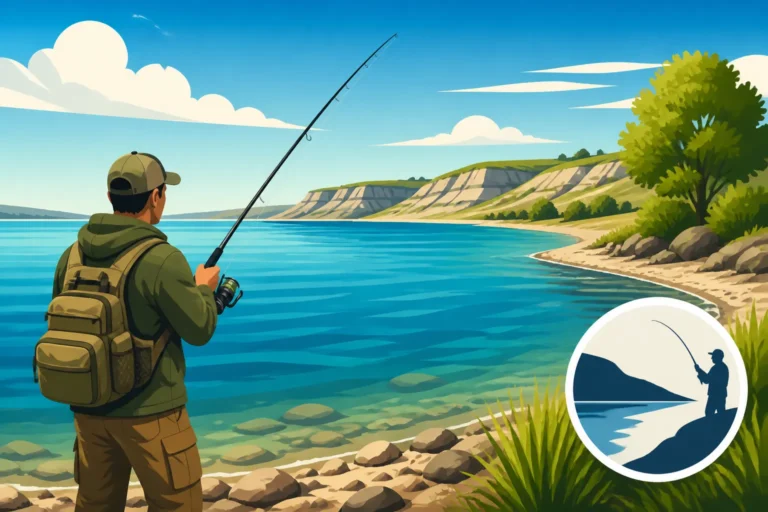
It can be incredibly frustrating to arrive at a popular fishing destination like Lewis and Clark Lake, only to find yourself wondering where the prime spots are, especially when it comes to jetty fishing. Many anglers know jetties can hold fish, but pinpointing the specific ones that consistently produce can be a real challenge. This comprehensive guide is here to shed light on the best jetty fishing spots on Lewis and Clark Lake, helping you maximize your time on the water and land more fish.
Understanding Lewis and Clark Lake's Unique Character
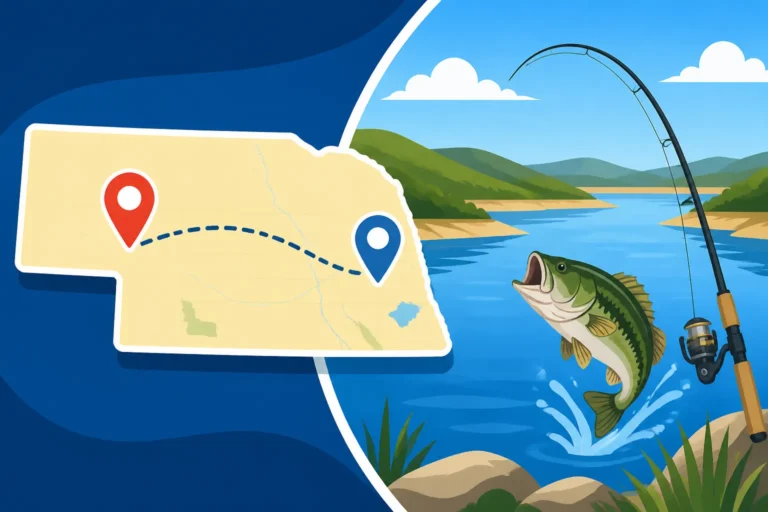
Lewis and Clark Lake is a sprawling, beautiful reservoir on the Nebraska-South Dakota border, formed by the Gavins Point Dam on the Missouri River. Its unique position and characteristics make it a fantastic, albeit sometimes challenging, fishing destination. Anglers often flock here for its diverse fishery, but understanding the forces at play is key to successful jetty fishing.
The Missouri River Influence
The very nature of Lewis and Clark Lake is heavily shaped by the Missouri River. This means you’re not just dealing with a stagnant lake; there's a constant flow of water, nutrients, and even fish migrations. This riverine influence brings a rich ecosystem but also means conditions can change rapidly. Water levels, current strength, and clarity can fluctuate, directly impacting where fish hold and how they feed around structures like jetties. The powerful flow of the Missouri River below Gavins Point Dam creates unique currents and scour points that attract various species, making the lake's upper reaches particularly dynamic.
Why Jetties are Angler Hotspots
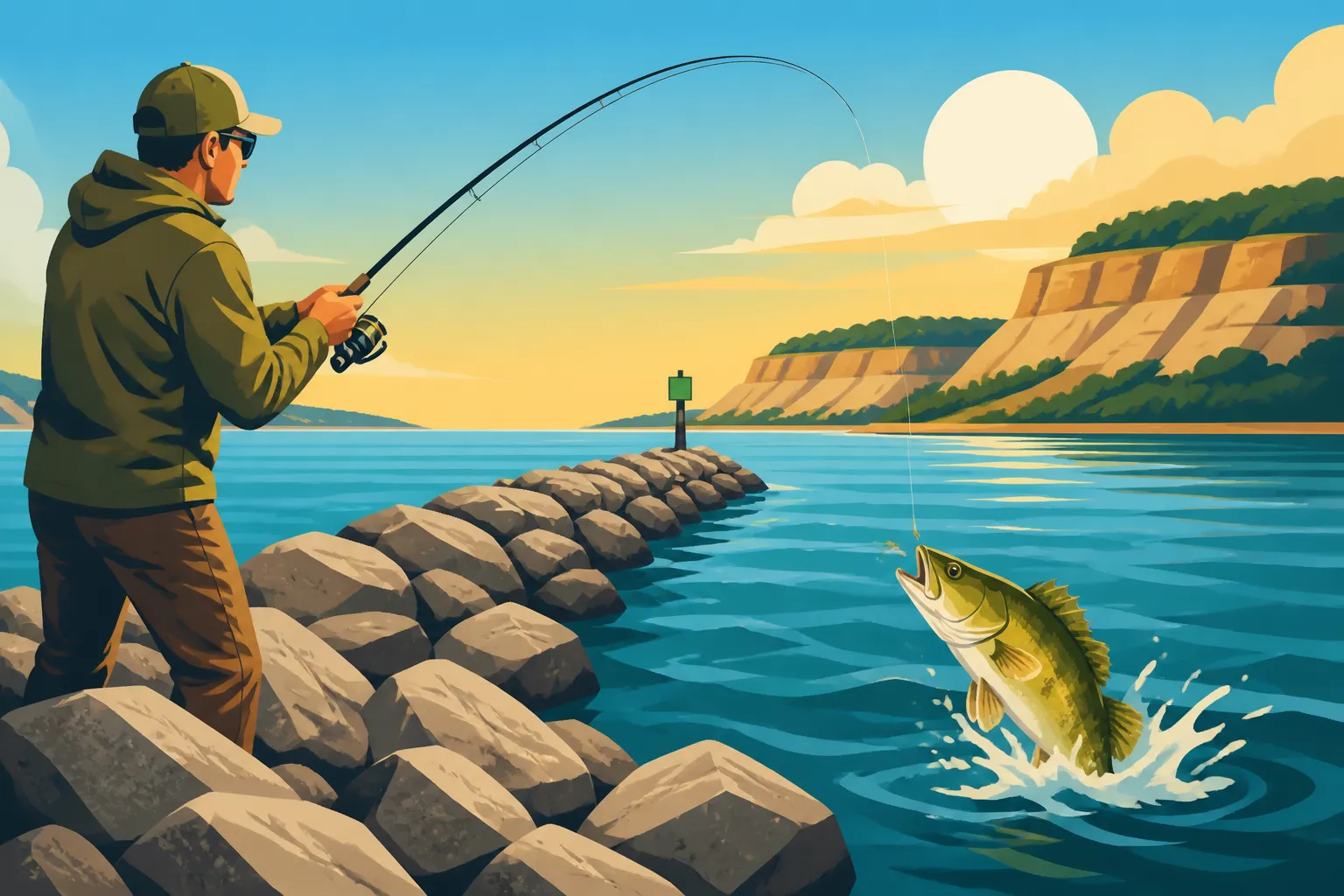
Jetties, those man-made rock structures extending into the water, are absolute magnets for fish, especially in a system like Lewis and Clark Lake. They serve multiple crucial purposes for aquatic life. First, they break the current, creating calmer eddies and slack water areas where fish can rest and conserve energy. This is particularly important for species that don't want to fight the main flow all the time. Second, the rocks themselves provide cover, hiding spots for ambush predators, and a substrate for algae and invertebrates, which in turn attract baitfish. This creates a miniature food chain right at your feet. Third, jetties often drop off into deeper water, offering fish access to different depths as water temperatures or light conditions change throughout the day. These transitions from shallow to deep water are prime hunting grounds.
Common Fish Species You'll Encounter
Lewis and Clark Lake is renowned for its diverse fishery, and jetties often provide access to many of these popular species. You're likely to target walleye, a highly sought-after game fish that loves to cruise rocky structures for baitfish. Catfish, both channel and flathead, are also abundant, especially when the current picks up, bringing food past their hiding spots. For those interested in quantity, white bass can provide fast action, especially during their seasonal runs. Crappie and smallmouth bass also frequent jetty areas, particularly those with good cover and access to baitfish. Knowing what fish you're most likely to catch can help you dial in your gear and techniques. If you're looking for more specific information on popular targets, check out our comprehensive guide on Walleye Fishing in Nebraska or Channel Catfish Fishing in Nebraska.
Top Jetty Fishing Spots on Lewis and Clark Lake
When it comes to jetty fishing on Lewis and Clark Lake, certain spots consistently stand out due to their access, structure, and proven track record with local anglers. These areas offer excellent opportunities for a variety of species, whether you're casting from shore or wading out a bit.
Weigand-Burbach Access Jetty
The Weigand-Burbach Access, located on the Nebraska side, is arguably one of the most popular and productive areas on Lewis and Clark Lake for jetty fishing. It features substantial rock jetties that extend well into the water, providing ample casting opportunities and excellent fish habitat. These jetties create distinct current breaks and deeper pockets that attract walleye, sauger, and channel catfish, especially during periods of increased flow from the dam. The access is well-maintained, offering convenient parking and amenities, which makes it a favorite for families and serious anglers alike. Many locals consider this a go-to spot, particularly in the spring and fall.
Anglers here often find success by casting crankbaits parallel to the jetty edges or bouncing jigs tipped with minnows or plastics along the riprap. The deep water adjacent to the jetties can hold bigger fish, requiring a bit more weight to get your presentation down. It's a fantastic location for shore anglers who want a legitimate shot at trophy fish without needing a boat. For those planning a trip, considering a stay nearby to maximize your fishing time is a great idea, and you can often find local insights or even guides through platforms like FishingBooker if you're looking for a guided experience on these specific structures.
Miller Creek Recreation Area Jetties
Just a bit further west from Weigand-Burbach, still on the Nebraska side, you'll find the Miller Creek Recreation Area. While perhaps not as renowned as Weigand-Burbach specifically for its jetties, Miller Creek offers several smaller, less imposing rock structures and points that can be incredibly productive, especially for crappie, white bass, and smaller walleye. These jetties often have shallower water access, making them ideal for wading or for anglers looking for a more relaxed experience. The surrounding area also provides excellent bank fishing opportunities, diversifying your options if the jetties aren't producing.
The jetties at Miller Creek tend to be more broken up, creating numerous small pockets and current seams where fish can hide. Casting lighter jigs, small crankbaits, or slip bobber rigs with live minnows near these structures can be very effective. It's a great spot if you're looking to avoid some of the heavier crowds that can sometimes gather at Weigand-Burbach, offering a more tranquil fishing experience. These locations are particularly good when the weather isn't cooperating for an open-water boat trip, providing sheltered casting areas.
South Dakota Side Jetties
Don't forget that Lewis and Clark Lake straddles two states! While Nebraska offers fantastic access, the South Dakota side also boasts excellent jetty fishing spots, such as those found around Gavin's Point Dam Recreation Area or Midway Recreation Area. These areas mirror the Nebraska side in terms of fish-holding structure and species, often featuring robust riprap and jetties that extend into prime fishing territory. The key here is understanding the border water rules. Many anglers find the Lewis and Clark Lake License Reciprocity With South Dakota to be a critical piece of information.
Fishing from the South Dakota jetties provides different angles and access points to the lake's structure, which can be advantageous depending on wind direction or current. For example, the specific jetties directly below Gavins Point Dam can be phenomenal for walleye and sauger, especially during peak seasons when fish are congregating near the dam. Just be absolutely certain you understand the Missouri River Border Water Fishing License Rules before you cast a line from the South Dakota side to avoid any legal troubles. A little research beforehand can save a lot of headaches later on.
Essential Gear and Techniques for Jetty Fishing
Being prepared with the right gear and knowing effective techniques can make all the difference when you're targeting fish from the jetties of Lewis and Clark Lake. It's not just about having a rod; it's about having the right tools for the job and knowing how to use them effectively.
Rods, Reels, and Line for Jetty Success
For jetty fishing on Lewis and Clark Lake, versatility is key. You'll want a rod that can handle a decent fight but also allow for accurate casting. A medium-heavy spinning rod, around 7 to 7.5 feet long, is often a great all-around choice. This length provides good casting distance to reach those deeper pockets or current seams off the jetty, while the medium-heavy action offers enough backbone to set the hook firmly and muscle in larger fish like walleye or catfish against the current. Pairing this with a reliable spinning reel in the 2500-3500 size range, spooled with 10-20 lb braided line, is ideal. The braid offers incredible sensitivity, helping you detect subtle bites, and its lack of stretch is crucial for strong hooksets, especially when fishing deeper or at longer distances.
A fluorocarbon leader of 12-17 lb test, about 2-3 feet long, is recommended between your braided main line and your lure or hook. This leader provides abrasion resistance against the sharp rocks of the jetty and is virtually invisible underwater, which can be critical for wary fish in clearer conditions. If you're specifically targeting bigger catfish, you might opt for a heavier setup, perhaps an 8-foot medium-heavy baitcasting rod with 30-50 lb braid, for extra pulling power. For a deeper dive into selecting your tackle, consult our guide on Best Rods and Reels for Nebraska Fishing.
Best Baits and Lures for Lake and River Species
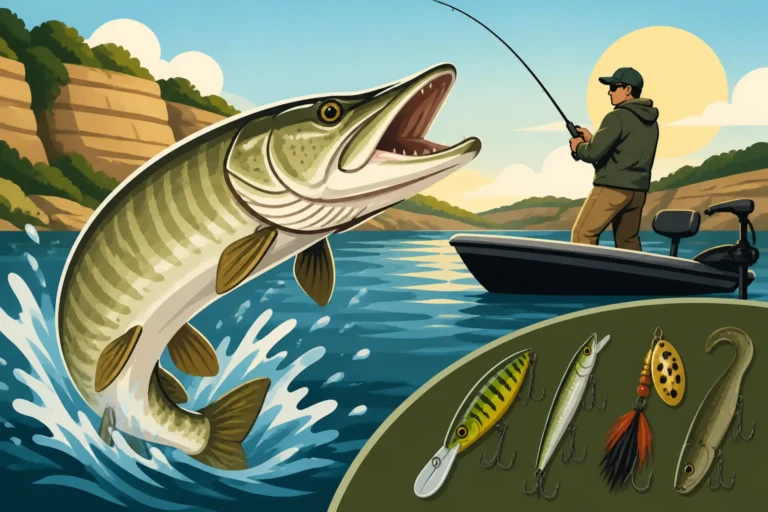
The choice of bait and lure for jetty fishing on Lewis and Clark Lake largely depends on your target species and the current conditions. For walleye, jigs tipped with live minnows, plastic grubs, or paddle tails are highly effective. Try colors like chartreuse, white, or natural baitfish patterns. Small to medium-sized crankbaits that dive to appropriate depths can also be deadly, especially those that mimic shad or shiners. For example, a Rapala Shad Rap or a Berkley Flicker Shad in a natural color can often entice a bite.
When targeting catfish, nothing beats natural baits. Cut bait (like shad or suckers), chicken liver, or prepared "stink baits" are perennial favorites. Rig these on a slip sinker rig with a circle hook, allowing the fish to take the bait without feeling immediate resistance. White bass and crappie will readily hit small jigs, spoons, or even tiny crankbaits. For white bass, silver or white lures that imitate baitfish are often irresistible, especially when they are schooling and actively feeding. Don't be afraid to experiment; fish can be particular from day to day. If you need more ideas, our article on Best Bait for Nebraska Walleye or Best Bait for Nebraska Catfish can provide additional insights.
Effective Fishing Techniques from a Jetty
Successful jetty fishing involves more than just casting and waiting. One of the most effective techniques is to "fan cast" – making casts to different depths and angles around the jetty. Start by casting parallel to the jetty, working your lure or bait close to the rocks, then gradually fan out your casts further into the open water. This helps you cover different areas where fish might be holding. Pay close attention to current seams, eddies, and any noticeable changes in depth.
For walleye, a slow retrieve with occasional pauses or jigging motions is often key. You want to keep your bait close to the bottom where they feed. For catfish, simply casting your bait out and letting it soak in a prime current break can be highly effective, but make sure your rig is heavy enough to hold bottom. White bass and crappie often respond well to a faster retrieve, especially when they're actively chasing bait. During low light conditions, such as dawn, dusk, or even night, many species become more active around jetties. Night fishing can be particularly productive for walleye and catfish, as they move into shallower areas to feed under the cover of darkness.
Navigating Regulations and Safety on Lewis and Clark Lake
Fishing on a large border water like Lewis and Clark Lake means you've got to be dialed into the rules and always prioritize safety. Ignoring these aspects can quickly turn a fun day into a costly or dangerous one.
Nebraska Fishing License and Reciprocity Rules
First and foremost, you must have a valid fishing license. For most anglers, this means a Nebraska Fishing License Guide. However, since Lewis and Clark Lake is a border water shared with South Dakota, there are special reciprocity agreements in place. This is a common point of confusion for many anglers. Generally, if you possess a valid fishing license from either Nebraska or South Dakota, you are permitted to fish the main stem of the Missouri River and Lewis and Clark Lake, provided you abide by the regulations of the state from which your license was issued. For example, if you have a Nebraska license, you follow Nebraska's length and bag limits, even if you're technically casting into South Dakota waters, and vice-versa.
It's absolutely crucial to check the most current regulations, as these can change. You don't want to accidentally violate a bag limit or size restriction. Our detailed article on Lewis and Clark Lake License Reciprocity With South Dakota offers the most up-to-date information on this topic. Don't just assume; confirm before you cast. Additionally, be aware of any required stamps, like the Nebraska Aquatic Habitat Stamp Explained, which supports conservation efforts and is typically required for resident and non-resident anglers alike.
Important Safety Considerations for Jetty Anglers
Safety should always be your top priority, especially when fishing from jetties. The rocks can be slippery, especially when wet or covered in algae. Always wear appropriate footwear with good traction, like sturdy wading boots or non-slip hiking shoes. Avoid sandals or flip-flops. The water around jetties can also be surprisingly deep with strong currents, so exercise extreme caution. Never fish alone if possible, and always let someone know where you're going and when you expect to return.
Weather conditions can change rapidly on Lewis and Clark Lake. A calm morning can quickly turn into a windy, choppy afternoon, making the jetties exposed and potentially dangerous due to waves. Keep an eye on the forecast and be prepared to pack up if conditions worsen. Wear a life jacket, especially if you plan to wade out onto the jetties, or if you're not a strong swimmer. A small first-aid kit, a whistle, and a fully charged cell phone are also excellent items to have on hand. Also, consider the sharp edges of rocks – a good pair of pliers for hook removal and a landing net can help you handle fish safely without putting your hands at risk.
Respecting the Environment and Other Anglers
Lewis and Clark Lake is a shared resource, and it’s up to all of us to keep it beautiful and productive. Practice "Leave No Trace" principles: pack out everything you pack in, including any fishing line, bait containers, or food wrappers. Dispose of trash properly. If you're releasing fish, do so carefully to ensure their survival. Check out our guide on Catch and Release Best Practices in Nebraska for tips on handling fish gently.
When fishing from jetties, you're often in close quarters with other anglers. Be mindful of casting space, avoid loud noises, and respect personal boundaries. No one likes their fishing experience interrupted by someone else's carelessness. If you see someone struggling or need assistance, offer a helping hand. Fostering a friendly and respectful atmosphere makes the experience better for everyone. By following these guidelines, you contribute to a positive fishing culture and help preserve Lewis and Clark Lake for future generations of anglers.
Disclaimer
Fishing regulations and conditions can change. Always consult the latest Nebraska Game and Parks Commission regulations before heading out. The information provided here is for general guidance only.