Platte River Flathead Catfish Hotspots
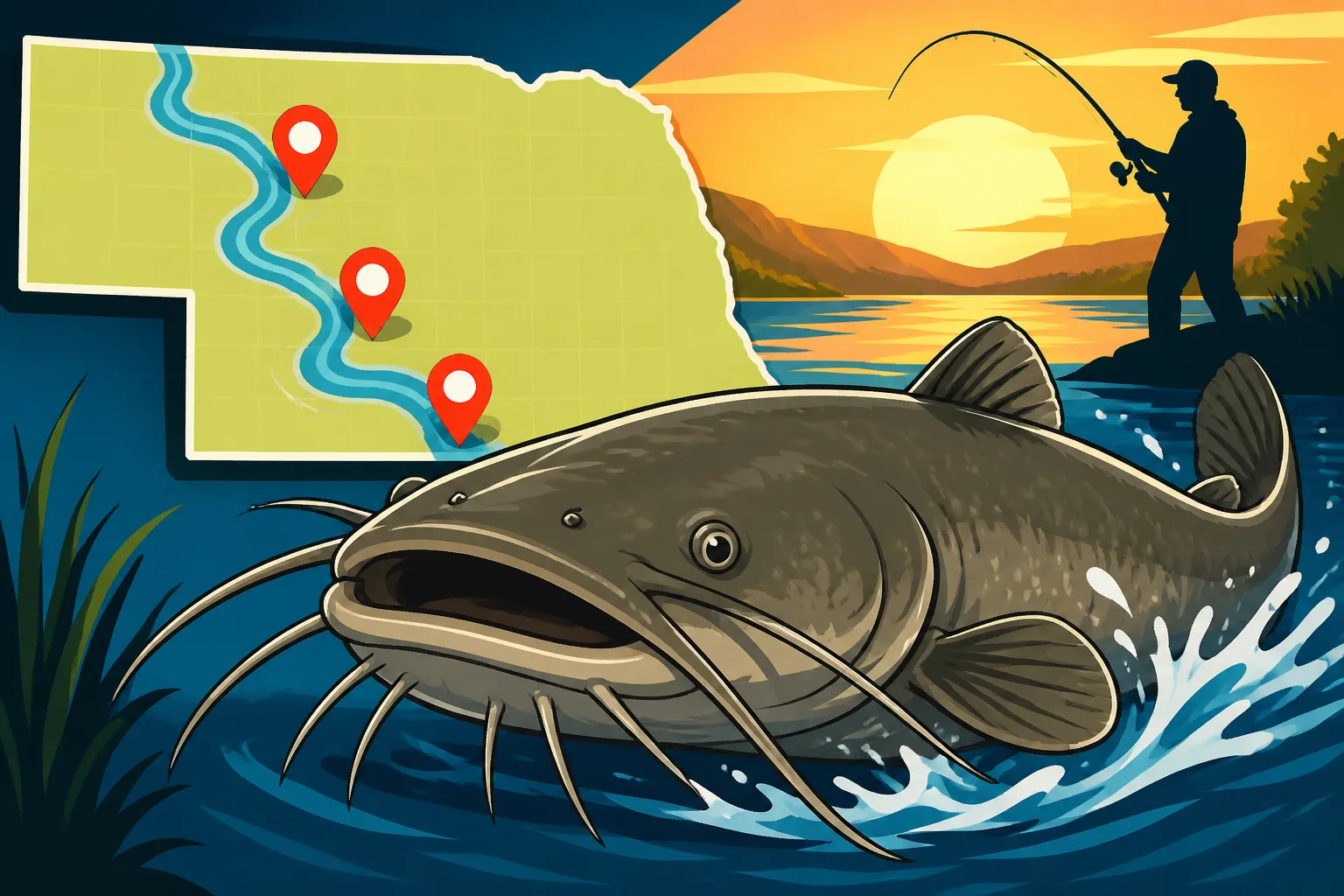
The Platte River in Nebraska can feel like an overwhelming, vast stretch of water, especially when you're trying to pinpoint something as elusive as a trophy flathead catfish. It's easy to get frustrated, casting your line into what feels like an endless expanse without a single bump. But don't despair! This guide is designed to cut through that confusion, helping you identify the most promising flathead catfish hotspots along the Platte and equip you with the knowledge to land one of these powerful fish.
Understanding the Platte River's Flathead Habitat
Flathead catfish are absolute titans of the river, known for their powerful fights and their preference for live bait. But before you can catch them, you need to understand where they live. The Platte River, with its ever-changing sandbars and deep channels, presents a unique challenge, but also incredible opportunities for those who know what to look for.
The Elusive Nature of Flatheads
Unlike their channel catfish cousins, who often school and are more opportunistic feeders, flatheads are solitary, ambush predators. They're not going to be out cruising the open flats. Instead, they stake out prime real estate where they can hide, wait for prey to come to them, and then strike with incredible force. This means you have to be patient and precise with your spot selection. They prefer quiet, dark hiding spots, often near current but out of the direct flow, where they can conserve energy. Think of them as the river's lurking guardians, always ready to defend their territory and snatch up an unsuspecting meal.
Key Structural Elements to Look For
When you're scanning the Platte for flathead hotspots, your eyes should be peeled for specific structural features that provide cover, current breaks, and ambush points. These are the natural homes and hunting grounds for big flatheads.
- Deep Holes and Scours: The Platte is infamous for its shallow, braided nature, but don't let that fool you. There are always deeper pockets, often formed by strong currents scouring out depressions around bends or obstructions. These deep holes provide the cool, dark sanctuary flatheads crave. You might find these on the outside bends of the river, where the current is strongest.
- Log Jams and Wood Debris: Nothing screams "flathead paradise" quite like a massive log jam. These underwater fortresses offer incredible protection from current, shade from the sun, and a perfect ambush point for unsuspecting baitfish. Fishing these spots requires heavy tackle and a willingness to get snagged, but the reward can be immense. Look for sections where timber has accumulated, particularly after high water events.
- Rock Piles and Rubble Areas: While less common than wood in the sandy Platte, any significant rock structure or riprap (rock placed to prevent erosion) can hold flatheads. Rocks create eddies, current breaks, and hiding places. Bridge pilings, especially older ones that have accumulated debris, are essentially man-made rock piles and often hold fish.
- Cut Banks and Overhanging Cover: Steep, eroded banks with overhanging vegetation provide shade and cover. Flatheads will often lie up under these banks, particularly if there's a slight undercut or a small log lodged there. The shade keeps the water cooler, and the cover makes them feel secure.
River Conditions and Their Impact
The Platte River is a dynamic system, and its conditions can change dramatically, influencing where flatheads will be found. Understanding these shifts is crucial for consistent success.
- Water Flow (Current): Flatheads love current, but not too much. They'll position themselves just out of the main flow, in an eddy or behind an obstruction, where they can wait for food to drift by with minimal effort. During periods of high flow, they might move closer to shore or into slacker water to avoid being swept away. Low flow can concentrate them in the remaining deeper holes. Always check the river gauges before heading out; websites like the USGS provide real-time data for various points along the Platte.
- Water Clarity: Flatheads are visual hunters to some extent, but they also rely heavily on scent and vibration. They can tolerate, and even thrive, in somewhat stained or murky water, which provides them additional cover. However, extremely muddy conditions after heavy rains can push them into clearer backwater areas or slow-moving eddies. Conversely, crystal-clear water might make them more skittish and prone to hiding deeper during the day.
- Water Temperature: Like all fish, flatheads are temperature-sensitive. They become most active in warmer waters, typically above 60°F (15°C), and their feeding really picks up in the summer months. As temperatures drop in the fall, they'll become less active and seek out the deepest holes for overwintering. Early season and late season fishing will often require targeting the deepest, most stable water.
Prime Platte River Hotspots for Flathead Catfish
Now that we know what flatheads like, let's talk about where to find them. The Platte River stretches across Nebraska, offering different characteristics and, therefore, different hotspot types along its course.
Central Platte River Sections Near Kearney/Grand Island
This central stretch of the Platte is characterized by its wide, braided channels, numerous sandbars, and a mix of shallow areas with surprisingly deep scours. While access can be challenging due to private land, public access points and bridge crossings are key areas to explore.
- Bridge Pilings and Abutments: Bridges like those on Highway 30 or various county roads create significant current breaks and scour holes. The upstream side often has a deep trench, while the downstream side forms an eddy. Flatheads love to hide directly against the pilings, or in the deep water immediately adjacent to them. Night fishing these areas can be incredibly productive. For precise locations, checking out a service like FishingBooker might reveal local guides who specialize in these spots, offering their expertise on the best approaches for the area.
- Large Cottonwood Log Jams: As you travel this section, keep an eye out for massive log jams, especially in slower bends or where the river narrows slightly. These can be difficult to fish from shore but are absolutely worth the effort from a boat or kayak if you can safely access them. These are prime ambush points. If you're looking for Platte River Catfish Fishing opportunities, these woody structures are where the big ones often hide.
- Confluence with the Loup River: The confluence of the Loup River with the Platte near Columbus is a significant fish magnet. The merging currents create a complex hydrological environment with eddies, current seams, and deeper water. Flatheads will congregate here, especially when baitfish are moving between the two river systems. Access near here can provide some excellent opportunities for dedicated anglers.
Lower Platte River and Missouri River Confluence
As the Platte River nears its end, flowing into the mighty Missouri River, it transforms into a wider, deeper, and often faster-moving waterway. This section, particularly near Ashland and Plattsmouth, is arguably one of the best flathead catfish fisheries in the entire state. The sheer volume of water and the abundance of baitfish make it a prime location.
- Plattsmouth Area (Confluence): The absolute prime location for flatheads on the Platte is right where it dumps into the Missouri. The rich ecosystem of the Missouri River provides a constant buffet for flatheads. Look for deep holes, pronounced current seams, and any large structures like old bridge remnants or barge tie-offs just upstream or downstream of the confluence. This area attracts anglers from all over for good reason. For navigating these complex waters, studying a Missouri River Fishing in Nebraska guide can offer additional insights into the nuances of this powerful river system.
- Ashland Bridge and Area Below Two Rivers SRA: The Interstate 80 bridge near Ashland, and the waters downstream, offer excellent access and prime flathead habitat. The bridge itself creates structure, and the deeper channels here hold plenty of fish. The area below Two Rivers State Recreation Area, while heavily trafficked, often has good access to the main channel of the Platte and its deeper runs.
- Deep Bends and Scour Holes (Near River Mouth): In the last few miles of the Platte, before it joins the Missouri, the river develops more pronounced, stable deep bends. These are classic flathead haunts. Use your electronics or a heavy sounding weight to find the deepest part of these bends, especially where there's significant wood or rock structure on the outside curve.
Tributary Mouths and Sandpit Lakes
Don't overlook the smaller water bodies that connect to the Platte River. These can act as sanctuaries or feeding grounds, especially during certain times of the year or under specific river conditions.
- Mouths of Smaller Creeks and Rivers: Whenever a smaller creek or river flows into the Platte, it creates a unique micro-ecosystem. These confluences often have slightly different water temperatures, clarity, and nutrient levels, attracting baitfish. Flatheads will stage at these mouths, particularly after a rain event when new food sources might wash into the main river, or when baitfish are moving in and out of the tributaries.
- Connected Sandpit Lakes: Around areas like Fremont Lakes State Recreation Area or other sandpit regions, some of these lakes have channels connecting directly to the Platte. While not always flathead hotspots themselves, these channels, especially their entrances and exits to the main river, can be excellent ambush points. Flatheads might move into these channels during periods of high water or extreme cold/heat on the main river to find more stable conditions.
| Hotspot Type | What to Look For | Best Conditions | Key Feature |
|---|---|---|---|
| Deep Holes/Scours | Darker, calm water in bends; depressions near obstructions | Moderate to low flow | Depth |
| Log Jams | Piles of wood, especially large cottonwoods | Any flow, especially after high water | Cover & Ambush |
| Bridge Pilings | Strong current breaks, eddies, scour holes | Moderate flow | Structure & Current |
| Cut Banks | Overhanging vegetation, slight undercuts | Warmer months, moderate flow | Shade & Cover |
| Tributary Mouths | Mixing currents, baitfish congregations | After rain, seasonal migrations | Food Source & Seams |
| River Confluences | Large eddies, deep water, abundant baitfish | Any conditions, especially summer | Ecosystem Diversity |
Essential Gear and Tactics for Platte River Flatheads
Flathead fishing on the Platte isn't for the faint of heart or light tackle. These fish are strong, the current is often powerful, and the snags are plentiful. Being prepared with the right equipment and a sound strategy will greatly increase your chances of success.
Rods, Reels, and Line for Heavy Duty Fishing
This isn't trout fishing. You're going after fish that can easily top 30-40 pounds, in current, often near abrasive structure.
- Rods: Think heavy-action or extra-heavy action rods, typically 7 to 9 feet long. You need a rod with significant backbone to muscle big fish away from snags and to handle heavy sinkers in current. Popular choices include sturdy Ugly Stik Catfish rods or comparable heavy-duty models. A longer rod also helps with casting heavy baits and maintaining line control in the current. If you're pondering Best Rod Setup for Nebraska Catfish, remember that power is paramount here.
- Reels: A baitcasting reel is almost universally preferred for flathead fishing. Look for models with a strong drag system, a large line capacity, and a robust gear ratio. Ambassadeur C3 or C4 reels, or Penn Battle series are common workhorses. These reels can take a beating and still perform when you hook into a monster.
- Line: Braided line is king for flatheads. Its lack of stretch provides excellent sensitivity, and its incredible strength-to-diameter ratio means you can use heavier test line without sacrificing casting distance. Opt for 50-80 pound test braided line. Some anglers prefer a short leader of 50-80 pound monofilament or fluorocarbon (12-24 inches) to provide some abrasion resistance, especially when fishing around snags.
Best Baits and Rigging for Flatheads
Flatheads are almost exclusively piscivorous, meaning they eat other fish. While they might occasionally hit a clam or a crawfish, live bait is, without a doubt, the most effective offering.
- Live Bait is King: Your best bet is always a lively, fresh baitfish.
- Sunfish/Bluegill: Easily caught in many Nebraska ponds and streams, these are readily available and a flathead favorite. Check regulations for legal size and possession limits for baitfish.
- Suckers: White suckers or other local sucker species are excellent, especially larger ones (6-10 inches).
- Goldeyes/Mooneyes: If you can find them, these river fish are prime flathead food in the Platte and Missouri.
- Perch: Another good option if legal and available as bait.
- Common Rigs:
- Carolina Rig (Slide Sinker Rig): This is a go-to. A heavy egg sinker (2-6 oz, depending on current) slides freely on your main line, followed by a swivel, and then a 12-24 inch leader of heavy mono/fluoro (50-80 lb) tied to a large, strong circle hook (8/0 to 10/0). The sliding sinker allows the flathead to pick up the bait without feeling immediate resistance.
- Three-Way Swivel Rig: Useful in heavier currents or when you want to present your bait slightly off the bottom. Tie your main line to one eye of a three-way swivel, a short leader to your sinker on the second eye, and a longer leader (18-36 inches) to your hook and bait on the third eye. This rig keeps your bait dancing in the current.
- Circle Hooks: Absolutely essential for flathead fishing. When a flathead takes the bait and swims away, the circle hook is designed to roll into the corner of its jaw, resulting in a solid, clean hookset almost every time. This also minimizes gut hooking, which is crucial for releasing fish.
- For more specific tips on bait, consult a guide like Best Bait for Flathead Catfish at Night.
Strategies for Targeting Flatheads
Flathead fishing requires a specific mindset – patience, persistence, and a willingness to embrace the night.
- Night Fishing is Prime Time: While flatheads can be caught during the day, their activity peaks after dark. They are nocturnal hunters, using the cover of darkness to leave their hiding spots and actively forage. Many of the biggest flatheads are caught under the cover of night. If you're planning on How to Catch Flathead Catfish at Night, expect a different kind of experience.
- Anchoring vs. Drifting:
- Anchoring: This is the most common and effective method for targeting specific hotspots like log jams or deep holes. Anchor securely upstream of your chosen spot and cast your baits into the target area, allowing the current to carry the scent.
- Drifting: Less common for flatheads, but can be effective in certain situations, especially if you're trying to locate fish over a larger area. Use a controlled drift, perhaps with a drift sock, to slowly present your baits along a channel or a long stretch of structure.
- Scent Trails and Patience: Flatheads have an incredible sense of smell. Your live bait, especially if slightly injured, will put out a strong scent trail in the current. This is how flatheads find their food. Let your bait soak in the prime zone for a good amount of time. Patience is the ultimate virtue in flathead fishing; it's not uncommon to wait hours for a single bite. But when that rod bends over, you'll know it was worth it!
- Using a Fish Finder: If you're on a boat, a good fish finder can be invaluable. It can help you locate those elusive deep holes, identify submerged log jams, and even spot larger fish lurking near structure. Side imaging technology is particularly useful for scanning wide areas for hidden cover.
Navigating the Platte Safely and Responsibly
The Platte River, while a fantastic fishing destination, demands respect. Its unique characteristics mean that safety and adherence to regulations are paramount.
Water Levels and Navigational Challenges
The Platte is often shallow and braided, making navigation a challenge, especially for those unfamiliar with the river.
- Check River Levels: Always, always check the current Platte River water levels and flow rates before you launch your boat. The river can change dramatically, becoming impassable in low water or dangerously swift in high water. The USGS real-time data is your best friend here.
- Boat Type and Experience: A jet boat is often preferred for navigating the shallower sections of the Platte, though smaller jon boats with prop motors can work in deeper sections and with careful navigation. Kayaks can be excellent for accessing hard-to-reach areas, but understand the risks of currents and snags. If you're new to river boating, consider going with an experienced angler or guide first. A guide found through a service like FishingBooker will have intimate knowledge of the river's current conditions and safe navigation routes.
- Awareness of Sandbars and Debris: Sandbars shift constantly on the Platte, and submerged logs are always a hazard. Proceed with caution, especially in unfamiliar waters. Wear your life jacket!
Regulations and Conservation
Fishing responsibly means knowing and following all state regulations. This not only keeps you out of trouble but also ensures a healthy fishery for generations to come.
- Nebraska Fishing License: You absolutely need a valid Nebraska Fishing License Guide to fish the Platte River. Licenses can be purchased online through the GoOutdoorsNE system, at bait shops, or at Nebraska Game and Parks offices. Make sure you understand the requirements for residents versus non-residents.
- Flathead Catfish Limits: Always be aware of the specific Nebraska Fishing Daily Bag and Possession Limits for flathead catfish. These limits are in place to manage fish populations and prevent overharvesting. Size limits might also apply in certain areas or at certain times, so consult the current Nebraska Fishing Guide from the Game and Parks Commission.
- Catch and Release: While flatheads are delicious table fare, consider releasing the largest fish. These big breeders are crucial for the health of the population. If you do keep fish, only take what you need and handle them carefully to minimize stress.
- Aquatic Invasive Species (AIS): Be diligent about cleaning, draining, and drying your boat and gear after every trip to prevent the spread of aquatic invasive species like zebra mussels. This is a critical responsibility for all anglers in Nebraska. Information about Nebraska Boat Registration and Fishing Rules will also cover AIS regulations.
Disclaimer
Please note that fishing conditions, regulations, and specific hotspots can change. Always consult the latest Nebraska Game and Parks Commission regulations and advisories before heading out on your fishing trip. Stay safe on the water and be respectful of private property and the environment.