Platte River Catfish Fishing
There's nothing quite like the feeling of a powerful tug on your line, especially when you're battling a hard-fighting catfish in the legendary Platte River. However, fishing this vast and often unpredictable Nebraska waterway can feel daunting, with its shifting sandbars, braided channels, and strong currents. You're not alone if you've felt overwhelmed trying to figure out the best spots, baits, and techniques. This comprehensive guide is here to untangle the complexities and equip you with the knowledge to consistently land impressive catfish on the Platte River.
Understanding the Platte River's Catfish Domain
The Platte River isn't just any river; it's a dynamic, ever-changing system that offers a unique challenge and immense reward for catfish anglers. Understanding its quirks is the first step to success. This river's character, from its braided channels to its fluctuating water levels, directly impacts where catfish live and how they feed.
The Dynamic Nature of the Platte River
One of the most defining characteristics of the Platte River is its incredible dynamism. It's often described as a "braided" river, meaning it splits into multiple, interconnected channels that shift and change with water flow. What was a deep channel last year might be a shallow sandbar this year, and vice-versa. This constant geological dance is both a blessing and a curse for anglers. It creates an abundance of diverse habitats, but it also means you can't rely on the same spots year after year without re-evaluating.
Water levels can fluctuate dramatically depending on rainfall and upstream dam releases. High water can create new fishing opportunities by inundating shorelines and pushing fish into quieter backwaters, but it can also make wading treacherous and boating difficult due to strong currents and submerged debris. Conversely, low water concentrates fish in deeper pockets and channels, making them easier to locate but potentially harder to entice if they're stressed. The key here is adaptability; always check the current river conditions before heading out.
Key Structural Elements That Hold Catfish
Despite its ever-changing nature, the Platte River consistently offers certain structural elements that are magnets for catfish. Learning to identify these will dramatically increase your odds.
First and foremost are deep holes and scour channels. These are depressions in the riverbed often formed by strong currents washing away sediment. Catfish, especially larger flatheads, love these deeper, calmer pockets where they can ambush prey without fighting the main current. You'll often find these holes on the outside bends of channels or downstream from obstructions.
Log jams, fallen trees, and snags are another prime target. While they can be a nuisance for snagging your line, they provide essential cover and current breaks for catfish. Smaller baitfish will congregate around these structures, attracting hungry channel and flathead catfish. The trick is to cast your bait as close as possible to the structure without getting irrevocably snagged.
Current breaks and eddies are crucial. Catfish are powerful swimmers, but they're also opportunistic feeders that prefer to conserve energy. They'll often sit just out of the main current, in an eddy or behind a large rock or sandbar, waiting for food to drift by. These areas provide a buffet line without the strenuous swim. Look for areas where the main current slows down, or where water flows back upstream in a circular motion.
Finally, confluence points where smaller creeks or tributaries meet the main Platte River can be outstanding. These areas often bring in new food sources, different water temperatures, and varied currents, all of which attract catfish looking for an easy meal.
Understanding these structural elements and how the river's dynamic flow interacts with them is critical to successful Platte River catfish angling. Don't be afraid to explore and use a depth finder or even a heavy jig to probe the bottom if you're in a boat or kayak to locate these hidden gems.
Key Catfish Species in the Platte River
When you're chasing whiskers on the Platte River, you'll primarily encounter a few distinct species, each with its own preferred habitat, diet, and fighting style. Knowing what you're targeting can help you tailor your approach for maximum success.
Channel Catfish: The Platte's Abundant Fighter
Without a doubt, the channel catfish is the most common and widely distributed catfish species in the Platte River. These guys are abundant, grow to respectable sizes, and offer a fantastic fight, making them a favorite among local anglers. Channel cats are characterized by their sleek bodies, deeply forked tails, and generally dark, often spotted, coloration, though their color can vary greatly depending on water clarity and diet.
They are incredibly adaptable and can be found throughout the Platte, from its shallow, braided sections to deeper holes. Channel catfish are opportunistic feeders, which means they'll eat just about anything. Their diet consists of insects, crustaceans, small fish, and even vegetation or decaying organic matter. This broad palate makes them relatively easy to catch, especially with popular baits like cut bait, chicken liver, prepared stink baits, and even worms. If you're wondering What Channel Catfish Eat, the answer is often "whatever's available!"
Channel catfish tend to be more active feeders in warmer water, and while you can catch them during the day, they often become more aggressive at dusk, overnight, and into the early morning hours, especially during the summer. They typically school up, so if you catch one, there are likely more in the same area. The Nebraska Game and Parks Commission generally manages channel catfish populations for abundance, and you'll find generous Nebraska Channel Catfish Daily Limit regulations, allowing anglers to keep a good number for the frying pan.
The Elusive Flathead Catfish: A True River Monster
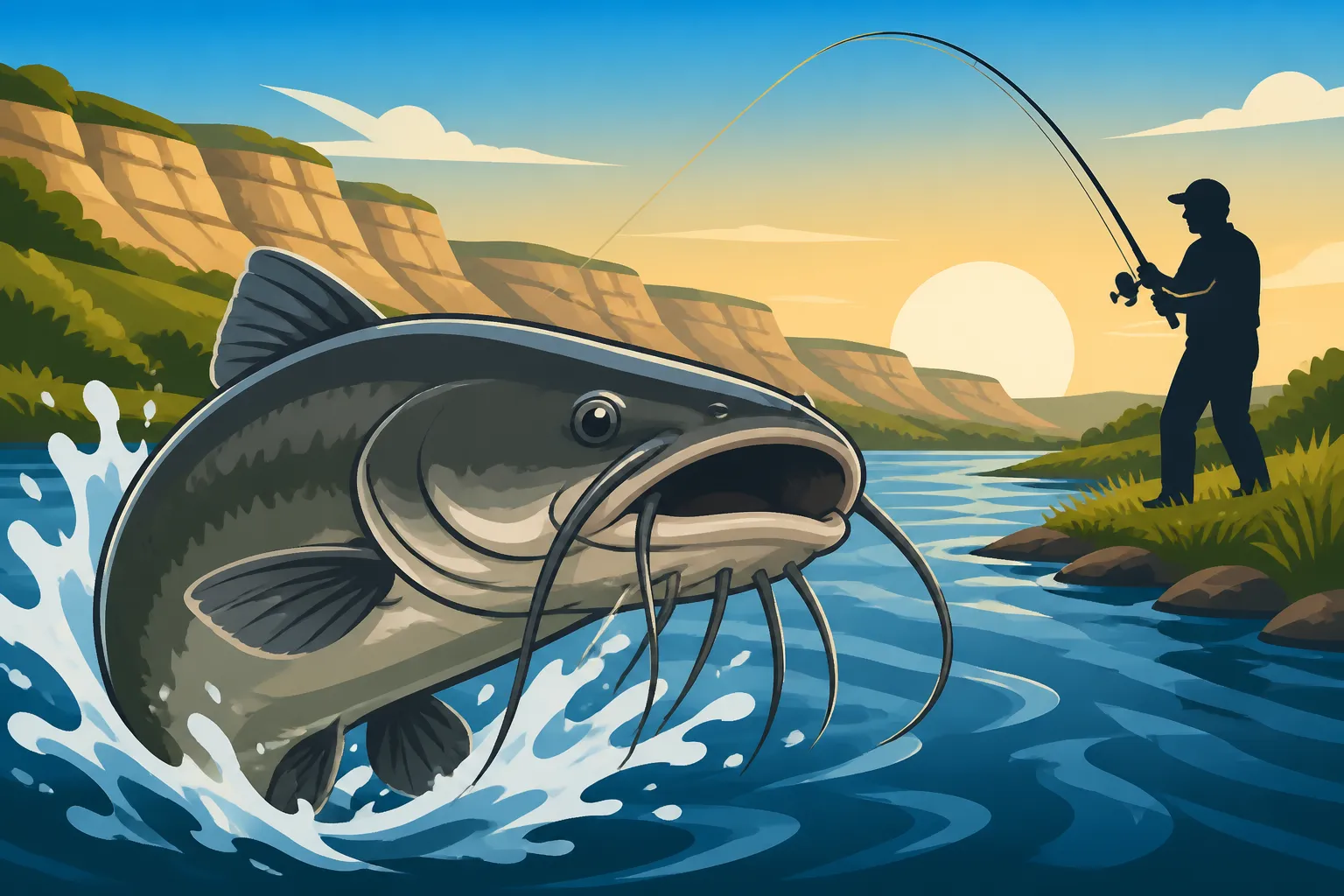
For those seeking a trophy, the flathead catfish is the Platte River's ultimate prize. These are true river monsters, known for their massive size, powerful fight, and predatory nature. Flatheads are easily distinguished from channel cats by their broad, flattened heads, unforked or only slightly notched tails, and mottled brown or olive coloration that helps them blend into rocky and woody structures.
Unlike the omnivorous channel cat, flatheads are almost exclusively piscivorous, meaning they prefer to eat live fish. Their diet primarily consists of carp, sunfish, shad, and other live baitfish that they ambush from heavy cover. This makes bait selection crucial: live bluegill, sunfish, or even sturdy creek chubs are often the most effective baits for enticing a big flathead.
Flatheads are notorious homebodies. They prefer deep, dark, structured areas like large log jams, root wads, deep scour holes, and undercut banks. Once they find a suitable "home," they rarely stray far. Targeting them requires patience and a willingness to fish heavy cover, often at night, which is when they are most active hunters. While less common than channel cats, landing a Platte River flathead can mean hooking into a fish weighing well over 20 pounds, sometimes even pushing 40 or 50 pounds! Learning How to Catch Flathead Catfish at Night is essential if you're serious about pursuing these giants.
Bullheads and Other Bottom Dwellers
While not the primary targets for most Platte River anglers, you might also encounter bullheads, particularly brown or black bullheads. These smaller catfish species are more common in slower, muddier backwaters and sloughs connected to the main river. They're typically smaller than channel cats, lack the deeply forked tail, and are often a dark, mottled brown or black. Bullheads are excellent eating and a blast for kids to catch, as they're not particularly finicky about bait. Worms or small pieces of cut bait fished on the bottom will usually do the trick.
Other rough fish, like various species of carp and drum, also inhabit the Platte and might occasionally take a catfish bait. While not technically catfish, they provide unexpected action and contribute to the river's diverse fishery. Focusing on the channel and flathead catfish, however, will be your main pursuit on the Platte River, offering both quantity and the thrilling potential for a fish of a lifetime.
Best Times and Seasons for Platte River Catfish
Timing is everything when it comes to catfishing on the Platte River. The river's ever-changing conditions mean that the "best" time to fish can vary greatly by season, and even by the hour. Understanding these patterns will significantly boost your success.
Spring Awakening: Post-Spawn Feasts
As the ice retreats and water temperatures begin to climb in late spring (typically April and May), the Platte River comes alive. This is often an excellent time for channel catfish. After a relatively dormant winter, they become incredibly active, feeding aggressively to regain energy lost during the spawn, which usually occurs when water temperatures reach the mid-60s Fahrenheit.
During this spring period, look for channel cats moving into shallower, warmer waters, particularly those areas with incoming creeks or protected coves where water warms up faster. They'll be on the hunt for easy meals. While the water might still be a bit turbid from spring runoff, catfish navigate by scent and lateral line, making strong-smelling baits like cut bait or prepared "stink baits" highly effective. Flatheads are also beginning to stir but will remain more sluggish until water temperatures stabilize further. The key is to find those slightly warmer pockets and areas with moderate current, as the fish won't be in the fastest flows just yet.
Summer Heat: Night Fishing and Deep Waters
Summer, especially from June through August, is prime time for Platte River catfishing, though your strategy might need to adjust for the heat. As water temperatures soar, channel catfish activity often peaks, but they might shift their feeding patterns to cooler parts of the day.
During the daytime, especially under bright sun, channel cats will often seek out deeper holes, undercut banks, and the shade of log jams to escape the heat and bright light. Fishing these structures with heavier weights to get your bait down is crucial. However, the real magic of summer catfishing on the Platte often happens after sunset. As temperatures drop and the cover of darkness sets in, both channel catfish and flatheads become incredibly active. This is when Nebraska Night Fishing Rules come into play, and you can fish effectively with lanterns or headlamps.
Night fishing allows you to target flatheads with live bait more effectively, as they are nocturnal hunters that venture out from their daytime lairs. For channel cats, the night bite can be phenomenal, especially on hot, humid evenings. This is also a fantastic time for camping trips, combining the thrill of fishing with the peace of a riverside night.
Fall Feeding Frenzy: Pre-Winter Preparation
As autumn arrives and water temperatures begin their gradual descent (September and October), Platte River catfish enter a pre-winter feeding frenzy. They're trying to pack on calories for the lean months ahead, making them highly receptive to a variety of baits.
During the fall, catfish will often be found in transitional areas, moving between shallow feeding flats and deeper wintering holes. They can be very aggressive throughout the day, not just at dawn and dusk. This is a great time to target both channel and flathead catfish, as they are actively foraging. Flatheads may start to take dead cut bait more readily as their metabolism slows slightly, making them less inclined to chase active live bait, though live bait remains a top choice.
The clear, crisp days of fall, combined with less river traffic, can offer some of the most enjoyable and productive catfishing experiences on the Platte. Pay attention to water levels and look for areas where baitfish are congregating, as the catfish won't be far behind.
Daily Patterns: Dawn, Dusk, and Barometric Pressure
Beyond the seasons, daily patterns and environmental factors play a significant role. Dawn and dusk are almost universally recognized as prime feeding times for catfish in any season. The low light conditions give them a predatory advantage, and water temperatures are often at their most comfortable.
Overcast days can extend this prime feeding window throughout the day, as the diffused light simulates dawn or dusk conditions. Conversely, bright, sunny days often push fish into deeper, shadier cover.
Barometric pressure is another factor anglers often overlook. A steady or slowly falling barometer (indicating an approaching front) often triggers increased feeding activity, while a rapidly falling or very low barometer (during a storm) can shut fish down. After a strong thunderstorm passes and the barometer begins to rise, fishing can be excellent as the fish resume feeding. The key is to be aware of these subtle changes and adapt your fishing schedule accordingly.
Effective Catfishing Techniques for the Platte
Catching catfish on the Platte River isn't just about showing up; it's about employing the right techniques, baits, and tackle that are suited to this particular waterway. The currents, structure, and species present demand a thoughtful approach.
Bait Selection: From Stink Bait to Live Bait
The Platte River's catfish diet is diverse, meaning you have a wide array of bait choices. However, selecting the right bait for your target species and conditions is paramount.
For the abundant channel catfish, almost anything goes, but some baits are undoubtedly more effective.
- Cut Bait: This is a perennial favorite. Freshly cut pieces of oily fish like shad, carp, or even panfish (where legal) are incredibly potent. The blood and oils released into the water create a powerful scent trail that channel cats can't resist. Experiment with different sizes; larger chunks for bigger fish.
- Prepared "Stink Baits": Brands like Catfish Charlie or Sonny's Stink Bait are household names in catfishing. These gooey, strong-smelling concoctions are designed specifically to attract channel cats from a distance. They work best when dabbed onto a sponge hook or a specialized bait holder, as their soft texture can be hard to keep on a regular hook.
- Chicken Liver: Inexpensive and widely available, chicken liver is a classic channel cat bait. Its strong scent and soft texture make it appealing, but it can be notoriously difficult to keep on a hook, especially in current. Try curing it in garlic powder or salt, or wrapping it with a piece of pantyhose to keep it secure.
- Worms: Good old nightcrawlers are always a reliable choice, especially for smaller channel cats and bullheads, and can be very effective after rain.
For the elusive flathead catfish, the menu narrows considerably. These predators prefer live, struggling bait.
- Live Baitfish: Bluegill, sunfish, shad, creek chubs, or even small carp (check local regulations on bait species) are the go-to. The livelier the bait, the better. Use a single, large hook (often a circle hook) through the back or lips to keep the bait alive and swimming naturally. Fishing with live bait for flatheads requires patience, as they often take their time before committing to the strike.
Remember to consider the current water conditions. In muddy or turbid water, strong-smelling baits for channel cats will be more effective as scent is their primary hunting tool. In clearer water, a natural presentation with live bait or a less odorous cut bait might be more successful.
Rigging for Success in Current
The Platte River's current can make traditional still-fishing rigs ineffective, washing your bait downstream or tangling your line. Specialized rigs are necessary to present your bait properly on the bottom.
- Slip Sinker Rig (Carolina Rig for Catfish): This is perhaps the most popular and versatile rig for river catfishing. It consists of an egg sinker or no-roll sinker threaded directly onto your main line, followed by a bead (to protect the knot), a barrel swivel, and then a leader (12-24 inches) tied to your hook. The slip sinker allows the current to move your weight while your bait stays in place, or the fish can pick up the bait without feeling the weight of the sinker. This is fantastic for both channel and flathead catfish.
- Three-Way Rig: Ideal for heavier currents or when you want to present your bait slightly off the bottom. You tie a three-way swivel to your main line. One eye goes to a short leader with a heavy sinker, another to a longer leader (18-36 inches) with your hook, and the third to your main line. This keeps your bait suspended just above snags while the sinker holds bottom.
- Stand-Out or "Fish Finder" Rig: Similar to a slip sinker rig, but often uses a specialized "fish finder" slide that holds the sinker and allows it to slide freely on the main line. This rig is particularly good for large flatheads as they can take the bait and swim off without feeling much resistance until you set the hook.
Regardless of the rig, always use enough weight to hold your bait in place against the current. If your bait is constantly washing downstream, you're not presenting it effectively.
Rod, Reel, and Line for Platte River Catfishing
Your gear needs to be robust enough to handle the powerful fight of a river cat and the demands of the environment.
- Rods: Opt for medium-heavy to heavy action rods that are 7 to 9 feet long. This length provides leverage for casting heavy baits and weights, absorbing head shakes, and fighting powerful fish in current. A strong backbone is essential to steer large fish away from snags. Many anglers prefer a good graphite or composite rod that offers both sensitivity and strength. Consider a Best Rod Setup for Nebraska Catfish article for more specific recommendations.
- Reels: Baitcasting reels are often preferred for serious river catfishing, especially for flatheads. They offer superior power, larger line capacity, and better control over heavy lines and weights. Look for models with a smooth, powerful drag system. Spinning reels can work for lighter channel cat setups, but for truly big fish or heavy current, a baitcaster is king.
- Line: Braided line is the clear winner for Platte River catfishing. Its zero stretch provides incredible sensitivity, allowing you to feel subtle bites even in current, and its superior strength-to-diameter ratio means you can use a lighter, more manageable line with high breaking strength. Typically, 30-80 lb braided line is used, depending on the target size of the fish and the amount of snags. Always use a monofilament or fluorocarbon leader (20-50 lb test) tied to your braided main line. This leader is less visible to fish, and if you get snagged, the leader will usually break before your main line, saving you some expensive braid.
Having the right gear will not only make fishing more effective but also more enjoyable, as you'll be confident in your ability to land whatever the Platte throws at you.
Navigating the Platte: Access Points and Safety
The Platte River is vast, and knowing where and how to access it safely is just as important as knowing your baits and rigs. From public parks to bridge access, and considering whether to wade or use a boat, a little planning goes a long way.
Public Access Points and Wading Opportunities
One of the great things about the Platte River is the amount of public access, but it's not always obvious. Many anglers utilize State Recreation Areas (SRAs) and Wildlife Management Areas (WMAs) that border the river. These areas, like Eugene T. Mahoney State Park or Two Rivers State Recreation Area near Omaha and Lincoln, often provide designated parking, boat ramps, and clear pathways to the riverbanks, though sometimes fishing access is limited to specific areas. Always check the Nebraska Game and Parks Commission website for maps and regulations specific to each site.
Beyond established parks, many anglers find access near public road bridges that cross the Platte. These areas often have pull-offs or small parking spots, and the bridge pilings themselves can create current breaks and deep scour holes that attract catfish. However, always be mindful of private property – look for "No Trespassing" signs and respect landowners' rights. Accessing the river from these points may involve some walking through sometimes rugged terrain. For a more detailed look, check out Platte River Wading Access Points.
Wading is a popular and effective way to fish the Platte, especially in its shallower, braided sections. It allows you to get away from crowded banks and access prime spots that boats can't reach. However, wading the Platte can be dangerous due to its swift and often unpredictable current, soft sand bottom, and sudden drop-offs. Always wear a good quality wading belt and sturdy wading boots with good ankle support. Never wade alone, and always use a wading staff to probe the bottom ahead of you. Be especially cautious after heavy rains when water levels and currents are higher.
Boating Considerations: Jon Boats, Kayaks, and Canoes
For those who want to cover more water or reach remote sections, a boat is invaluable. However, the Platte River is not suited for all types of watercraft.
Jon boats are perhaps the most common choice for motorized fishing on the Platte. Their flat bottoms allow them to navigate shallow waters, and their stability makes them suitable for rougher currents. Outboard motors with jet drives are often preferred over propellors, as they can run in very shallow water without fear of damaging the prop on sandbars or submerged logs. Always be aware of sandbars and snags; the river bottom can change rapidly.
Kayaks and canoes are excellent options for a quieter, more stealthy approach, especially if you're targeting specific log jams or fishing smaller channels. They allow you to maneuver into tight spots and drift silently. However, paddling against strong currents can be exhausting, and stability can be an issue, especially if you hook into a large flathead. Always wear a personal flotation device (PFD) when kayaking or canoeing on the river, and secure all your gear to prevent loss if you capsize. Consider a sturdy fishing kayak with good stability and storage for your tackle. If you are new to this, there are many resources like Best Kayak Fishing Setup for Beginners to guide you.
Regardless of your vessel, always carry essential safety equipment: PFDs for everyone on board, a whistle, a bailing device, and navigation lights if you're out after dark. A portable depth finder can be a lifesaver for identifying channels and avoiding hazards. Before launching, make sure your boat is properly registered and equipped according to Nebraska Boat Registration and Equipment Requirements.
Safety First on the River
Safety on the Platte River cannot be overstated. Beyond boat-specific requirements, general river safety is crucial.
- Tell someone where you're going and when you expect to return.
- Monitor weather conditions closely. Sudden thunderstorms can cause rapid rises in water level and dangerous lightning.
- Stay hydrated, especially in summer.
- Be aware of your surroundings. The river is home to wildlife, and currents can be stronger than they appear.
- Never consume alcohol or drugs while operating a boat or wading. Your judgment and reaction time need to be sharp.
- Bring a first-aid kit and a fully charged cell phone.
The Platte River offers incredible catfishing opportunities, but respecting its power and unpredictability is key to a safe and successful outing.
Regulations and Conservation for Platte River Catfish
Fishing on the Platte River, like anywhere in Nebraska, comes with rules. Understanding these regulations isn't just about avoiding a ticket; it's about contributing to the health and sustainability of this incredible fishery for future generations.
Nebraska Catfish Bag and Length Limits
The Nebraska Game and Parks Commission sets specific daily bag and possession limits for various fish species, including catfish. These limits are designed to prevent overharvest and ensure healthy fish populations.
For Channel Catfish, the daily bag limit in Nebraska is generally generous, allowing anglers to keep a good number of fish for consumption. However, these limits can vary by specific water bodies or special regulations. It's crucial to consult the most current Nebraska Fishing Guide, available online or at permit vendors, before you head out. In general, you'll find that there often isn't a statewide minimum length limit for channel catfish, meaning you can keep them at various sizes, within the daily bag limit. This makes them a great target for both numbers and eating. You can find more specific details by looking up Nebraska Channel Catfish Daily Limit.
For Flathead Catfish, due to their slower growth rate and trophy potential, regulations are often more restrictive. There might be lower daily bag limits and sometimes minimum or slot length limits designed to protect larger breeding fish. For example, a regulation might allow only one flathead over a certain length per day. This helps ensure that these prized fish have the opportunity to grow large and reproduce. The question of Does Nebraska Have a Size Limit on Catfish? is particularly relevant for flatheads, so always double-check the latest guide.
Bullheads typically fall under a general panfish category with very liberal bag limits, or sometimes no limit at all, as they are prolific breeders.
It's vital to remember that regulations can change, and special rules may apply to certain stretches of the Platte River, particularly border waters or specific management zones. Always check the official Nebraska Fishing Guide for the current year before your trip.
Permit Requirements: Your License to Fish
Before you even think about casting a line in the Platte River, you need to make sure you have the proper permits. It's a fundamental requirement for anyone 16 years of age or older.
First and foremost, you need a Nebraska Fishing License. This permit is your basic authorization to fish in the state's public waters. Licenses come in various forms: annual resident, annual non-resident, 1-day, 3-day, and even lifetime options. The type you need depends on your residency status and how long you plan to fish. You can find all the details in the comprehensive Nebraska Fishing License Guide or learn about Where to Buy a Nebraska Fishing License.
In addition to the standard fishing license, many anglers overlook the Nebraska Aquatic Habitat Stamp. This stamp is required for most fishing permits (unless specifically exempted, like certain short-term permits or those for very young anglers). The funds generated from this stamp go directly towards improving aquatic habitats and fishing access across the state, including vital work on rivers like the Platte. It's an important contribution to the very resource you're enjoying. We've got a whole article dedicated to explaining the Nebraska Aquatic Habitat Stamp Explained.
You can purchase your permits conveniently online through the GoOutdoorsNE system, or in person at various vendors like bait shops, sporting goods stores, and county clerk offices. Always carry proof of your current license and any required stamps while fishing, whether it's a physical copy or a digital version on your phone.
Responsible Angling and Conservation Practices
Beyond simply following the rules, responsible angling means adopting practices that minimize your impact and promote the long-term health of the Platte River fishery.
- Catch and Release Best Practices: If you're not keeping fish for the table, or if you catch a fish beyond the legal limit, practice proper catch and release. This means handling fish gently with wet hands, minimizing their time out of water, and using tools like needle-nose pliers or hook removers to quickly and safely extract hooks. Revive exhausted fish by holding them upright in the water, facing into the current, until they swim off on their own.
- Minimize Litter and Waste: The Platte River is a beautiful natural resource. Pack out everything you pack in, including discarded fishing line, bait containers, and food wrappers. Monofilament line, in particular, can be deadly to wildlife if left in the environment.
- Respect Private Property: Even if you're fishing on a public waterway, access points might be surrounded by private land. Always be mindful of property lines and seek permission if you're unsure.
- Prevent the Spread of Aquatic Invasive Species (AIS): The Platte River is susceptible to AIS like zebra mussels. Always clean, drain, and dry your boat, trailer, and all fishing gear after each outing. This simple step can prevent the transfer of harmful species to other water bodies.
- Report Violations: If you witness illegal fishing activity, such as exceeding bag limits or fishing without a license, report it to the Nebraska Game and Parks Commission. Protecting the resource is a collective responsibility.
By adhering to regulations and embracing responsible angling practices, you play a vital role in ensuring that the Platte River continues to be a premier catfishing destination for generations to come.
Comparing Platte River Catfish Targets
To help you strategize your Platte River catfishing adventure, here's a quick comparison of the two main species you'll encounter:
| Feature | Channel Catfish | Flathead Catfish |
|---|---|---|
| Typical Size Range | 1-15 lbs (up to 30+ lbs) | 10-40 lbs (up to 50+ lbs) |
| Distinguishing Marks | Forked tail, dark spots (often), sleek body | Unforked/slightly notched tail, broad/flat head, mottled brown/olive |
| Primary Diet | Omnivorous (insects, fish, crustaceans, decaying matter) | Piscivorous (live fish almost exclusively) |
| Preferred Bait | Cut bait, stink baits, chicken liver, worms | Live bluegill, sunfish, creek chubs, shad |
| Preferred Habitat | Anywhere in the river, often in moderate current, deeper holes, structure | Heavy cover, large log jams, deep scour holes, undercut banks |
| Activity Level | Active day and night, especially dusk/dawn | Primarily nocturnal hunters, ambush predators |
| Fight Style | Strong, hard-fighting, often prolonged | Extremely powerful, deep runs, bulldogging |
| Trophy Potential | Excellent for numbers, good for larger fish | Ultimate trophy fish potential |
Disclaimer
Fishing involves inherent risks, including but not limited to adverse weather conditions, unstable footing, and encounters with wildlife. Always prioritize safety and exercise caution when on or near the water. This guide provides general information and recommendations; however, fishing regulations, conditions, and best practices can change. It is your responsibility to consult the latest official Nebraska Game and Parks Commission regulations and local advisories before engaging in any fishing activities. The author and publisher are not responsible for any accidents, injuries, or legal infractions incurred while following the advice in this guide.