Best Bait for Flathead Catfish at Night
If you've ever spent a frustrating night on a Nebraska riverbank, listening to the crickets and feeling nothing but empty lines, you know the challenge of targeting flathead catfish after dark. These powerful, ambush predators can be incredibly selective, and using the wrong bait is a surefire way to go home empty-handed. This guide is all about cutting through the guesswork, sharing the best live baits that consistently entice those nocturnal giants, and giving you the edge you need for a successful flathead outing.
Why Night Fishing for Flatheads is a Game Changer in Nebraska
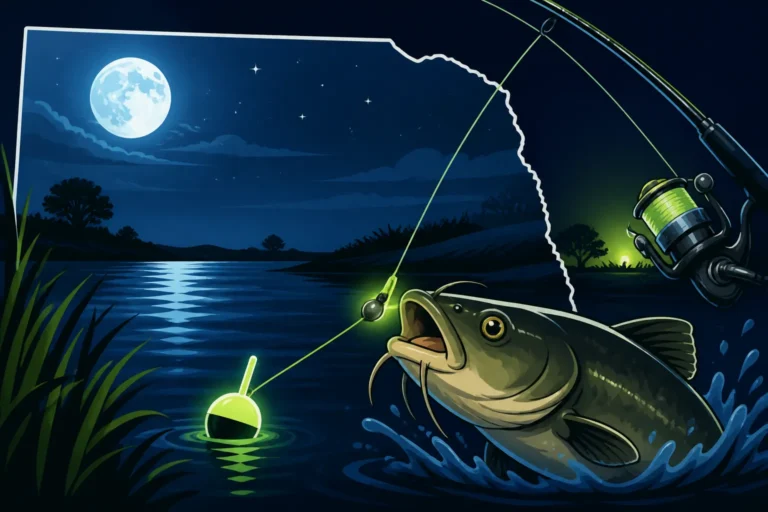
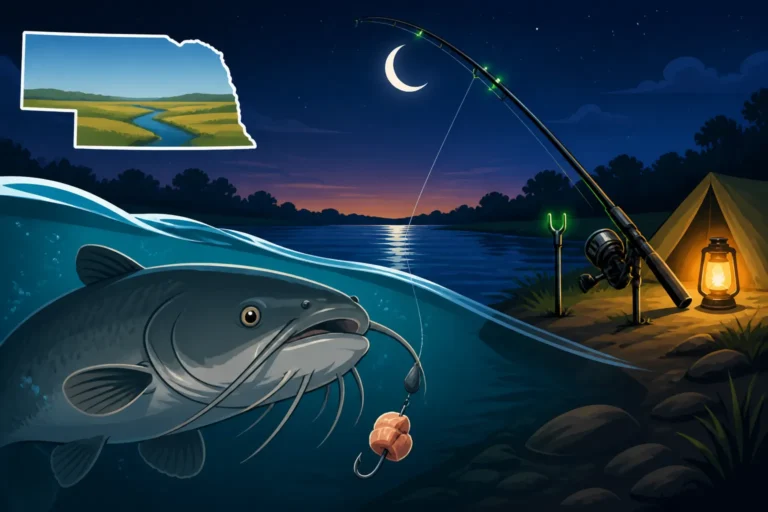
Flathead catfish are creatures of habit, and those habits shift dramatically once the sun dips below the horizon. During the day, they often hold tight to heavy cover, ambushing unsuspecting prey that wanders too close. But as darkness falls, their hunting instincts kick into high gear, and they become more active, moving out from their daytime lairs to patrol prime feeding grounds. This nocturnal shift is precisely why serious flathead anglers don't even bother much during the day.
Understanding Flathead Behavior After Dark
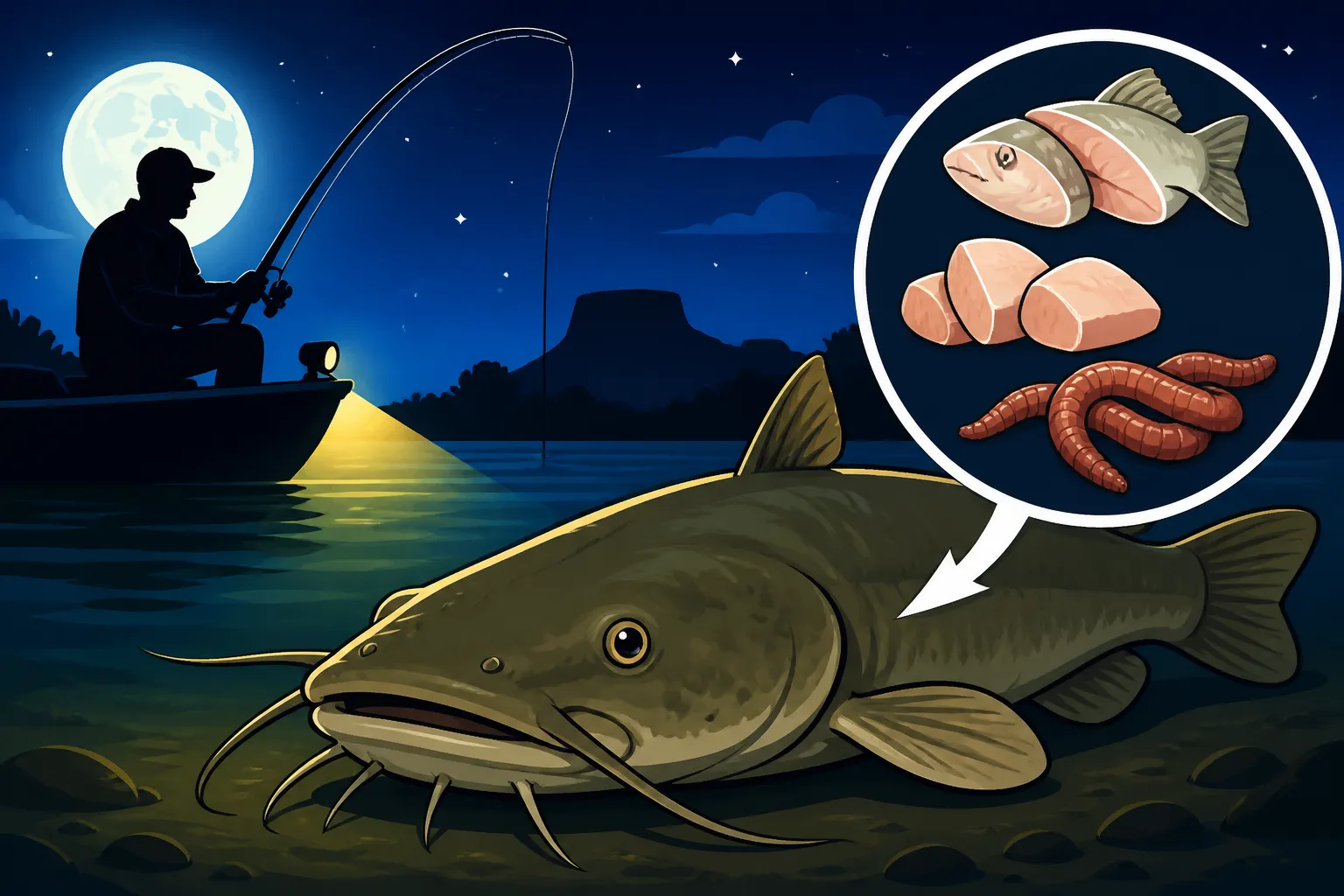
Unlike their opportunistic cousins, the channel catfish, flatheads are almost exclusively piscivorous, meaning they prefer live fish. They're not scavengers that readily hit stinky cut bait or dough balls. They want something wiggling, struggling, and emitting vibrations that scream "easy meal." At night, with reduced visibility, these vibrations and the frantic movements of a live baitfish become even more critical in attracting a flathead's attention. They rely heavily on their lateral line system to detect pressure changes in the water and their highly developed sense of smell to home in on struggling prey. This makes presentation and the vitality of your bait paramount.
The Thrill and Challenge of Nocturnal Catfishing
There's a certain magic to being out on the water or bank under a blanket of stars, waiting for that tell-tale thud on your rod. It’s quiet, peaceful, and often the best time to avoid the crowds. However, night fishing for flatheads comes with its own set of challenges. Navigating in the dark, tying knots by headlamp, and especially handling a massive, angry flathead in low light conditions, can be exhilarating and daunting all at once. It demands preparedness and a deep understanding of your target species. But when that rod bends double and the fight begins, every challenge melts away in the adrenaline rush. If you're looking to consistently connect with these powerful fish, understanding Nebraska night fishing rules is crucial to ensure a safe and legal outing.
Key Nebraska Waters for Night Flathead Pursuits
Nebraska is blessed with fantastic flathead habitat, particularly in its larger river systems and some of the bigger reservoirs with substantial riverine characteristics. The Missouri River, with its deep channels, wing dams, and abundant snags, is arguably the premier destination for trophy flatheads. The Platte River also holds a strong population, especially in its deeper stretches and around bridge pilings and log jams. Reservoirs like Lake McConaughy, Harlan County Reservoir, and Sherman Reservoir, particularly near river inflows or where submerged timber provides ample cover, can also produce excellent night fishing opportunities. These areas offer the perfect combination of food sources, current, and structure that flatheads seek.
The Absolute Best Live Baits for Flathead Catfish at Night
When it comes to flatheads, live bait isn't just a preference; it's practically a requirement. These fish are predators through and through, and they want their meal to be alive and kicking. Forget the stink bait for these guys – you need something with natural movement and scent. The key is finding baitfish that are hardy, readily available, and, most importantly, appealing to a flathead's predatory instincts.
Sunfish and Bluegill: The Undisputed Champions
Without a doubt, sunfish, especially bluegill, are considered by many seasoned flathead anglers to be the king of baits. Why? Several reasons. First, they are incredibly hardy. A bluegill hooked properly can stay alive and active on your hook for a long time, tirelessly swimming and sending out those critical vibrations that flatheads detect. Second, they are a natural food source in virtually every Nebraska waterway where flatheads exist, meaning flatheads are already accustomed to preying on them. Third, their bright colors and energetic movements make them highly visible and attractive even in the darkest water.
When you're rigging a bluegill, aim to hook it either through the back, just in front of the dorsal fin and above the lateral line, or through both lips. The back-hooked method allows them to swim naturally and stay off the bottom, while lip-hooking keeps them lively. For larger flatheads, don't be afraid to use a decent-sized bluegill, even up to 6-8 inches. A bigger bait often equals a bigger fish, and flatheads aren't shy about swallowing a hefty meal. You'll find that for many anglers, these panfish are the top choice among the best bait for Nebraska catfish when targeting flatheads.
Perch and Other Panfish as Prime Offerings
While bluegill might be king, yellow perch run a very close second, especially in waters where they are abundant. Perch share many of the same desirable qualities as bluegill: they're tough, stay alive well on a hook, and are a natural prey item for flatheads. Their slender profile can sometimes make them an easier target for a flathead to engulf, particularly if the flathead isn't enormous.
Beyond bluegill and perch, other panfish like green sunfish or even smaller crappie can be effective. The main thing is to ensure they are legal to use as bait in your specific fishing area and that they are healthy and lively. Avoid using stressed or sickly looking baitfish, as they won't attract the attention you want and are less likely to survive long enough to draw a bite. Remember to check local regulations on baitfish collection and use – some states have restrictions on using game fish as bait or transporting live bait across water bodies to prevent the spread of aquatic invasive species.
Bullheads and Suckers: Durable and Desirable Options
When you need a bait that can withstand the current of a big river or the attention of smaller nuisance fish, bullheads are an excellent choice. Black bullheads, in particular, are incredibly resilient. They can survive in less-than-ideal water conditions, and their tough skin means they stay on the hook remarkably well, even after an aggressive cast or a bump from a curious fish. Their hardy nature makes them a favorite for anglers fishing in heavy cover or strong currents where other baitfish might quickly tire or get ripped off the hook.
Smaller suckers, like creek chubs or white suckers, are also fantastic flathead baits. They have a natural elongated profile that flatheads find appealing, and they're generally tough enough to stay alive and active. Look for suckers in the 4-8 inch range, depending on the size of flatheads you're targeting. The key with both bullheads and suckers, like all live bait, is ensuring they are fresh, lively, and in good health when you present them to a waiting flathead. Both of these options provide a powerful scent trail and vibrations that a hungry flathead can't ignore in the dark.
| Bait Type | Hardiness | Scent/Vibration | Best Size Range (inches) | Pros | Cons |
|---|---|---|---|---|---|
| Bluegill | Excellent | High | 4-8 | Very lively, natural food, common | Can be picked at by smaller fish |
| Yellow Perch | Excellent | High | 3-7 | Streamlined, natural food, common | May be less available in some waters |
| Bullhead | Superior | Moderate | 4-7 | Extremely tough, survives well, hardy | Less active swimmers than sunfish |
| Sucker | Good | Moderate | 4-8 | Natural profile, good scent | Can be fragile if not handled carefully |
| Carp (small) | Good | Moderate | 4-7 | Very hardy, can be abundant | Sometimes less preferred than panfish |
Sourcing and Keeping Your Live Bait Fresh
Having the best bait in the world won't do you any good if it's dead or dying when you cast it out. Flathead catfish are discerning predators; they want a lively, struggling meal, not something that looks like it's already had a rough night. Properly sourcing and maintaining your bait is just as crucial as choosing the right species.
Catching Your Own Bait: Methods and Regulations
For many dedicated flathead anglers, catching their own bait is part of the ritual. It ensures the bait is as fresh and lively as possible, and it can save you money. Small minnow traps, cast nets (where legal), or even a simple hook and line with a tiny piece of worm can be effective for catching panfish like bluegill or small bullheads. Look for these baitfish in shallow areas, around docks, or near vegetation.
Before you even think about setting a trap or casting a net, you absolutely must familiarize yourself with the Nebraska Fishing Regulations Explained for baitfish. There are strict rules about what species can be used as bait, size limits, and how many you can possess. For example, using game fish as bait might be prohibited in certain waters, or there could be rules against transporting baitfish from one body of water to another to prevent the spread of aquatic invasive species. Always carry your Nebraska Fishing License Guide and know the rules for the specific body of water you're fishing. It's better to be safe than sorry – a conservation officer won't hesitate to issue a fine for bait violations.
Buying Live Bait: What to Look For
If catching your own bait isn't feasible, many bait and tackle shops around Nebraska will carry suitable live bait. When buying, be critical. Look for baitfish that are active, swimming strongly, and show no signs of stress, disease, or injury. Avoid tanks with dead fish floating around or those that look cloudy or dirty. A reputable bait shop takes pride in healthy bait.
Talk to the staff about what they recommend and what's been working for flatheads in local waters. They often have the most up-to-date information. While you're there, you might also pick up some essential catfishing gear like heavy-duty hooks or sinkers. You can often find a good selection of specialized bait containers and aeration pumps online at retailers like Amazon, which are crucial for keeping bought bait healthy on the trip to the lake.
Essential Bait Keeping Tips for a Successful Night
Keeping your bait alive and frisky is paramount. A good bait bucket or livewell is your best friend. For bank anglers, a large, insulated bait bucket with a battery-powered aerator is a must-have. These aerators, readily available on platforms like Amazon, infuse oxygen into the water, preventing your bait from suffocating. Change the water regularly, especially if it starts to look cloudy or if fish appear stressed. Cooler water holds more oxygen, so adding a small, frozen water bottle (not ice, which can shock fish and contain contaminants) can help keep the temperature down on warm nights.
For boat anglers, a well-circulated livewell is ideal. Ensure your livewell is clean and that the water is being constantly refreshed or aerated. Overcrowding your bait is a common mistake; give your baitfish plenty of space to reduce stress. A few healthy, lively baits are far more effective than a bucket full of sluggish, dying ones. Remember, flatheads want a fight, and you need your bait to be ready to put on a show!
Rigging Techniques to Maximize Your Night Bite
Once you've got your perfect, lively bait, the next step is presenting it effectively. A poorly rigged bait can either die quickly, swim unnaturally, or be easily ignored by a flathead. The goal is to keep the bait alive, allow it to move naturally, and ensure your hook-up ratio is as high as possible. When chasing these powerful fish, having the best rod setup for Nebraska catfish is a game-changer.
The Classic Carolina Rig for Flatheads
The Carolina Rig is a staple for flathead fishing, and for good reason. It’s simple, effective, and allows your baitfish to swim freely while keeping your weight on the bottom. To construct a Carolina Rig, you’ll slide an egg sinker (or a no-roll sinker, which is great in current) onto your main line, followed by a bead. The bead protects your knot from the sinker's abrasion. Next, tie on a heavy-duty swivel. From the other end of the swivel, attach a leader of strong monofilament or fluorocarbon line, typically 18-36 inches long, using a Palomar or uni-knot. Finally, tie on a sturdy circle hook or J-hook. Many anglers find the Best Circle Hooks for Catfish Fishing to be superior for flatheads as they reduce gut-hooking and often result in a solid hookset in the corner of the fish's mouth.
This rig excels because the sinker holds your bait in the strike zone, but the long leader lets the baitfish swim around naturally, attracting attention. Hook your live bait through the back, just above the lateral line but below the spine, or through both lips, ensuring the hook point is fully exposed. This allows for maximum movement and a clear path for the hook to set.
Slip Sinker Rigs for Subtle Presentations
A variation of the Carolina Rig, often just called a slip sinker rig, is also highly effective. This rig uses the same components but is particularly useful when flatheads are being finicky or when you need a more subtle presentation. The main difference is that the weight is allowed to slide freely up and down your main line, allowing the fish to pick up the bait and swim off without feeling the resistance of the sinker. This is particularly important when fishing for cautious flatheads at night.
For this rig, you'll still use an egg sinker or no-roll sinker, but it's typically followed by a small bobber stop or a second bead to prevent it from sliding down to your hook. This setup gives the fish a bit more slack to take the bait before encountering any resistance. It’s especially good for the patient angler who waits for the flathead to truly commit to the bait. The rest of the setup—swivel, leader, and hook—remains the same as the Carolina Rig. This works great whether you're boat fishing or practicing How to Catch Channel Catfish From the Bank, allowing your bait to present naturally.
Heavy Duty Gear for Battling Big Flatheads
You cannot effectively fish for flatheads with light tackle. These fish are incredibly powerful, and they live in unforgiving environments filled with snags, rocks, and submerged timber. You need a robust setup that can handle big fish and the heavy cover they call home. A medium-heavy to heavy action rod, typically 7-10 feet long, paired with a sturdy baitcasting reel capable of holding a substantial amount of heavy mono or braided line (at least 30-50 lb test, often more for braided) is essential.
When you get a bite from a big flathead, you need to be able to turn its head and keep it out of snags. This isn't a finesse game; it's a brute force battle. Your hooks should be strong and sharp, ideally 7/0 to 10/0 circle hooks, designed to penetrate tough mouths. Don't skimp on quality when it comes to hooks. Consider investing in the Best Catfish Gear for Nebraska Rivers, which often includes specialized rods, reels, and terminal tackle designed for these powerful fish. And always, always have a quality landing net, like one of the Best Landing Nets for Big Fish, ready for when you bring that monster to the bank or boat.
Advanced Tips and Common Mistakes to Avoid
Night fishing for flatheads is an art as much as a science. While the right bait and rigging are foundational, success often hinges on understanding subtle nuances and avoiding common pitfalls. These additional insights can significantly improve your chances of hooking into that trophy flathead.
Reading the Water: Where to Place Your Bait at Night
Knowing where to cast your bait is critical. Flatheads are ambush predators, so they're often found near structure where they can hide and wait for prey. This means targeting log jams, submerged trees, rock piles, bridge pilings, and sharp current breaks. In rivers like the Platte or Missouri, look for outside bends in the river where current carves out deeper holes and creates eddies. These are prime hunting grounds.
At night, flatheads will often move slightly shallower or closer to current breaks than they might during the day. Don't be afraid to experiment with different depths and distances from the bank or structure. Use multiple rods (where legal) to cover different depths and areas until you find where the fish are holding. Remember that flatheads don't chase their food far; they wait for it to come to them. So, putting your bait directly in their living room is key. This often means getting your bait right up against or just slightly downstream of cover. This approach also applies to How to Fish Overnight for Catfish, where patience and precise bait placement are rewarded.
Patience and Persistence: The Flathead Angler's Virtues
Flathead fishing, especially at night, is not for the impatient. You might go for hours without a bite, only to have a flurry of activity in a short window. These fish are not always actively feeding; sometimes they just sit and wait. You might need to leave your bait in one spot for an hour or more before a flathead decides to investigate. Resist the urge to constantly check your bait or move it unless you suspect it's dead or in a dead zone.
Setting up multiple rods with different baits and in various prime locations can help you cover more water and increase your odds. Make sure to have sturdy rod holders if you're fishing from the bank, as a flathead strike can be sudden and powerful, easily yanking an unsecured rod into the water. The best strategy for Nebraska Flathead Catfish Fishing often revolves around this blend of strategic bait choice, patient waiting, and precise placement.
Legalities and Best Practices for Night Fishing
Always, always double-check the current Nebraska fishing regulations before heading out for a night session. Rules regarding legal fishing hours, limits on the number of rods you can use, and restrictions on bait types can change. For example, some areas might have specific regulations on night fishing or require additional permits for certain activities. Stay informed by consulting the Nebraska Game and Parks Commission website or the annual fishing guide.
Beyond the legalities, practice responsible angling. Pack out all your trash, including discarded fishing line and bait containers. If you plan to release fish, handle them carefully and quickly. Larger flatheads are often older fish and contribute significantly to the breeding population; consider releasing them after a quick photo. Use a large, wet landing net or gloves when handling them to protect their slime coat. Having a pair of heavy-duty pliers can also be really helpful for hook removal. Respect the environment and other anglers, and remember that leaving the spot better than you found it ensures good fishing for future generations.
Disclaimer
Please remember that fishing regulations, conditions, and best practices can change. Always consult the latest Nebraska Game and Parks Commission regulations before heading out on any fishing trip. This guide is for informational purposes only and does not constitute legal advice or endorsement of any specific product or practice.