Best Nebraska Fishing Spots for Beginners
Stepping into the world of fishing in Nebraska can feel a little overwhelming when you're just starting out. With so many lakes, rivers, and ponds, figuring out where to even drop a line without getting frustrated by complex conditions or lack of fish is a genuine challenge. This guide is here to cut through the confusion, offering a realistic look at the best, most beginner-friendly fishing spots across the state, ensuring your first experiences are fun, successful, and inspire a lifelong passion for angling.
Why Choosing the Right Spot Matters for New Anglers
As a beginner, it’s easy to get caught up in the excitement of wanting to catch a trophy fish or explore remote waters. But trust me, that’s a recipe for frustration when you’re still learning the ropes. Your initial fishing trips should be about building confidence, understanding the basics, and, most importantly, enjoying the peace and quiet that comes with being out on the water. Picking the right spot isn't just about finding fish; it's about finding a place that supports your learning journey and minimizes common beginner pitfalls.
Safety First: Understanding Easy Access and Calm Waters
When you're new to fishing, safety and ease of access are paramount. Imagine lugging a heavy tackle box and rods over uneven terrain, only to find yourself at a bank that's too steep or slippery. It's not just annoying; it can be dangerous. Beginner-friendly spots typically offer paved parking, well-maintained paths, and sturdy fishing piers or gentle shorelines that are easy to navigate. These features reduce physical exertion and allow you to focus on your casting and reeling techniques, rather than worrying about stumbling or losing your footing.
Calm waters are another huge advantage. Fast-moving rivers or large, windy reservoirs can present challenges even for experienced anglers, making casting difficult and creating complex currents that affect how your bait behaves. For a beginner, a placid pond or a sheltered cove on a larger lake offers a much more forgiving environment. You can easily observe your bobber, feel subtle bites, and manage your line without fighting against strong currents or waves. This makes the entire experience much more enjoyable and less prone to tangles or lost gear, which can be disheartening for anyone just starting out.
Catching Confidence: Waters Known for Consistent Bites
Let's be honest: nothing builds confidence like actually catching a fish! While every fishing trip has its ups and downs, certain spots in Nebraska are renowned for their consistent action, particularly for species that are eager to bite and plentiful. These are typically waters that are regularly stocked or naturally hold high populations of panfish like bluegill and crappie, or even smaller bass and channel catfish. You might not be landing a record-breaker every time, but getting those frequent nibbles and catches keeps the excitement alive and reinforces your efforts.
Think of it this way: if you spend hours without a single bite, you’re far more likely to get bored or discouraged. But if you’re pulling in bluegill after bluegill, even small ones, you’re practicing your hook-setting, reeling, and fish-handling skills. This hands-on experience is invaluable. These "high-success" spots often mean you don't need highly specialized gear or advanced techniques. A simple worm on a hook under a bobber can often do the trick, which is perfect for learning without feeling like you need to invest a fortune in tackle. Some online resources, like FishingBooker, can even help you find local guides who know these high-action spots and can provide invaluable one-on-one instruction.
Top Beginner-Friendly Fishing Locations Across Nebraska
Nebraska might be known for its vast farmlands, but it's also home to a surprising number of excellent fishing opportunities, many of which are perfect for those just dipping their toes into the angling world. The key is knowing where to look for those welcoming waters that offer a good chance of success without demanding years of experience. From urban oases to scenic state parks, Nebraska has plenty of spots designed to make your first fishing trips memorable for all the right reasons.
Urban Ponds: Convenient and Stocked Options
One of the absolute best starting points for any new angler in Nebraska is the network of urban ponds, particularly those managed by the Nebraska Game and Parks Commission (NGPC) as part of their Urban Fishing Program. These ponds are incredibly accessible, often located within city limits or just a short drive from major population centers like Omaha, Lincoln, Grand Island, and Kearney. The convenience factor cannot be overstated; you can often get to these spots after work or school for a quick fishing session without extensive travel planning.
What makes these urban ponds truly shine for beginners is their consistent stocking program. The NGPC regularly stocks these waters with a variety of species, most notably rainbow trout in the cooler months and channel catfish and bluegill throughout the warmer seasons. This means there's almost always something biting, drastically increasing your chances of success. They also tend to have excellent amenities, including paved parking, restrooms, picnic areas, and often accessible fishing piers. This makes them ideal for family outings, too. If you're wondering, "Nebraska Urban Fishing Program Stocked Ponds Near Me," a quick check on the NGPC website or a local tackle shop will give you the most up-to-date information on stocking schedules and locations. Remember, even in these convenient spots, you'll still need to follow the general Nebraska Fishing Regulations Explained and ensure you have a Nebraska Fishing License Guide in hand – yes, even for a quick trip to a city pond!
State Recreation Areas: Accessible Fun for the Whole Family
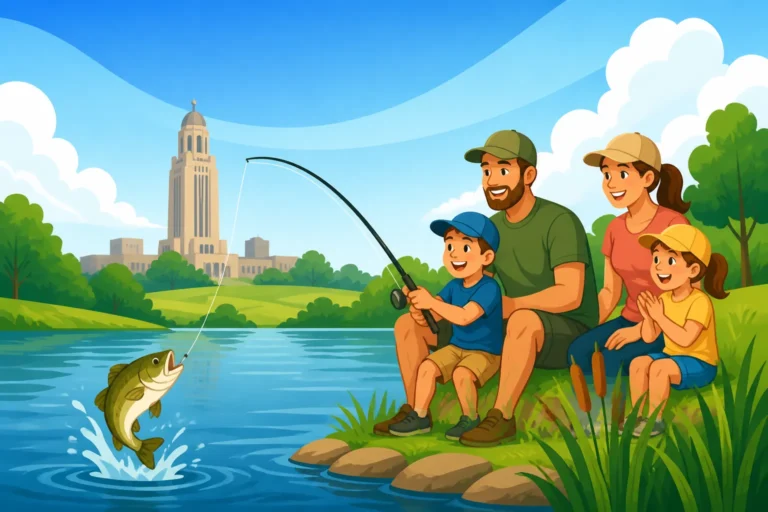
Nebraska's State Recreation Areas (SRAs) and State Parks are another fantastic resource for beginner anglers. These public lands often feature well-maintained lakes and ponds, designed with recreation in mind. You'll typically find ample parking, easy bank access, and frequently, designated fishing piers that provide safe and convenient spots to cast a line. The atmosphere at these locations is usually family-friendly, with many amenities beyond fishing, such as playgrounds, campgrounds, and hiking trails, making it easy to turn a fishing trip into a full day of outdoor adventure.
Many of these parks, like Fremont Lakes State Recreation Area Fishing, offer multiple water bodies, some of which are specifically managed for easy fishing. Species commonly found here include bluegill, crappie, largemouth bass, and channel catfish, all of which are generally willing biters, especially during their active periods. For example, Louisville State Recreation Area Fishing boasts several sandpit lakes that are perfect for bank fishing and are known for producing consistent catches of panfish and catfish. When planning a trip to one of these spots, it's a good idea to check the specific park's website for any local regulations or stocking information. Just be aware that most state parks and recreation areas require a park entry permit in addition to your Nebraska Fishing License Costs and Types.
Smaller Reservoirs and Lakes: Less Pressure, More Opportunity
While large reservoirs like Lake McConaughy are iconic, their sheer size and popularity can be daunting for beginners. Instead, consider focusing on Nebraska's numerous smaller reservoirs and lakes. These often provide a more intimate fishing experience with less boat traffic and fewer crowds, allowing you to learn and practice without feeling pressured. They still offer excellent fishing for a variety of species but in a more manageable setting.
Lakes such as Wagon Train Lake, Pawnee Lake, and Holmes Lake near Lincoln are prime examples. They're big enough to hold a healthy fish population but small enough that you can explore a good portion of the shoreline on foot. You'll find good populations of crappie, bluegill, bass, and catfish, with plenty of public access points, fishing piers, and often quieter coves. These lakes are also fantastic for "Best Nebraska Lakes for Bank Fishing With Kids," offering plenty of space for youngsters to cast without interference. Consulting resources like FishingBooker can help you find local insights or even local guides who specialize in these smaller, less intimidating waters. Many of these lakes also fall under the umbrella of "Nebraska State Parks With Fishing Ponds," blending the best of both worlds with good amenities and reliable fishing action.
Tips for a Successful First Fishing Trip in Nebraska
Alright, you've got your spot picked out, and the excitement is building! Now, let's talk about the practical side of making that first fishing trip to a beginner-friendly spot truly successful and, more importantly, enjoyable. It’s not just about what you catch, but the experience itself. A little preparation goes a long way in turning potential frustrations into lasting memories.
Simple Gear and Bait Recommendations
For beginners, simplicity is key when it comes to gear. You absolutely do not need the most expensive rod, reel, or tackle box filled with hundreds of lures. In fact, too many options can be overwhelming. A basic, inexpensive spinning rod and reel combo, often called a "spincast" or "closed-face" reel, is perfect. These are easy to cast and retrieve, minimizing frustrating tangles. Look for something like the "Best Rod and Reel Combo for Beginners in Nebraska" that comes pre-spooled with line – usually a 6 to 8-pound monofilament is ideal for panfish and smaller game fish.
When it comes to bait, forget the fancy stuff. Live bait is almost always the easiest and most effective choice for beginners, especially when targeting common species like bluegill, crappie, and catfish in Nebraska's urban ponds and smaller lakes.
Here's a quick rundown of reliable bait options:
| Species Targeted | Best Beginner Bait Options | Where to Find It |
|---|---|---|
| Bluegill & Sunfish | Worms (nightcrawlers, red wigglers), small crickets, corn | Bait shops, garden supply stores, your backyard |
| Crappie | Small minnows, worms, tiny jigs | Bait shops |
| Channel Catfish | Cut bait (dead minnows, hot dogs), chicken liver, stink bait | Bait shops, grocery store |
| Largemouth Bass (smaller) | Worms, small artificial soft plastics (worms, grubs) | Bait shops, sporting goods stores |
Using a simple hook (size 6-10 for panfish, size 2-4 for catfish), a small sinker to get your bait down, and a bobber to indicate bites is all you need. Keep your tackle minimal and organized in a small box or bag.
Understanding Basic Nebraska Regulations
Before you even think about casting, understanding the fundamental rules is crucial. Fishing without a license or violating regulations can lead to fines and spoil your day. For starters, nearly everyone over a certain age needs a permit. If you're wondering, "Do Kids Need a Fishing License in Nebraska?" the general rule is that residents 16 years and older and non-residents 16 years and older need a fishing license. Specific rules apply for mentored youth programs, so it's always best to check the latest Nebraska Game and Parks Commission regulations booklet or their website.
Beyond the license, familiarize yourself with basic statewide regulations, such as daily bag limits (how many fish of a certain species you can keep per day) and possession limits (how many you can have on hand). For most beginner-friendly spots and target species like bluegill or channel catfish, limits are generous, so you don't typically have to worry too much about hitting them unless you're having an exceptionally good day! Some locations might also have specific length limits (e.g., bass needing to be a certain size before you can keep them). The most comprehensive information can be found in the Nebraska Fishing Regulations Explained guide, which is a must-read for any angler. When in doubt, it’s always best to practice catch and release, especially if you’re unsure of the rules for a specific species or body of water.
Making the Most of Your Outing
Beyond the gear and regulations, making your first fishing trip truly enjoyable comes down to your mindset and preparation. Pack a small cooler with drinks and snacks – you'd be surprised how hungry and thirsty you get out on the water! Bring sunscreen, a hat, and insect repellent, especially in the warmer months. A small pair of pliers or a hook remover is invaluable for safely unhooking fish. Don't forget a camera to capture those first exciting catches!
Consider bringing a folding chair if you plan on bank fishing for extended periods. Patience is a virtue in fishing, but for beginners, consistent action helps. If one spot isn't producing, don't be afraid to move a short distance along the bank or to another pier. Early mornings and late evenings are often the best times to fish, as many species are more active then. Most importantly, go into it with an attitude of learning and having fun. It's okay if you don't catch a ton of fish on your first try. Every cast is a learning experience, and the joy of being outdoors, enjoying nature, is a huge part of why we love to fish in Nebraska. If you're ever feeling stuck or want to accelerate your learning, consider booking a short guided trip through a service like FishingBooker, where experienced local anglers can show you the ropes and the best local techniques, whether it's understanding Best Bait for Bluegill and Sunfish or just how to cast effectively. Learning "How to Teach a Kid to Fish in Nebraska" is also a great way to rekindle your own beginner's spirit and share the joy!
Disclaimer
Please note that fishing regulations, license requirements, and local conditions can change. Always consult the official Nebraska Game and Parks Commission website or their annual fishing guide for the most current and accurate information before planning any fishing trip. This guide is for informational purposes only.