Louisville State Recreation Area Fishing
It can be tough to find a fishing spot in Nebraska that offers a little bit of everything: easy access, diverse species, and amenities for the whole family, especially if you're looking for something close to the Omaha or Lincoln areas. Many anglers yearn for a convenient escape without a long drive, a place where they can reliably wet a line and have a good chance at a catch. This guide is dedicated to helping you unlock the full potential of Louisville State Recreation Area, making your next fishing adventure there both successful and stress-free.
A Deep Dive into Louisville State Recreation Area's Fishing Opportunities
Louisville State Recreation Area, nestled right off Highway 50 between Omaha and Lincoln, is a true gem for Nebraska anglers. It’s not just one lake, but a series of interconnected sandpit lakes that offer a fantastic variety of fishing experiences. This place really shines because it provides excellent opportunities for both the seasoned angler and families just looking to spend some quality time outdoors with a rod and reel in hand.
The Layout of the Lakes and Prime Fishing Locations
The recreation area boasts several distinct lakes, often simply numbered 1 through 5, each with its own character and fishing nuances. These aren't vast, deep reservoirs, but rather former sand and gravel pits, which means they have interesting contours, drop-offs, and plenty of cover near the shorelines.
Lake 1, often the first you encounter, is usually quite popular, offering easy access from paved paths and well-maintained fishing piers. It’s a great spot for panfish and frequently stocked with trout during the cooler months, making it a favorite for kids and those seeking a quick bite. Lakes 2 and 3 tend to be a bit quieter, with more natural shorelines and less immediate foot traffic. These can be fantastic for targeting bass and crappie, especially if you’re willing to walk a bit or bring a smaller boat. Lake 4 and 5 offer some of the best opportunities for channel catfish, especially towards evening and into the night. These lakes often have more submerged structure, like old timber or rock piles, that catfish love to hide around.
Shoreline access is generally excellent across all lakes, with plenty of spots to set up a camp chair and multiple designated fishing piers that extend into deeper water. For those with boats, electric motors are often preferred or even required on these smaller lakes to maintain the peaceful atmosphere and protect water quality. There are convenient boat ramps, typically well-marked, allowing for easy launch and retrieval. Remember, you can often find fantastic guides through services like FishingBooker who specialize in these local spots and can point you to the hottest areas.
What Fish Species Call Louisville Home?
Louisville SRA is a multi-species angler's paradise, offering a diverse array of fish to target throughout the year. It's truly impressive how many different types of fish thrive in these waters, catering to almost any angler's preference.
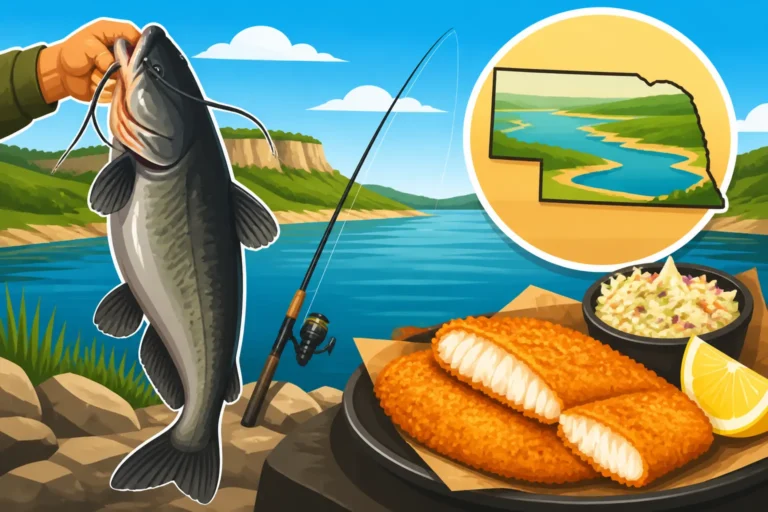
- Channel Catfish: These whiskered warriors are arguably the most popular target at Louisville. They grow to respectable sizes here, with many anglers reporting catches in the 3-10 pound range, and bigger ones certainly possible. They are abundant in all the lakes, favoring the deeper holes and submerged structures. They're particularly active during the warmer months and into the fall. If you're looking to learn more about how to specifically target these fish, check out our guide on how to Catch Catfish in Nebraska.
- Largemouth Bass: The sandpit lakes provide excellent habitat for largemouth bass, especially in areas with emergent vegetation, submerged brush, and drop-offs. Anglers regularly pull out bass in the 1-3 pound range, with occasional reports of true lunkers exceeding 5 pounds. The bass fishing really heats up in spring and early summer as they move into shallower water to spawn, and again in the fall as they feed aggressively.
- Crappie (Black and White): Both black and white crappie are present, offering exciting opportunities, particularly in spring. You'll find them schooling around submerged timber, brush piles, and the deeper edges of weed beds. They can be incredibly fun to catch on light tackle. If you plan on focusing on crappie, our article on How to Catch Crappie in Spring is a must-read.
- Bluegill and Other Panfish: For family fishing trips or just a relaxing day, bluegill, green sunfish, and other panfish species are abundant. They are eager biters and offer consistent action for anglers of all ages. These fish are found virtually everywhere, especially near docks, weed lines, and any form of submerged cover.
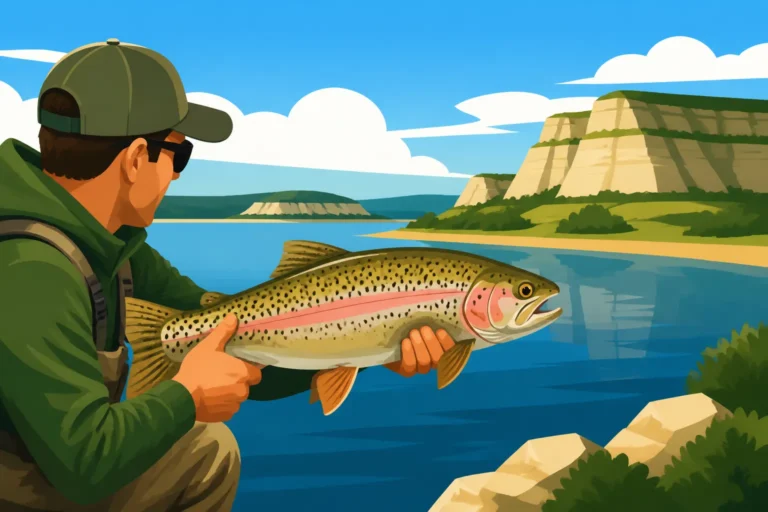
- Rainbow Trout: During the cooler months (typically fall through spring), the Nebraska Game and Parks Commission regularly stocks rainbow trout in some of the Louisville lakes, most notably Lake 1. This provides a unique cold-water fishing opportunity that many Nebraskans don't often associate with the state. These stocked trout provide excellent sport and table fare.
While walleye aren't a primary target species at Louisville, the techniques used for bass and crappie can sometimes cross over. It's always a good idea to consult the most recent stocking reports from the Nebraska Game and Parks Commission for the specific lakes within Louisville SRA, as stocking programs can change, especially for trout.
Navigating Fishing Regulations at Louisville SRA
Understanding the rules and regulations is crucial for a fun, legal, and responsible fishing trip. While Louisville State Recreation Area has specific local considerations, it also falls under the broader Nebraska fishing regulations.
Firstly, anyone 16 years of age or older needs a valid Nebraska Fishing License Guide to fish in Nebraska waters, including those at Louisville SRA. This applies to both residents and non-residents. You'll want to make sure your license is current for the season. For details on what you need, check out our comprehensive guide on Nebraska Resident Fishing License Requirements. In addition to the basic fishing permit, you'll also need an Aquatic Habitat Stamp. This stamp is vital for funding projects that improve Nebraska’s aquatic environments and is usually required in conjunction with your fishing license. You can learn more about this specific requirement in our Nebraska Aquatic Habitat Stamp Explained article.
Beyond the statewide regulations, Louisville SRA may have specific rules regarding length limits, daily bag limits, and methods of take that are unique to its lakes. For example, some lakes might have stricter length limits on bass or different bag limits for catfish than other bodies of water in the state. Always consult the latest Nebraska Fishing Guide, often available online from the Nebraska Game and Parks Commission or at local bait shops, before you cast your first line. It’s your responsibility to know what’s allowed, and a quick read can save you from a costly citation.
Finally, remember that Louisville SRA is a Nebraska State Recreation Area. This means a Do You Need a Separate Permit to Fish Inside a Nebraska State Park? is required for your vehicle to enter the park, in addition to your fishing license. This permit supports the maintenance and amenities of the entire state park system, which benefits anglers directly through improved access and facilities.
Top Fishing Techniques and Tips for Louisville's Waters
The beauty of fishing at Louisville State Recreation Area lies in its versatility. Whether you prefer to cast from shore, drop a line from a pier, or explore the waters in a kayak, there's a technique that will work for you. Adapting your approach to the specific conditions and species can dramatically improve your success rate.
Mastering Bank and Pier Fishing Strategies
Bank and pier fishing are incredibly popular at Louisville due to the excellent access. You don't need a fancy boat to have a productive day here. The key is understanding fish behavior in these sandpit lakes.
For panfish like bluegill and crappie, a simple setup is often the most effective. A light action rod with 4-6 lb test monofilament line, a small hook (size 8-12), and a bobber are all you need. Live bait, such as redworms, wax worms, or even corn kernels, are irresistible to these eager eaters. Try fishing near any visible structure – submerged logs, weed edges, or around the pilings of a fishing pier. Adjusting your bobber depth until you find the strike zone is crucial. Sometimes they're suspended just a few feet down, other times they're hugging the bottom.
When targeting channel catfish from the bank or a pier, you’ll want a heavier setup. A medium-heavy spinning or baitcasting rod with 10-20 lb test line is appropriate. A basic bottom rig with an egg sinker (1/2 to 1 oz, depending on cast distance needed) above a swivel, and an 8-12 inch leader with a circle hook (sizes 2/0 to 4/0) is a reliable choice. Popular baits include cut bait (shad, sunfish), chicken liver, prepared stink baits, or even large nightcrawlers. Cast your bait out towards deeper channels, drop-offs, or areas with current (if available) and let it sit. Catfish often bite best in the evenings and overnight, making Louisville an excellent spot for some Nebraska Night Fishing Rules if you’re up for it.
Largemouth bass can also be effectively targeted from shore. Look for areas with lily pads, submerged timber, or weed lines. Soft plastic worms (Texas-rigged or wacky-rigged), spinnerbaits, and shallow-diving crankbaits can all produce. Focus your casts along these covers, slowly working your lure to entice a strike. Early mornings and late evenings are often the best times for bass.
Boat and Kayak Fishing Advantages
While bank fishing is great, having a boat or kayak at Louisville State Recreation Area opens up even more possibilities, allowing you to reach untouched spots and cover water more efficiently.
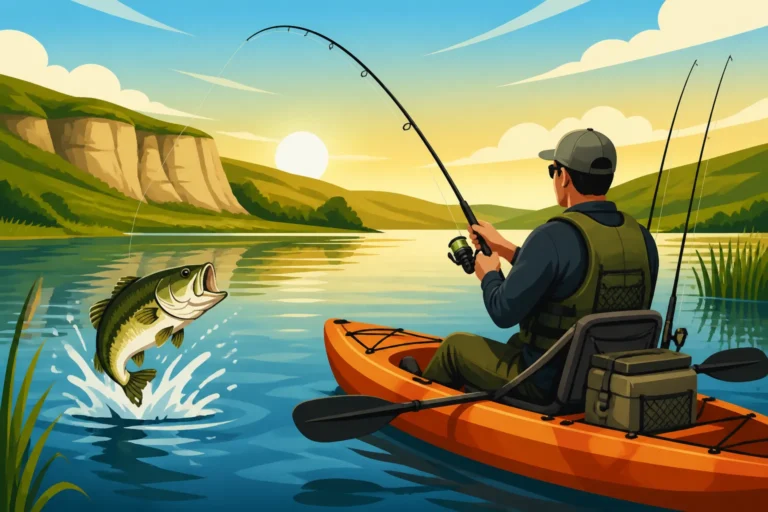
Since many of Louisville's lakes are smaller and often have horsepower restrictions (many are electric motor only), kayaks and small jon boats are perfect. They allow you to quietly sneak into coves and along shorelines that are inaccessible to larger vessels or bank anglers. This stealth is a huge advantage, especially for bass and crappie. Paddle or motor along weed lines, cast towards submerged brush piles, and explore the subtle contours of the lake bottom. Using a simple portable fish finder can help identify structure and schools of fish, even in relatively shallow water. You can find some fantastic fishing kayak options if you’re looking to get into the sport.
For bass and crappie, boat anglers can position themselves to cast into dense cover with precision. Try pitching jigs or soft plastics into submerged brush for crappie, or working topwater lures along the edges of lily pads for bass during low light conditions. Trolling small crankbaits or jigs can also be effective for locating crappie schools. For catfish, anchoring near known deep holes or along distinct drop-offs and deploying multiple lines with different baits can be highly productive.
Seasonal Fishing Hotspots and Approaches
The fishing at Louisville changes with the seasons, and knowing how to adapt your strategy can make all the difference.
- Spring Fishing in Nebraska: This is a prime time at Louisville. As water temperatures rise, crappie and bass move into shallower water to spawn. Look for crappie around brush piles and emerging vegetation, while bass will be in warming coves and near woody cover. This is also when the Nebraska Game and Parks Commission typically begins its trout stocking program in certain lakes, providing excellent action on small spinners, spoons, or powerbait. Our comprehensive guide on Spring Fishing in Nebraska offers even more detailed strategies.
- Summer Fishing in Nebraska: As temperatures soar, fish often move deeper or seek shade and oxygenated water. Early mornings and late evenings become crucial for bass and crappie. Catfish really hit their stride in the summer and are active throughout the day, but especially at night. Target them in the deeper sections of the lakes, particularly where there’s a thermocline or slightly cooler water. Focus on areas with submerged timber or deeper humps.
- Fall Fishing in Nebraska: This is another fantastic time to fish Louisville. As water temperatures begin to cool, many fish species enter a "feeding frenzy" to bulk up for winter. Bass and crappie will be aggressively feeding on baitfish, often moving into shallower flats during the day. Catfish remain active, often found in deeper water but willing to chase a meal. Trout stocking may resume in certain lakes, offering a bonus fishery. Our guide to Fall Fishing in Nebraska has more tips.
- Winter Fishing in Nebraska: When the ice is thick enough (always check ice conditions and safety guidelines!), Louisville lakes can offer exciting ice fishing opportunities for panfish, catfish, and even stocked trout. Panfish will often be found suspended in schools over deeper water, while catfish might hug the bottom. Small jigs tipped with wax worms or minnows are usually the ticket. Ensure you have proper ice fishing gear and prioritize safety above all else.
Planning Your Trip to Louisville State Recreation Area
A successful fishing trip isn't just about what bait you use; it's also about planning. Knowing what to bring, understanding park amenities, and timing your visit correctly can turn a good day into a great one. Louisville State Recreation Area offers a fantastic blend of convenience and natural beauty, making it an ideal spot for a planned outing.
Required Permits and What to Bring
Before you even load up the car, let's talk permits. As mentioned, everyone 16 years and older needs a valid Nebraska Fishing Permit. You can purchase these online through the GoOutdoorsNE system, or at various vendors across the state. In addition to your fishing permit, don't forget the Aquatic Habitat Stamp. These funds directly improve the very waters you'll be fishing!
Beyond the fishing license, remember that Louisville is a State Recreation Area. This means you'll need a Nebraska State Park Entry Permit for your vehicle. You can purchase this online, at the park entrance kiosk, or from certain Nebraska Game and Parks offices. It's often more economical to buy an annual permit if you plan on visiting any Nebraska state parks or recreation areas more than once a year.
As for what to pack, here's a quick checklist:
- Fishing Gear: Rods, reels, tackle box stocked with appropriate lures/baits (worms, minnows, cut bait, jigs, spinners, soft plastics, bobbers, sinkers, hooks).
- Cooler: Essential for keeping your catches fresh, and for your drinks and snacks.
- Chairs: A comfortable folding chair or two for bank fishing.
- Sun Protection: Sunscreen, a wide-brimmed hat, and polarized sunglasses are non-negotiables for a day on the water.
- Insect Repellent: Especially important during warmer months, as mosquitoes and other bugs can be plentiful near water.
- First-Aid Kit: For minor cuts, scrapes, or hook mishaps.
- Camera: To capture those memorable catches!
- Appropriate Clothing: Layers are always a good idea, as Nebraska weather can change quickly. Rain gear is wise to pack.
- Trash Bags: Pack it in, pack it out! Let's keep Louisville beautiful.
Beyond Fishing: Amenities and Nearby Attractions
Louisville State Recreation Area is much more than just a fishing hole. It’s designed as a full-service recreation area, perfect for extending your stay or entertaining non-fishing family members.
The park offers campgrounds with both electric and primitive sites, making it a great option for an overnight fishing adventure. Imagine fishing into the evening and then just walking a short distance back to your tent or RV. There are also well-maintained picnic areas with tables and grills, perfect for a shore lunch or dinner. Playgrounds are available for younger children, ensuring they have something to do if fishing isn't holding their attention all day.
Louisville's location is also a huge plus. It's conveniently situated near the Platte River, offering other outdoor opportunities like birdwatching or simply enjoying the river scenery. The small town of Louisville itself provides basic amenities, bait shops, and local eateries if you need to resupply or grab a meal. Being roughly equidistant from Omaha and Lincoln means that if you're looking for more robust dining or entertainment options, they're just a short drive away. If you're looking for a more personalized experience, you can even connect with local guides through platforms like FishingBooker who know the ins and outs of this area and can provide a tailor-made outing.
Best Times to Visit for a Successful Outing
Timing your visit to Louisville SRA can greatly influence your experience, both in terms of fishing success and crowd levels.
For optimal fishing, spring and fall are generally considered the best seasons. As noted, these periods see active feeding from most species, and the weather is typically more pleasant than the extremes of summer or winter. If you're specifically after trout, the stocking schedule will dictate your best times.
If you prefer a quieter experience and fewer crowds, aim for weekdays. Weekends, especially during pleasant weather, can see a significant increase in visitors, with popular fishing spots and picnic areas filling up quickly. Early mornings, even on weekends, are often the calmest and most productive times for fishing before the crowds fully arrive.
Always keep an eye on the weather forecast before heading out. High winds can make casting difficult and fishing uncomfortable, especially in a small boat or kayak. Heavy rains can muddy the waters, potentially impacting fishing success, though catfish sometimes become more active after a good rain. Conversely, stable weather patterns often lead to more consistent fishing.
By combining good planning with an understanding of Louisville's unique features, you're set for a truly rewarding Nebraska fishing adventure. If you're looking for more general information on fishing locations around the state, our article on Best Places to Fish in Nebraska provides a broader overview, but Louisville truly stands out for its accessibility and diverse offerings.
| Fish Species | Common Baits | Typical Locations | Best Season for Activity |
|---|---|---|---|
| Channel Catfish | Cut bait, chicken liver, prepared stink baits | Deeper holes, submerged timber, near inlets | Summer, Fall |
| Largemouth Bass | Soft plastics, spinnerbaits, crankbaits, topwater | Weed lines, submerged brush, drop-offs, lily pads | Spring, Summer, Fall |
| Crappie (Black/White) | Small jigs, minnows, wax worms | Brush piles, submerged timber, docks | Spring, Fall |
| Bluegill/Panfish | Worms, wax worms, corn, small jigs | Around docks, weed edges, shallow cover | All Year |
| Rainbow Trout | Powerbait, small spinners, spoons, worms | Stocked lakes (e.g., Lake 1), deeper cool water | Fall, Winter, Spring |
Disclaimer
Fishing regulations and conditions can change. Always consult the latest Nebraska Game and Parks Commission regulations and advisories before heading out on your fishing trip. This guide is for informational purposes only and does not constitute official legal advice.