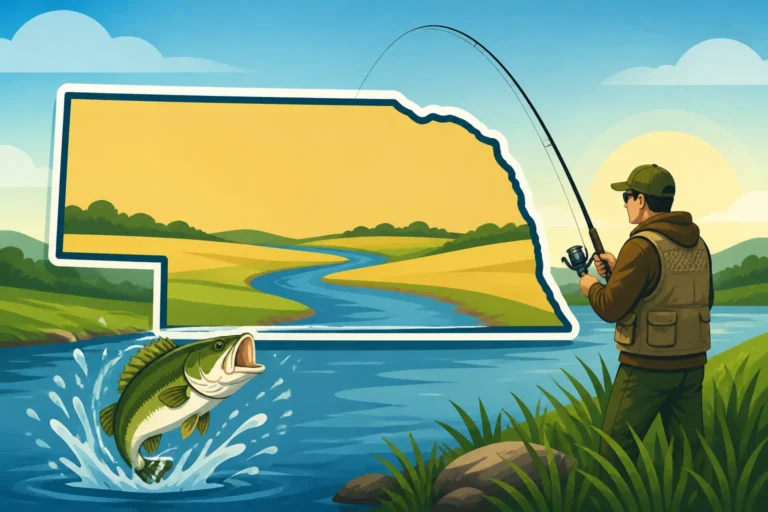
Nebraska Farm Pond Fishing Permission and Access
Ah, the Nebraska farm pond! There's something truly magical about the thought of it, isn't there? A hidden gem, often untouched by the crowds, teeming with fish that haven't seen every lure in the tackle box. But that dream can quickly turn into a frustrating reality when you realize these aren't public waters, and just showing up with a rod can land you in a heap of trouble. This guide is all about helping you respectfully navigate the world of private farm ponds in Nebraska, from understanding the rules to mastering the art of asking for permission, so you can enjoy these unique fishing opportunities without any unwelcome surprises.
The Allure of Nebraska Farm Ponds for Anglers
There's a reason why so many anglers dream of fishing a well-managed farm pond in Nebraska. It’s a completely different experience from the hustle and bustle of public lakes and rivers, offering a slice of tranquility and often, some truly incredible fishing.
Why Private Ponds Offer Unique Fishing Opportunities
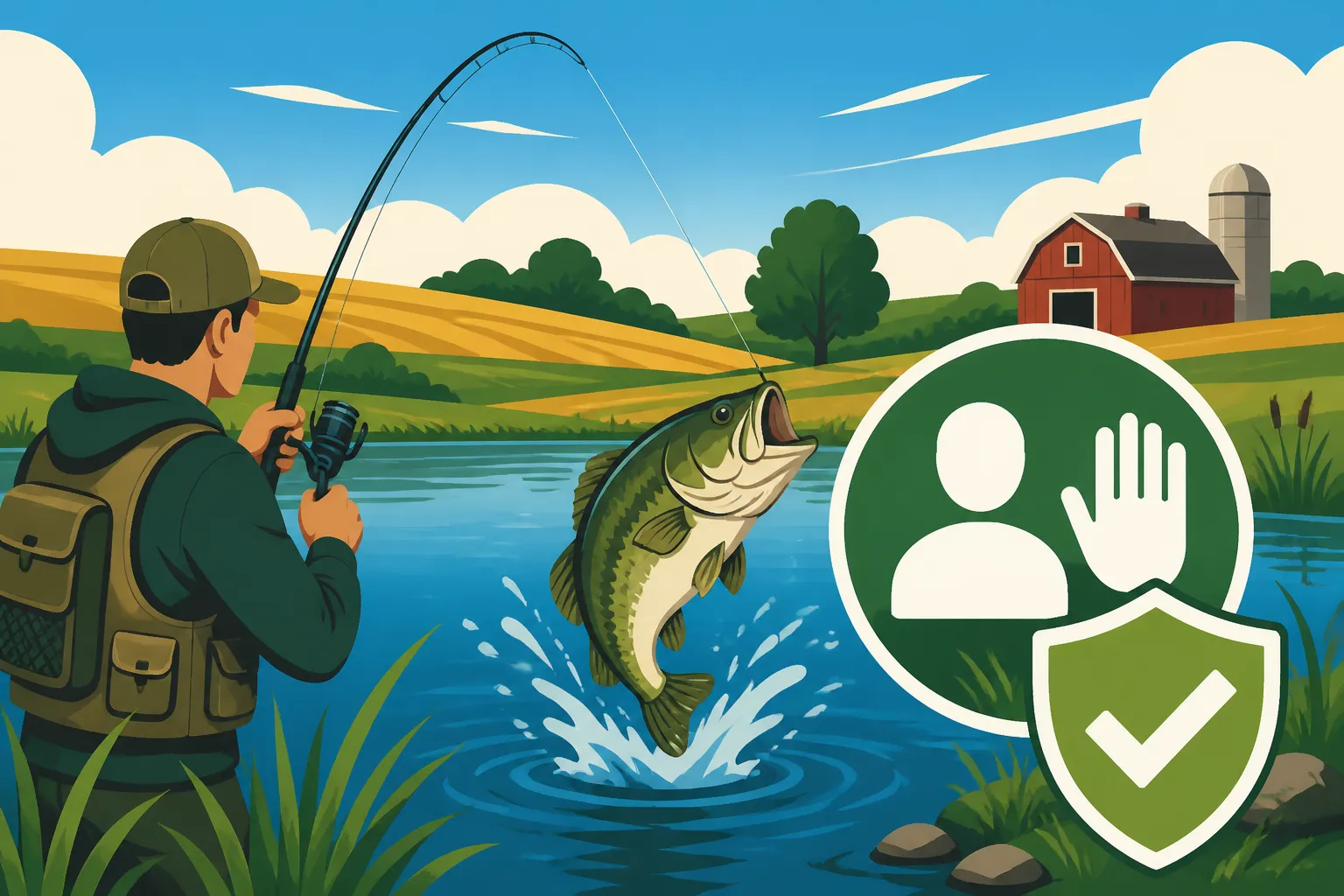
Imagine pulling up to a serene pond, surrounded by rolling farmland, where the only sounds are the rustle of the wind and the splash of a fish jumping. That's the typical scene at a private farm pond. What makes them so special? For starters, they are often less pressured. This means the fish haven't seen thousands of lures, making them less wary and often more willing to bite. You might encounter larger, healthier fish because they haven't been subjected to the same harvest rates as public waters. Many landowners manage their ponds specifically for fishing, stocking them with desirable species like big largemouth bass, chunky channel catfish, or abundant crappie. You can often find incredible Largemouth Bass Fishing in Nebraska or target hefty Channel Catfish Fishing in Nebraska that have grown to impressive sizes. It’s also common to find excellent Crappie Fishing in Nebraska in these secluded waters, offering a peaceful angling retreat away from the crowds.
Beyond the sheer fishing quality, there's the privacy. No battling for a spot at the boat ramp, no crowded shorelines, just you and the water. It’s a chance to truly unwind and connect with nature on your own terms. Many anglers find that the calm, secluded environment of a private pond significantly enhances their overall fishing experience.
The Hidden Challenges Beyond the Fence Line
While the dream of a private pond is enticing, the reality of gaining access comes with its own set of challenges. The biggest hurdle, of course, is that these are private properties. Landowners cherish their privacy and, understandably, have concerns about strangers on their land. There's the issue of liability – if someone gets hurt on their property, they could be held responsible. Then there's the fear of property damage, littering, or disrespect for their land or livestock.
Unknown regulations specific to private water can also be a point of contention. While state fishing licenses and general rules, such as those covered in the Nebraska Fishing Regulations Explained, still apply to harvested fish, landowners might have their own specific rules about what you can keep, how many, or even specific fishing methods. It's crucial to remember that their property is their sanctuary, and without explicit permission, that tempting stretch of water is strictly off-limits, no matter how inviting it looks.
Navigating the Legal Landscape of Private Property
Before you even think about approaching a landowner, it’s vital to understand the legalities surrounding private property in Nebraska. Ignoring these rules can lead to serious consequences, not just for you, but for the reputation of all anglers.
Understanding Nebraska's Trespassing Laws
In Nebraska, entering or remaining on private property without permission is considered trespassing. It's not just about obvious "No Trespassing" signs; the law generally assumes that land not open to the public is private. This means if you see a fence, a "Private Property" sign, or even just undeveloped land that doesn't clearly indicate public access, you should assume it's private and requires permission to enter.
The penalties for trespassing can range from fines to even jail time, depending on the severity and whether any damage occurred. More importantly, it creates a negative perception of anglers, making it harder for others to gain access in the future. Respect for private property is paramount. Always, always seek explicit permission before stepping foot on someone's land, even if it's just to "check out" a pond from a distance. A quick glance at the Nebraska Fishing Violation Penalties will show you that authorities take this seriously.
The Concept of "Private Water" vs. "Public Water"
This can sometimes be a bit confusing. In Nebraska, generally, if both banks and the streambed (or lakebed) are privately owned, the water body itself is considered private water. Even if a small stream flows through private land, if the landowner owns both sides, they typically control access to that water. This is distinct from navigable rivers or larger public lakes where access is guaranteed via public easements or boat ramps, like those you might use when fishing a place like Lewis and Clark Lake Fishing Guide.
However, even on private water, if you are harvesting fish, you are generally still required to possess a valid Nebraska Fishing License Guide and adhere to state bag and possession limits, unless the pond is entirely self-contained, not connected to other waters, and specifically managed as such by the landowner. It's always best to clarify this with the landowner and, if in doubt, follow all state licensing and regulation requirements.
The Art of Asking: Securing Farm Pond Access
So, you've spotted a promising pond, you understand the legalities, and now you're ready to make your move. The key to successful farm pond fishing permission lies in your approach. It's not just about asking; it's about building trust and respect.
Researching and Identifying Potential Ponds
You can't just pick any random farm pond. Start by looking at satellite maps like Google Earth or plat maps (available through county assessor offices) to identify potential ponds in areas you're interested in. Look for ponds that are clearly on private land, perhaps away from busy roads, which might indicate less pressure. Pay attention to properties that look well-maintained, as these landowners are often proud of their land and might be more open to sharing a well-kept resource.
Local connections are invaluable. Talk to bait shop owners, local farmers, or even friends and family who live in rural areas. They might know landowners who are open to granting access or can point you in the direction of someone who might be receptive. You might learn about excellent fishing opportunities close to well-known spots, like an untapped pond near one of the Best Fishing Spots Near Omaha. This kind of personal referral is often far more effective than a cold call.
Crafting Your Approach: In-Person is Best
This isn't a task for a quick phone call or an anonymous email. The best way to ask for permission is in person. It allows the landowner to meet you, size you up, and build a foundational level of trust.
Here's how to approach it:
- Timing is key: Don't show up during dinner, early morning, or late evening. Mid-morning or early afternoon on a weekday is often a good time when they're likely to be around but not stressed by chores or family time.
- Dress respectfully: You don't need a suit, but clean, presentable clothes show you're serious and respectful. Avoid looking like you just rolled out of bed or came straight from a muddy field.
- Be polite and introduce yourself: Start with a simple, "Hello, my name is [Your Name], and I live in [Your Town/Area]. I was wondering if I could speak with you for a moment?"
- Be clear about your intentions: Explain that you are an avid angler and you've noticed their beautiful pond. State clearly that you are seeking permission to fish. Emphasize that you understand it's private property and respect their ownership.
- Offer something in return: This isn't always necessary, but it can go a long way. Maybe offer to help with a chore, share some of your catch, or even just promise to close all gates and leave the property cleaner than you found it. Some landowners might be interested in having someone help manage their fish population by removing smaller fish, or they might appreciate a friendly face checking in on their property occasionally.
What to Discuss with the Landowner
If the landowner seems receptive, this is your chance to solidify the agreement and clarify expectations. Don't rush this conversation; it's vital for a good relationship.
Here's a checklist of things to discuss:
- Boundaries: Exactly where can you go? Are there certain areas to avoid (e.g., near the house, livestock pastures, specific fields)?
- Access points: Where should you park? Which gate should you use?
- Times and frequency: When is it okay to fish? How often? Is it okay to fish for a few hours or a whole day?
- Fishing methods: Any restrictions on bait (e.g., no live bait that could introduce disease), lures, or number of poles?
- Catch and release vs. harvest: What are their preferences? Do they want you to keep certain species or sizes to help manage the pond, or prefer catch and release? Be sure to understand Nebraska Fishing Daily Bag and Possession Limits as a baseline, but know their rules might be stricter.
- Gates and livestock: Emphasize that you will always close gates and be mindful of any animals.
- Trash: Reassure them you will leave absolutely no trash behind.
- Contact information: Offer to exchange phone numbers so you can call if there's ever a question or an emergency.
- Liability: Some landowners might want you to sign a simple waiver, though a verbal agreement is often sufficient for casual access. Be prepared to discuss this, but don't push if they're uncomfortable.
By having this open dialogue, you establish clear expectations and demonstrate your respect for their property and their generosity.
Utilizing Platforms or Local Guides for Access
Sometimes, a direct approach doesn't pan out, or you're just not comfortable cold-calling landowners. In such cases, there are alternative routes to experiencing private water fishing. Some local fishing guides in Nebraska have established relationships with landowners and offer guided trips to private ponds. These guides often have specialized knowledge of these waters and the fish within them.
You can sometimes find such opportunities by searching on platforms like FishingBooker. While FishingBooker primarily lists guides for larger, public bodies of water, a careful search or direct inquiry with guides listed for a specific region of Nebraska might reveal options for private pond fishing. These trips usually come with a fee, but they provide legal, hassle-free access to potentially excellent fishing and often include all the necessary gear and expertise. It's a structured way to fish private waters when a direct landowner connection isn't feasible, offering a different kind of Nebraska Pond Fishing Techniques experience where all the access work is already done for you.
Being a Responsible Angler and Guest
Securing permission is just the first step. The true test of a good angler on private land is how you act once you're there. Your actions will determine if you, or perhaps other anglers, ever get to fish that pond again.
Key Rules for Maintaining Access
Think of it this way: you're building a reputation. Each time you visit, you're either reinforcing trust or eroding it.
- Always honor the agreement: Stick to the boundaries, times, and fishing methods you discussed. If you said you'd only fish for an hour, don't stay for three.
- Leave no trace: This cannot be stressed enough. Pack out everything you pack in, and if you see any stray litter (even if it wasn't yours), pick it up. A good guest leaves the property cleaner than they found it.
- Respect their property: Drive slowly on gravel roads, don't damage crops, fences, or natural vegetation. Be mindful of noise, especially near their home.
- Beware of livestock and pets: Give animals a wide berth. Close all gates – this is absolutely critical. Failure to do so can lead to livestock escaping, which is a huge problem for farmers.
- Don't bring uninvited guests: If you want to bring a friend, ask the landowner first. Never assume it's okay.
- Follow all state regulations: Even on private land, if you’re keeping fish, ensure you have your Nebraska Fishing License Requirements in order and are adhering to species-specific limits, such as How to Catch Bluegill in Nebraska Ponds or Nebraska Walleye Bag Limits, unless specifically exempted by the landowner on a truly private, closed system pond (which is rare and should always be clarified).
- Keep communication open: If your plans change, let them know. If you notice something amiss on their property (like a broken fence or a sick animal), politely inform them. This shows you care.
Building Long-Term Relationships
A one-time fishing trip is great, but wouldn't it be even better to have ongoing access? Building a long-term relationship with a landowner is the goal.
- Express gratitude: A simple "thank you" goes a long way. After your trip, consider sending a short text or stopping by to thank them again. A small gesture, like sharing some of your catch or a thoughtful card around the holidays, can reinforce your appreciation.
- Be reliable: If you say you'll be there at 10 AM, be there. If you say you'll leave by dark, leave by dark. Consistency builds trust.
- Offer updates (if appropriate): Some landowners enjoy hearing about what you caught. If they're interested, share photos or stories from your trip. It helps them feel invested in the experience.
- Understand their needs: If they have a busy season (like planting or harvest), offer to stay away during those times. Being considerate of their work schedule shows respect.
By being a model guest, you not only secure your own future access but also help to foster positive relationships between landowners and the wider angling community. This makes it more likely that other private pond opportunities might open up down the line, benefiting everyone who values respectful access to Nebraska's fantastic fishing spots.
Farm Pond Access: Dos and Don'ts
Here's a quick summary to keep in mind when seeking and using farm pond access in Nebraska:
| DOs | DON'Ts |
|---|---|
| Do research the property and landowner. | Don't trespass or assume access. |
| Do approach landowners in person. | Don't call at inconvenient times. |
| Do dress neatly and be polite. | Don't be vague about your intentions. |
| Do clearly state your fishing request. | Don't bring extra people without asking. |
| Do ask about boundaries and rules. | Don't leave any trash behind. |
| Do offer something in return. | Don't disturb livestock or crops. |
| Do close all gates, every time. | Don't break any part of your agreement. |
| Do thank the landowner sincerely. | Don't overstay your welcome. |
| Do follow state fishing regulations. | Don't damage property or vegetation. |
| Do consider a guide via FishingBooker. | Don't fish outside agreed-upon areas. |
Disclaimer
The information provided in this guide is for general informational purposes only and does not constitute legal advice. Fishing regulations and private property laws can change, and interpretations may vary. Always consult the latest Nebraska Game and Parks Commission regulations and, when in doubt about private property access, seek explicit permission from the landowner or legal counsel. Fishing on private property without permission is trespassing and can lead to legal penalties.