Nebraska Fishing Weather and Barometric Pressure Tips
There's nothing quite as frustrating as heading out to your favorite Nebraska fishing hole, armed with all the right gear and knowledge, only to find the fish have developed lockjaw. Many anglers blame luck, but often, the real culprit is something invisible: the weather, particularly changes in barometric pressure. Understanding how these atmospheric shifts affect fish behavior can be the difference between a disappointing day and a triumphant haul, transforming you from a hopeful angler to a strategic one. This guide will demystify the complex relationship between Nebraska's ever-changing weather patterns, barometric pressure, and how fish react, giving you the insights to make every cast count.
The Basics of Barometric Pressure and Fishing
Before we dive into how fish react, let's get a handle on what barometric pressure actually is and why it matters in the world of fishing. It's not just a fancy term; it's a fundamental force impacting every living thing on Earth, including our finned friends.
What is Barometric Pressure?
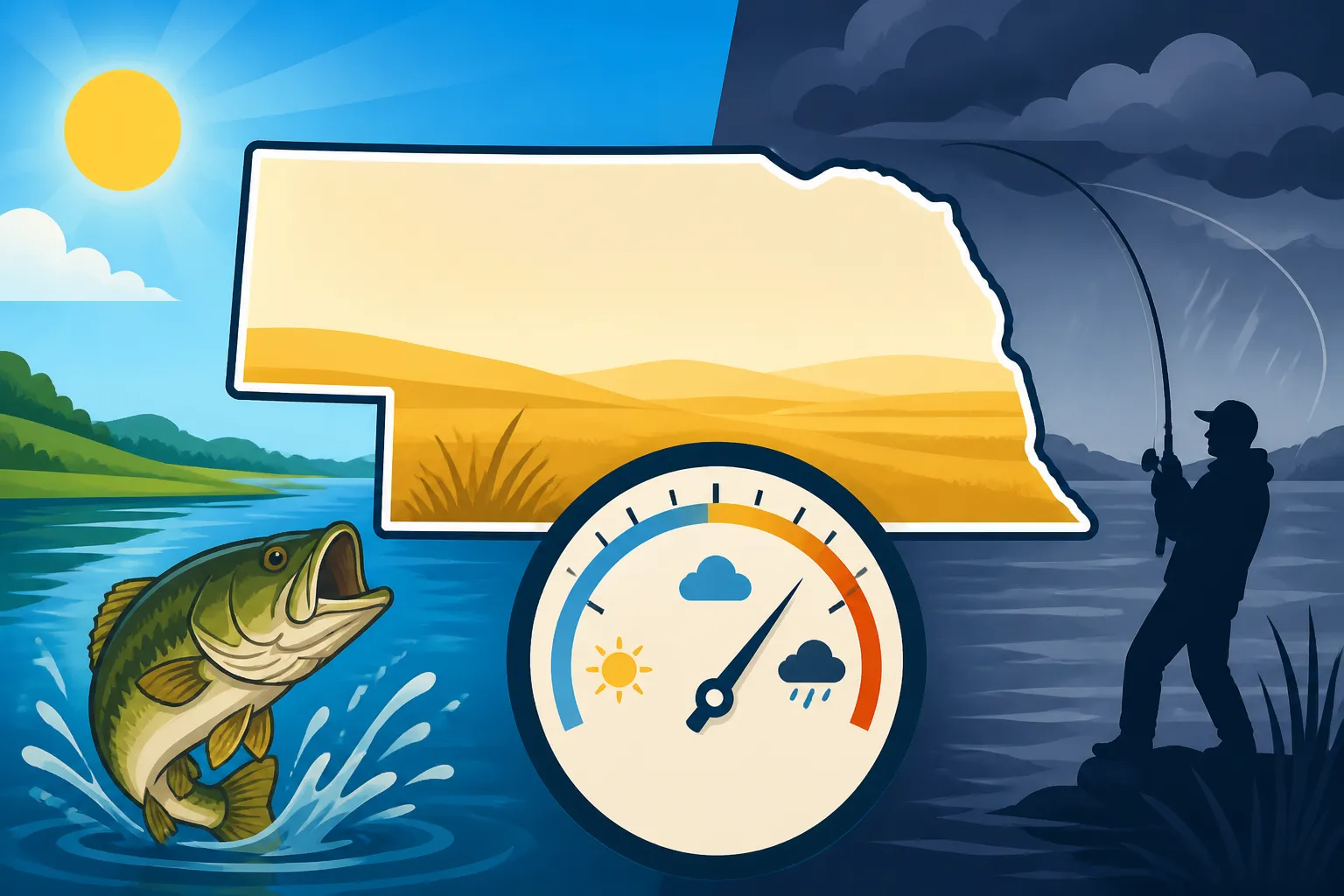
Barometric pressure, simply put, is the weight of the air column pushing down on the Earth's surface. Think of it like an invisible blanket of air pressing down on everything. It's measured in inches of mercury (inHg) or millibars (mb). When weather systems move in or out, this pressure changes. A high-pressure system means more air is pushing down, creating a stable, often clear-sky condition. Conversely, a low-pressure system indicates less air weight, usually bringing cloudy, stormy, or otherwise unsettled weather.
For fish, especially those with an air-filled swim bladder – which most game fish like walleye, bass, and crappie have – changes in this external pressure are directly felt. Their swim bladder helps them maintain buoyancy at different depths. When the outside pressure changes rapidly, it can cause discomfort as their internal bladder tries to adjust. Imagine taking a ride in an airplane; your ears pop due to pressure changes. Fish experience something similar, but it affects their ability to comfortably hold a certain depth and can influence their overall metabolic rate and willingness to feed. This subtle atmospheric shift has a profound effect on where they are in the water column and how active they might be.
How Fish React to Pressure Changes
Fish don't have a weather app on their phones, but they are incredibly tuned into barometric pressure. Their entire existence revolves around finding comfort and food, and pressure changes directly impact both.
When the barometric pressure is falling, usually signaling an approaching storm front, fish often become more active and aggressive feeders. This is a common phenomenon that many experienced anglers swear by. It's as if they sense the impending weather change and go on a feeding binge, stocking up before conditions become less favorable. They might move shallower, become less wary, and hit lures with more conviction. This is often the prime time to be on the water, especially for species like walleye.
Conversely, a rapidly rising or high, stable barometric pressure often means tougher fishing. After a cold front rolls through, for example, the pressure usually climbs and stabilizes. Fish tend to become lethargic, retreat to deeper water or denser cover, and exhibit a much more cautious feeding behavior. Their swim bladders are compressed, making them less comfortable moving freely in the water column. You might find them suspended in open water or hugging the bottom, requiring a much slower, more subtle presentation to coax a bite. This shift can be incredibly frustrating for anglers who aren't prepared to adapt their techniques.
Decoding Weather Patterns and Their Fishing Impact
Nebraska weather can be notoriously unpredictable, swinging from calm to chaotic in a matter of hours. Each type of weather system carries its own barometric signature, and understanding these patterns is key to predicting fish behavior.
Cold Fronts and Their Aftermath
A cold front is typically characterized by a sharp drop in temperature, often accompanied by strong winds, rain, or even thunderstorms, followed by a period of clear skies and significantly cooler temperatures. The crucial part for fishing is the barometric pressure. Before the front arrives, the pressure often falls, leading to that pre-front feeding frenzy we just discussed.
However, once the cold front has passed, the high-pressure system that settles in can really shut down the bite. The skies might be blue, the air crisp, but the fish often go into hiding. They're typically pushed deeper, become very sluggish, and might relate tightly to cover like brush piles or submerged structure. For anglers, this means slowing down your presentation considerably. Think finesse techniques, smaller baits, and precise placement. You'll need to work areas thoroughly and patiently. Trying to power fish through a post-cold front bite in a lake like Branched Oak Lake will likely lead to a lot of wasted casts and frustration.
Warm Fronts and Rising Pressure
Warm fronts, on the other hand, usually bring warmer, often humid air, and the barometric pressure tends to fall more gradually or remain stable at a lower level before slowly rising again. These conditions are generally more favorable for fishing. The gradual drop or stability in pressure often keeps fish active, and the warmer water can increase their metabolism.
During a warm front, fish might become more spread out and willing to chase baits. They might move into shallower areas, especially if it's spring and they're looking for warmer water. Anglers can often use more aggressive tactics, covering more water with faster retrieves or larger lures. This is a time when active searching for fish can pay off. While not always as frenzied as a rapidly falling pressure bite, warm front conditions generally offer consistent action and more comfortable fishing for both the fish and the angler.
Stormy Weather and Low Pressure
Before a major storm or a series of thunderstorms rolls through Nebraska, the barometric pressure typically drops sharply. This is often heralded as one of the absolute best times to be fishing. Fish, sensing the coming change, often go into an aggressive feeding mode. They know that once the storm hits, feeding opportunities might become scarce or more challenging due to turbulent water, reduced visibility, or disorienting pressure shifts.
During this pre-storm period, especially with light rain or overcast skies, fish can be incredibly active. They might chase topwater lures, aggressively strike crankbaits, or inhale live bait with abandon. This is a prime window for trophy fish, as larger, more wary fish can become more reckless. However, once the storm hits with lightning and heavy rain, safety should always be your number one priority. Get off the water immediately. Fishing during a severe storm is dangerous and simply not worth the risk. After the storm passes, if the water isn't too muddy, fishing can still be good, but the initial burst of activity usually tapers off as the pressure begins to stabilize or rise again.
Wind, Clouds, and Other Atmospheric Factors
Beyond just pressure systems, other atmospheric elements like wind and cloud cover play a huge role in dictating where fish will be and how they’ll feed. It’s a dynamic interplay that changes hourly on Nebraska’s vast reservoirs and winding rivers.
The Impact of Wind Direction and Speed
Wind is often a fisherman's best friend, or worst enemy. Strong winds can make boat control a nightmare, but they also create current and turbulence that can absolutely turn on the bite. Wind "stacks" baitfish against certain banks or points, and where the bait goes, the predators follow. A consistent breeze pushing into a specific shoreline can oxygenate the water, create a mud line that provides cover, and dislodge insects and other food sources, drawing fish closer to the bank.
In Nebraska, a steady south or southwest wind is often considered favorable, especially for walleye. It pushes warmer surface water and concentrates bait. When fishing Lake McConaughy, for instance, paying attention to the wind-blown points and main lake humps can be critical. On the other hand, a strong north wind, especially after a cold front, can often signify tough fishing. It brings colder air and often signals that stable high pressure has moved in. Always consider the wind when planning your approach; it can dictate everything from where you cast to what depth you target. Safety is paramount on windy days on large bodies of water, so ensure your boat is equipped for the conditions and you're wearing appropriate Nebraska Boat Safety Equipment Requirements.
Cloud Cover and Light Penetration
Light conditions are another major factor influenced by the weather. Cloud cover significantly reduces light penetration into the water, which can make a huge difference in how fish behave. Many fish, especially ambush predators like bass and northern pike, prefer lower light conditions. In bright sunlight, they'll often retreat to deeper water, seek out dense cover, or hide in the shade of docks and trees to escape the intense light. Their eyes are very light-sensitive, and bright sun can make them feel exposed and vulnerable.
Overcast days, particularly those with a light drizzle or consistent cloud cover, are often fantastic for fishing. The reduced light allows fish to roam more freely, move shallower, and feel more comfortable feeding throughout the day. This is when you can often get away with bolder lure choices, faster retrieves, and target areas you might not fish in direct sunlight. During a sunny day, focus your efforts on low-light periods like dawn and dusk, or target deeper structure and shaded areas during the brighter hours. Even a slight ripple on the water created by a gentle breeze can break up light penetration and make fish more active than on a dead-calm, sunny day.
Seasonal Weather Considerations in Nebraska Fishing
Nebraska experiences four distinct seasons, and each brings its own unique set of weather challenges and opportunities for anglers. Understanding how general seasonal weather patterns interact with barometric pressure is crucial for success throughout the year.
Spring Transitions and Unpredictable Weather
Spring in Nebraska is a season of rapid and often dramatic changes. One day it's sunny and mild, the next a blizzard rolls through. This creates incredibly volatile fishing conditions. The key here is the constant fluctuation in barometric pressure as warm fronts and cold fronts battle for dominance. Early spring often sees fish lethargic in cold water, but as water temperatures rise, fish become more active, especially leading up to the spawn.
During this period, paying close attention to the forecast is paramount. Those pre-frontal conditions, where pressure is falling ahead of a spring storm, can be phenomenal for catching hungry fish moving into shallower spawning grounds. However, a strong cold front immediately after fish have moved shallow can send them scurrying back to deeper, more stable water, making for a tough bite. It’s a dynamic period where flexibility in your approach is rewarded. For more insights on this season, check out our guide on Spring Fishing in Nebraska.
Summer Heat and Thunderstorms
Nebraska summers can be hot and humid, often punctuated by pop-up afternoon thunderstorms. In the intense heat, water temperatures can climb significantly, pushing many fish species to deeper, cooler water where oxygen levels are often more stable. This means early morning and late evening become prime fishing windows, as the fish move shallower to feed under lower light and cooler temperatures.
The summer thunderstorms, however, bring their own dynamic. The dramatic drop in barometric pressure before a storm can trigger incredible feeding frenzies. If you can safely get on the water during these pre-storm periods, you might find some of the best action of the year. Just remember to heed any severe weather warnings and prioritize safety. After the storm, especially if it brings heavy rain, the influx of cooler water and the immediate post-frontal pressure can still provide good fishing if the water doesn't get too muddy. Our article on Summer Fishing in Nebraska delves deeper into these tactics.
Fall Turnover and Stable Weather
Fall is a beautiful time to fish in Nebraska, but it starts with a period of challenge: fall turnover. As surface waters cool, they become denser and sink, mixing with the deeper, warmer water. This can temporarily disorient fish and make them harder to locate. During turnover, which usually happens when surface temperatures drop into the 50s Fahrenheit, fishing can be tough. The barometric pressure might be stable, but the internal water dynamics are in flux.
Once the turnover process is complete, however, and the water column has stabilized, fall often brings periods of very consistent, stable weather. These clear, crisp days, often accompanied by stable high barometric pressure, can offer excellent fishing opportunities. Fish are aggressively feeding, fattening up for winter. They often concentrate in predictable patterns around structure. While the post-cold front blues can still occur, prolonged periods of stable fall weather are generally favorable. For a comprehensive look at this transition, read our guide on Nebraska Fall Turnover Fishing Tips and Fall Fishing in Nebraska.
Winter Ice and Barometric Swings
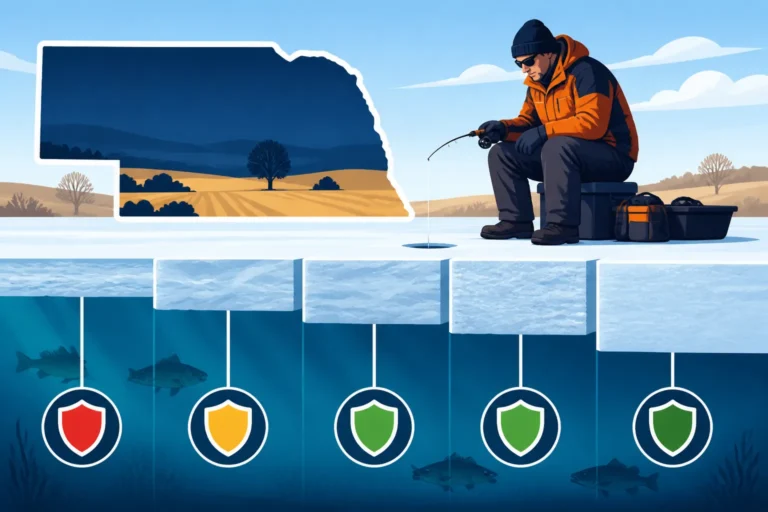
Ice fishing in Nebraska presents a unique set of challenges and opportunities influenced heavily by barometric pressure. Beneath the ice, fish are in a colder, more stable environment, but they are still highly susceptible to pressure changes. During periods of stable, high pressure—often accompanied by clear, sunny skies—ice fishing can be notoriously slow. Fish tend to hug the bottom or suspend very deep and are incredibly finicky. You’ll need a very subtle presentation, small baits, and a lot of patience.
Conversely, periods of cloudy weather or slight drops in barometric pressure, especially before a light snow, can trigger stronger bites. Fish might move up in the water column and become more willing to chase a jig. Many seasoned ice anglers swear by fishing on days with approaching low pressure, even if it brings a little snow. Understanding how barometric pressure affects the bite is critical for success through the hard water season. For detailed information on staying safe and successful, refer to our Nebraska Ice Fishing Safety Tips and How to Ice Fish in Nebraska.
Practical Tips for Anglers
Knowing that weather and pressure impact fishing is one thing; knowing how to use that knowledge is another. Here are some practical steps you can take to leverage meteorological insights for better fishing in Nebraska.
Using Technology to Your Advantage
In today's world, you don't need to guess about barometric pressure or upcoming weather. Modern technology puts this information right at your fingertips. Smartphone weather apps are indispensable, offering detailed forecasts that often include barometric pressure readings and trends. Look for apps that provide hourly pressure graphs – seeing a falling trend is your cue to get on the water. Many specialized fishing apps also integrate this data directly.
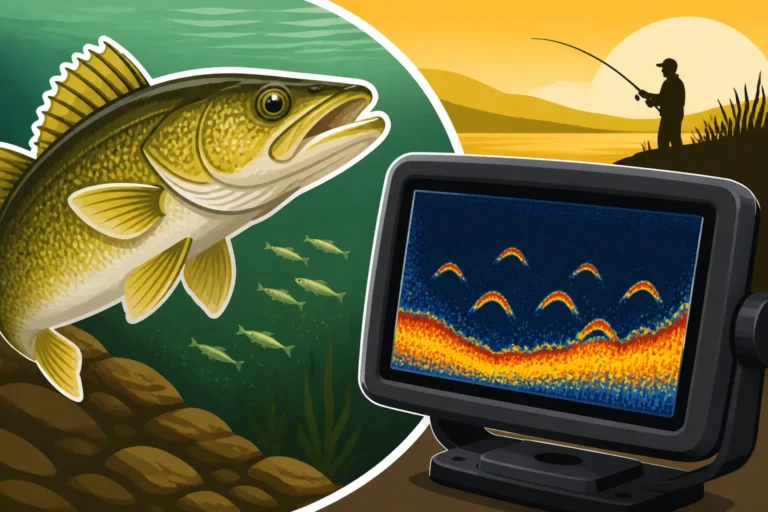
For those who want to get serious, a dedicated barometric pressure watch or a portable pressure gauge can provide real-time, localized readings. You can find many reliable options on Amazon, which can give you an edge by showing immediate changes that might not yet be reflected in broader forecasts. Couple this with a good fish finder, especially one with side imaging, to locate fish responding to these pressure changes by moving to deeper structure or cover. Our article on How to Read a Fish Finder for Walleye offers invaluable tips for interpreting what your electronics are telling you.
Adjusting Your Strategy for Conditions
The ultimate goal of understanding weather and barometric pressure is to adjust your fishing strategy accordingly. This isn't just about what bait you use, but how you use it, and where you fish.
Falling Pressure / Pre-Front:
- Strategy: Be aggressive! Fish will likely be active and feeding.
- Tactics: Faster retrieves, louder lures (crankbaits, spinnerbaits, topwaters), covering more water. Fish might be shallower than usual.
- Example: On a pre-storm day at Sherman Reservoir, instead of slowly dragging jigs for wipers, you might troll crankbaits more quickly or cast jerkbaits aggressively.
High/Rising Pressure / Post-Front:
- Strategy: Slow down, think finesse, be patient. Fish will likely be lethargic and tight-lipped.
- Tactics: Slower presentations (Texas-rigged worms, dropshots, dead-sticking jigs), smaller baits, natural colors. Target deeper water or dense cover.
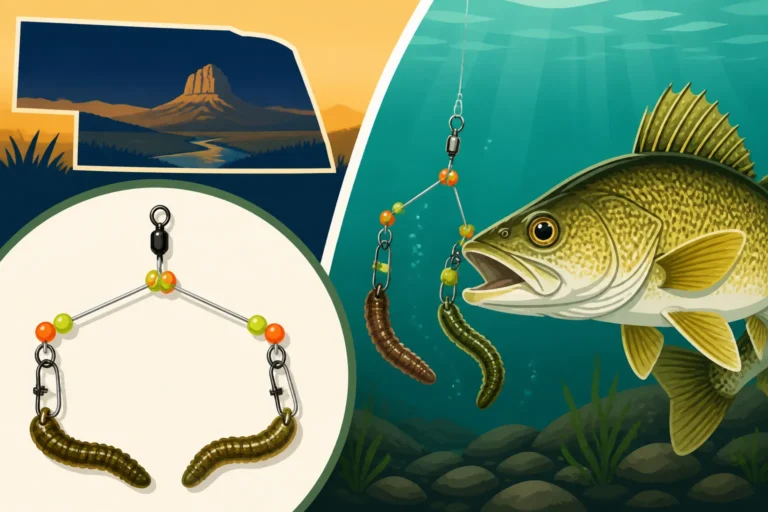
- Example: After a brutal cold front at Merritt Reservoir, a slow-trolled bottom bouncer with a crawler harness might be the only way to entice a walleye, rather than power fishing. Even a sensitive rod, like those found on Amazon for finesse techniques, can help detect the subtle bites.
Windy Conditions:
- Strategy: Use the wind to your advantage to locate active fish and oxygenated water.
- Tactics: Fish wind-blown points, flats, and shorelines. Use heavier weights or longer casts to combat drift.
- Example: If the wind is blowing consistently into a main lake point at Harlan County Reservoir, focus your efforts there, knowing baitfish are likely being pushed into that area, and hungry walleye will follow.
Always remember that fishing isn't just about casting; it's about observation, adaptation, and continuous learning. By paying close attention to the weather and barometric pressure, you'll not only catch more fish but also gain a deeper appreciation for the intricate dance between nature and the creatures beneath the surface. Don't forget to check out our broader guide on Best Fishing Gear for Nebraska Anglers to ensure you have the right tools for any condition.
| Barometric Pressure Trend | Typical Fish Behavior | Recommended Angling Strategy |
|---|---|---|
| Falling Rapidly | Aggressive feeding, move shallower, less wary | Fast retrieves, bold lures, cover water, target shallow structure |
| Stable Low | Active, steady feeding, comfortable at various depths | Moderate retrieves, varied lures, explore different depths |
| Rising Rapidly | Transitioning, can be unpredictable, sometimes slow | Adaptable, try both slow & moderate, focus on key structure |
| Stable High | Lethargic, deeper, seek cover, finicky feeders | Slow, finesse presentations, small baits, target deep cover |
Disclaimer
Fishing regulations, weather patterns, and fish behavior can change. Always consult the latest Nebraska Game and Parks Commission regulations before fishing. Exercise caution and common sense when on the water, especially concerning weather and safety.