Nebraska Pond Fishing Techniques
There’s something uniquely appealing about a quiet Nebraska farm pond or a small community lake, isn't there? You see that glassy surface reflecting the sky, maybe a ripple from a rising fish, and a thought sparks: "What's in there, and how do I catch it?" But knowing where to start, what gear to use, or how fish behave in these smaller, often overlooked waters can feel like a mystery compared to the big reservoirs. This guide is here to unravel those secrets, giving you the practical, down-to-earth techniques you need to consistently catch fish in Nebraska's abundant ponds.
Understanding Nebraska Ponds: More Than Just Water
Ponds might seem simple, but they're complex little ecosystems, often teeming with fish if you know how to approach them. From the sprawling sandhills to the suburban parks, Nebraska ponds offer a unique fishing experience that's distinct from the wide-open waters of Lake McConaughy or the mighty Missouri River. Don't let their size fool you; these smaller bodies of water can hold some surprisingly large fish and offer incredible angling opportunities if you understand their characteristics.
Identifying Pond Types and Their Fish Populations
Not all ponds are created equal, and knowing what kind of pond you're looking at can give you a huge leg up. Nebraska is dotted with various types of ponds, each with its own quirks. You've got your classic farm ponds, often dug out for livestock or irrigation, which tend to be fertile and packed with bass, bluegill, and channel catfish. These are often privately owned, so always remember to secure permission before casting a line. Then there are urban ponds, part of the Nebraska Urban Fishing Program, managed by the Nebraska Game and Parks Commission, which are regularly stocked with everything from trout in cooler months to catfish and panfish year-round. These are fantastic, easily accessible options for families and beginners. Lastly, you'll find natural sandpit lakes, especially along river systems like the Platte, which can be deeper, clearer, and offer different challenges and species mixes, sometimes even housing crappie or northern pike.
Understanding the depth, clarity, and amount of vegetation in a pond also gives clues about the fish. Shallow, murky ponds with lots of weeds often favor catfish and robust populations of bluegill and bass that can tolerate lower oxygen levels. Deeper, clearer ponds might hold bigger bass and crappie that prefer more defined structure and cooler water. A quick chat with a local bait shop owner or checking the Nebraska Game and Parks stocking reports can often reveal what species are prevalent in public ponds, making your targeting much more efficient.
The Unique Challenges of Pond Fishing vs. Reservoirs
Fishing a pond is a different ball game entirely compared to fishing a vast reservoir. For starters, ponds are smaller and shallower, meaning they heat up and cool down much faster. This rapid temperature fluctuation directly impacts fish behavior and where they'll be holding. In summer, for example, a pond might get too warm for active feeding during midday, pushing fish into the deepest, shadiest spots or making them bite only during cooler mornings and evenings. Unlike reservoirs with expansive main lake basins and creek channels, ponds typically have more uniform bottom contours, so finding subtle structure becomes even more critical.
Another big factor is pressure. Ponds, especially easily accessible public ones, can receive a lot of fishing pressure. This means the fish can become wary, making stealth and presentation paramount. You won't always find those aggressive, easily fooled fish you might encounter in a less-fished area of a huge lake. This calls for lighter lines, smaller baits, and a more patient approach. Furthermore, access can be a challenge with private farm ponds; you absolutely need to obtain permission from the landowner beforehand. Ignoring this rule is not only disrespectful but can lead to serious legal consequences, so always ask first!
Essential Gear for Pond Fishing
When you're heading out to a Nebraska pond, you don't need a boatload of expensive gear or a complex electronics setup. In fact, one of the beauties of pond fishing is its simplicity. The key is to have versatile, reliable equipment that can handle a variety of situations and species you might encounter.
Rods, Reels, and Line: Keeping it Simple and Versatile
For most Nebraska pond fishing, a medium-light to medium power spinning rod, around 6 to 7 feet long, is your best friend. This setup offers the sensitivity to feel delicate panfish bites but still has enough backbone to handle a feisty largemouth bass or a decent channel catfish. Pair it with a 2000 or 2500 series spinning reel spooled with 6 to 10-pound monofilament or fluorocarbon line. Monofilament is great for its stretch and forgiveness, especially when dealing with smaller hooks and panfish, while fluorocarbon offers excellent sensitivity and less stretch, which can be beneficial for bass. You can find a fantastic selection of reliable and affordable combos on Amazon, perfect for getting started without breaking the bank.
If you're primarily targeting bigger bass and prefer a baitcasting setup, a medium-heavy rod with a baitcaster spooled with 12-17 pound fluorocarbon or braided line (with a fluorocarbon leader) is ideal. This allows you to pitch heavier jigs and worms into thicker cover. For panfish specifically, a lighter ultralight spinning combo with 4-pound test line will make those bluegill and crappie feel like giants, adding a whole new level of fun to your outing. Remember, durability and balance are more important than fancy features for general pond fishing.
Tackle Box Essentials: Baits, Lures, and Terminal Gear
Your tackle box for pond fishing should be practical and focused on the common species. Forget the massive deep-diving crankbaits or specialized trolling rigs. Instead, concentrate on baits that mimic natural forage and can be presented effectively in smaller, often weed-choked waters.
Here's a breakdown of what you'll want:
- For Panfish (Bluegill, Crappie): Small jigs (1/32 to 1/16 ounce) in colors like chartreuse, white, or black, tipped with a small plastic grub or a live minnow. Crickets, worms, and corn are also deadly for bluegill. Small bobbers are essential for presenting these baits at the right depth. Learn How to Rig a Slip Bobber for Panfish for effective depth control.
- For Largemouth Bass: Soft plastic worms (e.g., Texas rig, wacky rig), spinnerbaits, buzzbaits, small crankbaits (diving 3-6 feet), and topwater lures (frogs, poppers) for fishing over weeds or during low-light conditions. These are key for success when you're focusing on Nebraska Largemouth Bass Fishing.
- For Channel Catfish: Stink baits, chicken liver, cut bait (like shad or sunfish), and nightcrawlers. Simple Carolina rigs or slip-sinker rigs are perfect for presenting these on the bottom. If you want to dive deeper into specifics, check out our guide on the Best Bait for Nebraska Catfish.
- Terminal Tackle: A variety of hooks (Aberdeen for worms, circle hooks for catfish, wide gap for soft plastics), split shot weights, small bullet weights, bobbers (both fixed and slip bobbers), and swivels.
- Tools: Pliers for hook removal, line cutters, and a small landing net, especially for those bigger bass or catfish that can surprise you.
You can gather a comprehensive starter kit or individual components easily from Amazon, ensuring you have everything you need before you even leave home.
| Fish Species | Recommended Baits/Lures | Preferred Terminal Tackle | Common Rod/Reel Type |
|---|---|---|---|
| Bluegill | Worms, Crickets, Small Jigs, Bread | Small Hooks (#8-12), Split Shot, Bobber | Ultralight Spinning |
| Crappie | Live Minnows, Small Jigs (tipped with grub) | Small Hooks (#4-6), Split Shot, Slip Bobber | Light Spinning |
| Largemouth Bass | Soft Plastic Worms, Spinnerbaits, Crankbaits, Frogs | Wide Gap Hooks, Bullet Weights, Jig Heads | Medium-Heavy Baitcasting/Spinning |
| Channel Catfish | Stink Bait, Cut Bait, Chicken Liver, Nightcrawlers | Circle Hooks (#2-4/0), Egg Sinkers, Swivels | Medium-Heavy Spinning/Casting |
Comfort and Convenience: Beyond the Basics
While the fishing itself might be simple, staying comfortable and prepared makes a huge difference, especially when you're spending a few hours by the water. A comfortable, portable chair is a game-changer, allowing you to relax while waiting for a bite. Don't underestimate the Nebraska sun; a wide-brimmed hat, polarized sunglasses, and sunscreen are essential for protection. A small cooler with drinks and snacks will keep you energized, and a basic first-aid kit is always a good idea for minor scrapes or hook mishaps.
Insect repellent is practically mandatory during summer evenings, as mosquitoes can be relentless. For those who enjoy a bit more tech, a portable fish finder, easily found on Amazon, can be a game-changer for identifying depth, structure, and even fish schools in unfamiliar ponds. And finally, bring a small trash bag. Let's all do our part to keep Nebraska's beautiful ponds clean for everyone to enjoy!
Seasonal Strategies for Pond Success
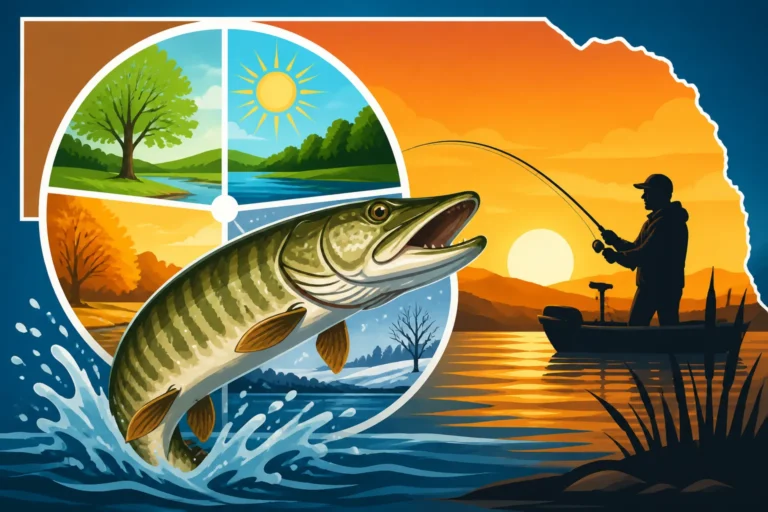
Ponds are dynamic environments, and fish behavior changes dramatically with the seasons. Understanding these shifts is crucial for consistent success. What works in April likely won't be effective in August. Being flexible and adjusting your approach to the time of year is a hallmark of a successful pond angler. Our guide on Nebraska Fishing Seasons Explained provides a broader overview, but here we’ll focus specifically on how these seasons impact smaller pond ecosystems.
Spring: Post-Spawn Feasts and Shallow Action
Spring is arguably one of the best times to fish Nebraska ponds, especially after the long winter. As water temperatures rise, fish become incredibly active. In early spring, look for fish to move into shallower, north-facing coves and flats, which warm up first. This is when species like largemouth bass begin their pre-spawn feeding frenzy, bulking up before they guard their nests. Lipless crankbaits, spinnerbaits, and even slow-rolled jigs can be incredibly effective during this period. Crappie also move shallow to spawn, often found around submerged brush, fallen trees, or old dock pilings. This is prime time to learn How to Catch Crappie in Spring, often using small jigs or minnows under a bobber.
As spring progresses into late May and early June, many fish will be in their post-spawn recovery phase. They'll still be hungry but might be a bit more scattered. Concentrate on transition areas where shallow water meets deeper drop-offs, or around any emergent vegetation. Bass will start to guard fry, making them aggressive towards anything that comes near their young. Topwater lures can be explosive this time of year, especially early in the morning or late in the evening. Don't forget channel catfish; they become very active as the water warms, cruising the shallows looking for an easy meal.
Summer: Deep Water Retreats and Early/Late Bites
Summer fishing in Nebraska ponds can be challenging due to high water temperatures and often abundant aquatic vegetation. The midday sun can push fish into deeper, cooler water or dense cover. This means targeting fish during low-light conditions – early mornings, late evenings, and even after dark – becomes paramount. For largemouth bass, focus on shaded areas like overhanging trees, docks, or the deepest parts of the pond. Texas-rigged worms or jigs pitched into thick lily pads or submerged weed lines can produce bites. Our guide on How to Catch Bass in Farm Ponds During Summer goes into much more detail on these specific tactics.
Panfish like bluegill will still be around cover, but might require a more subtle approach, perhaps fishing small baits deeper under a slip bobber. Catfish, however, often remain active throughout the summer, especially at night. Setting out some chicken liver or stink bait on the bottom as the sun goes down can lead to some fantastic action. When the sun is high, consider fishing tight to the bottom in the deepest sections, or look for any underwater springs or feeder creeks that might offer cooler, oxygenated water.
Fall: Feeding Frenzies Before Winter
Just like spring, fall is another incredible time to fish Nebraska ponds. As temperatures begin to drop and days shorten, fish sense the approaching winter and go on a serious feeding binge to build up fat reserves. This "fall turnover" period can make fish incredibly aggressive and willing to chase down a variety of lures. All species will be actively feeding, often moving back into shallower areas that retain heat longer or cruising deeper points and humps.
Largemouth bass will hit everything from crankbaits and spinnerbaits to jigs and plastics with gusto. Target points, submerged structure, and the edges of remaining weed beds. Crappie will start schooling up, often suspending over deeper water or concentrating around brush piles, making them easier to locate with a fish finder. Bluegill remain active, and can be caught on small jigs or worms. Channel catfish will also be feeding heavily, so don't put away your catfish gear too soon. As the water cools further, look for fish to concentrate in the deepest parts of the pond, and adjust your presentation to a slower retrieve.
Winter: Ice Fishing Opportunities
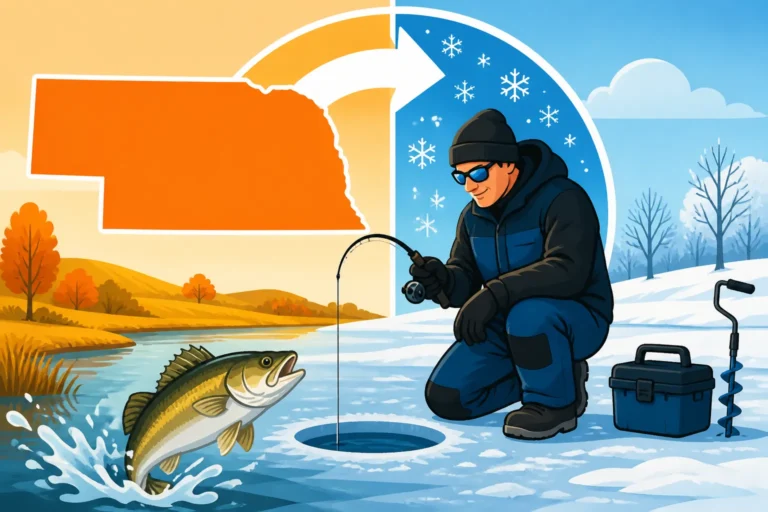
When winter truly sets in and the ponds freeze over, don't despair! Many Nebraska ponds offer excellent ice fishing opportunities, especially for panfish and even some bass and catfish. Safety is always the number one priority when ice fishing. Always check ice thickness – a minimum of 4 inches of clear, solid ice is generally recommended for foot travel, but always err on the side of caution.
Once it's safe, target shallower ponds or shallower bays of larger ponds. Bluegill and crappie will often congregate around any remaining green vegetation or submerged brush. Small ice jigs tipped with a wax worm, minnow, or even a specialized ice fishing plastic can be deadly. Bass might be slower but can still be caught on jigging spoons or larger shiners fished near drop-offs. Catfish can also be caught through the ice, though their activity level decreases significantly. If you're new to this, be sure to check out our comprehensive guide on How to Ice Fish in Nebraska to get started safely and effectively.
Top Techniques for Different Pond Species
While many general fishing techniques apply across different waters, tailoring your approach to the specific species you're targeting in a pond environment will significantly increase your success rate. Ponds, with their often limited space and structure, demand a nuanced presentation.
Targeting Largemouth Bass
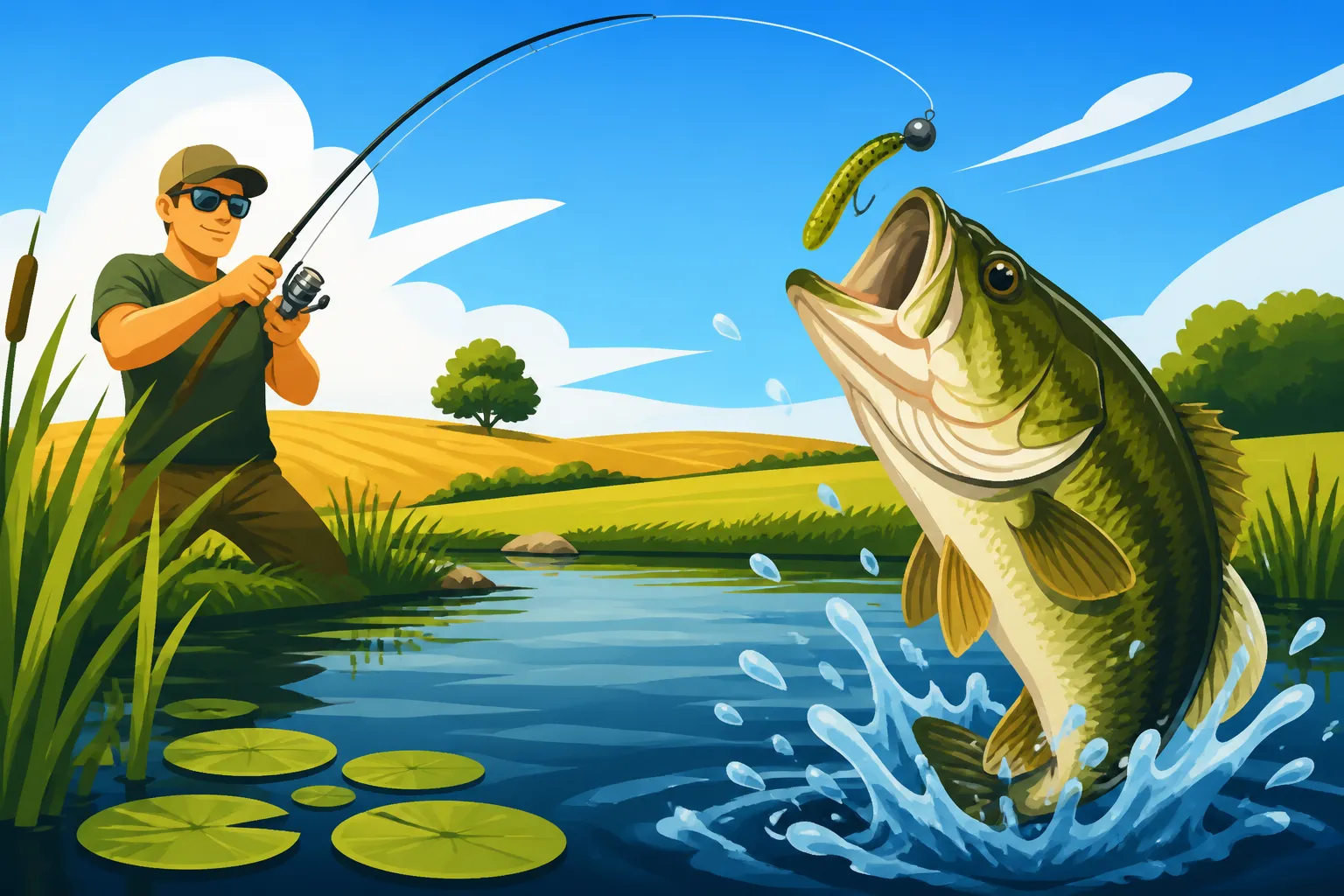
Largemouth bass are the kings of most Nebraska ponds, growing to impressive sizes in fertile waters. They are ambush predators, so your goal is to present baits near cover where they might be hiding.
- Weed Edges and Lily Pads: This is prime bass habitat. Texas-rigged soft plastics (worms, creature baits) are excellent here. Rigging them weedless allows you to cast directly into the thick stuff without snagging. Pitch them into small pockets or along the edges, let them sink, and slowly work them back with short hops. Frog imitations are fantastic topwater options for fishing directly over matted vegetation during warm months.
- Docks, Overhanging Trees, and Logs: Any form of shade or submerged wood provides a sanctuary for bass. Skipping jigs or weightless soft plastics under docks or into dark corners under overhanging branches can entice wary bass. Remember to retrieve slowly and be ready for an immediate strike!
- Open Water Tactics: In ponds with less cover, bass might relate more to subtle depth changes or isolated structure. Small crankbaits that dive to the pond's average depth, or spinnerbaits worked along drop-offs, can be effective search baits. During cloudy days or low light, try topwater poppers or buzzbaits over open water near potential feeding lanes. These methods are explored in more depth in our article on Nebraska Largemouth Bass Fishing.
Chasing Panfish: Bluegill and Crappie
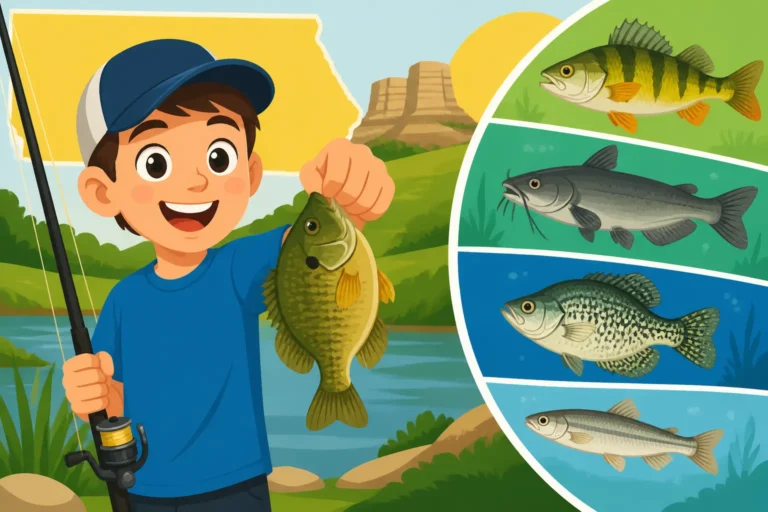
Panfish like bluegill and crappie are often the most abundant and easiest to catch in Nebraska ponds, making them perfect targets for beginners and families. They provide consistent action and are delicious table fare!
- Bluegill: These feisty little fish are rarely far from cover. Simple tactics work best: a small hook (#8 or #10) baited with a piece of worm, a cricket, or even a kernel of corn, suspended under a small bobber. Cast near weed lines, submerged logs, or brush piles. You can also fish without a bobber, letting the bait slowly sink. Our guide on How to Catch Bluegill in Nebraska Ponds offers excellent insights into these methods. Ultralight spinning gear makes even a small bluegill a blast to catch.
- Crappie: Crappie tend to be a bit more finicky than bluegill and often prefer deeper water or vertical structure. Look for them around brush piles, submerged trees, or bridge pilings (if your pond has them). A small jig (1/32 or 1/16 ounce) tipped with a tiny plastic grub or a live minnow, fished under a slip bobber, is a classic crappie killer. Adjust your bobber stop to fish at various depths until you find where the crappie are suspended. During spawning season in spring, they'll move shallower, making them easier to target near shore.
Hooking into Channel Catfish
Many Nebraska ponds are stocked with channel catfish, providing a fantastic opportunity for anglers looking for a strong fight and excellent eating. Catfish are scavengers and often respond well to scent-based baits.
- Bottom Fishing: The most common and effective method for catfish in ponds is fishing on the bottom. A simple Carolina rig or slip-sinker rig works wonders. Thread your main line through an egg sinker (1/4 to 1/2 ounce depending on cast distance), tie on a swivel, then attach an 8-12 inch leader of slightly lighter line (to create a break-away if snagged) to a circle hook (#2 to 4/0). Bait with chicken liver, cut bait, nightcrawlers, or commercial stink baits. Cast to deeper areas, channel edges, or even near aerators if the pond has them.
- Night Fishing: Catfish are often more active feeders after dark, especially during warm summer months. Their excellent sense of smell gives them an advantage in low light. Consider setting out a few rods with different baits and enjoy the peace of a quiet evening by the pond. Just be sure to bring a reliable headlamp and respect any local rules about night fishing. Our detailed article on Channel Catfish Fishing in Nebraska explores even more strategies for these popular pond dwellers.
Common Pond Fishing Challenges and Solutions
Pond fishing, while rewarding, isn't without its unique set of frustrations. From thick aquatic vegetation to skittish fish, tackling these common issues head-on will help you enjoy your time on the water more and ultimately catch more fish.
Dealing with Weeds and Snags
One of the most frequent complaints about pond fishing is the abundance of weeds and the inevitable snags. These smaller, shallower bodies of water often have lush aquatic vegetation, which can be both a blessing (habitat!) and a curse (snags!).
- Embrace the Weeds: First, understand that weeds are fish magnets. They provide cover, ambush points, and oxygen. Instead of avoiding them entirely, learn to fish around and over them. Weedless rigs are your best friend. Texas-rigged soft plastics with the hook point buried in the plastic, weedless jigs, and topwater frogs are designed precisely for this environment.
- Look for Lanes and Edges: Fish the open lanes between weed patches, the edges where weeds meet deeper water, or isolated clumps of vegetation. These are natural travel routes and ambush points.
- Heavy Line and Strong Hooks: When fishing in heavy cover, spool up with heavier braided line (20-30 lb test) with a fluorocarbon leader (12-17 lb). Braid cuts through weeds better and gives you the power to pull fish out of thick stuff. Use stout hooks that won't bend under pressure. If you do get snagged, try to gently jiggle your line, or if safe, walk to a different angle to try and free the lure. Sometimes a sharp pop can break it free.
Overcoming Finicky Fish and Pressure
Pond fish, especially in frequently fished public ponds, can become "educated" and incredibly wary. They've seen it all, and they're not easily fooled. This can be super frustrating when you know fish are there but they just won't bite.
- Downsize Your Presentation: When fish are finicky, think small and subtle. Use lighter line (4-6 lb test), smaller hooks, and smaller baits. A tiny 1/32 oz jig with a micro-plastic can often entice a bite when larger lures fail.
- Slow Down: Aggressive retrieves might scare wary fish. Work your baits much slower than usual. Let a plastic worm sit motionless on the bottom for extended periods, or twitch a small jig almost imperceptibly. Sometimes the slightest movement is all it takes.
- Fish During Off-Peak Times: If a pond gets heavy pressure during the day, try fishing early morning, late evening, or even at night (for catfish and sometimes bass). Fish often feel safer and feed more aggressively during these times.
- Experiment with Color and Scent: Have a variety of bait colors and sizes. Sometimes a subtle change from natural tones to something brighter like chartreuse can make a difference. Adding a commercial scent to your soft plastics or jigs can also pique interest.
Access and Permission for Private Ponds
This is a critical aspect of pond fishing in Nebraska, especially for the numerous farm ponds. Many of the best ponds are on private land, and fishing without permission is trespassing, plain and simple.
- Always Ask First: This cannot be stressed enough. Knock on the farmhouse door, introduce yourself politely, and ask if it would be okay to fish their pond. Be respectful, offer to share your catch, and promise to leave no trace. Many landowners are friendly and happy to share their resources, especially if you show respect. Our article on Do You Need a License to Fish on Private Land in Nebraska provides important context for this.
- Build Relationships: If granted permission, uphold your end of the bargain. Pick up any trash (even if it's not yours), close gates, and be mindful of livestock or crops. A small thank-you note or sharing a few fillets can go a long way in securing future access.
- Respect "No Trespassing" Signs: If a pond has "No Trespassing" signs, respect them without exception. There are plenty of public fishing opportunities in Nebraska to enjoy.
- Utilize Public Ponds: Don't overlook the excellent public fishing opportunities. Many Nebraska State Recreation Areas and urban ponds are managed for fishing, offering easy access and consistent stocking. Check the Nebraska Game and Parks Commission website for a list of public access ponds and their regulations. You’ll also need to ensure you have the proper Nebraska Fishing License Guide before heading out, even on public waters.
Safety and Etiquette on Nebraska Ponds
Fishing is a fantastic way to relax and connect with nature, but it's important to approach every outing with safety in mind and a respectful attitude towards others and the environment. These smaller pond environments often mean you're closer to other anglers or private property, so good etiquette is key.
Staying Safe Around Water and Wildlife
Even small ponds can pose risks, especially if you're not paying attention. Water safety should always be your top priority.
- Know Your Limitations: If you can't swim, wear a life jacket, especially if you're near deep water or on any kind of small craft. Even if you can swim, a life jacket is a wise choice, particularly when fishing alone.
- Watch Your Footing: Pond banks can be muddy, slippery, or steep. Be aware of your surroundings, especially if you're casting near the water's edge or moving around unfamiliar terrain. A fall can lead to injury or even drowning.
- Be Mindful of Hooks and Sharp Objects: Always handle hooks carefully. Keep them away from your face and body, and use pliers for hook removal to protect your fingers and the fish. Discard old line and broken tackle responsibly; fishing line is a major hazard to wildlife.
- Wildlife Awareness: Nebraska ponds are home to more than just fish. You might encounter snakes, snapping turtles, muskrats, or various birds. Give wildlife its space, and never attempt to handle animals you're not familiar with. Be aware of ticks and mosquitoes, especially in tall grass or wooded areas, and take appropriate precautions like using insect repellent.
- Weather Watch: Ponds, like larger bodies of water, are susceptible to sudden weather changes. A beautiful day can quickly turn into a thunderstorm. Watch the sky, listen to forecasts, and be prepared to pack up and seek shelter if conditions deteriorate.
Respecting Private Property and Fellow Anglers
Good manners and respect make the fishing experience better for everyone. When fishing Nebraska ponds, these principles are particularly important due to their often intimate settings.
- Leave No Trace: This is the golden rule of outdoor recreation. Whatever you pack in, pack out. This includes fishing line, bait containers, snack wrappers, and anything else you brought with you. Consider carrying a small trash bag specifically for your waste. Littering not only degrades the environment but can also jeopardize future access to private ponds.
- Give Space to Other Anglers: If you arrive at a pond and someone else is already fishing, give them plenty of room. Don't cast over their lines or crowd their spot. A friendly nod or greeting is fine, but respect their peace and quiet. If it's a small pond, consider coming back another time if it's already occupied, especially if there's only one prime spot.
- Be Mindful of Noise: Keep voices down, avoid loud music, and generally be considerate of the peaceful atmosphere. This applies to both other anglers and any nearby residents or landowners.
- Obtain Permission for Private Ponds: As mentioned before, this is non-negotiable. If you're on private land, you must have explicit permission from the landowner. A polite request often goes a long way, and respecting their property is crucial for maintaining good angler-landowner relationships.
- Know and Follow Regulations: Even in smaller ponds, all Nebraska fishing regulations apply. This includes daily bag limits, length limits, and general rules of conduct. Ignorance of the law is not an excuse. Familiarize yourself with the Nebraska Fishing Regulations Explained to avoid any issues. Always have your fishing license on you, whether physical or digital via the GoOutdoorsNE Online Permit System.
Disclaimer
Please note that fishing regulations, conditions, and fish populations can change. Always consult the latest Nebraska Game and Parks Commission regulations before heading out. This guide is for informational purposes only, and safe fishing practices are the sole responsibility of the individual angler.