Nebraska Ice Fishing Safety Tips
The serene beauty of a frozen lake, the quiet anticipation of a bite, and the camaraderie with fellow anglers make ice fishing a truly special experience in Nebraska. However, that icy surface, while seemingly solid, harbors a host of potential dangers that can quickly turn a memorable day into a perilous ordeal. Many of us just want to enjoy the hardwater season without the nagging fear of unpredictable ice or unexpected emergencies. This comprehensive guide is designed to equip you with critical Nebraska ice fishing safety tips, providing the confidence and practical advice you need to navigate the frozen landscape securely and make every trip a safe one.
Understanding Ice Conditions and Thickness
The ice, our platform for winter angling, is rarely uniform, and its strength can fluctuate dramatically even within the same body of water. Understanding how ice behaves and how to accurately assess its thickness is the absolute cornerstone of ice fishing safety. Don't ever assume because one spot is safe, every spot is.
How Ice Forms and Changes
Ice doesn't just freeze solid overnight and stay that way; it's a dynamic entity constantly reacting to weather, water currents, and even the type of water body. New, clear, "black" ice formed during a prolonged cold snap is generally the strongest, created by still water slowly freezing from the top down. This is the kind of ice we all hope for. However, snow insulates ice, slowing its growth and making it weaker. Rain can melt the surface, creating slush or weakening existing ice. Even prolonged sunshine, especially in late winter, can degrade ice structure, turning it "honeycombed" and brittle, even if it still appears thick. Rivers and streams, with their constant current, are notorious for having inconsistent ice thickness, often with dangerously thin spots near inlets, outlets, bridges, or any areas where water moves beneath the surface. Springs on lake bottoms can also create unexpected weak zones. Always be aware that ice on the edges might be thicker than in the middle, especially if there's runoff from the shore, or vice versa if the wind has pushed open water to the edge.
Minimum Ice Thickness Guidelines
While there's no such thing as "100% safe ice," there are established guidelines for minimum ice thickness that can help you gauge risk. These are general recommendations for clear, solid, newly formed ice. Slushy, honeycombed, or ice that has refrozen after thawing will be significantly weaker. For basic foot travel and a single angler, you really want at least 4 inches of clear ice. If you're heading out with a group or pulling a portable shelter, 5-7 inches is a much safer bet. When it comes to venturing out in ATVs or snowmobiles, you're looking at 8-12 inches, and if you're bold enough to drive a car or light truck onto the ice (which is a significant risk in Nebraska, and often prohibited), you need a formidable 12-15 inches. It's crucial to remember these are minimums, and adding extra buffer is always wise. For a detailed breakdown, check out our guide on How Thick Ice Needs to Be to Fish Safely in Nebraska.
Here's a quick reference table for safe ice thickness:
| Activity | Minimum Clear Ice Thickness | Additional Safety Notes |
|---|---|---|
| Ice Fishing (single angler) | 4 inches | Always check every few steps. |
| Small Group/Portable Shelter | 5-7 inches | Distribute weight, avoid tight clusters. |
| Snowmobile/ATV | 8-12 inches | Slow speeds, avoid pressure ridges, travel with others. |
| Car/Light Truck | 12-15 inches | Very high risk, verify local regulations, avoid currents/inlets. |
Assessing Ice Visually and Mechanically
Don't just look at the ice; test it. Visually, dark spots on the ice often indicate thinner areas or open water. Snow-covered ice is tricky because it hides cracks and weak spots. Always approach snow-covered areas with extreme caution, probing ahead. Mechanically, the essential tool for ice assessment is an ice spud bar or an auger. As you walk, use the spud bar to strike the ice firmly in front of you. A single solid strike should not go through 4 inches of good ice. If it breaks through easily, you're on unsafe ice. Drill test holes frequently as you venture out, especially when moving to new areas or crossing transition zones. This isn't just about checking thickness; it's about checking the quality of the ice. Clear, solid ice is best. Milky or opaque ice often contains air bubbles, making it weaker. Layered ice, where a thaw-freeze cycle has created multiple distinct layers, can also be deceptively weak. Never trust ice that has had tracks or holes from previous days; it doesn't guarantee the current ice is safe.
Essential Safety Gear for Ice Fishing
Having the right gear isn't just about catching fish; it's about ensuring you have the tools to prevent disaster or respond effectively if an accident occurs. Think of your safety gear as your personal insurance policy on the ice.
Personal Safety Equipment
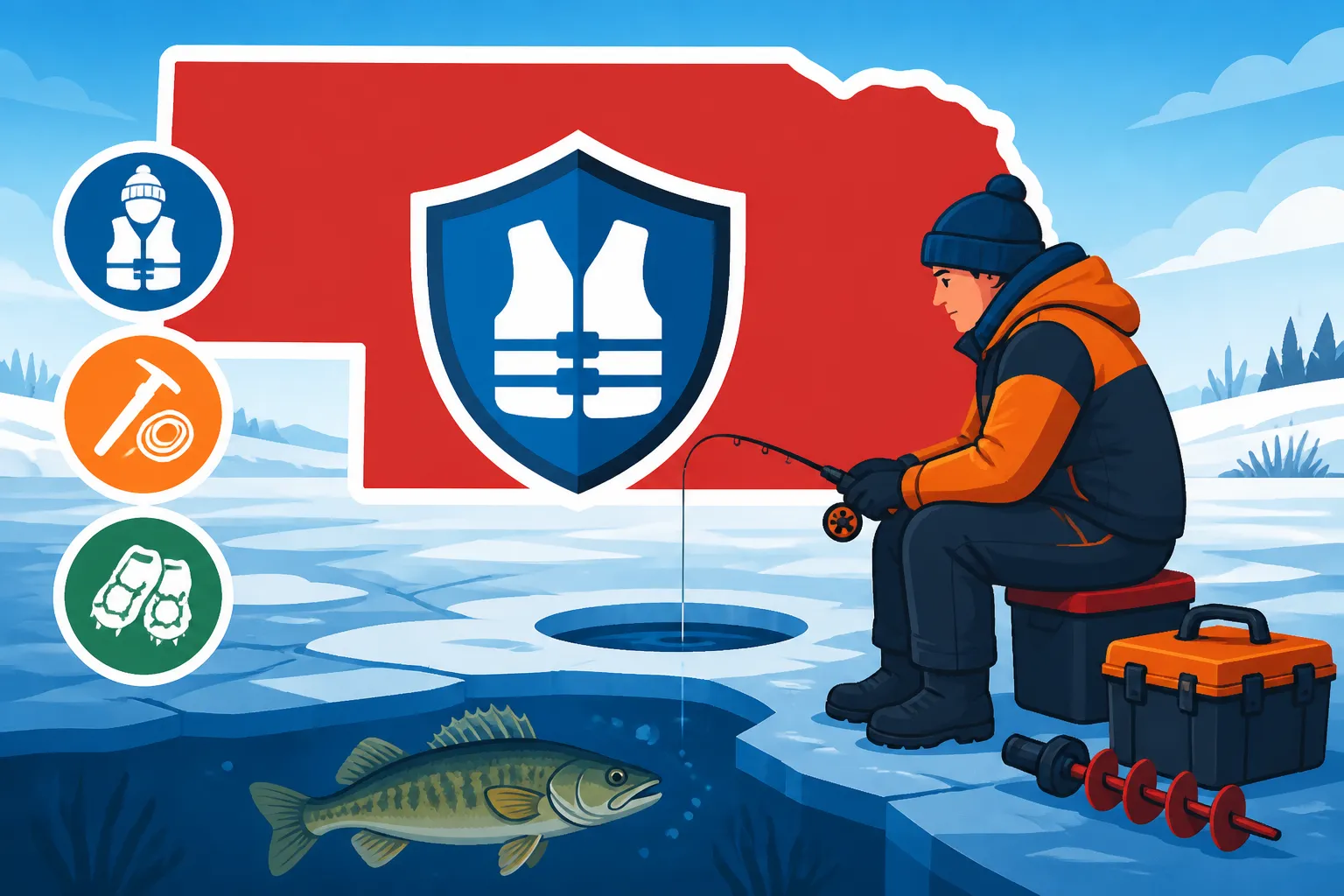
Your first line of defense is what you wear and carry on your person. A flotation suit or vest is paramount. These specialized suits not only provide insulation against the cold but also offer flotation if you go through the ice. Many modern ice fishing suits, like those from Striker Ice or Clam, are designed with built-in flotation. If a full suit isn't in your budget, a quality PFD (Personal Flotation Device) worn over or under your winter clothing is a non-negotiable item. Next are ice picks, which are small, sharp tools tethered together and worn around your neck. If you fall in, these allow you to get a grip on the ice and pull yourself out. They are simple, inexpensive, and incredibly effective. You can find a good pair of ice picks on Amazon for a minimal investment, and they could literally save your life. Don't forget proper footwear with good traction, like ice cleats or studded boots, to prevent slips and falls on the slick surface. Finally, a whistle is a simple, yet powerful, communication tool if you need to call for help when your voice might be hoarse from the cold or carried away by the wind.
Group and Shelter Safety Gear
If you're fishing with a group or using a portable or permanent shelter, additional safety considerations come into play. A throw rope or rescue rope, ideally one that floats, should be easily accessible. This is a critical tool for rescuing someone who has fallen through the ice from a safe distance. Keep it coiled and ready to deploy, not buried under a pile of gear. Speaking of gear, consider adding a small, dedicated ice safety kit to your main tackle box. This might include a spare set of dry clothes in a waterproof bag, a fire starter, and a first-aid kit. For shelters, especially those heated by propane, a carbon monoxide detector is absolutely non-negotiable. These silent killers are responsible for numerous ice fishing tragedies every year. Even if you're only using a small buddy heater in a portable pop-up shelter, a CO detector, easily found on Amazon or at any hardware store, is a must-have. Don't skimp on this one. For more gear insights, our Essential Gear Checklist for a First Ice Fishing Trip provides a broader overview.
Communication and Navigation Tools
In the vast, often featureless expanse of a frozen lake, getting lost or losing signal can happen quickly. Always carry a fully charged cell phone in a waterproof case or bag. While cell service can be spotty in some remote Nebraska locations, it's often your best chance for summoning emergency help. Consider also carrying a portable power bank to recharge your phone in cold conditions, as battery life can drain rapidly. For navigation, a GPS device or a reliable GPS app on your phone can be invaluable, especially in whiteout conditions or when fishing large bodies of water like Lake McConaughy. Mark your starting point and areas of known good ice. A compass and a paper map of the lake are also excellent analog backups. Inform someone about your exact fishing location and your expected return time, and stick to that plan. This "float plan" principle applies just as much to hardwater as it does to open water.
Planning Your Ice Fishing Trip Safely
A successful and safe ice fishing trip begins long before you even step foot on the ice. Proper planning and preparation are crucial for mitigating risks and ensuring a smooth, enjoyable experience.
Checking Weather and Ice Reports
The weather in Nebraska can be notoriously unpredictable, especially in winter. Always check the forecast before you go, paying close attention to temperature trends, wind chill, and any expected precipitation. A sudden warm spell can weaken ice, while strong winds can make conditions unbearable and dangerous, leading to rapid onset hypothermia. Crucially, seek out reliable ice reports. Local bait shops, fishing forums, and the Nebraska Game and Parks Commission (NGPC) website often provide updated conditions. However, remember that ice conditions can change quickly, and a report from yesterday might not reflect today's reality. When Ice Fishing Season Starts in Nebraska, always err on the side of caution with early season ice. Never rely solely on a single report; cross-reference multiple sources and always verify conditions yourself once you arrive.
Fishing with a Buddy or Group
There's an old saying in the outdoors: "Never go alone." This rings especially true for ice fishing. Having a partner or fishing in a group provides an immediate support system if something goes wrong. If one person goes through the ice, others are there to help with a rescue, call for assistance, and provide warmth or first aid. Even minor issues, like getting stuck in deep snow or needing help setting up a heavy shelter, become much easier with an extra set of hands. When fishing with a group, ensure everyone understands basic ice safety protocols, knows how to use safety gear, and agrees on a plan for what to do in an emergency. It's also a good idea to stay within visual and vocal range of each other, especially when exploring new areas or during periods of low visibility.
Emergency Preparedness Checklist
Beyond your immediate safety gear, a comprehensive emergency kit can be a lifesaver. This should include:
- Insulated cooler with hot drinks and high-energy snacks: Staying fueled and hydrated helps prevent hypothermia and maintains energy levels for decision-making.
- Extra layers of warm, dry clothing: Pack these in a waterproof bag. If you get wet, changing into dry clothes is critical. You can often find compact, compressible dry bags on Amazon.
- Headlamp or flashlight with spare batteries: For navigating in low light or unexpected delays.
- Shovel and tow rope: Essential if you plan to drive a vehicle onto the ice, for getting unstuck.
- First-aid kit: Equipped for minor cuts, sprains, and also larger emergencies.
- Portable jump starter: If you're driving a vehicle on the ice, cold weather can drain batteries.
- Map and compass/GPS: Even if you know the lake, whiteout conditions can disorient you quickly.
Having this checklist mentally prepared and physically packed will give you immense peace of mind. For a full rundown of what to wear, take a look at our article on What to Wear Ice Fishing in Nebraska.
What to Do in an Emergency
Even with the best preparation, accidents can happen. Knowing how to react in an ice emergency, both for yourself and others, is paramount. Panic is your biggest enemy; clear thinking is your best friend.
Self-Rescue Techniques
If you find yourself in the terrifying situation of going through the ice, the first rule is: don't panic. Your winter clothing will initially trap air, providing some buoyancy. Immediately turn back towards the direction you came from, as that's likely where the ice was last solid. Extend your arms onto the ice, using your ice picks to get a grip. Kick your feet vigorously to propel your body horizontally onto the ice. Once you're out, don't stand up; roll away from the hole to distribute your weight over a larger area of potentially weak ice. Once you're a safe distance, crawl or roll back to shore, never standing until you're on truly solid ground. Getting wet in freezing temperatures means hypothermia will set in rapidly, so immediate warmth and dry clothes are crucial. Shedding wet outer layers as quickly as possible, even if you can't get fully dry, can make a difference.
Rescuing Others Safely
Witnessing someone fall through the ice is terrifying, but rushing in recklessly can result in multiple victims. The primary rule is "reach, throw, row, go."
- Reach: If the person is very close to shore, extend a branch, pole, or even your arm (if absolutely safe) to pull them out.
- Throw: The safest method. Lie flat on the ice to distribute your weight and throw a rescue rope, a spare tire, or even a jacket to the victim. Make sure the rope is tied off to something secure on shore or held by other rescuers.
- Row: If you have a boat (like a kayak or jon boat) or a large sled nearby, you can use it to push towards the victim while remaining safe yourself.
- Go: This is a last resort, and only if you are properly trained and equipped for ice rescue. Otherwise, call 911 immediately and provide exact location details. Keep continuous verbal contact with the victim to reassure them and guide them in their own self-rescue attempts.
Never approach a victim standing upright, and always assume the ice around the hole is compromised.
First Aid and Hypothermia Treatment
Once a person is out of the water, dealing with the cold and potential injuries becomes the priority. Hypothermia is a severe risk. Signs include shivering (which may stop in advanced stages), confusion, slurred speech, clumsy movements, and a weak pulse.
- Remove wet clothing: Gently remove any wet clothing and replace it with dry, warm layers. Cut clothing off if necessary to avoid unnecessary movement.
- Warm slowly: Cover the person with blankets, sleeping bags, or even extra clothing. Get them into a shelter if possible. Apply warm compresses (not hot) to the neck, armpits, and groin.
- Offer warm, sweet drinks: If the person is conscious and can swallow, offer warm, non-alcoholic, non-caffeinated beverages.
- Seek medical attention: Always seek immediate medical attention for anyone who has fallen through the ice, even if they appear to recover quickly. The effects of hypothermia can manifest hours later.
- Monitor breathing and pulse: If the person stops breathing or loses a pulse, begin CPR if you are trained.
Common Ice Fishing Hazards Beyond Thin Ice
While thin ice rightly gets a lot of attention, there are other, often overlooked, hazards that can pose serious threats to ice anglers. Being aware of these and taking preventative measures is crucial for overall safety.
Carbon Monoxide Poisoning Risks
This is a silent, odorless, and deadly killer. Many ice anglers use propane or catalytic heaters in their ice shanties and shelters to stay warm, which is perfectly understandable in Nebraska's frigid winters. However, these heaters produce carbon monoxide (CO), a gas that displaces oxygen in your blood, leading to suffocation without you ever realizing it. Symptoms often mimic the flu: headache, dizziness, nausea, and disorientation. At first, you might just feel a bit tired or unwell, but it rapidly progresses to loss of consciousness and death. The only reliable defense is a battery-operated carbon monoxide detector. These are relatively inexpensive and can be found readily on Amazon or at any home improvement store. Always ensure adequate ventilation in your shelter, even with a CO detector, by cracking a window or door. Never use outdoor propane grills or fuel-burning lanterns inside a sealed shelter.
Slips, Falls, and Frostbite Prevention
The ice surface, especially when wet or refrozen, can be incredibly slick. Slips and falls are common, often resulting in sprains, fractures, or head injuries. Investing in good ice cleats or specialized studded boots, easily found on Amazon or at outdoor retailers, provides crucial traction. Take smaller, deliberate steps, and avoid running on the ice. Clearing snow from your fishing area can also help reveal hidden uneven spots. Frostbite is another serious concern, affecting exposed skin like fingers, toes, nose, and ears. Symptoms include numbness, tingling, and discolored skin (pale, waxy, or grayish-yellow). To prevent it, wear multiple layers of warm clothing, including waterproof outer layers, insulated boots, and heavy gloves or mittens. A balaclava or face mask is essential for protecting your face from biting winds. Staying hydrated and well-fed also aids your body's ability to stay warm. For deeper insights, refer to What to Wear Ice Fishing in Nebraska.
Vehicle Safety on Ice
While some larger Nebraska lakes might seem suitable for driving vehicles onto the ice, it's a practice that carries immense risk and is often regulated or prohibited in many areas. If you do choose to drive a vehicle on the ice (after confirming it's legal and safe for the conditions), never drive alone and always inform someone of your route and expected return. Drive slowly and deliberately, avoiding sudden stops or turns, which can crack the ice. Maintain a safe distance from other vehicles and pressure ridges. Be acutely aware of your vehicle's weight and the ice thickness required to support it. Always keep your windows down and doors unlocked for quick escape in an emergency. In many areas, the use of ATVs or snowmobiles is a safer alternative, but even then, adhere to speed limits and always wear a helmet. Before heading out, check the current Nebraska Ice Fishing Regulations for any specific rules regarding vehicle access on ice. It's also wise to know How to Auger Through Thick Ice if you need to make frequent checks ahead of your vehicle.
Ice Fishing Regulations and Best Practices
Being a responsible ice angler involves more than just personal safety; it means respecting the resource, the environment, and your fellow anglers. Adhering to regulations and following best practices helps ensure everyone can enjoy Nebraska's hardwater opportunities for years to come.
Nebraska Specific Ice Fishing Rules
Nebraska has specific regulations that apply to ice fishing, just like any other fishing season. Of course, you’ll need a valid Nebraska Fishing License Guide, and for most state waters, an Aquatic Habitat Stamp. Pay close attention to daily bag and possession limits for species like walleye, crappie, and perch, as these can vary by water body. For example, some lakes might have specific length limits for bass or walleye, even during ice fishing season. It's also important to know the rules regarding the number of lines you can legally use. Generally, Nebraska allows two lines per angler, each with up to two hooks. Always check the current Nebraska Game and Parks Commission Fishing Guide before heading out, as regulations can change annually. Regarding shelters, there are rules about unattended shelters, requiring them to be marked with the owner's name and address and to be removed from the ice by a certain date. For detailed rules, consult the official Nebraska Fishing Regulations Explained.
Environmental Awareness and Cleanup
Part of being a responsible angler is leaving the ice cleaner than you found it. This means packing out everything you pack in – including bait containers, tangled line, broken gear, food wrappers, and anything else. Litter is not only unsightly but can also harm wildlife and contaminate the water. Dispose of fish waste properly; never just leave entrails on the ice, as this attracts scavengers and can spread disease. Be mindful of potential aquatic invasive species (AIS). Before and after every trip, ensure your auger, sled, boots, and any other gear that contacted the water are clean, drained, and dry. This prevents the spread of unwelcome species like zebra mussels or Eurasian watermilfoil. The Nebraska Aquatic Invasive Species Stamp is required for many boats, but the principle of "Clean, Drain, Dry" applies to all gear.
Sharing the Ice Safely
Ice fishing can sometimes lead to crowded conditions, especially on popular lakes and during peak times. Courtesy and respect for other anglers are essential.
- Space your holes: Avoid drilling holes too close to other anglers, especially those in permanent shelters or tip-up setups, unless invited.
- Respect privacy: Don't walk directly over another angler's lines, and keep noise levels down, particularly near active fishing areas. Blaring music or loud conversations can disrupt the quiet atmosphere many cherish.
- Vehicle traffic: If you're driving a vehicle on the ice, adhere to designated access points and travel lanes. Be mindful of pedestrians and anglers on foot, and keep your speed slow.
- Pressure ridges: These are areas where ice sheets have buckled due to pressure, creating dangerous weak spots. Always be aware of their location and avoid driving or walking over them if possible.
- Know your limits: Don't let the excitement of the catch override common sense. If conditions deteriorate, or if you feel unsafe for any reason, pack it in for the day. There's always another day to fish, but there's only one you.
By adhering to these safety tips and best practices, you can enjoy the unique thrill of Nebraska ice fishing season with peace of mind, knowing you're prepared for whatever the frozen landscape might present.
Disclaimer
The information provided in this guide is for general informational purposes only and is not a substitute for professional advice or judgment. Ice conditions are highly variable and can change rapidly. Always exercise extreme caution, verify local conditions and regulations, and prioritize your safety above all else. Neither the author nor the publisher assumes any liability for accidents, injuries, or damages resulting from the use or misuse of this information.