How to Ice Fish in Nebraska
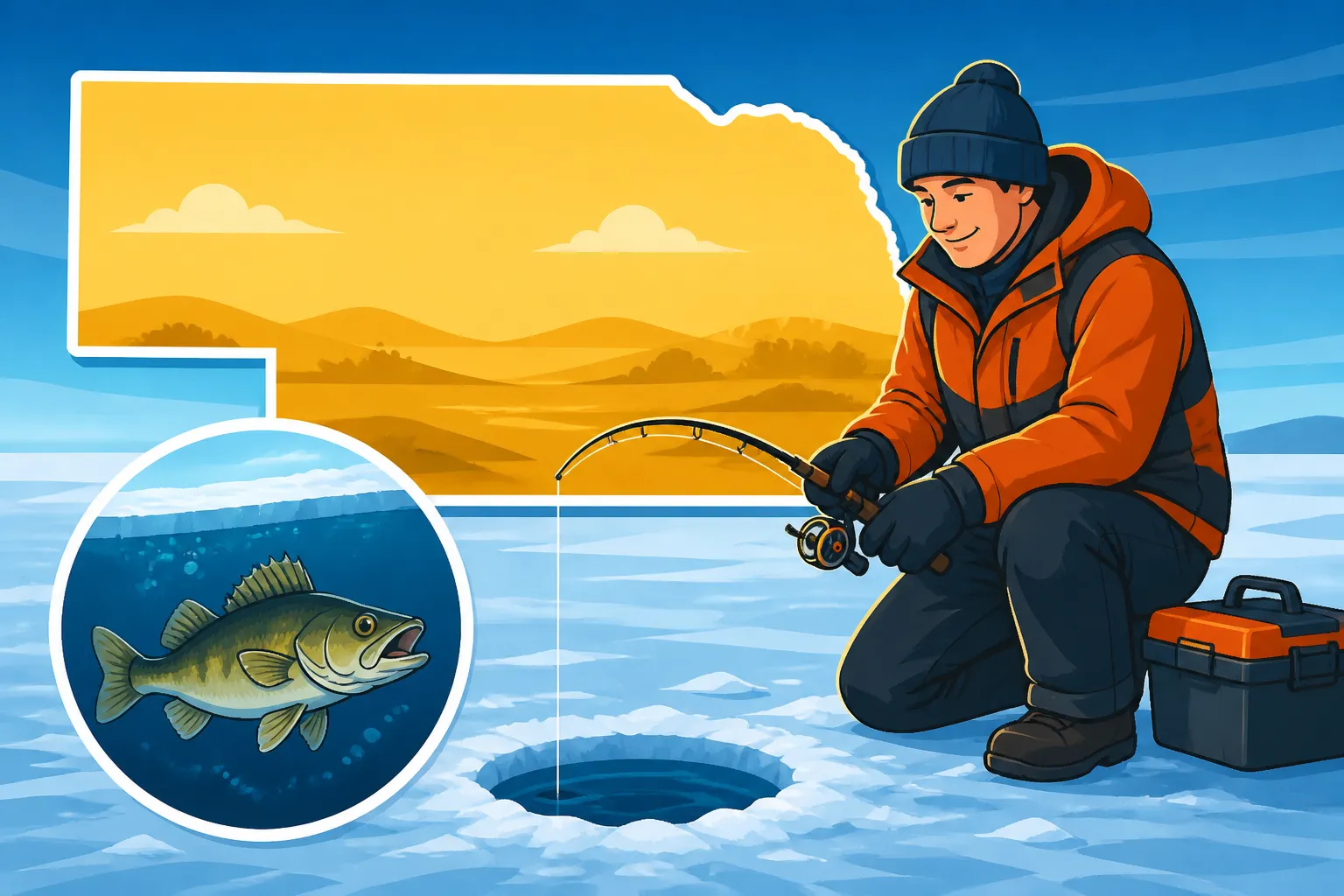
Winter in Nebraska, with its biting winds and frozen landscapes, might seem like a time to hang up your fishing gear. But for those in the know, it's actually an incredible season for a unique kind of angling: ice fishing. If you've ever felt the itch to get out on the hard water but weren't sure where to start, worried about safety, or just intimidated by the specialized gear, you're in the right place. This comprehensive guide will walk you through everything you need to know to confidently and successfully ice fish in Nebraska.
Understanding Nebraska's Ice Fishing Landscape
Ice fishing in Nebraska is a special experience, transforming familiar lakes and ponds into entirely new fishing grounds. It offers a unique challenge and a peaceful solitude that warm-weather fishing often lacks. But before you head out, understanding the nuances of the season and local regulations is paramount.
When Ice Fishing Season Starts in Nebraska
The start of ice fishing season in Nebraska is really dependent on Mother Nature, making it a bit of a moving target each year. Generally, we're talking late December through February, sometimes even into early March in colder years. The key, of course, is safe ice. Early cold snaps might get some smaller, shallower ponds locked up by mid-December, drawing eager anglers. However, larger, deeper reservoirs like Lake McConaughy or Harlan County Reservoir take much longer to freeze thoroughly and safely. It's not just about a few cold nights; you need consistent freezing temperatures for days, sometimes weeks, to build up adequate ice thickness. Always keep a close eye on local weather forecasts and, more importantly, check with local bait shops or the Nebraska Game and Parks Commission (NGPC) for ice condition reports. They often have the most up-to-date information, saving you a potentially wasted trip or, worse, a dangerous situation. Think of it as a waiting game, and patience is a virtue when you're anticipating that first solid sheet of ice.
Best Nebraska Lakes for Early Ice Fishing
When that first reliable ice starts to form, most experienced anglers turn their attention to smaller, shallower bodies of water. These freeze faster and more consistently, offering earlier opportunities for safe fishing. Ponds within state recreation areas, like those at Fremont Lakes State Recreation Area or Louisville State Recreation Area, are often among the first to offer fishable ice. These smaller, more contained waters, often stocked by the NGPC, can provide excellent panfish action early in the season. Another great option is the various public access pits and ponds scattered across the state, especially those with average depths under 10-15 feet. For instance, some of the smaller pits in eastern Nebraska, around Omaha and Lincoln, will lock up well before larger reservoirs. Areas like the smaller lakes within Branched Oak Lake State Recreation Area can also be good early choices. It's crucial to remember that "early ice" can also mean "thin ice," so always prioritize safety, even on these quicker-to-freeze spots. Don't be afraid to drill a test hole right near the shore before venturing out too far.
Nebraska Ice Fishing Regulations
Just like open-water fishing, ice fishing in Nebraska comes with its own set of rules and regulations, all designed to protect both the fish populations and the anglers themselves. First and foremost, you absolutely need a valid Nebraska Fishing License Guide. This is non-negotiable for anyone aged 16 and older. Beyond the general license, be aware of specific regulations that might apply to ice fishing. For instance, the number of lines you can legally use while ice fishing is typically limited. In Nebraska, the rule is generally two lines per angler, but always double-check the current Nebraska Fishing Regulations Explained booklet, as rules can change. Some specific water bodies might have unique length or bag limits for certain species, even through the ice, so knowing the specific rules for the lake you plan to visit is critical. For example, some lakes might have special regulations for Nebraska Walleye Daily Bag Limit or other species during certain times of the year. There are also rules about leaving shelters unattended, and some state parks may have specific hours for ice fishing. Always check the current regulations provided by the Nebraska Game and Parks Commission, as ignorance of the law is no excuse, and fines can be steep.
Essential Ice Fishing Gear Setup for Success
Stepping onto the ice for the first time can feel a bit like preparing for a mini expedition, and for good reason. Unlike casting from shore, ice fishing demands specialized gear to keep you warm, safe, and effective in freezing temperatures. Having the right tools makes all the difference between a miserable, cold day and a truly enjoyable, productive outing.
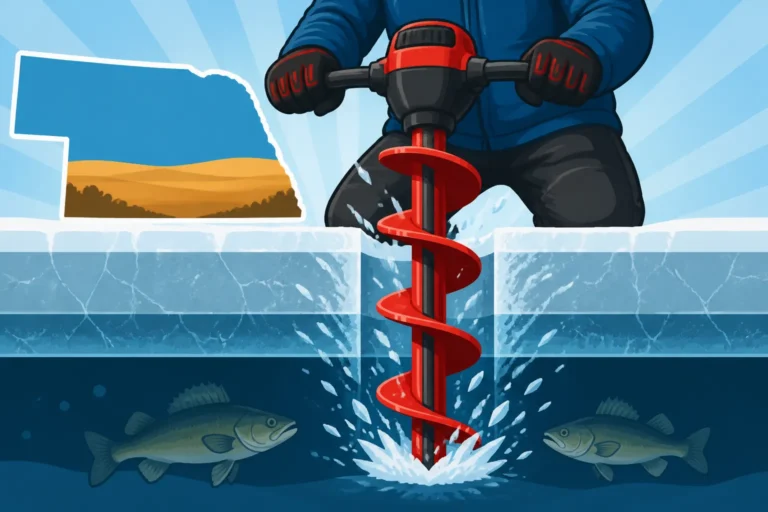
Ice Augers: Manual, Gas, or Electric?
Choosing the right ice auger is like picking the right chainsaw for logging; it dictates your efficiency and effort on the ice.
Manual Augers: These are the most basic and least expensive option. They work by hand-cranking a sharp blade into the ice. They're fantastic for early-season, thinner ice (under 10 inches) or for anglers who only go out occasionally and prefer to save money. They're also lightweight and quiet, which can be a huge plus when trying not to spook fish. However, if you hit thicker ice or plan to drill many holes, your arms will definitely feel it. You'll get a real workout!
Gas Augers: These are the workhorses of the ice fishing world. Powered by a small gas engine, they can chew through thick ice quickly and with minimal effort on your part. If you're tackling mid-winter ice, want to drill dozens of holes to find fish, or frequently fish large reservoirs with consistently thick ice, a gas auger is a solid choice. The downsides? They're heavier, noisier, require fuel, and produce exhaust fumes, which can be an issue in enclosed shelters. Maintenance is also a bit more involved.
Electric Augers: The modern alternative, electric augers are powered by rechargeable lithium-ion batteries. They offer the speed and power of gas augers without the noise, fumes, or maintenance hassle. They're quieter, lighter than most gas models, and perfect for use inside a shelter. The main consideration is battery life, especially in extreme cold, and their higher price point compared to manual augers. However, for many anglers, the convenience, quiet operation, and environmental friendliness make them worth the investment. Many reputable brands like ION or Strikemaster offer excellent electric models. If you're looking for recommendations, our guide on the Best Auger for Nebraska Ice Fishing delves into more specifics.
Rods, Reels, and Line for Nebraska Ice Fishing
Ice fishing rods and reels are specifically designed for the unique challenges of fishing through a small hole in the ice. They are much shorter than traditional rods, typically ranging from 24 to 36 inches, allowing you to fish comfortably inside a shelter or crouch over a hole without feeling cumbersome.
Rods: Look for sensitive tips to detect those subtle winter bites, paired with enough backbone to handle a feisty walleye or northern pike. Different lengths and actions are available for various species; a panfish rod will be ultralight with a very soft tip, while a walleye rod will have a medium action.
Reels: Most ice anglers use small spinning reels, often the same size as those used for ultralight open-water fishing (500-1000 series). A smooth drag system is crucial, especially when battling a larger fish in a small hole. Some anglers also use specialized "inline" ice reels, which prevent line twist, a common problem with light jigs and cold monofilament.
Line: The cold water and clear ice conditions mean fish can be finicky, so light line is often key. Four to six-pound test monofilament or fluorocarbon is a common choice for panfish and walleye. Fluorocarbon offers excellent abrasion resistance and is virtually invisible underwater, making it a favorite for pressured fish. Braided line can also be used, especially for larger species, but it absorbs water and can freeze easily, so a fluorocarbon leader is highly recommended. You can find a vast selection of appropriate rods, reels, and specialized ice fishing line on platforms like Amazon, offering a convenient way to compare different options and read reviews from fellow anglers. For a deeper dive, check out our article on the Best Ice Fishing Rods and Reels.
Ice Fishing Shelters and Shacks
While some hardy souls brave the elements out in the open, most Nebraska ice anglers prefer the comfort and protection of a shelter. These structures shield you from the wind, snow, and extreme cold, making your time on the ice much more enjoyable and extending your fishing day.
Portable Pop-Up Shelters: These are incredibly popular for their ease of setup and portability. They collapse into a compact bag and can be set up in minutes. They're lightweight, making them easy to transport across the ice, and typically offer enough space for two or more anglers plus their gear. They provide excellent wind protection and can be heated with a portable propane heater, creating a surprisingly cozy environment. Brands like Clam, Eskimo, and Shappell make excellent pop-up shelters that are widely available.
Flip-Over Shelters: These shelters are integrated into a sled base, which makes them easy to pull across the ice. When you get to your spot, you simply "flip over" the canvas top, and you're ready to fish. They are often heavier than pop-ups but offer quick deployment and a built-in sled for all your gear. Many models also feature padded seating. They are ideal for anglers who like to move around frequently to find fish.
Permanent Shacks: Less common on Nebraska public waters due to regulations regarding removal and potential for being frozen in, permanent shacks are usually found on private lakes or in areas where ice is consistently thick for long durations. They offer maximum comfort with built-in heaters, bunks, and even stoves. However, their size and weight make them impractical for most public ice fishing scenarios. No matter the type, a good shelter with a reliable heater turns a potentially frigid outing into a comfortable, all-day affair, allowing you to focus on the fishing rather than just staying warm.
Prioritizing Ice Fishing Safety Tips
There’s absolutely no fish worth risking your life over. Ice fishing, while incredibly rewarding, carries inherent risks. The number one priority every single time you step onto the ice in Nebraska must be safety. Being prepared, knowledgeable, and cautious is not just recommended, it's essential.
How Thick Ice Needs to Be to Fish Safely in Nebraska
This is perhaps the single most critical piece of information for any ice angler. There are general guidelines for safe ice thickness, but it's crucial to understand that these are minimums and can vary based on ice quality, current, and underlying structure.
General Guidelines:
- 2 inches or less: STAY OFF! This ice is highly unstable and extremely dangerous.
- 4 inches: Suitable for ice fishing on foot. This is the absolute minimum for walking. Always spread your weight, walk slowly, and be aware.
- 5-7 inches: Good for groups of people and light snowmobiles or ATVs. Be cautious of congregating in one small area.
- 8-12 inches: Safe for small cars or light trucks. Still, drive slowly, keep windows down, and wear a seatbelt loosely for quick exit.
- 12-15 inches: Supports medium trucks.
- More than 15 inches: Suitable for heavier vehicles and permanent shacks.
It's vital to remember that these are for clear, solid, new ice. Slush ice, white ice (which often contains air pockets), or ice over moving water (like river channels or inlets/outlets) is significantly weaker. Always carry an ice spud bar or an auger to test ice thickness as you go. Drill holes every 15-20 feet, especially when venturing onto a new area of the lake. The thickness can change dramatically within a short distance. Never assume the ice is safe just because others are out there; they might be more experienced or know hidden dangers. Our dedicated article on How Thick Ice Needs to Be to Fish Safely in Nebraska offers even more in-depth advice on this critical topic.
Essential Safety Equipment You Must Carry
Beyond knowing ice thickness, having the right safety gear on your person or within easy reach is non-negotiable. This equipment can literally save your life or the life of a fishing buddy.
Ice Picks: These are small, spiked handles worn around your neck. If you break through the ice, you can use them to pull yourself back onto the solid surface by digging them into the ice for grip. They are inexpensive and incredibly effective.
Rope: A long, buoyant rope (at least 50 feet) is essential. If someone falls through, you can throw them the rope to pull them out without having to get too close to the dangerous edge yourself. Some anglers even carry a throw bag specifically for this purpose.
Flotation Device: While a full life vest might be cumbersome for active fishing, wearing a flotation-equipped ice fishing suit (like those offered by Striker Ice or Clam) can make a huge difference if you go through. Even a basic foam cushion or a "float coat" can provide some buoyancy and thermal protection.
First-Aid Kit: Accidents happen, and a basic first-aid kit with bandages, antiseptic wipes, pain relievers, and any personal medications should always be with you.
Navigation Tools: A GPS device or a smartphone with a reliable mapping app can help you navigate back to shore, especially in whiteout conditions or after dark. Mark your entry point!
Whistle: To signal for help if you're in distress.
Spud Bar/Auger: As mentioned, for continually testing ice thickness.
Buddy System: Never fish alone, especially on early or late ice. A fishing partner provides an extra set of hands and eyes, and significantly increases your chances of rescue if something goes wrong.
Understanding Ice Conditions and Hazards
Not all ice is created equal, and knowing how to "read" the ice is a skill honed over many seasons. Clear, black ice formed during a consistent cold snap is the strongest. It looks dark because you can see through it to the water below.
White or Opaque Ice: This ice often contains air bubbles or snow, making it weaker than clear ice of the same thickness. Treat it with extra caution. It typically has about half the strength of clear ice.
Slush Ice: This is ice that has melted and refrozen, or is saturated with water and snow. It offers very little structural integrity and should be avoided.
Cracks and Pressure Ridges: These form as the ice expands and contracts. While a small crack might be harmless, large pressure ridges can indicate shifting ice plates and create dangerous, unstable areas. Always approach cracks with extreme caution, testing the ice around them thoroughly.
Inlets and Outlets: Areas where water flows in or out of a lake will almost always have thinner, weaker ice due to the current. This includes areas around bridges, culverts, or dam structures. Avoid these zones entirely.
Areas Around Structures: Docks, downed trees, and even rocks absorb sunlight, which can cause the ice around them to melt and thin. Stay clear of these spots.
Dark Spots: Any dark spots on the ice can indicate decaying vegetation, shallow water, or areas where ice is thinning due to an underwater obstruction.
Hearing the Ice: Pay attention to the sounds the ice makes. A healthy "ping" or "thunk" generally means solid ice. Groans, cracks, or booming sounds can be normal as ice shifts, but constant creaking or loud splintering sounds are a clear warning to retreat. Always assume the worst and be ready to react quickly. When in doubt, don't go out. Your safety is paramount.
Locating Fish Under the Ice in Nebraska
Once you've ensured your safety and set up your gear, the next big challenge is finding the fish. Unlike open water, where you can troll or cast widely, ice fishing requires a more focused approach. It’s all about precision and understanding where fish gather when the water turns cold.
Best Fish Finder for Ice Fishing
In the world of ice fishing, a good fish finder isn't just a luxury; it's practically a necessity. It’s your window into the underwater world, showing you depth, bottom structure, and, most importantly, the presence of fish.
Flashers: These are the traditional workhorses of ice fishing. They use a single transducer to emit a sonar signal and display the returns on a circular screen, showing real-time activity under your hole. They are excellent for identifying fish, your jig, and the bottom almost instantaneously. Brands like Marcum, Vexilar, and Humminbird are leaders in this field. Flashers are intuitive, rugged, and excel in telling you when fish are approaching your bait. For example, if you see a red line (your jig) and then a yellow or green line (a fish) moving towards it, you know to get ready for a bite.
Portable Sonar Units: Many traditional open-water fishfinders now come in portable ice fishing kits. These offer a more detailed, traditional graph display, often with GPS capabilities and mapping features. They can be great for pre-scouting spots before you drill and seeing more history of fish movement. Garmin's Striker series or Humminbird's Helix series are popular choices that can be adapted for ice.
Live Sonar (e.g., Garmin LiveScope, Lowrance ActiveTarget): These are the cutting-edge of fish-finding technology. While expensive, they offer a real-time, almost video-game-like view of what's happening under the ice, allowing you to see fish moving horizontally around your hole. This is a game-changer for active fish location. No matter your budget, investing in a quality fish finder will dramatically increase your success rate and frustration-free time on the ice. If you're looking for guidance on what to choose, our article on the Best Fish Finder for Ice Fishing provides detailed comparisons and recommendations.
Reading Structure and Depths
Just like in open water, fish in winter relate to structure and specific depths, but their patterns can be more concentrated. Understanding these patterns is key to punching holes in the right places.
Contour Maps: Before you even step on the ice, study detailed contour maps of the lake you plan to fish. These maps reveal submerged humps, points, drop-offs, channels, and weed lines – all prime locations for fish. Websites like Navionics or the GoOutdoorsNE system often provide these maps. For example, a sharp drop-off from 10 feet to 25 feet can be a superhighway for walleye or crappie.
Depths:
- Panfish (Crappie, Bluegill, Perch): Often found suspending over deeper water near structure, or tight to the bottom in shallower weed beds (5-25 feet). In early winter, they might still be clinging to remaining green weeds.
- Walleye: Tend to relate to deeper points, humps, and main lake basins during the day, often suspending anywhere from 15 to 40 feet. During low-light conditions (dawn, dusk, night), they might move shallower to feed, sometimes as shallow as 8-15 feet.
- Northern Pike: Often ambush predators, they'll hold near remaining weed lines, submerged timber, or along contours in shallower bays (8-20 feet), waiting for unsuspecting panfish.
Bottom Composition: Pay attention to what your fish finder tells you about the bottom. Hard bottoms (rock, gravel) attract different species than soft bottoms (mud, silt). Using your auger as a kind of "dredge" can also reveal bottom type if you bring up mud, sand, or gravel. Don't be afraid to drill a grid of holes to explore an area systematically until you find a productive depth or piece of structure.
Understanding Fish Behavior in Winter
Winter completely changes the behavior of fish. Their metabolism slows down significantly in the cold water, making them less active and often less aggressive feeders. This means you need to adjust your approach.
Reduced Activity: Fish aren't chasing baits like they do in summer. They conserve energy. This means your presentations need to be slower, more subtle, and often more enticing. A gentle jigging motion rather than aggressive rips is often more effective.
Schooling: Many species, especially panfish and walleye, will school up tightly in winter. When you find one, you've often found many. This is why drilling multiple holes and using a fish finder to locate these schools is so important. If you catch one fish, drop your bait right back down – there's likely another one nearby.
Low Light Feeding: Walleye, in particular, are known to feed most actively during low-light periods, such as dawn, dusk, and after dark. Fishing these "prime times" can dramatically increase your success for these elusive predators. On the other hand, panfish might be more active during midday, especially if light penetration is good.
Oxygen Levels: In certain situations, especially late in the season under heavy snow cover, oxygen levels can drop in shallower, eutrophic (nutrient-rich) lakes. Fish will move to areas with better oxygen, often near springs or inlets, if available. Understanding these behavioral shifts allows you to present your baits effectively and be in the right place at the right time, increasing your chances of success on Nebraska's frozen waters.
Effective Ice Fishing Techniques and Baits
Once you’ve located fish and understand their winter behavior, the next step is enticing them to bite. Ice fishing offers a unique set of techniques that differ significantly from open-water angling, often requiring precision and finesse in your presentation.
How to Jig for Walleye Through the Ice
Jigging is arguably the most common and effective technique for walleye through the ice, especially in Nebraska's larger reservoirs like Lake McConaughy or Sherman Reservoir. The key is subtlety and knowing when to be aggressive.
Jigging Spoons: Small, metallic spoons (1/8 to 1/4 ounce) like Northland Buck-Shot Rattle Spoons or Clam Leech Flutter Spoons are excellent. Tip them with a minnow head or a piece of plastic (like a small paddle tail grub).
Jigging Motion: The classic retrieve involves lifting the rod tip a few inches to a foot, then letting the spoon flutter back down. The pause after the fall is often when the strike occurs. Vary the intensity and duration of your lifts and pauses. Sometimes, a series of quick, short jigs followed by a long pause is irresistible. Other times, a simple quiver of the rod tip is all it takes. Pay close attention to your fish finder; watch how fish react to different movements. If they approach but don't commit, change your rhythm or jig color.
Live Bait Options: Often, a small shiner, fathead minnow, or piece of cut bait on a plain hook a few inches below a jigging spoon (known as a "dropper rig") can seal the deal, especially for finicky walleye. Deadsticking a live minnow on a separate rod nearby is also a popular tactic, allowing you to cover both active and passive presentations simultaneously. For more detailed insights, check out our guide on How to Jig for Walleye in Nebraska.
Targeting Panfish Through the Ice
Crappie, bluegill, and yellow perch are staples of Nebraska ice fishing, offering consistent action and delicious meals. They often school in numbers, providing fast-paced fun.
Small Jigs: Tiny tungsten jigs are indispensable for panfish. Their heavy weight-to-size ratio gets them down quickly, and their compact profile is perfect for cold, finicky fish. Colors like chartreuse, pink, orange, black, and white are popular choices. Tip these jigs with small live bait or plastics.
Live Bait: The kings of panfish bait are wax worms, spikes (maggots), and small minnows. A single wax worm on a tungsten jig is hard to beat for bluegill and perch. For crappie, a small minnow on a plain hook or a larger jig is often more effective.
Plastics: Micro-plastics like Berkley Gulp! Alive! Waxies or small Mylar tails can be incredibly effective, especially when tipped with a single wax worm. They offer scent and subtle action without the mess of live bait.
Technique: Panfish often respond to subtle movements. A slow, gentle jigging motion with frequent pauses is usually best. Watch your flasher closely; panfish often rise slowly to inspect a bait before gently "inhaling" it. Sometimes, just holding the jig perfectly still after a slight lift is what triggers the strike. If you're not getting bites, try subtle rod tip quivers.
Depths: Crappie often suspend in open water, sometimes quite deep (20-30 feet), while bluegill and perch typically hug the bottom or relate to weed beds in shallower water (5-20 feet). Be prepared to fish different depths until you find their preferred zone.
Setting Up Tip-Ups for Larger Fish
Tip-ups are a fantastic way to cover more water and target larger, more predatory fish like northern pike, walleye, or even substantial channel catfish through the ice. They are passive fishing devices that signal a bite by "tripping" a flag when a fish takes the bait.
How They Work: A tip-up consists of a spool submerged in the water, holding a baited line. A flag mechanism is set to trip when a fish pulls the line, alerting you to a bite. This allows you to have multiple lines in the water (within Nebraska's legal limits for number of lines), effectively increasing your chances.
Setup:
- Drill a Hole: Use your auger to drill a hole (usually 8-10 inches wide) over a promising piece of structure, like a point, break line, or weed edge.
- Attach Leader and Hook: Tie on a fluorocarbon or steel leader (for pike) to your main line, then attach a treble or circle hook.
- Bait: Live bait is key for tip-ups. Large shiner minnows, chubs, or even small suckers are excellent for walleye and pike. For catfish, a chunk of cut bait or a large worm can be very effective.
- Set Depth: Use a depth finder or a sinker to find the bottom. Then set your bait a foot or two off the bottom, or just above where you've seen fish on your electronics. For pike, suspend bait near the top of the weed line.
- Set Flag: Carefully set the trip mechanism so the flag is down, but ready to spring up with a bite.
Monitoring: Keep a constant eye on your tip-ups. When a flag goes up, approach it cautiously to avoid spooking the fish. Grab the line (wearing gloves is recommended) and gently feel for the fish. If it's still running, let it take some line, then set the hook with a firm but smooth pull when you feel resistance. This multi-pronged approach combining active jigging with passive tip-up fishing can significantly improve your ice fishing success rate in Nebraska.
What to Wear Ice Fishing in Nebraska
Staying warm and dry is absolutely crucial for a successful and enjoyable ice fishing trip in Nebraska. The elements can be harsh, and improper clothing can quickly turn a fun outing into a miserable, even dangerous, experience. Layering is your best friend.
Layering for Extreme Cold
The key to staying comfortable in freezing temperatures is dressing in layers. This allows you to regulate your body temperature by adding or shedding clothing as activity levels or weather conditions change.
Base Layer: This is the layer closest to your skin. Its primary job is to wick moisture (sweat) away from your body, keeping you dry. Materials like merino wool or synthetic performance fabrics are ideal. Avoid cotton at all costs, as it absorbs moisture and stays wet, chilling you to the bone. Think about a long-sleeved thermal top and bottom. Brands like Smartwool or Under Armour offer excellent base layers.
Mid-Layer (Insulation Layer): This layer provides the bulk of your warmth by trapping air. Fleece jackets, down vests, or synthetic insulated jackets work well. You might wear one or two mid-layers depending on the severity of the cold. A good mid-layer will be breathable but thick enough to provide significant insulation.
Outer Layer (Shell Layer): This is your protective shield against wind, snow, and slush. It needs to be waterproof and windproof. This layer should be roomy enough to fit comfortably over your other layers without compressing them (which would reduce their insulating properties). This is where specialized ice fishing suits really shine. Our detailed guide on What to Wear Ice Fishing in Nebraska provides more specific recommendations for each layer.
Essential Outerwear: Jackets, Bibs, and Boots
Your outermost layer is the frontline defense against the Nebraska winter. Investing in quality outerwear specifically designed for ice fishing is highly recommended.
Ice Fishing Suits (Jacket and Bibs): Modern ice fishing suits are often one of the best investments you can make. They typically consist of a heavily insulated, waterproof, and windproof jacket and matching bib-style pants. Many high-end suits, like those from Striker Ice or Clam, feature integrated flotation assistance (like a built-in PFD) for added safety. They often have reinforced knees and seats, multiple pockets, and reflective elements for visibility. The bibs provide extra warmth to your core and prevent snow from getting into your lower back when bending over.
Insulated, Waterproof Boots: Your feet are incredibly susceptible to cold on the ice. You need heavy-duty, insulated, waterproof boots with thick soles to provide a barrier against the freezing ice. Look for boots rated for extreme cold (e.g., -40°F or colder). Brands like Muck, Baffin, or Icebreaker are popular choices. Ensure they are roomy enough to wear thick wool socks without feeling tight, which can restrict circulation and make your feet colder.
Socks: Again, avoid cotton. Wear a thin liner sock made of synthetic material to wick moisture, followed by a thick pair of merino wool socks for warmth. Have extra pairs in your bag, just in case your feet get wet. You can often find great deals on quality thermal socks and other cold-weather gear on Amazon, making it easy to stock up before your trip.
Protecting Extremities: Hats, Gloves, and Hand Warmers
Your head, hands, and feet are where you lose the most heat, so protecting them is critical for overall warmth and comfort.
Hats: A warm, insulated hat that covers your ears is non-negotiable. A fleece-lined beanie, a trapper hat, or a balaclava (which covers your neck and face) will do wonders. If you're wearing a hood on your jacket, it provides an extra layer of defense against the wind.
Gloves/Mittens: This is often a tricky balance between warmth and dexterity.
- Insulated, Waterproof Gloves/Mittens: Essential for walking, setting up, and when not actively fishing. Mittens are generally warmer than gloves because your fingers share warmth.
- Fingerless Gloves/Convertible Mittens: When actively fishing, you often need to tie knots, bait hooks, or handle fish. Fingerless gloves or convertible mittens (where the mitten part flips back to expose your fingers) allow for better dexterity. Keep these on a leash so they don't blow away.
Hand Warmers and Foot Warmers: These chemical packets can provide hours of warmth and are a lifesaver on bitterly cold days. Keep them in your pockets or inside your mittens/boots for an extra boost of heat. They are inexpensive and can make a huge difference in your comfort levels. By meticulously layering and ensuring your extremities are well-protected, you can stay warm and dry for hours on the ice, allowing you to fully enjoy the unique challenges and rewards of Nebraska ice fishing.
Species-Specific Ice Fishing Opportunities in Nebraska
Nebraska's diverse waters offer a variety of fish species that can be targeted through the ice. Each species has its own preferred habitats, feeding patterns, and best techniques, making every trip a unique adventure.
Nebraska Walleye Ice Fishing
Walleye are perhaps the most sought-after game fish in Nebraska, and ice fishing for them can be incredibly rewarding. They offer a challenging fight and are highly prized for their delicious fillets.
Best Lakes: Lake McConaughy, Merritt Reservoir, Branched Oak Lake, Sherman Reservoir, and Harlan County Reservoir are legendary for their walleye populations, and these hot spots often remain productive through the ice. Walleye typically inhabit deeper basins, structure such as submerged points, humps, and channel edges.
Techniques: As discussed earlier, jigging spoons tipped with minnow heads, small plastic grubs, or live minnows on a dropper rig are highly effective. Vary your jigging retrieve – some days they want aggressive rips, other days a subtle lift-and-hold. Deadsticking a live minnow on a separate rod or using a tip-up with a large shiner can also entice strikes, especially during slow periods.
Timing: Walleye are notorious for their low-light feeding habits. The periods around dawn, dusk, and after dark are often the most productive, as they move shallower to feed. If you're targeting them during the day, focus on deeper water, often 20-40 feet, and pay close attention to your fish finder for suspended fish. Always be mindful of the Nebraska Walleye Daily Bag Limit and any specific length limits that may apply to the body of water you're fishing.
Nebraska Panfish Ice Fishing
Crappie, bluegill, and yellow perch are the bread and butter of Nebraska ice fishing, offering consistent action and making them perfect targets for beginners and seasoned anglers alike.
Best Lakes: Almost any lake or pond in Nebraska that holds panfish during the open water season will offer good ice fishing opportunities. Lake Wanahoo, Branched Oak Lake, Pawnee Lake, Wagon Train Lake, and many urban ponds are excellent choices.
Techniques: Small tungsten jigs, tipped with wax worms, spikes, or micro-plastics, are the go-to baits. Use ultralight rods with sensitive tips to detect the subtle bites. For crappie, small minnows on plain hooks or jigs can be irresistible.
Depths and Structure:
- Bluegill: Often found tight to the bottom in shallower weed beds (5-15 feet) or near submerged brush piles.
- Perch: Tend to school near the bottom over sand or gravel flats, often in 10-25 feet of water.
- Crappie: Can suspend at various depths over open water, especially near submerged timber, brush piles, or along deep structure in 15-30 feet of water. Using a fish finder to locate these suspended schools is key for crappie.
Action: Panfish often respond well to a very subtle jigging motion or even a deadsticked presentation. Once you find a school, you can often catch them one after another, providing fast and exciting action.
Northern Pike and Other Predators on Ice
While less common to specifically target on the ice, northern pike, and occasionally even large channel catfish, can provide an exhilarating fight.
Northern Pike:
- Best Lakes: Merritt Reservoir, Box Butte Reservoir, and Watts Lake are known for their pike populations. They prefer weedy bays and areas with submerged timber.
- Techniques: Tip-ups are the most effective way to target pike. Use large live minnows (shiners, suckers) suspended just above weed lines or along sharp drop-offs in 8-20 feet of water. Heavy fluorocarbon or steel leaders are a must to prevent their razor-sharp teeth from cutting your line. Jigging with larger spoons or swimbaits can also attract aggressive pike.
Channel Catfish:
- Best Lakes: Branched Oak Lake, Harlan County Reservoir, and Lake Wanahoo can offer winter catfish action. Catfish often congregate in deeper holes or channels in winter.
- Techniques: While not a primary ice fishing target, catfish can be caught on tip-ups baited with cut bait (like shad or fresh chicken liver) or large worms on the bottom in deeper sections of lakes. The bite can be very subtle, so a sensitive tip-up or careful line monitoring is necessary.
Exploring these different species adds variety and excitement to your Nebraska ice fishing adventures, ensuring there's always something new to learn and catch on the hard water.
Ice Fishing Etiquette and Environmental Responsibility
Being a responsible angler on the ice goes beyond just following regulations. It encompasses respect for fellow anglers, the environment, and the resource itself. Practicing good etiquette ensures everyone can enjoy the peace and thrill of ice fishing, and helps preserve Nebraska's fisheries for future generations.
Respecting Fellow Anglers and Property
The ice, especially on popular lakes, can get crowded. A little consideration goes a long way.
Give Space: Don't crowd other anglers. A general rule of thumb is to give people at least 50-100 feet of space, especially if they are in a portable shelter. They might be targeting a specific piece of structure or trying to avoid spooking fish. Respect their privacy and their chosen fishing spot.
Noise Levels: While it's great to have fun, keep excessive noise to a minimum. Loud music, shouting, or noisy snowmobiles/ATVs can disturb not only other anglers but also potentially spook fish in the immediate area. Be particularly mindful of early morning and late evening hours when the ice is often at its quietest.
Shared Resources: The ice and the fish beneath it are shared resources. Don't hog prime spots, especially if others are looking for a place to fish. If a spot is clearly being fished, even if the angler stepped away for a moment, respect that.
Private Property: Always be aware of property lines if you're accessing the ice via private land. Get permission before crossing or parking on private property. Most public access points are clearly marked, and sticking to them is generally the safest bet.
Managing Your Catch and Release Practices
Handling fish in cold weather requires special care to maximize their survival if you plan to release them.
Minimize Time Out of Water: Fish gills can freeze quickly in sub-zero temperatures. Have your camera ready, take a quick photo, and return the fish to the water as fast as possible.
Wet Hands: Always handle fish with wet hands, even in winter. Dry hands remove their protective slime coat, making them susceptible to disease.
Support the Fish: When handling larger fish like walleye or pike, support their body horizontally. Don't hold them vertically by the jaw, as this can damage their internal organs.
Proper Release: Gently lower the fish back into the hole, allowing it to swim away on its own. Don't just drop it from a height. If it seems sluggish, gently hold it upright in the water and move it back and forth to force water over its gills until it regains strength.
Keeping Fish: If you plan to keep fish for a meal (and you're within your Nebraska Fishing Daily Bag and Possession Limits), dispatch them quickly and humanely. Keep them cold and clean to preserve their freshness. Many anglers use a stringer placed in the hole or a cooler for their catch.
Preparing for a Successful Trip Off the Ice
Your trip isn't over until you've packed up and left the ice responsibly.
Leave No Trace: Pack out everything you pack in, and then some. This includes all trash, broken fishing line, bait containers, and any other debris. Littering on the ice is not only unsightly but also dangerous for wildlife and other anglers. A good practice is to always bring an extra trash bag for your own refuse and to pick up any stray items you might find.
Shelter Removal: If you use a portable shelter, ensure all anchors are removed and no parts are left behind. If you were using a more permanent-style shack (on a private lake or with specific permits), make sure it is removed completely before ice conditions deteriorate, to prevent it from sinking and becoming an obstruction or hazard.
Hole Safety: Consider marking your holes with a small twig or brush, especially if you're one of the last ones off the ice for the day. This can prevent someone from accidentally stepping into an unseen hole, especially during low light.
Gear Maintenance: Once home, take the time to clean and dry all your gear thoroughly. Dry your tent, clean your auger blades, and lubricate your reels. This prevents rust, mold, and extends the life of your expensive equipment, ensuring it's ready for your next Nebraska ice fishing adventure. By following these guidelines, you're not just a better angler, you're a better steward of Nebraska's natural resources, helping to maintain the beauty and bounty of our winter fisheries for everyone.
Disclaimer
Please remember that all information provided in this guide is for informational purposes only. Fishing regulations, license requirements, and ice conditions can change rapidly. Always consult the official Nebraska Game and Parks Commission regulations and local weather forecasts before heading out on the ice. Safety is paramount, and you are responsible for your own safety and adherence to all laws and regulations.