Nebraska Fall Turnover Fishing Tips
Oh, the infamous fall turnover! If you've spent any time on Nebraska's lakes and reservoirs in autumn, you've likely experienced the frustration of suddenly empty fishing spots, murky water, and fish that seem to have vanished into thin air. It’s enough to make you pack up your gear and wait for ice fishing season. But don't give up hope just yet! This guide will break down exactly what fall turnover is, how it messes with our fishing, and, most importantly, provide actionable tips to help you find and catch fish even when the water is doing its annual somersault.
What is Fall Turnover and Why Does it Matter to Anglers?
Fall turnover is one of those natural phenomena that's absolutely vital for a lake's health, but boy, can it throw a wrench in our fishing plans. It’s a complete game-changer for fish behavior and location, and understanding it is your first step to conquering the fall bite.
The Science Behind the Seasonal Shift
During the summer months, most deeper lakes and reservoirs in Nebraska develop distinct layers due to temperature differences. You’ve got the warm, oxygen-rich top layer called the "epilimnion," where most of the game fish hang out, enjoying the sunshine and abundant food. Below that is the "thermocline," a narrow zone where the temperature drops rapidly. And underneath it all is the "hypolimnion," the deep, cold, and often oxygen-depleted bottom layer. Fish rarely venture into the hypolimnion for long, as it can be suffocating.
As autumn progresses, the air temperature drops, and the surface water of the lake starts to cool down. When the surface water becomes as dense (heavy) as the water below the thermocline, even the slightest wind can mix these layers. This mixing process is what we call "fall turnover." The entire water column essentially flips and stirs, bringing nutrient-rich, deoxygenated water from the bottom to the top and pushing oxygenated surface water down. It's like the lake is holding its breath all summer, then suddenly exhales and gets a full-body massage! This massive change in water chemistry and temperature can be quite disorienting for fish.
Typical Timing and Indicators in Nebraska Waters
The exact timing of fall turnover in Nebraska can vary quite a bit, depending on the specific water body and the whims of Mother Nature. Generally, you'll start to see it happen from late September through October, and sometimes even into early November, especially on larger, deeper reservoirs. Smaller, shallower ponds and lakes might turn over earlier and more quickly.
The most critical factor is when the surface water temperature begins to match the temperature of the deepest water. For many Nebraska lakes, this often occurs when surface temperatures consistently drop into the low to mid-50s Fahrenheit. Keep an eye on local weather forecasts for prolonged periods of cooler temperatures and strong winds – these are prime conditions for initiating turnover. You might also notice some visual cues on the water: murkier water than usual, a greenish or brownish tint, floating debris, or even a slight sulfurous smell caused by decaying organic matter from the bottom being brought to the surface. These are all tell-tale signs that the lake is in the throes of its annual flip. Paying attention to these indicators will give you a leg up on other anglers who are left scratching their heads.
The Impact on Fish Location and Feeding Behavior
Imagine your cozy home suddenly getting a full re-shuffling, with your bedroom ending up in the kitchen and the bathroom in the attic. That's essentially what happens to the fish during turnover. Their stable, stratified world gets completely jumbled. The comfortable temperature zones they relied on disappear, and the uniform oxygen levels mean they can theoretically be anywhere in the water column. This often leads to fish scattering from their predictable summer haunts.
Their feeding behavior can also take a nosedive. The sudden change in environment, combined with the mix of nutrient-poor and potentially stagnant water, can stress them out. Their metabolism might slow down, and they might become sluggish and less willing to chase after baits. Baitfish, which rely on specific conditions, also get displaced, further disrupting the food chain. Instead of being concentrated in predictable areas like the thermocline or specific structures, fish might suspend randomly or cling tightly to any stable cover they can find, making them incredibly difficult to pinpoint. This is why many anglers struggle so much during this period; the fish are simply not where they were, and they're not acting the same way.
Navigating the Phases of Turnover for Consistent Bites
Understanding that turnover isn't an instant flip, but rather a process with distinct phases, is crucial for adapting your approach. Each stage presents its own set of challenges and opportunities.
Pre-Turnover: The Productive Window
Before the full-blown turnover event kicks off, there's often a "golden window" of fantastic fishing. As surface temperatures gradually cool, but before the complete mixing occurs, fish tend to become very active. They're responding to the cooling water by feeding aggressively, trying to pack on weight before the cold winter months. During this period, the thermocline is still relatively defined, meaning fish will often be concentrated along its edges or relating to structure at that depth.
This is the time to really capitalize on those summer patterns that might still be holding true. Target main lake points, submerged humps, deep weed lines, and creek channels where baitfish are congregating. Fast-moving lures like crankbaits, spinnerbaits, and even topwaters (especially for bass in the mornings and evenings) can be incredibly effective. Fish are actively chasing, so you can often cover a lot of water and get consistent bites. Don't be afraid to fish a little deeper than you did in peak summer, as fish might be dropping down as the top layer cools.
During Turnover: The Challenging Transition
This is arguably the toughest phase for anglers. When turnover is actively happening, the water can be a chaotic mess. You might see muddy, cloudy water, bits of leaves, branches, or even foam floating on the surface – all signs of the lake churning from top to bottom. The uniform temperature and oxygen throughout the water column mean fish can technically be anywhere, but they're often disoriented and inactive. Their comfortable thermal and oxygen refuges have vanished.
During this period, fish tend to scatter, suspending randomly in the middle of nowhere, or they'll hunker down tight to any stable cover they can find, like deep timber, rock piles, or dense brush. They might also pull into the very shallowest parts of the lake seeking slightly warmer water, especially on sunny days. You'll likely find that your usual spots are barren, and fish aren't interested in traditional presentations. This is where patience truly becomes a virtue, and you'll need to be willing to experiment wildly. Forget about consistency; during active turnover, every fish might feel like a fluke, but those flukes add up if you keep at it!
Post-Turnover: Rediscovering Fish Patterns
After the lake has fully turned over, things start to stabilize, and fishing can actually get quite good again, albeit with different patterns. The entire water column will be roughly the same temperature (isothermal) and have uniform oxygen levels. This means fish no longer have to worry about suffocating in deeper water, and they can move freely. As the initial shock subsides, fish will begin to re-establish patterns, often relating to structure and cover in a more predictable way.
Baitfish will also start to congregate again, often driven by the availability of food or slight temperature differences in certain areas. You'll want to focus on areas that offer protection, food, and perhaps a slight thermal advantage. Look for remaining green weed edges, rock piles, submerged timber, and main lake points. As the water continues to cool throughout late fall, fish might start migrating towards deeper wintering grounds, but they'll still make stops along the way to feed. Your approach here will shift from searching for scattered fish to systematically breaking down sections of the lake to find newly established concentrations. This is a great time to experiment with both vertical presentations and slow-moving horizontal baits. The lake has reset, and so should your strategy.
Essential Strategies for Turnover Success in Nebraska
When the lake is going through its annual churn, your usual fishing tactics often go out the window. It's time to get creative and adapt your approach to the new, challenging conditions.
Lure and Bait Choices for Disoriented Fish
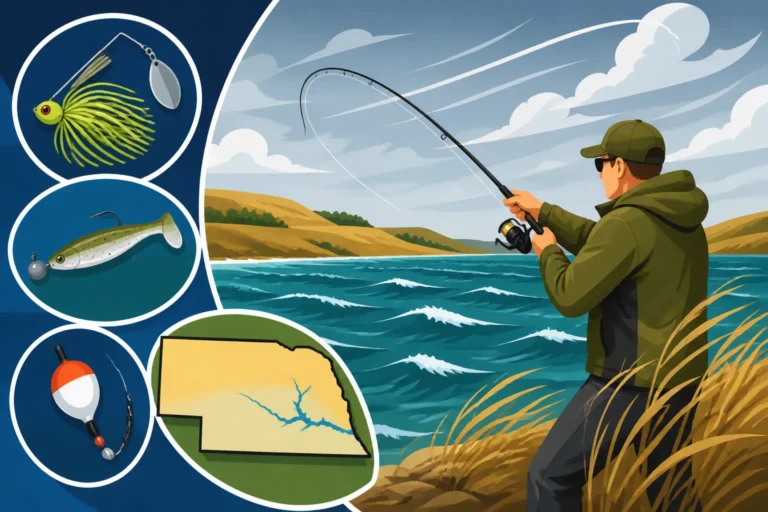
During turnover, fish are often disoriented and lethargic, meaning they're less likely to chase down a fast-moving lure. Your best bet is to appeal to their senses in different ways. High-contrast colors can be very effective in murky, churned water. Think chartreuse, bright orange, or firetiger patterns that stand out. Lures with strong vibrations or rattles can also help fish locate them in low visibility. Consider rattling lipless crankbaits, spinnerbaits, or even jigs with rattles.
Scent is another powerful tool. Adding scent to your artificial lures or using natural baits can entice fish that aren't actively feeding by sight or chasing. PowerBait, Gulp!, or various commercial fish scents can be applied to jigs and soft plastics. And don't discount live bait during turnover – a lively minnow, a juicy nightcrawler, or a chunk of cut bait can often coax a bite from even the most sluggish fish. For walleye, a slow-trolled crawler harness with an extra dose of scent, or a jig-and-minnow presentation, can be deadly. You can find a fantastic selection of these specialized lures and baits, including various soft plastics and scent attractants, on platforms like Amazon, ensuring you're stocked up for these challenging conditions.
Targeting Depths: Shallow Water vs. Deep Water
This is one of the biggest dilemmas during turnover, and the answer often depends on the specific phase of turnover and the species you're targeting. Early in the turnover process, some fish, particularly bass, might move shallower, seeking slightly warmer water or concentrating on remaining green weeds. They might also follow baitfish that are temporarily pushed into shallower bays. This can be a good time to work shallow cover like docks, brush piles, and shallow rock fields.
However, as turnover progresses and the entire water column homogenizes, fish will often spread out or relate to deeper, more stable structures. This means you might need to search deeper main lake points, humps, ledges, or old creek channels. The key is to be extremely mobile and willing to check multiple depth zones. Don't get stuck on one depth; fish might suspend anywhere from 10 to 30 feet, or even deeper. Using a Best Rod and Reel Combo for Beginners in Nebraska will give you the versatility needed to cast for shallow bass or drop jigs deep for walleye. A good strategy is to start shallow and work your way out to deeper water, systematically checking different depths until you find active fish.
Covering Water and Locating Active Schools
During turnover, fish are rarely concentrated in large, easily found schools. They're often scattered, and finding the few active fish requires covering a lot of water. Trolling can be an incredibly effective strategy for covering vast areas and presenting your lure to as many potential fish as possible. Experiment with different depths and speeds until you get a bite, then try to repeat that pattern. Fan casting shorelines, points, and humps with search baits like crankbaits or spinnerbaits is another great way to find scattered fish.
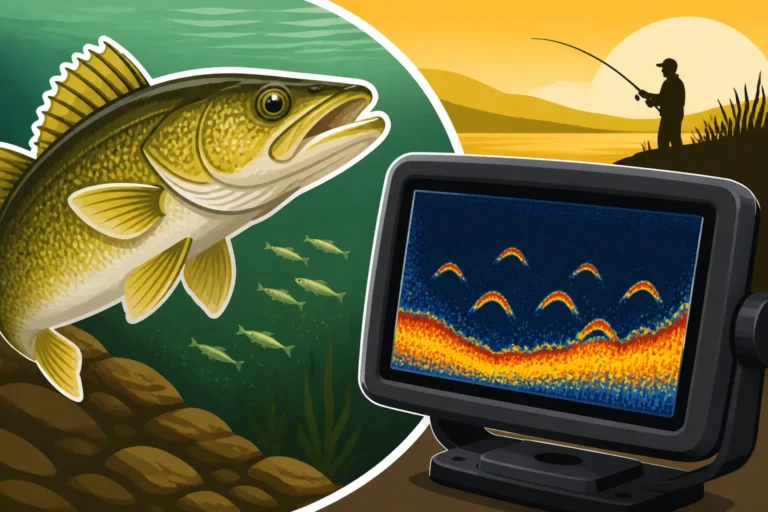
Using your electronics to spot baitfish schools is paramount. Even if you don't see massive fish arches, finding bait means you're in the right neighborhood. Game fish will be close by, even if they're not actively busting through the bait. Look for schools of shad or other forage fish, and then slow down your presentation in those areas. Don't be afraid to pull up stakes and move if you're not getting bites within 15-20 minutes. The fish are moving, and so should you. This requires a diligent approach, sometimes referred to as "power fishing," where you move quickly, making a lot of casts, until you connect. For those without a boat, targeting prominent points or long stretches of shoreline from the bank and fan casting as far as possible can also yield results.
Species-Specific Tactics for Nebraska's Fall Turnover
While general turnover strategies are helpful, understanding how specific species react to these dramatic changes can further refine your approach. Each fish has its own nuances.
Cracking the Walleye Code During Turnover
Walleye, being temperature-sensitive predators, can be particularly challenging during turnover. They tend to scatter from their predictable summer haunts. However, once the water homogenizes post-turnover, they'll often relate to main lake points, submerged humps, and the edges of old creek channels. These structures provide ambush points and are often where baitfish eventually regroup.
During the active turnover phase, when visibility is low, slow and steady is the name of the game. A jig-and-minnow presentation, or a slow-trolled crankbait in bright colors, can be very effective. Try vertical jigging spoons or blade baits over deeper structure, allowing them to flutter and enticing a reaction strike from sluggish fish. When things stabilize, consider a Best Bait for Nebraska Walleye presentation, like a crawler harness slowly trolled along contours or a bottom bouncer rig. Remember to check out our detailed guide on How to Fish for Walleye in Nebraska for more in-depth strategies specific to these prized fish. Don't forget that a good fish finder, especially models available on Amazon, can be a game-changer for locating these elusive walleye during turnover.
Finding Crappie and Panfish in the Mix
Crappie and other panfish like bluegill and perch can also become scattered and finicky during turnover. However, they are often still drawn to cover. Look for them holding tight to deep brush piles, standing timber, submerged bridge pilings, or the deeper edges of docks. These areas provide sanctuary and often hold baitfish, even when the rest of the lake is in flux.
Slow presentations are usually best. Tiny jigs tipped with a minnow or a small piece of soft plastic, fished slowly around structure, can be very effective. Try a slip bobber rig to present your bait at a precise depth above or within the cover. Focus on finding those isolated schools rather than expecting widespread activity. Once you find one, there are often more. For some great tips on targeting these tasty fish, especially when they're hiding out, check out our article on How to Catch Crappie Around Brush Piles. During the coldest parts of fall, after turnover, crappie might move even deeper, relating to main lake channels or deep humps, so be ready to adjust.
Adapting for Largemouth and Smallmouth Bass
Bass can be a bit more resilient than walleye during turnover, but they still get impacted. Initially, as the surface water cools but before the full mix, largemouth bass might push into the remaining green weed beds in shallower bays, taking advantage of the slightly warmer water and abundant baitfish. Smallmouth bass, often found on rocky main lake points and humps, might scatter initially but then regroup on similar deep rock structures post-turnover.
When the water is actively churning, reaction baits like bladed jigs, spinnerbaits, or lipless crankbaits in vibrant colors can sometimes trigger strikes from agitated bass. Work these baits around any cover or structure you can find. Once the water stabilizes, transition to slower presentations like jigs, Texas-rigged worms, or drop shots, meticulously picking apart rocky points, submerged timber, or lingering weed edges. For bass in private waters, our guide on How to Catch Largemouth Bass in Farm Ponds offers great advice, and many of those techniques for working structure translate well to larger impoundments post-turnover. Remember that bass will follow the baitfish, so finding schools of shad or other forage is key.
Advanced Tips and Mindset for Fall Fishing
Conquering fall turnover fishing often comes down to more than just lures and locations. It's about how you approach the challenge, the tools you use, and your mental fortitude.
Harnessing Technology: Sonar and Mapping
In the chaotic world of fall turnover, your boat's electronics are your best friends. A good fish finder, especially one with side imaging or down imaging capabilities, can help you locate bait balls and potential fish concentrations when they are scattered. Don't just look for big arches; pay close attention to clouds of baitfish or subtle bottom transitions. Some advanced units also show water temperature at different depths, which can help you identify if the lake has truly homogenized or if there are still thermal differences.
Detailed lake maps, whether on your fish finder's GPS or a standalone unit, are invaluable. They allow you to pinpoint subtle structural elements like submerged humps, old creek channels, and deep points that might hold fish post-turnover. Pre-fishing by studying contour lines can save you a lot of time on the water. Marking waypoints where you find bait or catch a fish is crucial for patterning activity. Remember, even basic portable fish finders, readily available on Amazon, can give bank anglers a significant advantage by helping them identify depth changes and potential fish holding areas right from shore.
Patience, Persistence, and Adapting to Conditions
Let's be real: turnover fishing can test your patience. There will be days when it feels like the fish have simply disappeared, and you'll question every cast. This is where a strong mental game comes into play. Don't get discouraged! The fish are there; they're just harder to find and catch.
Be persistent in your efforts, but also be willing to adapt. If one spot isn't producing, move. If one lure isn't working, change it. If you're fishing fast and not getting bites, slow down. If you're fishing slow and it's not working, try a faster retrieve to trigger a reaction strike. Keep a log of what worked (and what didn't) for future reference. Fall turnover is a period of constant experimentation, and the anglers who are most successful are those who are flexible, observant, and refuse to give up, even when it feels like you're fishing in a bathtub. The rewards for cracking the code during turnover are immense, often leading to some of the biggest fish of the year.
Cold Weather Gear and Safety on Nebraska Waters
As fall deepens and turnover sets in, so do the colder temperatures. It's easy to get caught off guard by a sudden drop in temperature, especially if you're out on the water for several hours. Layering your clothing is absolutely essential. Start with a moisture-wicking base layer, add an insulating middle layer (fleece or down), and top it off with a waterproof and windproof outer shell. Don't forget a warm hat, gloves, and insulated boots – cold extremities can quickly cut your trip short.
Beyond comfort, safety is paramount. Cold water immersion is a serious risk. Always wear a properly fitted personal flotation device (PFD), even if you're an experienced swimmer. It's also a good idea to inform someone of your float plan – where you're going, when you expect to return, and who to call if you don't check in. Be aware of changing weather conditions and don't venture out if strong winds or storms are predicted. For a complete rundown on staying safe, review the Nebraska Boat Safety Equipment Requirements before you head out. Being prepared for the elements and understanding the risks will ensure your fall fishing adventures are both productive and safe.
Comparative Strategies for Fall Turnover
Here’s a quick overview to help you adjust your fishing strategies throughout the different phases of fall turnover in Nebraska:
| Turnover Phase | Water Conditions | Fish Behavior & Location | Recommended Strategies | Key Lures/Baits |
|---|---|---|---|---|
| Pre-Turnover | Stratified, cooling surface, defined thermocline | Active, concentrated along thermocline/structure at depth | Fast presentations, target summer haunts, cover water quickly | Crankbaits, spinnerbaits, jigging spoons, topwater (early) |
| During Turnover | Murky, unstable, uniform temp/oxygen, debris | Disoriented, scattered, sluggish, hugging stable cover/random | Slow, vertical presentations, high-contrast, scent, experiment | Jigs (tipped with bait), slow-trolled minnows, lipless crankbaits |
| Post-Turnover | Uniform temp/oxygen, stabilizing, clearer | Re-establishing patterns, relating to structure/baitfish | Systematic search, varied depths, active/slow presentations | Jig-and-minnow, crawler harnesses, swimbaits, jerkbaits, deep cranks |
Disclaimer
Fishing conditions and regulations in Nebraska can change. Always consult the latest Nebraska Game and Parks Commission regulations booklet or their official website at GoOutdoorsNE before heading out. This guide is for informational purposes only and should not replace official sources. Be aware of Nebraska Aquatic Habitat Stamp Explained requirements and consider Nebraska Fishing Violation Penalties to ensure a responsible and legal fishing experience.