Best Multi-Species Rod for Nebraska Anglers
One of the biggest headaches for any angler who loves the sheer variety of Nebraska's fishing opportunities is the constant debate over gear. Do you really need a different rod for walleye on Lake McConaughy, another for channel cats in the Platte River, and yet another for crappie in a local pond? It's easy to feel overwhelmed by the sheer number of specialized rods out there. This guide is here to cut through the confusion and help you discover how a single, well-chosen multi-species rod can be your secret weapon, simplifying your tackle while maximizing your success across the Cornhusker State's diverse waters.
Why a Multi-Species Rod is a Game-Changer for Nebraska Fishing
Nebraska offers an incredible array of fishing experiences, from vast reservoirs to winding rivers and countless farm ponds. While specialized rods certainly have their place for dedicated pursuit of a single species or technique, the reality for most of us is that we don't have the luxury, or the budget, to own a dozen different setups. This is where the multi-species rod shines, offering a practical, efficient, and often more enjoyable way to tackle the waters of Nebraska.
The Nebraska Angler's Dilemma: Diverse Waters, Diverse Fish
Think about it: one day you might be chasing elusive walleye on Lake McConaughy Fishing Guide, trying to feel the slightest tap on your line through the depths. The next, you could be setting up for robust channel catfish on the Platte River Catfish Fishing, needing enough backbone to haul them out of current or cover. Then there's the delicate dance of tempting crappie or bluegill in a quiet cove or farm pond. Each of these scenarios, traditionally, might call for a distinctly different rod.
This isn't just about fish, either; it's about the environments. Fishing from a boat on a large reservoir requires different considerations than wading a small stream or casting from the bank of a suburban pond. Juggling multiple rods, transporting them, and constantly switching setups can be a real hassle, eating into precious fishing time and often leading to frustration rather than relaxation. You want to be ready for whatever bites, without having to pack the entire tackle shop.
The Practical Benefits of Versatility
Opting for a quality multi-species rod immediately offers several undeniable advantages. Firstly, there's the significant cost savings. Instead of investing in three or four specialized rods, you can put your budget towards one really good, versatile rod that performs admirably across a spectrum of techniques and target species. This means more money left over for quality reels, lines, and an assortment of baits.
Secondly, space and portability are huge factors. A single rod takes up far less room in your vehicle, boat, or garage. It's easier to grab and go for a spontaneous fishing trip, whether you're heading to a nearby urban pond or venturing out to one of the larger Best Places to Fish in Nebraska. Less gear to lug around means more energy for fishing itself. This simplified approach can make fishing more accessible and less daunting, especially for those new to the sport or for families with kids learning How to Teach a Kid to Fish in Nebraska.
Key Characteristics of a Great Multi-Species Rod
Finding that sweet spot in a multi-species rod means understanding a few fundamental characteristics: rod power, action, length, and material. These elements work together to determine how a rod will perform with different baits and fish.
Rod Power and Action: Finding the Sweet Spot
Rod power refers to the amount of force needed to bend the rod, generally categorized as ultra-light, light, medium-light, medium, medium-heavy, heavy, and extra-heavy. A lighter power rod is great for smaller fish and delicate presentations, while a heavier power rod is for larger, stronger fish and heavier baits. For a multi-species rod in Nebraska, you're looking for a balance.
A medium-light to medium power rod is often the ideal sweet spot. A medium-light offers enough finesse for crappie, bluegill, and smaller bass, allowing you to feel subtle bites and cast lighter lures. A medium power provides enough backbone to handle a good-sized walleye, an average channel catfish, or a feisty largemouth bass, giving you the control to turn a fish away from cover. This range gives you the versatility to fish jigs for walleye, throw crankbaits for bass, or even dabble with live bait rigs for catfish, all with confidence.
Rod action, on the other hand, describes where the rod bends when pressure is applied.
- Fast action means the rod bends mostly in the tip, offering excellent sensitivity and quick hook sets. This is fantastic for feeling those light walleye bites or setting the hook quickly on a bass.
- Moderate-fast action bends further down, into the upper third of the rod, providing a good balance of sensitivity and a slightly more forgiving feel, which can be beneficial when a fish makes a sudden run.
- Moderate (or parabolic) action bends more uniformly throughout the entire length, offering a great casting arc and shock absorption, often preferred for moving baits like crankbaits or for fighting strong, surging fish.
For a true multi-species rod, a fast to moderate-fast action is generally recommended. It provides the sensitivity you need to detect light bites, but enough flex to absorb the shock of a hard-fighting fish and prevent hooks from tearing out. This combination allows for a wide range of lure types and techniques, making it adaptable to different species and conditions.
Rod Length: Balancing Castability and Control
The length of your rod plays a crucial role in casting distance, accuracy, and overall control. Longer rods (7 feet and up) excel at casting lighter lures further and covering more water, which can be invaluable on vast waters like Lewis and Clark Lake Fishing Guide or when shore fishing. Shorter rods (under 6'6") offer more precision and control, better for close-quarters casting or working baits in tight spots.
For a versatile Nebraska multi-species rod, a length between 6'10" and 7'2" often hits the mark.
- A 6'10" rod offers a great blend of casting accuracy and power, making it comfortable for both boat and bank fishing. It's long enough to provide good leverage on a fighting fish but not so long that it becomes cumbersome in tighter spots.
- A 7' to 7'2" rod will give you that extra casting distance when you need to reach distant structure or cover more ground. It also helps with line pickup when fishing in deeper water or with slack line. This range is excellent for everything from pitching jigs for bass to fan-casting a crankbait for walleye or dropping a live bait rig for catfish.
Consider the primary type of fishing you'll be doing. If you mainly fish from a boat on large reservoirs, a longer rod might be more advantageous. If you spend a lot of time on smaller rivers or farm ponds with overhead obstructions, the shorter end of this range might be more practical.
Material and Construction: Sensitivity and Durability
The materials used in a rod's construction directly impact its sensitivity, weight, and durability.
- Graphite rods are known for their exceptional sensitivity and lightweight feel. This is a huge advantage when you need to feel the subtle "thump" of a walleye or the soft pickup of a crappie. High-modulus graphite offers the pinnacle of sensitivity, allowing you to detect even the most finicky bites.
- Fiberglass rods are more durable and parabolic, meaning they bend more throughout their length. They are excellent for techniques where you need a slower, more forgiving action, such as trolling large crankbaits or soaking baits for large catfish, but they lack the sensitivity for finesse presentations.
- Composite rods blend graphite and fiberglass, aiming to combine the sensitivity of graphite with the durability and flexibility of fiberglass. Many excellent multi-species rods utilize composite blanks to achieve this balance.
For a multi-species rod designed to excel in Nebraska, a high-quality graphite or composite blank is usually the best bet. You need that sensitivity to feel what's happening at the end of your line, especially when targeting species like walleye or panfish that might bite very lightly. The lightweight nature also reduces fatigue during a long day of casting. However, it's also crucial for the rod to have enough durability to withstand the vigorous fights of a strong channel cat or a determined largemouth bass, ensuring your investment lasts through many fishing seasons. Good guides (the rings your line passes through) and a comfortable, ergonomic handle (cork or EVA foam) also contribute significantly to the rod's overall performance and feel.
Matching Your Multi-Species Rod to Common Nebraska Fishing Scenarios
The beauty of a well-chosen multi-species rod lies in its adaptability. Let's look at how such a rod can serve you well across Nebraska's varied fishing landscape.
Reservoir Walleye and Bass Angling
When you're out on big water like Merritt Reservoir Fishing Guide or Branched Oak Lake Fishing Guide, a medium-power, fast-action spinning rod in the 6'10" to 7'2" range truly shines. For walleye, this setup allows you to effectively jig with 1/4 to 1/2 ounce jigs, feeling every tick and bump on the bottom. The fast action ensures quick, decisive hook sets crucial for walleye's bony mouths. It's also excellent for casting various crankbaits or dragging bottom bouncers with How to Use a Crawler Harness for Walleye. The sensitivity of a graphite rod helps you differentiate between a snag and a subtle bite, a critical skill when targeting deep-water walleye.
For largemouth and smallmouth bass in these same reservoirs, the same rod excels. You can cast weightless soft plastics, Texas rigs, spinnerbaits, and medium-diving crankbaits with ease. The rod's backbone provides the power needed to pull a bass out of submerged timber or weed beds, while the sensitive tip allows for intricate lure presentations and feeling those subtle pick-ups. Whether you're targeting shallow cover or deep structure, this rod gives you the versatility to adjust your technique. You might find a great selection of these versatile rods at a local Bass Pro Shops, where you can physically handle different models to get a feel for them.
River Catfish and Panfish Opportunities
Venturing into Nebraska's rivers, whether it's the Missouri or the smaller Elkhorn, often means encountering channel catfish, along with panfish in quieter backwaters. A medium-power, moderate-fast action rod is surprisingly effective here. While dedicated catfishing rods might be heavier, this multi-species rod can handle average channel cats with ease, especially if you're using appropriate line. You can cast cut bait or prepared baits with enough force to reach prime holes, and the rod still offers enough forgiveness to handle a catfish's strong runs without tearing the hook out.
In the calmer stretches or oxbows of these rivers, or when visiting urban fishing ponds, the same rod can effortlessly switch to panfish duty. Pair it with a lighter line or a Best Slip Bobber Setup for Panfish, and you'll have no problem casting small jigs or live bait for crappie, bluegill, and even smaller bass. The sensitive tip, especially on a quality graphite rod, is paramount for detecting the notoriously light bites of panfish. This versatility means you don't need to haul a separate ultra-light setup if you decide to target a few bluegill after chasing catfish.
Pond Hopping and Stream Fishing
Nebraska is dotted with countless farm ponds, state park ponds, and smaller streams that offer fantastic fishing, especially for bass and panfish. This is where the portability and adaptability of a multi-species rod truly shine. For a quick evening trip to a local pond, or a weekend adventure exploring different bodies of water, a single rod is all you need.
You can throw a variety of lures, from topwater poppers for aggressive bass to tiny jigs for bluegill, all with the same setup. The modest length (around 7 feet) is generally manageable for casting around bankside vegetation or overhanging branches common in these environments. It offers enough finesse for light presentations but also the backbone to prevent a feisty largemouth from diving into heavy cover. This makes it an excellent choice for a beginner's first rod, or for an experienced angler who values simplicity and efficiency on the water.
Setting Up Your Multi-Species Rod: Reel, Line, and Lures
Choosing the perfect multi-species rod is just the first step. To unlock its full potential, you need to pair it with the right supporting cast: the reel, line, and a versatile selection of lures. This complete package will ensure you're ready for almost anything Nebraska's waters throw your way.
The Ideal Reel Pairing
For a truly versatile multi-species rod in Nebraska, a spinning reel is usually the top choice. While baitcasting reels offer precision and power, spinning reels are generally more forgiving for a wider range of line types and lure weights, making them easier for beginners and more adaptable for varying techniques.
Look for a medium-sized spinning reel, typically in the 2500 or 3000 series.
- A 2500 series reel provides a good balance of line capacity and retrieve speed, perfect for lighter presentations but still capable of handling larger fish.
- A 3000 series offers slightly more line capacity and often a bit more drag power, which can be reassuring when you hook into a larger walleye or catfish.
Ensure the reel is smooth, has a reliable drag system, and balances well with your chosen rod. A poorly balanced setup can lead to fatigue and reduced sensitivity. Many anglers find excellent deals and a wide variety of options on Amazon, where detailed product descriptions and customer reviews can help you narrow down your choices.
Versatile Line Choices
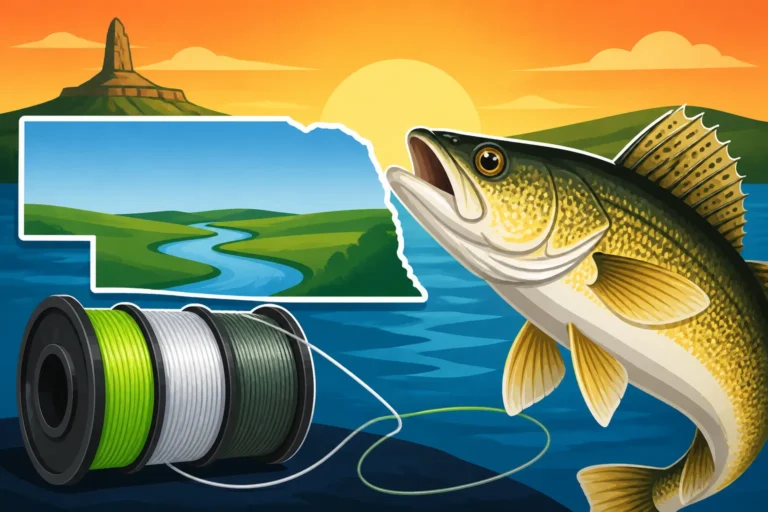
Your fishing line is the crucial connection between you and the fish, and choosing the right type can significantly impact your multi-species success. For ultimate versatility, a combination of braided line with a fluorocarbon leader is tough to beat.
- Braided line is incredibly sensitive, allowing you to feel the most subtle bites. It has virtually no stretch, which translates to powerful hook sets, even at long distances. It's also very strong for its diameter, giving you an advantage when fighting larger fish or fishing around abrasive cover. Spool your reel with 10-20 lb braided line, depending on the average size of fish you expect to encounter.
- Fluorocarbon leader is nearly invisible underwater and provides excellent abrasion resistance. Tying a 6-10 lb fluorocarbon leader (using a knot like the FG or Double Uni) to your braided mainline gives you the benefits of both: sensitivity and strength from the braid, and stealth and abrasion resistance from the fluoro.
Alternatively, a good quality monofilament line (8-12 lb test) can also serve as a versatile option, especially for beginners. Monofilament has more stretch, which can be forgiving when fighting fish, and it's less visible than braid without a leader. However, it lacks the sensitivity of braid. For Best Fishing Line for Nebraska Walleye, many prefer braid with a fluoro leader for the feel.
Tackle Box Essentials for the Multi-Species Angler
With your multi-species rod and reel combo, a streamlined tackle box filled with versatile lures will have you ready for almost anything. Focus on baits that appeal to a wide range of Nebraska's popular game fish.
Here are some essentials:
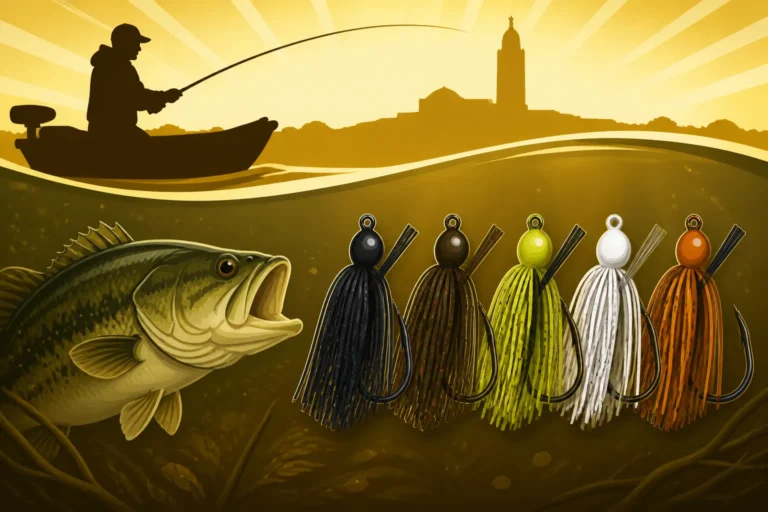
- Jigs: From small 1/16 oz panfish jigs to 1/2 oz walleye jigs, these are incredibly versatile. Tip them with soft plastics, minnows, or worms.
- Soft Plastics: Grubs, worms, and paddle tail swimbaits in various sizes and colors. These can mimic baitfish, worms, or crawfish and are deadly for bass, walleye, and crappie.
- Crankbaits: Medium-diving crankbaits in baitfish patterns (shad, perch) will attract bass, walleye, and even pike. A few shallow-diving models are also good for ponds and rivers.
- Spinnerbaits/Chatterbaits: Excellent for bass, pike, and even aggressive walleye, especially in areas with vegetation.
- Live Bait Rigs: A selection of hooks (various sizes of octopus or circle hooks), sinkers (split shot, bullet weights, egg sinkers), and bobbers (slip bobbers are fantastic for versatility) for presenting live bait like nightcrawlers, minnows, or leeches. Don't forget swivels to prevent line twist.
- Terminal Tackle: Always carry extra snaps, swivels, and a variety of hook sizes.
With this well-rounded setup, your multi-species rod becomes a true workhorse, allowing you to seamlessly transition from one species or technique to another, making every fishing trip in Nebraska more productive and enjoyable.
| Rod Characteristic | Ideal Multi-Species Range | Primary Benefit for Nebraska Anglers | Best For (Examples) |
|---|---|---|---|
| Power | Medium-Light to Medium | Handles diverse fish sizes and lure weights | Crappie, Bluegill, Walleye, Bass, Smaller Catfish |
| Action | Fast to Moderate-Fast | Sensitivity for light bites, strong hook sets | Jigging, Texas-rigging, Crankbaiting, Live Bait |
| Length | 6'10" to 7'2" | Balances casting distance, accuracy, and control | Boat & Bank Fishing, Reservoirs, Rivers, Ponds |
| Material | Graphite or Composite | High sensitivity, lightweight, good durability | Feeling subtle bites, all-day casting, fighting varied fish |
Disclaimer
This article is for general informational purposes only and does not constitute professional advice. Laws, prices and regulations vary by location and change over time. Consult a qualified professional for guidance on your specific situation.