How to Fish a New Reservoir You’ve Never Fished
There's nothing quite like the thrill of exploring a new fishing spot in Nebraska, but that excitement can quickly turn into frustration when you show up to an unfamiliar reservoir with no idea where to start. It's a common struggle for anglers of all experience levels to decipher a vast new body of water, but don't worry – this guide is designed to help you break down that intimidation factor and develop a systematic approach to effectively fish a new reservoir you've never visited before.
Before You Go: Arming Yourself with Knowledge
Stepping onto the bank or launching your boat into an unfamiliar reservoir without any prior knowledge is like trying to navigate a maze blindfolded. While some days you might get lucky, a more strategic approach almost always yields better results. The key to unlocking a new body of water often begins long before you even leave your driveway.
Researching Maps and Satellite Imagery
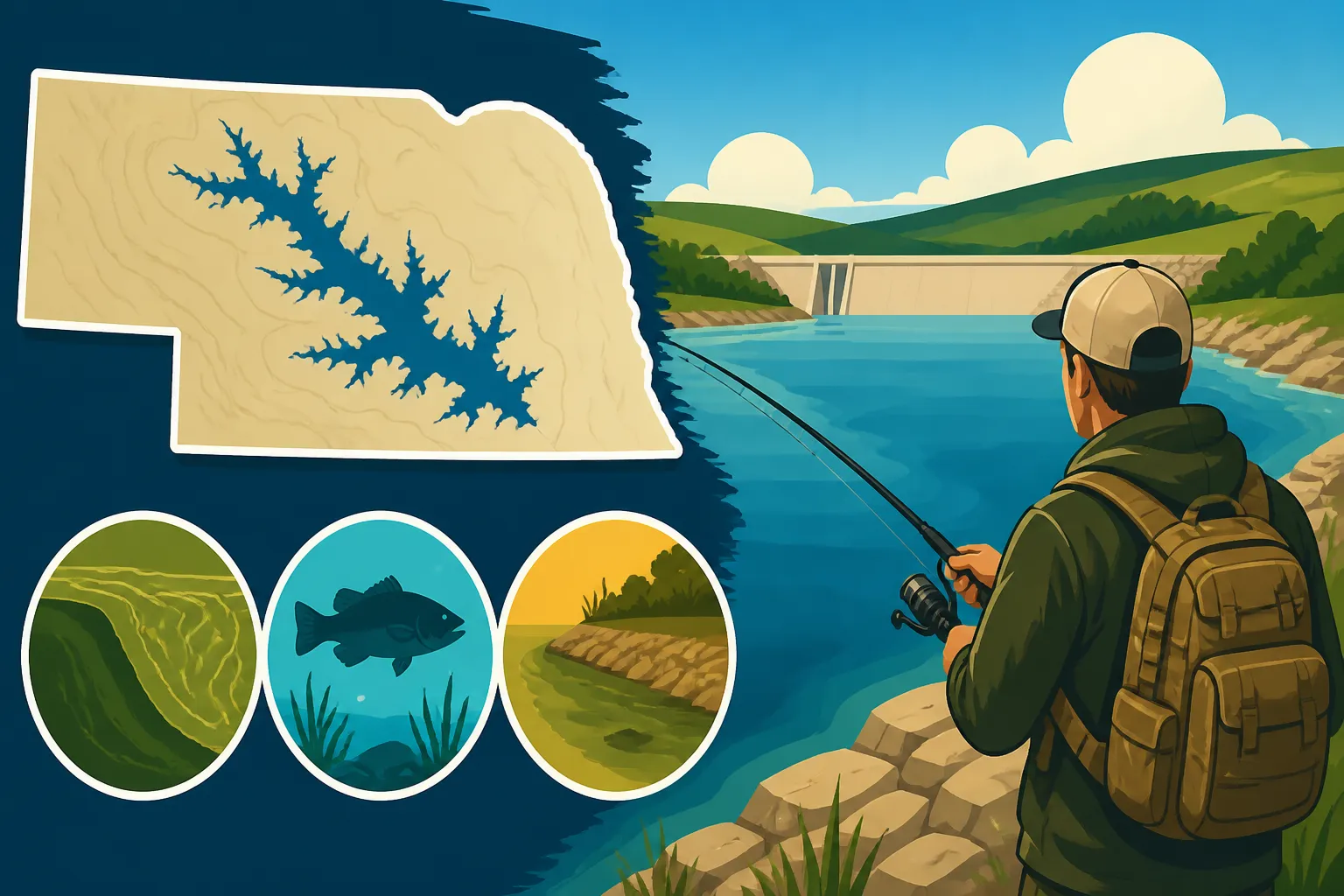
In today's digital age, you have an incredible wealth of information at your fingertips, and it's foolish not to use it! Start by pulling up detailed maps of the reservoir. I'm talking about topographical maps that show depth contours, old river channels, submerged roadbeds, and points. These are goldmines for understanding the underwater landscape. Look for sudden depth changes, creek mouths, main lake points, and areas where cover might exist. Many online mapping services offer satellite views, which can reveal visible structures like docks, fallen trees, weed lines, or even old foundations near the shore. Pay close attention to any areas that look "fishy" from above – perhaps a stretch of riprap, a shallow flat adjacent to deep water, or a secluded coves. You can often find waterproof physical maps on platforms like Amazon if you prefer a tangible reference on the water.
Beyond general topography, consider what type of reservoir it is. Is it a flood control lake, a power plant cooling lake, or part of a river system? Each type can have distinct features and fish behaviors. For instance, a flood control reservoir might have more fluctuating water levels, which impacts where fish hold. Understanding the history of the lake, even a little bit, can give you huge clues.
Understanding Species and Seasonal Patterns
Knowing what you're trying to catch is paramount. You wouldn't use tiny crappie jigs to target a trophy flathead catfish, right? Research the primary game fish species present in the Nebraska reservoir. Is it known for its walleye population, or is it more of a bass and crappie lake? Once you know the target species, you can then begin to understand their typical behaviors and preferred habitats within that specific lake. For example, if you're targeting walleye, you'll want to think about where they typically hold during different seasons – are they on main lake points, submerged humps, or near the dam? You'll find a lot of helpful information by reading up on topics like Walleye Fishing in Nebraska or Channel Catfish Fishing in Nebraska.
Seasonality plays a massive role. Fish behave differently in spring, summer, fall, and winter. In spring, many species are shallow, preparing to spawn or just finishing up. By summer, they've often moved to deeper, cooler water or are congregating around active baitfish. Fall can see them feeding aggressively before winter, while winter might mean slow, deep presentations, especially if you're How to Ice Fish in Nebraska. Understanding the general Nebraska Fishing Seasons Explained will give you a significant advantage, helping you narrow down the most productive areas and techniques for the time of year you're visiting.
Checking Regulations and Local Reports
Before you even tie on your first lure, make sure you're legal! Always check the specific fishing regulations for the body of water you intend to fish. Nebraska has statewide regulations, but individual lakes or reservoirs can have special rules regarding length limits, bag limits, or even bait restrictions. You don't want to accidentally violate any rules and ruin your trip. I recommend reviewing the Nebraska Fishing Regulations Explained and specifically looking into Nebraska Fishing Daily Bag and Possession Limits for your target species.
Beyond regulations, scour the internet for recent fishing reports or forums related to that specific reservoir. Local bait shops are also incredible resources if you can call ahead or stop in. Anglers often share information about what's biting, what baits are working, and what areas have been productive. While you shouldn't rely solely on these reports – conditions change daily – they can provide a fantastic starting point and help confirm your research about where fish might be holding. Think of it as getting a few hints before you start the scavenger hunt!
On the Water: Reading the Signs
Once you're actually at the reservoir, it's time to put on your detective hat. The water itself, and the surrounding environment, will provide a wealth of clues if you know how to look for them. This stage is all about observation and using your tools effectively.
Visual Scouting: Interpreting the Shoreline and Water
The shoreline of a reservoir is a direct reflection of what's happening underneath the water. Take your time driving or boating around the lake, visually scanning everything. Look for:
- Changes in Shoreline: A rocky bank usually means a rocky bottom extending out. A muddy, shallow bank suggests a soft, silty bottom. A steep bluff dropping into the water often indicates deep water close to shore.
- Visible Cover: Fallen trees, brush piles, emergent weeds, old docks, or even riprap around bridges or causeways are all magnets for fish. Predators often use these structures for ambush points, and baitfish hide in them.
- Water Color and Clarity: Is the water clear, stained, or muddy? This impacts lure choice and presentation. Clear water often means longer leaders and more natural presentations, while stained water can allow for bolder colors and closer approaches. Areas where clear water meets stained water (like after a rain) can be transition zones where fish congregate.
- Baitfish Activity: Look for schools of baitfish flickering on the surface, especially in the mornings or evenings. If you see bait, you can bet predators aren't far behind. Birds diving, especially gulls or pelicans, can also indicate active baitfish schools.
- Wind and Current: Wind pushes baitfish and creates current, which can position predator fish. Pay attention to how the wind is hitting points and coves. Sometimes, the wind-blown bank is the best place to start. If there's any visible current (perhaps near a dam or spillway), fish will often orient themselves into it, waiting for food to be swept by.
Using Electronics: Fish Finders and Mapping Units
If you have a boat with a fish finder and GPS mapping, this is where they truly shine. Don't just motor around randomly; use your electronics systematically.
- Depth Contours: Your GPS mapping unit will show you the topographical lines you researched online. Focus on areas where these lines are tight (indicating a steep drop-off) or where they form distinct humps, points, or channels.
- Sonar Interpretation: Learn to interpret your sonar screen. Look for bait balls, arches (indicating individual fish), and changes in bottom composition. A hard bottom (rock, gravel) will show a thicker, more defined line than a soft bottom (mud, silt). Practice identifying submerged timber or brush piles. You can find excellent guides on How to Read a Fish Finder for Walleye to sharpen your skills.
- Side Imaging/Down Imaging: If your unit has these features, use them to scan wide areas for structure off to the sides or directly beneath your boat. You might spot a hidden brush pile or a school of fish that traditional 2D sonar wouldn't reveal until you were right on top of them.
- Marking Waypoints: As you scout, mark anything that looks promising on your GPS: submerged points, brush piles, channel swings, baitfish schools, or even fish you see on sonar. These waypoints will be invaluable for returning to productive areas.
Table: Pre-Trip Research vs. On-Water Scouting
| Aspect | Pre-Trip Research (Home) | On-Water Scouting (Reservoir) |
|---|---|---|
| Maps | Topographical, satellite, historical data | GPS mapping unit, real-time depth contours |
| Species Info | Known populations, seasonal behavior | Observed baitfish, fish on sonar, angler reports |
| Regulations | Statewide & local limits, special rules | Confirmed understanding, awareness of signs/buoys |
| Reports | Online forums, recent articles, calls to bait shops | Talking to local anglers, observing activity |
| Structure | Identified channels, humps, points, roadbeds | Visual confirmation (shoreline), sonar verification, side imaging |
| Cover | General areas of timber, weed beds (potential) | Visible brush, fallen trees, docks, emergent weeds |
| Environmental | Historical weather, typical water levels | Current water color, clarity, temperature, wind, current |
Making Your First Casts: The Search and Adapt Strategy
You've done your homework, you've scouted the water, and now it's time to actually fish. This isn't about randomly throwing lures; it's about systematically eliminating unproductive water and finding where the fish are holding.
Starting Points and Initial Presentations
Based on your research and scouting, you should have a few "high-probability" areas marked. These are the places where you expect fish to be, given the season and the species you're targeting. Start at one of these locations.
- Cover the Water Column: Begin by trying different depths. Fish might be suspended, on the bottom, or relating to a thermocline. If you're using crankbaits, try different diving depths. If you're jigging, let it sink all the way to the bottom, then retrieve it in different depths.
- Experiment with Lure Types: Don't get stuck on one bait right away. Have a small selection of versatile lures that mimic common baitfish or forage in the area. Start with something that allows you to cover water efficiently, like a crankbait, spinnerbait, or a swimbait. If you're targeting bottom-dwellers, a jig or a Carolina rig might be a better start. It's not about throwing the whole tackle box, but rather having a few go-to choices that you can swap out quickly.
- Vary Retrieval Speeds and Actions: Fish can be particular. One day they might want a fast, erratic retrieve, and the next they might prefer a slow, subtle presentation. Pay attention to how the fish react (or don't react) to your lures. Don't be afraid to slow down significantly if you're not getting bites.
Consider the time of day as well. Early mornings and late evenings are often prime feeding times, but fish can be caught all day, especially if Nebraska Fishing Weather and Barometric Pressure Tips are favorable. Remember, fish might move between different depths or structures throughout the day as light conditions and water temperatures change.
Learning from Every Cast: Positive and Negative Feedback
Every cast, every retrieve, every bump (or lack thereof) is providing you with valuable information. You need to be a keen observer and adapt your strategy based on this feedback.
- The Bite: Congratulations, you got a bite! Now, analyze it. Where did it happen – what depth, what type of structure, what presentation? Was it a hard strike or a subtle tap? If you catch a fish, immediately try to replicate those conditions. Cast to the exact same spot, use the same lure, depth, and retrieve. Often, fish will be schooled up in similar areas. Mark that spot on your GPS as a productive zone.
- Lack of Bites: This is just as important as getting a bite. If you've worked an area thoroughly with several different presentations and haven't had a sniff, don't waste precious time. Move on! The fish aren't there, or they're not active. Don't be afraid to abandon a spot you thought was a sure thing.
- Environmental Cues: Are the baitfish more active in another area? Did the wind shift, creating a new wind-blown bank? Is the water clarity different in a nearby cove? Continuously re-evaluate the conditions and how they might be influencing fish behavior. Even subtle changes in water temperature can make a difference.
- Adjusting Your Approach: Based on the feedback, make small, calculated adjustments. If you were casting to a point, try moving deeper along the point, or shallower. If crankbaits aren't working, switch to a jig. If you're fishing for bass, consider whether the conditions call for Best Lures for Nebraska Bass or a more finesse approach. The key is to make one change at a time so you can isolate what's working (or not working). This systematic approach helps you to How to Pattern Fish on an Unfamiliar Lake.
Embracing the Learning Curve: Adjusting and Persisting
Fishing a new reservoir is a marathon, not a sprint. There will be days when the fish seem impossible to find, and others when you feel like you've unlocked all its secrets. The ability to adjust, persist, and enjoy the process is what makes a successful angler.
Changing Conditions and Adapting Your Game Plan
Nebraska weather, as many of us know, can be famously unpredictable. What starts as a calm, sunny morning can quickly turn into a windy, cloudy afternoon, or even bring a sudden cold front. These changes will affect fish behavior, and your ability to adapt is crucial.
- Weather Fronts: A strong cold front often makes fish lethargic and less willing to bite. You might need to slow down your presentation considerably, use smaller baits, and focus on deeper, more stable areas. Conversely, an approaching warm front or stable weather can make fish more aggressive, allowing for faster retrieves and more active lures. Paying attention to Nebraska Fishing Weather and Barometric Pressure Tips can give you an edge.
- Water Levels and Clarity: Heavy rains can drastically raise water levels and muddy the water, pushing fish into shallower cover or creek channels. Drought conditions can lower water levels, concentrating fish in smaller, deeper areas. Adjust your target zones and lure choices accordingly. For instance, in muddy water, vibration and scent become more important, so a thumping spinnerbait or a smelly cut bait for catfish might be more effective.
- Time of Day: As the day progresses, light penetration changes, and water temperatures fluctuate. Fish that were shallow at dawn might retreat to deeper water or denser cover during the bright midday sun. Adjust your depths and consider switching to lures that work better in different light conditions, like topwater lures in low light or deep-diving crankbaits in bright sun.
Don't Be Afraid to Experiment
One of the biggest mistakes anglers make on new water is getting stuck in a rut. "This lure always works for me back home!" they'll say, only to get skunked. A new reservoir demands an open mind.
- Try Different Techniques: If casting and retrieving isn't working, try vertical jigging. If artificial lures are getting no love, consider live bait, assuming regulations allow it. Best Bait for Nebraska Walleye or Best Live Bait for Nebraska Catfish can make a huge difference. Think outside your comfort zone. If you're primarily a bass angler, don't hesitate to try some panfish techniques if the bass aren't biting; you might stumble upon a pattern for a different species.
- Explore Different Zones: If your initial target areas aren't producing, don't be afraid to venture into completely different parts of the reservoir. If you started on the main lake, try a back coves. If you were fishing deep, try shallow. Sometimes the most overlooked areas hold the most active fish.
- Talk to Others: If you see other anglers on the water, especially those who look like they know what they're doing, a friendly "How's the fishing?" can sometimes lead to invaluable advice. Most anglers are happy to share a tip or two, especially if you're respectful and don't try to crowd their spot.
The Joy of Discovery
Ultimately, fishing a new reservoir is an adventure. It's a chance to learn, to challenge yourself, and to discover new productive water. Some days will be tough, and you might not catch many fish. But every trip is a learning experience. You'll gather more data, refine your approach, and slowly but surely, start to piece together the puzzle of that particular body of water.
Remember that fishing is about more than just catching fish; it's about connecting with nature, enjoying the peace and quiet, and the satisfaction of figuring things out. Even on slow days, you're building a mental map, gathering intelligence, and developing your skills as an angler. Keep a positive attitude, be persistent, and embrace the journey of discovery that comes with fishing any new water in our great state of Nebraska.
Disclaimer
This article is for general informational purposes only and does not constitute professional advice. Laws, prices and regulations vary by location and change over time. Consult a qualified professional for guidance on your specific situation.