Best Polarized Sunglasses for Spotting Fish
There's nothing quite as frustrating as being out on the water, knowing the fish are there, but simply not being able to see them. That relentless glare off the surface of a Nebraska lake or river can be a real vision blocker, making it impossible to spot submerged structure, follow your line, or even identify that subtle flash of a cruising walleye. This guide is all about cutting through that surface clutter and helping you pick out fish with the right pair of polarized sunglasses, transforming your fishing experience for the better.
Why Polarized Sunglasses Are a Game-Changer for Nebraska Anglers
If you've ever squinted at the water on a sunny day, trying desperately to peer below the surface, you know the struggle is real. The sun's reflection creates a shimmering, opaque barrier that hides all the action beneath. That's where polarized sunglasses step in, literally changing how you see the world under the water. They're not just a fashion accessory; they're an indispensable tool for any serious angler in Nebraska.
The Science Behind Polarization
So, how do these magical glasses work? It's all about how light travels. Sunlight bounces off surfaces like water, asphalt, or glass, creating what we call glare. This glare isn't just bright; it's often polarized horizontally. Imagine light waves vibrating in every direction. When they hit a flat surface, many of them start vibrating horizontally, creating that blinding sheen. Polarized lenses have a special filter that's designed to block this horizontal light while letting vertical light pass through.
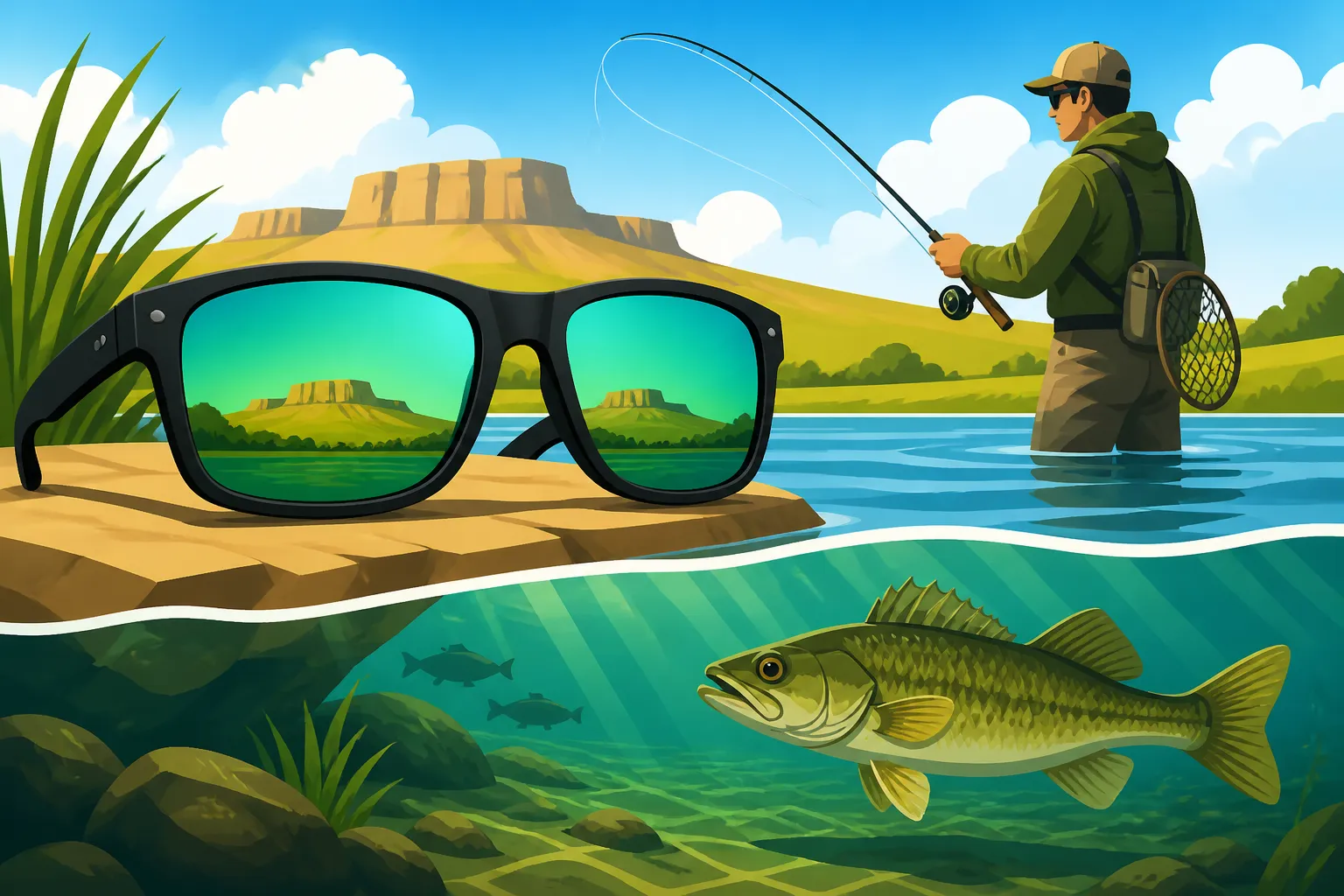
What this means for you on a Nebraska lake or river is that the obnoxious horizontal glare is significantly reduced, allowing your eyes to penetrate the water's surface. You'll suddenly be able to see weed lines, rock piles, drop-offs, and, most importantly, the fish themselves. It's like someone turned on a light switch underwater, revealing a whole new dimension to your fishing grounds.
Beyond Just Seeing Fish: Other Benefits
While spotting fish is undoubtedly the primary allure, polarized sunglasses offer a whole host of other advantages that make your time on the water more comfortable and safer. Think about those long summer days under the intense Nebraska sun. Squinting all day doesn't just give you a headache; it can cause long-term eye strain and damage. Polarized lenses reduce that strain dramatically, allowing you to enjoy your outing without discomfort.
They also enhance contrast, making it easier to distinguish between different shades and textures underwater. This can be crucial for discerning a subtle log from a shadow or a piece of debris from a feeding fish. Plus, let's not forget the added safety aspect. Being able to clearly see obstacles in the water, whether you're navigating a boat or wading a river, can prevent accidents. Imagine spotting a submerged stump before you run into it, or seeing that slick rock before you step on it while wading the Platte River safely. They truly make your entire fishing experience more effective and enjoyable.
The Frustration of Unpolarized Vision
Many anglers start out with regular sunglasses, or worse, no sunglasses at all. They figure "sunglasses are sunglasses," and any pair will do. But the moment you put on a quality pair of polarized lenses after years of squinting, it's an "aha!" moment. You realize just how much you've been missing. You've been casting blindly into what looked like an empty expanse, when beneath the surface, a whole ecosystem was thriving, hidden from your view by nothing more than reflected light.
This frustration of knowing fish are present but being unable to locate them can lead to wasted time, incorrect lure presentations, and ultimately, fewer bites. It's like trying to navigate a dense fog – you know there's land ahead, but you can't see the path. Switching to polarized lenses removes that fog, offering clarity and a distinct advantage, whether you're bank fishing for crappie at Branched Oak Lake or trolling for walleye on Lake McConaughy.
Key Features to Look for in Fishing Sunglasses
When you're ready to invest in a pair of polarized sunglasses for your Nebraska fishing adventures, it's easy to get overwhelmed by the sheer number of options. Don't worry, we're going to break down the most important features so you can make an informed choice that suits your specific needs.
Lens Material and Color
The lenses are the heart of your polarized sunglasses, and their material and tint play a huge role in performance.
Lens Materials: Polycarbonate vs. Glass
- Polycarbonate Lenses: These are generally lighter and more impact-resistant, making them a great choice if you're prone to dropping your glasses or if you're fishing in situations where a stray lure might hit them. They're also often more affordable. However, they can be more susceptible to scratches over time if not cared for properly. Many popular brands offer excellent polycarbonate options that provide fantastic clarity.
- Glass Lenses: For the ultimate in optical clarity and scratch resistance, glass lenses are often the top choice. They tend to be heavier than polycarbonate, which can be a factor for all-day comfort, but the crispness of vision they provide is unparalleled. If you're serious about seeing every detail underwater and are careful with your gear, glass lenses are a premium option worth considering.
Lens Colors and Their Applications in Nebraska Waters
The color of your lenses isn't just about style; it's about optimizing your vision for different light conditions and water types you'll encounter across Nebraska.
- Grey/Black Lenses: These are fantastic for bright, sunny days and clear water. They reduce overall light transmission without distorting colors, offering a true-to-life view. Perfect for those wide-open, clear waters of Lake McConaughy or when the sun is high and bright.
- Brown/Amber/Copper Lenses: These are arguably the most versatile tints for general fishing conditions. They enhance contrast and depth perception, especially in varied light conditions like partly cloudy days or early morning/late evening. They're excellent for spotting fish in both clear and slightly stained waters, making them a solid all-around choice for many Nebraska lakes and rivers. A copper tint, for instance, can really make structure pop when you're How to Find Walleye on Deep Humps and Points.
- Yellow/Rose Lenses: When light conditions are really low, like during heavy overcast skies, dawn, dusk, or in heavily stained, muddy rivers like parts of the Platte or Missouri, these lighter tints can make a huge difference. They brighten your vision and offer superior contrast, helping you pick out shapes and movements even when visibility is naturally poor.
- Green Mirror/Blue Mirror Lenses: These are typically grey or brown base lenses with an added mirror coating. The mirror coating helps reflect even more light, reducing eye strain in extremely bright conditions. Green mirror often has a copper or brown base, making it good for inshore and freshwater fishing with varying light. Blue mirror typically has a grey base and is best for offshore or extremely bright, open water situations, like a sunny day on a vast reservoir.
Frame Style and Fit
A good lens is nothing without a comfortable and functional frame. The fit and style of your sunglasses directly impact how well they stay on your face and how much extraneous light they block.
- Wrap-Around Styles: These frames curve around your temples, offering maximum coverage and blocking light from sneaking in through the sides. This is critical for fishing, as even a small amount of peripheral glare can negate the benefits of polarized lenses. They also tend to stay on better during active movements, like casting or netting a fish.
- Ventilation: Some frames incorporate vents or channels to prevent fogging, which can be a real issue on humid summer mornings or during strenuous activity. Nobody wants their vision obscured by fog when a big fish is on the line.
- Comfort and Grip: Look for frames with rubberized nose pads and temple tips. These features help keep the glasses securely in place, even when your face is wet or sweaty, and prevent uncomfortable pressure points during long days on the water. Bass Pro Shops often has a great selection of frames you can try on to find that perfect, snug fit.
- Durability: Fishing gear takes a beating, and sunglasses are no exception. Choose frames made from durable materials like nylon or composite plastics that can withstand drops, splashes, and general wear and tear.
UV Protection
While polarization tackles glare, UV protection shields your eyes from harmful ultraviolet rays. All quality sunglasses, especially those designed for outdoor activities like fishing, should block 100% of UVA and UVB rays. This is non-negotiable for long-term eye health, preventing issues like cataracts and macular degeneration. Always confirm the UV protection rating, as glare reduction doesn't automatically mean UV protection. You want both working in tandem to protect your precious eyesight during countless hours under the Nebraska sun.
Choosing the Right Lenses for Nebraska's Diverse Waters
Nebraska's fishing landscape is incredibly varied, from the vast, often clear waters of Lake McConaughy to the winding, sometimes muddy, channels of the Platte River. Tailoring your lens choice to these specific environments can significantly enhance your success.
Clear Lake McConaughy vs. Muddy Platte River
Let's talk specifics. You wouldn't use the same approach for Lake McConaughy Walleye Fishing as you would for Platte River Catfish Fishing, and the same goes for your sunglasses.
- For Clear Waters (e.g., Lake McConaughy, Merritt Reservoir, some Sandhills lakes): When the water is crystal clear, you want lenses that cut glare effectively without over-darkening. Grey, blue mirror, or a dark brown/copper lens will perform exceptionally well here. They allow you to see deeper into the water column, spotting individual fish, subtle changes in bottom contour, and submerged structure like rocks or trees. You'll be able to track your lure and see fish follow it, making precise presentations much easier. The clarity these lenses offer can truly make the difference when targeting wary fish in open water.
- For Stained or Muddy Waters (e.g., Platte River, Missouri River, some urban ponds after rain): In turbid water, your goal shifts slightly. You're less about seeing deep and more about enhancing contrast to pick out shapes in the upper water column or near the bank. Amber, copper, or yellow lenses are your best friends here. They filter out blue light, which can scatter more in stained water, allowing you to discern objects more clearly. On those days when the river is running high and dirty, a yellow tint can turn what looks like an opaque brown expanse into a fishable area where you can actually see logs, eddies, and subtle current breaks. This is particularly useful when targeting species like channel catfish that thrive in these environments.
Bright Sun vs. Overcast Days
The weather in Nebraska can be fickle, often changing dramatically in a single day. Having the right lens for the prevailing light conditions is crucial.
- Bright, Sunny Days: When the sun is high and blazing, especially around midday, you need maximum glare reduction and light filtering. Dark grey or blue mirror lenses excel in these conditions. They prevent your eyes from getting fatigued by the intense light, keeping you comfortable and focused. These are essential for open-water trolling or fishing large reservoirs where there's little shade. Many anglers keep a pair of these specifically for peak sunlight.
- Overcast, Cloudy, or Low Light Conditions: Don't put your polarized sunglasses away just because the sun isn't shining brightly! Glare can still be present, even on cloudy days, albeit diffused. More importantly, low light conditions demand lenses that brighten your field of vision and enhance contrast. Amber, copper, or yellow lenses are ideal for these scenarios. They help punch through the gloom, making it easier to see structure and fish when natural light is scarce. This is invaluable for those early morning Nebraska Spring Walleye Fishing Techniques or late evening bites when fish are often most active.
Brand Considerations and Where to Buy
When it comes to purchasing, you have a plethora of options. Many reputable brands specialize in polarized eyewear designed specifically for anglers.
Brands like Costa Del Mar, Maui Jim, and Oakley are often at the top of the list for their premium optics, durable frames, and angler-focused designs. However, there are also excellent value-oriented brands that provide solid performance without the premium price tag.
When you're ready to buy, consider visiting a local sporting goods store or a larger retailer like Bass Pro Shops. The huge advantage here is you can physically try on different styles, compare lens tints in person, and get a feel for the fit and comfort. This hands-on experience is invaluable, as what looks good online might not feel right on your face.
Alternatively, online retailers like Amazon offer an incredible selection and competitive pricing, often with detailed customer reviews that can help guide your decision. If you know exactly what model and lens tint you want, purchasing online can be very convenient. Just make sure to check return policies in case the fit isn't perfect or the tint isn't what you expected once you get them on the water.
Here’s a quick overview of how different lens colors stack up for common Nebraska fishing scenarios:
| Lens Color | Ideal Light Conditions | Best Water Conditions | Key Benefit for Nebraska Fishing |
|---|---|---|---|
| Grey/Black | Bright Sun | Clear to Lightly Stained | Excellent for open water at Lake McConaughy; reduces eye strain on sunny days. |
| Brown/Amber/Copper | Variable (Bright to Overcast) | Clear to Stained | Great all-rounder for most Nebraska lakes and rivers; enhances contrast to spot fish and structure in varied clarity, perfect for How to Catch Walleye in Nebraska. |
| Yellow/Rose | Low Light, Overcast | Stained, Muddy | Brightens vision and maximizes contrast in murky river conditions like the Platte, or for early morning/late evening bites. |
| Green Mirror | Bright to Medium Light | Clear to Stained | Versatile for many Nebraska freshwater environments, providing extra glare protection with good contrast for spotting fish in cover or on flats, suitable for Nebraska Walleye Spawning Season fishing. |
| Blue Mirror | Extremely Bright Sun | Very Clear | Best for wide-open, super bright days on large, clear reservoirs like Lake McConaughy; cuts maximum glare for deep-water visibility. |
Maintenance and Care for Your Fishing Sunglasses
You've invested in a great pair of polarized sunglasses, and they've become an essential part of your fishing kit. To ensure they last and continue to perform at their best, a little bit of care goes a long way. Think of them as another piece of high-performance gear; you wouldn't neglect your fishing reels, so don't neglect your eyewear.
Cleaning Tips
The lenses are the most critical component, and keeping them clean is paramount for optimal vision. Here’s how to do it right:
- Rinse First, Wipe Second: This is the golden rule. Before you ever touch a cloth to your lenses, especially if they're dusty, sandy, or covered in dried water spots, rinse them thoroughly under cool, running water. This washes away any abrasive particles that could scratch the lenses when you wipe them. Many a good pair of sunglasses has met an early demise from a quick, dry wipe with a shirt tail.
- Use the Right Cleaning Solution: For everyday grime, water is often enough. For tougher smudges like sunscreen or fish slime, use a lens cleaning spray designed for optics or a tiny drop of mild dish soap diluted in water. Gently rub the lenses with your fingertips to loosen the dirt, then rinse thoroughly.
- Microfiber is Your Friend: Always use a clean, soft microfiber cloth to dry and polish your lenses. Avoid paper towels, tissues, or your shirt, as these can be surprisingly abrasive and leave fibers or scratches. Keep a dedicated microfiber cloth in your tackle bag, and wash it regularly to prevent dirt buildup.
- Clean the Frames Too: Don't forget the frames! Dirt and grime can accumulate in hinges and around the nose pads. A quick wipe down with a damp cloth will keep them looking good and prevent unnecessary wear.
Storage and Protection
How you store and protect your sunglasses when you're not wearing them is just as important as how you clean them.
- Always Use a Case: The hard case that comes with your sunglasses isn't just for show; it's their best defense. When your sunglasses aren't on your face, they should be in their case. This protects them from impacts, scratches, and being crushed in a crowded tackle box or boat compartment. Many anglers keep their sunglasses on a lanyard for easy access, but even then, when you're done for the day or moving equipment, pop them in the case.
- Avoid Extreme Heat: Leaving your sunglasses on the dashboard of your car or boat on a hot Nebraska summer day is a big no-no. Extreme heat can damage the lens coatings, warp the frames, and even compromise the polarization film. Always store them in a cool, shaded spot.
- Use a Lanyard: For active fishing, a lanyard or retainer strap is a lifesaaver. It keeps your glasses securely around your neck when you take them off to bait a hook, unhook a fish, or just need a momentary break. This prevents accidental drops into the water or onto hard surfaces. Losing a good pair of polarized sunglasses overboard in the middle of Lake Ogallala is a heartbreaking experience!
- Regular Inspections: Periodically check your frames for loose screws, especially at the hinges. A small eyewear repair kit with a tiny screwdriver can tighten these up and prevent an arm from falling off.
By following these simple maintenance tips, your polarized sunglasses will continue to provide clear, glare-free vision for many fishing seasons to come, helping you spot more fish and enjoy every moment on the water. Properly caring for your gear, whether it's your rods and reels or your eyewear, is just part of being a prepared and successful angler in Nebraska. It’s right up there with knowing How to Store Fishing Gear Over the Winter and making sure your boat is ready for action.
Disclaimer
This article is for general informational purposes only and does not constitute professional advice. Laws, prices and regulations vary by location and change over time. Consult a qualified professional for guidance on your specific situation.