Nebraska Night Fishing Rules
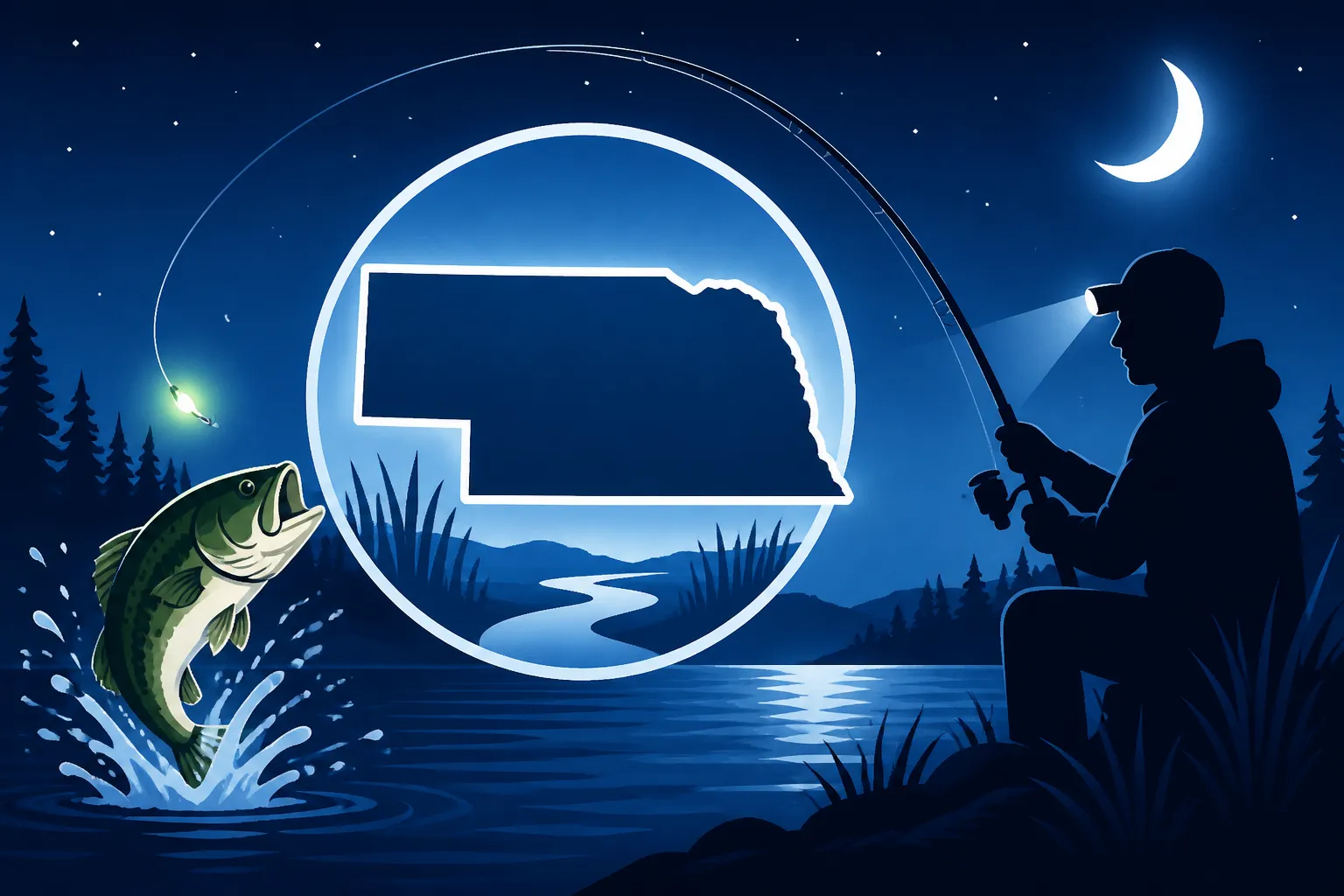
The sun dips below the horizon, painting the Nebraska sky in hues of orange and purple, and a new kind of quiet settles over the water. For many anglers, this is when the real magic happens. But the idea of heading out after dark can bring a heap of questions, especially when it comes to rules and safety. It's frustrating trying to figure out if you're even allowed to cast a line when the stars are out. This comprehensive guide is here to untangle the confusion surrounding Nebraska night fishing rules, ensuring you're well-informed, safe, and ready to hook into some nocturnal lunkers.
The General Legality of Night Fishing in Nebraska
One of the biggest questions I hear is whether night fishing is even permitted in the Cornhusker State. And honestly, it’s a valid concern because rules can differ widely from one body of water to another. It’s not always a simple yes or no answer, which can be super frustrating when all you want to do is enjoy some peaceful evening angling.
Statewide Stance on After-Dark Angling
Generally speaking, yes, night fishing is allowed across most public waters in Nebraska. The Nebraska Game and Parks Commission (NGPC) doesn't typically have a blanket ban on fishing after sundown. In fact, for certain species like channel catfish or flathead catfish, nighttime is often prime time, offering some of the best opportunities for a truly memorable catch. This means that if you're out on a large reservoir or a major river like the Platte or Missouri, you're usually in the clear to continue fishing well into the night, provided you adhere to all other general fishing regulations.
However, the key here is "generally speaking." It’s crucial not to assume that every single fishing spot operates under the same broad rules. This is where many anglers, myself included, have run into issues – thinking a general rule applies everywhere only to find out a specific location has its own restrictions. Always double-check! For a broader understanding of all state regulations, it's a good idea to consult the Nebraska Fishing Regulations Explained guide.
Local Lake, Park, and City Ordinances
This is where the waters get a little murky, and it’s often the source of most night fishing confusion. While the state might allow night fishing, many specific locations, especially smaller lakes, city parks, or state recreation areas, have their own sets of rules that might prohibit access after a certain hour. For example, many city parks in Omaha or Lincoln will have posted hours, and typically, these areas are closed to the public from dusk until dawn. This isn't necessarily about fishing specifically, but about general park access.
You might find gates locked, or you could even be ticketed for trespassing if you're in a park after hours, even if you’re just quietly fishing. It's not fun to have your peaceful evening interrupted by a park ranger, believe me. So, before you plan your trip, especially to a smaller pond or an urban lake, always check the specific rules for that location. A quick search on the park's website or a call to the local parks and recreation department can save you a lot of hassle. Some state parks and recreation areas might allow overnight access if you're camping, but this is usually tied to your camping permit.
Essential Gear and Techniques for a Successful Night Out
Beyond just knowing if you can fish, knowing how to fish effectively and safely at night requires a different approach to your gear and techniques. It's not just about turning on a headlamp; it's about adapting to a world where your eyes are less reliable.
Lighting and Visibility: More Than Just Seeing
When you're out after dark, adequate lighting isn't just a convenience; it's a critical safety measure and a regulatory requirement, especially if you're on the water in a boat. For bank anglers, a good headlamp is non-negotiable. Look for one with adjustable brightness and, ideally, a red light option. The red light preserves your night vision better than white light, which is super important for spotting subtle bites or tying knots without blinding yourself. I've found some fantastic, durable headlamps on Amazon that have saved me from more than one tangled mess in the dark.
For those fishing from a boat, navigation lights are mandatory. This usually means a red and green light at the bow and a white light at the stern, or an all-around white light. These lights aren't just for you to see; they're for other boaters to see you. Nothing ruins a peaceful night faster than an unexpected collision. Beyond navigation lights, a powerful spotlight can be useful for spotting buoys, landmarks, or even just checking your line far out in the water. Remember, visible light means visible to fish too, so use it sparingly when casting directly over your fishing spot.
Rods, Reels, and Line Considerations After Dark
Night fishing often calls for gear that prioritizes sensitivity. You're relying more on feel than sight, so a rod with a sensitive tip can make all the difference in detecting those subtle nibbles. Medium-light to medium power rods with fast action are typically excellent choices, allowing you to feel the slightest tap even in the pitch black.
When it comes to line, you might consider using a high-visibility line if you're fishing under some ambient light, but more often, you'll be relying on touch. Braided lines offer superior sensitivity and minimal stretch, which can be a huge advantage at night. Just be mindful of their visibility if you're fishing for wary species. For leaders, fluorocarbon is still a great choice due to its near invisibility underwater, and you can pick up a spool on Amazon easily. As for reels, smooth drag and reliable retrieves are key, just like in daylight, but ensuring they’re well-maintained to avoid any hitches in the dark is even more crucial.
Baits and Lures for Darkness: Attracting the Night Feeders
Fish behave differently at night, and what works during the day might not cut it after dark. Many nocturnal fish species rely heavily on their lateral lines (to detect vibrations) and their sense of smell. This means baits that have strong scents or create a lot of vibration are often stellar choices.
- Scented Baits: For catfish, cut bait (like shad or carp), chicken livers, and various stink baits are legendary night producers. The strong odor helps catfish locate the bait even in total darkness.
- Vibrating Lures: For walleye, crappie, or even some bass, lures that create a lot of vibration can be highly effective. Crankbaits with rattles, spinnerbaits, or even blade baits can draw strikes.
- Glow-in-the-Dark: Don't underestimate the power of glow-in-the-dark jigs or soft plastics, especially for walleye and crappie. Charge them up with your headlamp periodically, and they can provide just enough visual cue to entice a strike.
- Darker Lure Colors: Counterintuitively, darker lures often create a more distinct silhouette against the ambient light of the moon or sky, making them easier for fish to see than lighter colors.
Species-Specific Night Fishing Opportunities and Regulations
Certain fish species are simply more active under the cloak of darkness, making night fishing an incredibly rewarding experience if you know what you’re targeting. Nebraska offers some fantastic opportunities for specific species after the sun goes down.
Catfish: The Kings of the Night
Without a doubt, catfish – especially channel catfish and flathead catfish – are the undisputed champions of Nebraska night fishing. These powerful fish are largely nocturnal predators, using their keen sense of smell and barbels to hunt in low light conditions. You'll find them cruising shallower flats, river bends, and points after dark, looking for an easy meal.
For channel cats, pretty much any stinky bait or cut bait will do the trick. Flatheads, however, are a different beast. They prefer live bait, like bluegill or sunfish, presented near deep structure, log jams, or submerged trees in rivers and reservoirs. The sheer thrill of a massive flathead hitting your line in the dead of night is an experience every angler should have. Remember to check the Nebraska Catfish Bag Limits before you go, as limits can vary by species and water body.
Walleye and Crappie: Shallow Water Opportunists
While often thought of as daytime feeders, walleye and crappie can offer incredible night fishing action, especially during certain times of the year. Walleye, in particular, will often move shallower after dark to feed on baitfish that have also migrated closer to the banks or shallows. Trolling crankbaits along contours or casting shallow-diving lures towards shore can be incredibly productive. Glow-in-the-dark jigs tipped with a minnow or a scented soft plastic can also be deadly.
Crappie follow a similar pattern, moving into shallower brush piles, standing timber, or under boat docks that have lights on them. These lights attract baitfish, which in turn attract crappie. A simple tactic is to hang a lantern over the side of your boat or dock, illuminating the water below. Then, fish small jigs or minnows under a bobber just outside the light’s brightest halo. Always be aware of the Nebraska Walleye Bag Limits and Nebraska Crappie Daily Limit to ensure you're fishing responsibly.
Bass and Other Predators: Less Common, Still Possible
Largemouth bass and smallmouth bass are typically more active during daylight hours, especially at dawn and dusk. However, they can certainly be caught at night, particularly if there's a good moon phase or if you're fishing around artificial light sources. Topwater lures that make a lot of noise, like poppers or buzzbaits, can be exciting to fish at night because you're listening for the strike rather than seeing it. Spinnerbaits and large, dark-colored jigs can also be effective when retrieved slowly near cover.
Other species like white bass and wipers can also be caught at night, especially when they're actively chasing schools of baitfish near the surface. Again, noisy or vibrating lures are often the best bet. While not the primary target for most night anglers, these species can offer a fun surprise catch.
Navigating Safety and Environmental Concerns After Dark
Fishing at night carries unique risks that aren't present during the day. It’s absolutely critical to prioritize safety for yourself, your companions, and other water users. Don't let the excitement of a potential trophy overshadow common sense precautions.
Personal Safety and Awareness: Your Eyes and Ears Are Critical
When darkness falls, your sense of sight diminishes significantly, forcing you to rely more on your hearing and touch. This means hazards that are easily avoidable during the day – uneven terrain, slippery banks, tangled lines, or even other anglers – become much more dangerous. Always let someone know where you're going and when you expect to return. Consider bringing a fully charged cell phone (in a waterproof case!), a first-aid kit, and an extra light source.
Walking along unfamiliar banks in the dark is a recipe for disaster. Stick to well-known areas, and if you must navigate, do so slowly and deliberately. Wear appropriate footwear with good grip. Wildlife can also be more active at night; while usually harmless, it's wise to be aware of your surroundings and avoid startling any creatures. Being prepared isn't about being paranoid; it's about being responsible.
Boating Safety and Navigation Lights: Stay Visible, Stay Safe
For anglers taking to the water in a boat, safety takes on an even greater importance. Operating a boat at night requires extra vigilance and adherence to specific regulations. As mentioned before, proper navigation lights are not just recommended, they are legally required. For example, in Nebraska, powerboats typically need a red light on the port (left) side, a green light on the starboard (right) side, and a white masthead light (visible from 360 degrees if it's your sole white light, or an aft white light if you have a separate masthead light forward). Smaller boats, like canoes or kayaks, might only require an all-around white light, but it must be displayed. For comprehensive details, check out the Nebraska Boat Registration and Fishing Rules.
Speed should be reduced significantly at night. Hidden obstacles, floating debris, or unlit buoys are incredibly difficult to spot. Always operate at a safe speed that allows you to react to any unseen dangers. A powerful spotlight can aid in momentary scanning of the water ahead, but should not replace proper navigation lights or cautious driving. It’s also wise to have a sound-producing device (like a whistle or horn) and extra PFDs (personal flotation devices) easily accessible.
Respecting the Environment: Leave No Trace
Night fishing is a privilege, and with that comes the responsibility to minimize your impact on the environment. It can be easy to lose track of trash in the dark. Always pack out everything you pack in, and perhaps even a little extra if you spot something another angler left behind. Dispose of fishing line properly, as it can be deadly to wildlife.
When using lights, be mindful of other anglers and residential areas. Avoid shining bright lights directly into other boats or homes. The peace and quiet of night fishing are part of its allure, and respecting that for everyone ensures these opportunities remain available. Fish handling practices, such as proper catch and release, are just as important at night. Always land fish gently, use wet hands when handling, and release them quickly to ensure their survival.
Permit Requirements and Specific Location Restrictions
Even if you've got your gear dialed in and your safety plan established, specific regulations regarding access and permits can still trip you up. It's often these seemingly minor details that can turn a great night into a frustrating one.
State Park and Recreation Area Rules: Know Before You Go
This is perhaps the biggest point of contention and confusion for night anglers. Many of Nebraska’s State Parks and State Recreation Areas (SRAs) have official closing times, often shortly after sunset. This means that while the water itself might be open for fishing, physical access to the park property – and thus, the lake or river within it – is prohibited after hours. Trying to access these areas could lead to a citation for being in the park after closing.
However, there are exceptions. If you have an overnight camping permit for a specific State Park or SRA, you are generally allowed to remain in the park after hours and, consequently, fish through the night in designated areas. But you can't just show up to fish without a camping spot. The best advice here is to always check the specific park's regulations on the NGPC website or call the park office directly. Don't assume. It's often disheartening to drive an hour, gear up, and then find a locked gate or a "Park Closed After Dusk" sign. For more on this, check out our guide on Do You Need a Separate Permit to Fish Inside a Nebraska State Park?.
Private Versus Public Waters: Understanding Access Rights
The rules surrounding night fishing can also differ dramatically depending on whether you're on public or private land. On private ponds or lakes, with the landowner's permission, you can generally fish whenever you like, as long as you have a valid Nebraska fishing license (unless you're exempt, such as a landowner fishing on their own property). This offers fantastic, often uncrowded, night fishing opportunities. Always secure explicit permission before stepping onto private property, regardless of the time of day.
For public waters – rivers, large reservoirs, and lakes not contained entirely within a restricted park – the general state regulations apply. The challenge often lies in finding legal access points after dark. Public boat ramps and access areas may also have specific operating hours, or simply not be well-lit, adding to the navigational challenge.
Aquatic Invasive Species Considerations: A Round-the-Clock Responsibility
Just because it's dark doesn't mean the threat of aquatic invasive species (AIS) goes away. These damaging species, like zebra mussels or Eurasian watermilfoil, can be transported from one water body to another on boats, trailers, and fishing gear. The "Clean, Drain, Dry" protocol is a year-round, 24/7 responsibility for all anglers.
After a night of fishing, especially if you're moving your boat or gear to another location, take the time to inspect everything. Remove any visible vegetation or mud, drain all water from your boat (livewells, bilges, engines), and allow everything to dry thoroughly before launching into a new body of water. This is an essential step to protect Nebraska's precious aquatic ecosystems. Learn more about the Nebraska Aquatic Invasive Species Stamp and how you can do your part.
Common Misconceptions and Troubleshooting Night Fishing Issues
Anglers, especially those new to night fishing, often encounter specific challenges or hold onto common misconceptions that can hinder their success or safety. Let's clear some of these up.
"All Fish Bite Better at Night" – Not Quite
It’s a common belief that darkness automatically turns on every fish species. While it's true that many predators become more active and less wary under the cover of night, especially those that rely on low-light vision or other senses, not all fish follow this rule. For instance, many sunfish species or highly visual feeders like some trout varieties might actually slow down considerably after dark.
The "better bite" phenomenon is particularly pronounced for species like catfish, walleye, and crappie, as we discussed. These fish use the low light to their advantage, ambushing prey or moving into shallower areas they might avoid during bright daylight. For other species, prime feeding times might still be dawn and dusk, or even during the day under specific conditions. Understanding the habits of your target species is key to successful night fishing.
Dealing with Gear Failures and Unexpected Issues in the Dark
Imagine you’re out on the water, having a fantastic night, and suddenly your headlamp dies. Or you get a nasty backlash with your baitcaster. These small issues, which might be minor inconveniences during the day, can become major headaches in the dark. This is why preparedness is paramount.
- Backup Lighting: Always, always, always carry a backup light source – a spare headlamp, a powerful flashlight, and extra batteries. I always keep a spare on Amazon just for this reason.
- Simple Rigs: For night fishing, consider using simpler rigs that are less prone to tangles and easier to tie in the dark. Pre-tying leaders or having pre-rigged baits can save a lot of frustration.
- Organization: Keep your tackle box or bag meticulously organized. Knowing exactly where your pliers, extra hooks, or replacement lures are without having to fumble around in the dark is a lifesaver.
- Navigation: If you're on a boat, having a GPS or a reliable map system (like those on your phone or a dedicated fish finder) is invaluable for safe navigation back to the ramp or campsite.
| Item | Importance Level | Notes |
|---|---|---|
| Headlamp (Red Light) | High | Preserves night vision, hands-free operation |
| Backup Light/Batteries | Critical | Essential for safety if primary light fails |
| PFDs (Life Jackets) | Critical | Mandatory for boats, good practice for bank fishing near deep water |
| Whistle/Horn | High | For communication or distress, mandatory on most boats |
| First-Aid Kit | High | Minor cuts and scrapes are more likely in the dark |
| Bug Spray | High | Mosquitoes and other pests love the night |
| Cooler with Water/Snacks | Medium | Stay hydrated and energized |
| Navigational Lights | Critical (Boats) | Legal requirement, vital for avoiding collisions |
| Knife/Pliers | High | Cutting line, removing hooks, general utility |
| Charged Cell Phone | High | Emergency contact, navigation, in waterproof case |
The Thrill of the Night: Why Anglers Love It
Despite the extra planning and precautions, night fishing offers a unique and profoundly rewarding experience that many daytime anglers never get to fully appreciate. There’s a special kind of magic that unfolds under the stars, making all the effort worth it.
Peace, Quiet, and Solitude
One of the most compelling reasons to fish at night is the incredible sense of peace and solitude it offers. Lakes and rivers that are bustling with boaters, jet skiers, and daytime anglers become tranquil and almost deserted after dark. The sounds of nature become more pronounced – the hoot of an owl, the splash of a fish, the rustle of leaves. It’s a truly immersive experience that allows you to connect with nature on a deeper level, far from the distractions of daily life.
The reduced human activity often translates to less pressured fish. Fish that are wary during the day due to boat traffic or heavy angling pressure become bolder and more willing to venture out and feed when things quiet down. This can lead to some incredible fishing, especially for larger, more elusive specimens.
Bigger Fish, Better Bites
As we've touched upon, many trophy-sized fish, particularly species like flathead catfish and large walleye, are predominantly nocturnal feeders. The biggest fish often use the cover of darkness to hunt without the same level of caution they exhibit during the day. This means your chances of hooking into that personal best can significantly increase after the sun goes down.
There’s also an undeniable thrill to battling a large fish in the dark. Without the visual cues of daylight, your senses are heightened. You feel every head shake, every powerful run, relying purely on the vibrations transmitted through your rod and line. The anticipation of what might be on the end of your line is amplified, and bringing a big fish to the net under the beam of your headlamp is an exhilarating moment you won't soon forget. If you're looking for strategies to maximize your nocturnal success, our guide on Nebraska Night Fishing Techniques has even more tips.
An Entirely Different Perspective
Night fishing changes your entire perspective on a familiar fishing spot. Landmarks disappear, and you learn to navigate by the silhouette of trees, the distant glow of a town, or the feel of the current. It sharpens your instincts and forces you to pay attention to subtle cues you might overlook during the day.
The nocturnal world is vibrant in its own way, full of unique sights and sounds. From the brilliant display of stars (Nebraska’s clear night skies are often incredible!) to the glowing eyes of a creature on the bank, or even the bioluminescence of some aquatic organisms, there's always something new and fascinating to observe. It's an adventure that engages all your senses and leaves you with stories that are truly unique. So, if you've been on the fence about trying night fishing, I wholeheartedly encourage you to give it a shot, armed with the right knowledge and precautions.
Disclaimer
The information provided in this guide is for general informational purposes only and does not constitute legal advice. Fishing regulations and rules can change frequently. Always consult the most current Nebraska Game and Parks Commission regulations and any specific local ordinances before engaging in night fishing activities. Your safety and compliance with all laws are your responsibility.