How to Chum for Catfish Legally in Nebraska
It's incredibly frustrating when you're out on the water, excited for a great day of catfish angling, but the bites just aren't coming in. You start thinking about ways to attract those whiskered beauties, and "chumming" often comes to mind. But then the questions hit: Is it even legal in Nebraska? What can I use? How do I do it without breaking any rules or harming the environment? This guide is here to clear up all that confusion, offering practical, legal, and effective strategies for chumming for catfish in the Cornhusker State, so you can increase your chances of a successful and worry-free fishing trip.
Understanding Chumming for Catfish in Nebraska: What's the Big Deal?
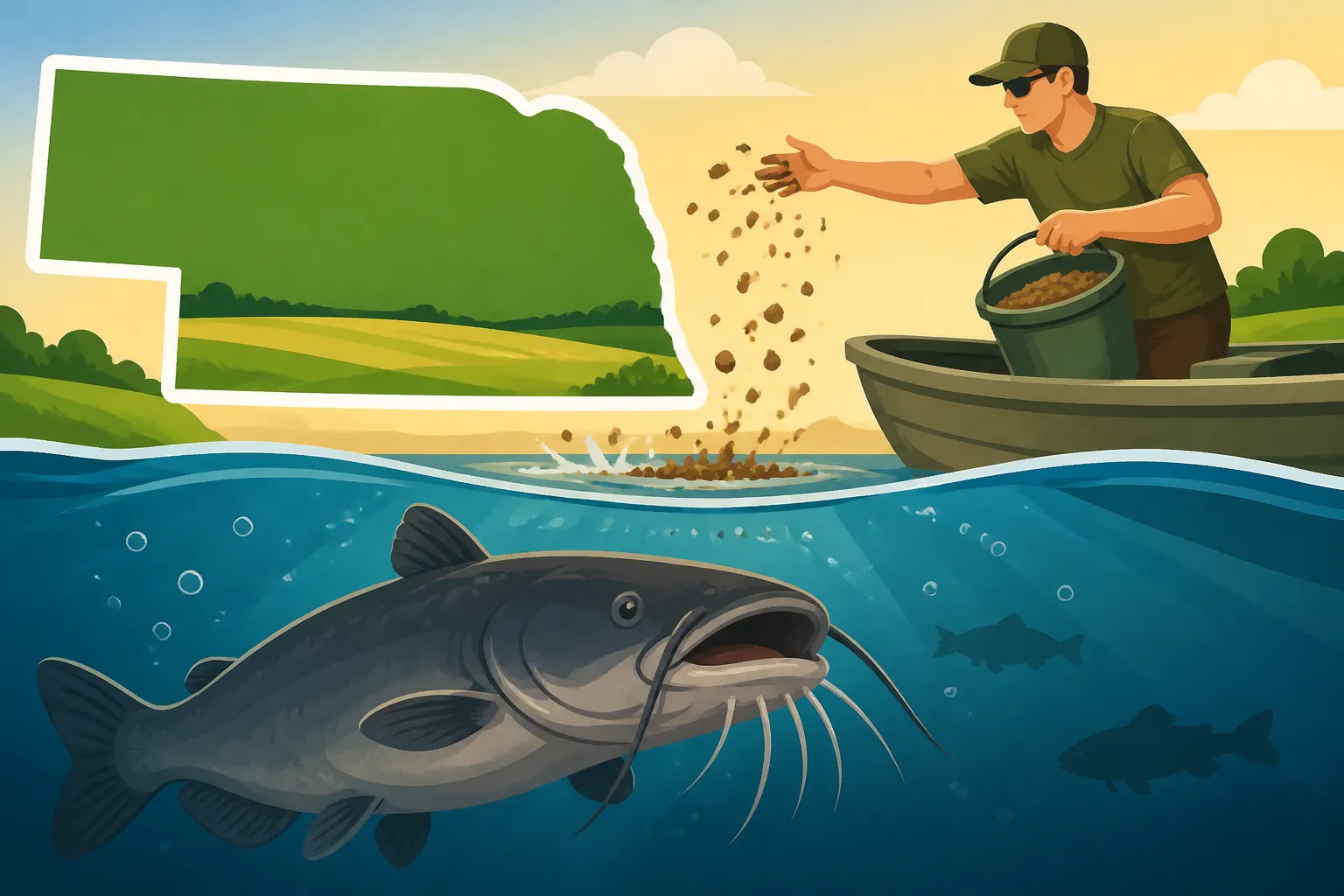
Chumming, in its essence, is the practice of drawing fish to your fishing spot by scattering bait or other attractants into the water. For catfish anglers, this can sound like a golden ticket to a full stringer. However, it's a practice that sometimes exists in a gray area, leading to a lot of questions about what's permissible and what's not. Getting it right means more fish and peace of mind, while getting it wrong can lead to fines and environmental concerns.
Why Chumming is So Appealing to Catfish Anglers
Let's be honest, we've all been there: a slow day on the water where you're casting, waiting, and wondering if there are any fish around. Catfish, in particular, are notorious for being a bit elusive at times, especially when they're not actively cruising for food. Chumming offers a way to actively bring those fish to you, creating a concentrated feeding zone. It taps into their strong sense of smell and their natural scavenging instincts, making them more likely to find your hook.
The idea behind it is simple: you're creating an irresistible scent trail and a small food source that says, "Dinner is here!" This can be especially effective in larger bodies of water, like our vast reservoirs or the sprawling Missouri River, where finding fish can feel like searching for a needle in a haystack. By creating a localized buffet, you're stacking the odds in your favor, turning a slow day into an action-packed one. It’s about being proactive rather than just reactive to where the fish might happen to be.
The Legal Landscape of Baiting and Attracting Fish in Nebraska
Nebraska, like many states, has specific regulations regarding how you can attract fish. The good news for catfish enthusiasts is that a lot of what people consider "chumming" is actually legal, provided you use the right materials and methods. The key is understanding the distinction between legitimate attractants and prohibited substances or destructive practices. The Nebraska Game and Parks Commission (NGPC) wants anglers to enjoy their sport, but also ensures the protection of aquatic ecosystems and responsible resource management.
Generally, scattering certain natural, biodegradable food items to attract fish is allowed. The rules typically focus on preventing pollution, prohibiting harmful substances, and ensuring fair chase. For example, using a handful of corn kernels or some chopped-up bait is usually fine. Where things get tricky is when people consider using chemicals, large quantities of non-biodegradable items, or anything that could be considered a "toxicant" or "stupefying substance." Always check the most current Nebraska Fishing Regulations Explained booklet to be absolutely sure, as rules can occasionally be updated.
Legal Chumming Methods and Materials in Nebraska
Now that we understand the "why," let's dive into the "how" and "with what." The key to legal chumming in Nebraska lies in using permitted substances and responsible deployment. It’s not about dumping a truckload of anything into the water; it’s about strategic and controlled attraction.
Permitted Natural Baits and Attractants
When it comes to legal chum, think natural and biodegradable. Corn, various grains (like milo or wheat), and even commercially prepared catfish baits that break down in water are generally excellent choices. A popular method involves soaking grains or old bread, sometimes with added flavors like garlic or anise, to create a pungent, fish-attracting mixture. These materials mimic natural food sources that catfish already scavenge for, making them highly effective. You can broadcast small amounts directly into the water or create "bait balls" by mixing them with a little clay or flour to help them sink and disperse slowly.
Another fantastic and legal option is using cut bait or parts of other fish (if legally caught and handled). Chopped-up shad, carp, or even the remnants of a panfish you caught earlier can create a powerful scent trail that drives catfish wild. The natural oils and blood released by cut bait are incredibly potent attractants, mimicking a wounded or dying fish, which is a prime target for opportunistic catfish. Just ensure that any fish used as bait adheres to all length and possession limits if it's a game fish, and avoid introducing any species that are known invasive threats.
Using Bait Cages and Dispensers Legally
For a more controlled release of your attractants, bait cages or mesh bags are your best friends. These devices allow you to put your chosen chum inside, weight it down, and lower it to the desired depth. The water current then slowly washes the scent and small particles out, creating a consistent chum slick without over-feeding the fish or spreading too much material. This method is particularly effective in rivers or areas with some current, as the flow helps distribute the scent downstream.
You can find various types of bait cages, from simple wire mesh containers to more elaborate plastic dispensers, at most sporting goods stores or online retailers like Amazon. Many anglers even get creative and make their own using onion sacks, old laundry bags, or plastic containers with holes drilled in them. The beauty of these devices is that they minimize waste, ensure your chum stays relatively localized, and prevent larger pieces from being consumed too quickly, stretching the attracting power of your bait. This controlled approach is a perfect example of responsible and legal chumming.
Key Restrictions and Prohibited Substances to Avoid
While Nebraska allows for many forms of chumming, there are strict prohibitions you absolutely must know and follow. The most critical rule is that you cannot use any substance that could be considered a toxicant, stupefying agent, or explosive. This is common sense and crucial for protecting aquatic life and human safety. Leave the bleach, gasoline, or any other harmful chemicals at home – they are incredibly illegal and devastating to the ecosystem. The goal is to attract fish with food, not harm them or their environment.
Furthermore, there are rules against introducing non-native species or diseased bait into Nebraska waters. This is why it's generally best to use baits that are either native to the area or commercially processed. For instance, you should never transport live bait fish from one water body to another unless specifically allowed by regulations, as this can spread aquatic invasive species. Even legal chumming materials should be deployed responsibly, ensuring they are biodegradable and won't contribute to water pollution. Always be mindful of the Nebraska Aquatic Invasive Species Stamp requirements and how your actions can help prevent the spread of harmful organisms.
Practical Strategies for Effective and Legal Catfish Chumming
Knowing what's legal is one thing, but knowing how to make it work is another. Effective chumming isn't just about tossing stuff into the water; it's about smart strategy, moderation, and understanding the environment you're fishing in.
Location, Location, Location: Where to Chum for Catfish
Just like real estate, finding the right spot is paramount. Catfish are often found in areas with structure, current breaks, or deep holes where they can ambush prey or scavenge for food. When river fishing, focus your chumming efforts around current seams, eddies, log jams, or deep bends. In reservoirs, look for submerged humps, old creek channels, points, or the edges of drop-offs. These are natural congregation points for catfish, and introducing chum here will maximize your chances of success.
Before you even deploy your chum, do a little scouting. Use your fish finder to identify promising structures or schools of baitfish. Pay attention to changes in depth or current. If you're bank fishing, look for visible features like downed trees or rocky outcrops that extend into the water. Chumming in an area where catfish are already likely to be present will dramatically increase your effectiveness. It's about drawing them in, not magically creating them where there are none. Understanding Channel Catfish Fishing in Nebraska habitats will give you a big advantage.
The Art of Moderation: How Much and How Often to Chum
This is perhaps the most crucial aspect of effective and legal chumming: moderation. The goal is to attract fish, not to feed them into a stupor where they're too full to bite your hook. A common mistake is to dump too much chum, too quickly. Instead, think "little and often." Start with a small amount to establish a scent trail, then replenish with tiny handfuls or controlled releases from your bait cage every 15-30 minutes, or as the current dictates.
The amount of chum needed will also depend on the water body. In a strong river current, you might need to use slightly more initially to overcome the flow, but then reduce your frequency. In a still lake, much less is needed, and slow-releasing methods like a bait cage are ideal. Adjust based on how quickly the fish are responding. If you're getting bites, maintain a consistent, light chumming schedule. If bites slow, you might slightly increase the amount or change your chum's placement. Pre-baiting an area the day before you fish can also be highly effective, drawing in fish over a longer period, but again, use moderation to avoid over-feeding.
Combining Chumming with Effective Fishing Techniques
Chumming isn't a standalone magic bullet; it's a powerful tool that works best when integrated with your overall fishing strategy. Once you've established your chumming spot, present your primary bait directly within or very near the chummed zone. This could mean a cut bait rig, a prepared bait on a treble hook, or even a classic worm setup. The scent from your chum draws them in, and then your well-presented bait seals the deal.
Consider using a sturdy Best Rod Setup for Nebraska Catfish to handle the potential heavyweights your chum might attract. When using cut bait, ensure your pieces are fresh and properly hooked to maximize scent dispersal and hook-up ratios. If you’re getting bites but not hook-ups, try adjusting your bait size or hook presentation. Remember, catfish often "mouth" bait before fully committing, so a slow, patient approach to setting the hook can be beneficial. The chum gets them to the table; your bait is the main course.
Common Misconceptions and Ethical Considerations
There's a lot of folklore and misinformation out there when it comes to attracting fish. It's important to separate fact from fiction and to always prioritize ethical angling practices that respect both the fish and the environment.
Dispelling Myths About "Illegal" Chumming
One common misconception is that any form of dispersing bait to attract fish is illegal. This simply isn't true in Nebraska, as we've discussed. The key is what you're dispersing and how you're doing it. Using natural, biodegradable food items is generally fine. The fear often stems from the rules against using toxicants or methods that could be considered poaching or unsportsmanlike, but these are distinct from simple bait dispersal.
Another myth is that you need massive amounts of chum to be effective. As we covered, moderation is key. Over-chumming can actually be detrimental, making fish full or wary, and potentially polluting the water. It’s about creating a subtle, inviting scent, not a literal fish buffet. Always refer to official sources for regulations, like the NGPC's annual guide, rather than relying solely on anecdotes from the fishing dock. Misinterpreting the rules can lead to unnecessary worry or, worse, unintended Nebraska Fishing Violation Penalties.
Environmental Impact and Responsible Angling
As responsible anglers, we have a duty to protect the waters we enjoy. While legal chumming uses biodegradable materials, excessive use can still have negative impacts. Too much organic material can deplete oxygen levels in stagnant water, harm beneficial bacteria, and attract unwanted species like rough fish or even scavenging animals to the shoreline.
Always use natural, unprocessed ingredients. Avoid anything with artificial colors, preservatives, or non-biodegradable components. When you're done fishing, try to remove any bait containers or materials you brought with you. The "leave no trace" principle applies just as much to chumming as it does to any other outdoor activity. By being mindful of your environmental footprint, you ensure that our beautiful Nebraska waters remain healthy and vibrant for future generations of anglers.
When Chumming Might Not Be Necessary or Beneficial
It's important to remember that chumming isn't always the silver bullet. There are times and situations where it might not be necessary, or even counterproductive. For instance, during a strong bite, when catfish are actively feeding on natural forage like a shad spawn or a bug hatch, adding chum might just distract them from your perfectly presented bait. Sometimes, the fish are already concentrated in a specific area, and a good cast with the right bait is all you need.
Similarly, in very clear, shallow waters, scattering chum might make fish more wary if they can see the source of the bait and associate it with human activity. In these scenarios, a stealthy approach and focusing on natural ambush points might be more effective. Understanding How to Catch Catfish in Nebraska involves more than just chumming; it includes knowing their habits, preferred baits, and the best techniques for the conditions at hand. Don't be afraid to experiment and see if chumming truly enhances your success or if a simpler approach is better for that particular day.
Maximizing Your Catfish Success Beyond Chum
While chumming can be a powerful tactic, it's just one tool in a successful angler's toolbox. To truly become a catfish master in Nebraska, you need a holistic approach that combines knowledge of the species, proper gear, and effective techniques.
Understanding Catfish Behavior and Habitat
Catfish, especially Channel Cats, are incredibly adaptable, but they do have preferences. Their behavior changes with the seasons, water temperature, and time of day. In spring, after ice-out, they're often found shallower, seeking warmer water and preparing for spawning. In summer, they might move to deeper, cooler water during the day, becoming more active at night. Fall sees them feeding heavily in preparation for winter. Knowing these patterns, and understanding things like Nebraska Fishing Seasons Explained, can help you pinpoint where they'll be before you even think about chum.
They love structure – anything that provides cover or a current break. This could be submerged timber, rock piles, bridge pilings, or even subtle changes in the river bottom. Their keen sense of smell makes them excellent nocturnal feeders, but they'll bite during the day too, especially in stained or muddy water. Pay attention to water levels and clarity, as these factors greatly influence where catfish will hold and feed.
Best Baits and Rigs for Nebraska Catfish
Even with the best chum, your main bait needs to be on point. For Nebraska catfish, especially Channel Cats, fresh cut bait (like shad, carp, or even bluegill) is hard to beat. The natural blood and oils are incredibly potent. Stink baits, whether commercially prepared dough baits or homemade concoctions with strong odors, are also highly effective, particularly for channel catfish. Don't forget classic live baits like nightcrawlers or leeches, which can entice a variety of catfish species. These are often considered the Best Bait for Nebraska Catfish for a reason.
As for rigs, a simple slip-sinker rig (also known as a Carolina rig) is a go-to. It allows the catfish to pick up the bait and run with it before feeling the weight of the sinker, leading to more confident bites. For presenting How to Rig Cut Bait for Channel Catfish, this is an excellent choice. A three-way swivel rig or a Santee Cooper rig can also be effective, especially in current, keeping your bait slightly off the bottom and visible. Matching your hook size to your bait and target fish size is crucial for successful hook-ups.
Technology and Scouting for Catfish Hotspots
Modern technology can give you a significant edge. A good fish finder isn't just for walleye anglers; it's invaluable for locating deep holes, submerged timber, and other structures where catfish hide. Side imaging or down imaging can help you scan large areas quickly to identify potential hotspots. Even without advanced electronics, learning to read the water – looking for current breaks, eddies, and changes in water color – can point you towards productive areas.
Don't underestimate the power of local knowledge and online resources. Fishing reports, forums, and even satellite imagery can help you identify promising areas on Nebraska's Best Nebraska Rivers for Fishing or larger lakes. For example, knowing the contours of Lake McConaughy or the deeper sections of the Platte River can guide your efforts. Before you head out, do a little research. A quick look at a contour map or asking around at a local bait shop can significantly improve your chances of finding a good spot for a Best Nebraska Reservoirs for a Catfish Shore Lunch.
| Chumming Material | Pros | Cons | Best Use Case | Legality in NE |
|---|---|---|---|---|
| Cracked Corn/Grains | Inexpensive, widely available, biodegradable, slow release of scent. | Can attract unwanted species, can over-feed if used excessively. | Rivers, lakes, pre-baiting, in bait cages. | Legal |
| Cut Bait/Fish Parts | Powerful natural scent, highly attractive to catfish, biodegradable. | Can be messy, must be legally obtained, may attract scavengers. | Rivers, deep holes, targeting larger catfish. | Legal |
| Commerical Dough Baits | Designed for attraction, often long-lasting scent, easy to use. | Can be more expensive, some may not break down as naturally. | Still water, smaller areas, targeting Channel Cats. | Legal |
| Soured Grain Mixtures | Very pungent, highly attractive, inexpensive to make. | Can be very messy, strong odor, requires preparation time. | Rivers, larger water bodies, pre-baiting. | Legal |
| Bread/Cereal | Readily available, inexpensive, easy to disperse. | Breaks down quickly, can create surface foam, less potent scent. | Quick attraction, shallow water, mixed with other chum. | Legal |
Disclaimer
This article is for general informational purposes only and does not constitute professional advice. Laws, prices and regulations vary by location and change over time. Consult a qualified professional for guidance on your specific situation.