How to Catch Rainbow Trout After Stocking
It’s a common scenario for many anglers in Nebraska: you hear the exciting news that your favorite local pond or lake has just been stocked with a fresh batch of rainbow trout. You rush out there, tackle box in hand, visions of shiny, feisty trout dancing in your head. But then, reality hits. The fish are there, alright, sometimes even visible, but getting them to bite feels like trying to convince a teenager to clean their room – nearly impossible. They might be swimming right past your bait, ignoring everything you throw at them, leaving you scratching your head and wondering what in the world you're doing wrong. This guide is here to demystify the art of catching those recently stocked rainbow trout, offering practical advice to turn your frustration into a successful and rewarding day on the water.
Understanding Nebraska's Trout Stocking Program
Before you even cast a line, understanding why and how trout are stocked in Nebraska can give you a significant advantage. These aren't wild trout born and bred in cold, flowing streams; they're typically hatchery-raised fish with a very different upbringing and immediate behavior patterns.
Why Trout Are Stocked in Nebraska
Nebraska isn't naturally known for its abundant trout fisheries, especially not the warm-water lakes and ponds that dot much of the state. The Nebraska Game and Parks Commission (NGPC) implements a robust trout stocking program primarily to create diverse fishing opportunities for anglers. It's about providing a "put-and-take" fishery, especially in urban and easily accessible areas, often during the cooler months when other species are less active. This program ensures that even folks in Lincoln or Omaha can experience the thrill of trout fishing without traveling to far-flung coldwater streams in other states. It's a fantastic way to introduce new anglers, especially kids, to fishing because the chances of success are generally higher when you know how to approach these fish.
Where and When Nebraska Stocks Trout
The NGPC strategically stocks rainbow trout in various locations across the state, focusing on waters that can sustain them during cooler temperatures. These often include urban ponds as part of the Nebraska Urban Fishing Program Stocked Ponds Near Me, smaller reservoirs, and a few specific stream sections. Places like Holmes Lake in Lincoln, Standing Bear Lake in Omaha, and sections of the Platte River are common stocking spots. The stocking schedule itself is vital information. Typically, trout stockings occur in the spring and fall when water temperatures are suitable for trout survival and activity. Summer stockings are rare in most waters due to prohibitive heat. Keep a close eye on the NGPC's official announcements for When Trout Are Stocked in Nebraska Lakes because timing your trip soon after a stocking event can significantly improve your odds. You can find out How Often Nebraska Stocks Trout by checking their yearly schedules, often published online.
The Initial Behavior of Recently Stocked Trout
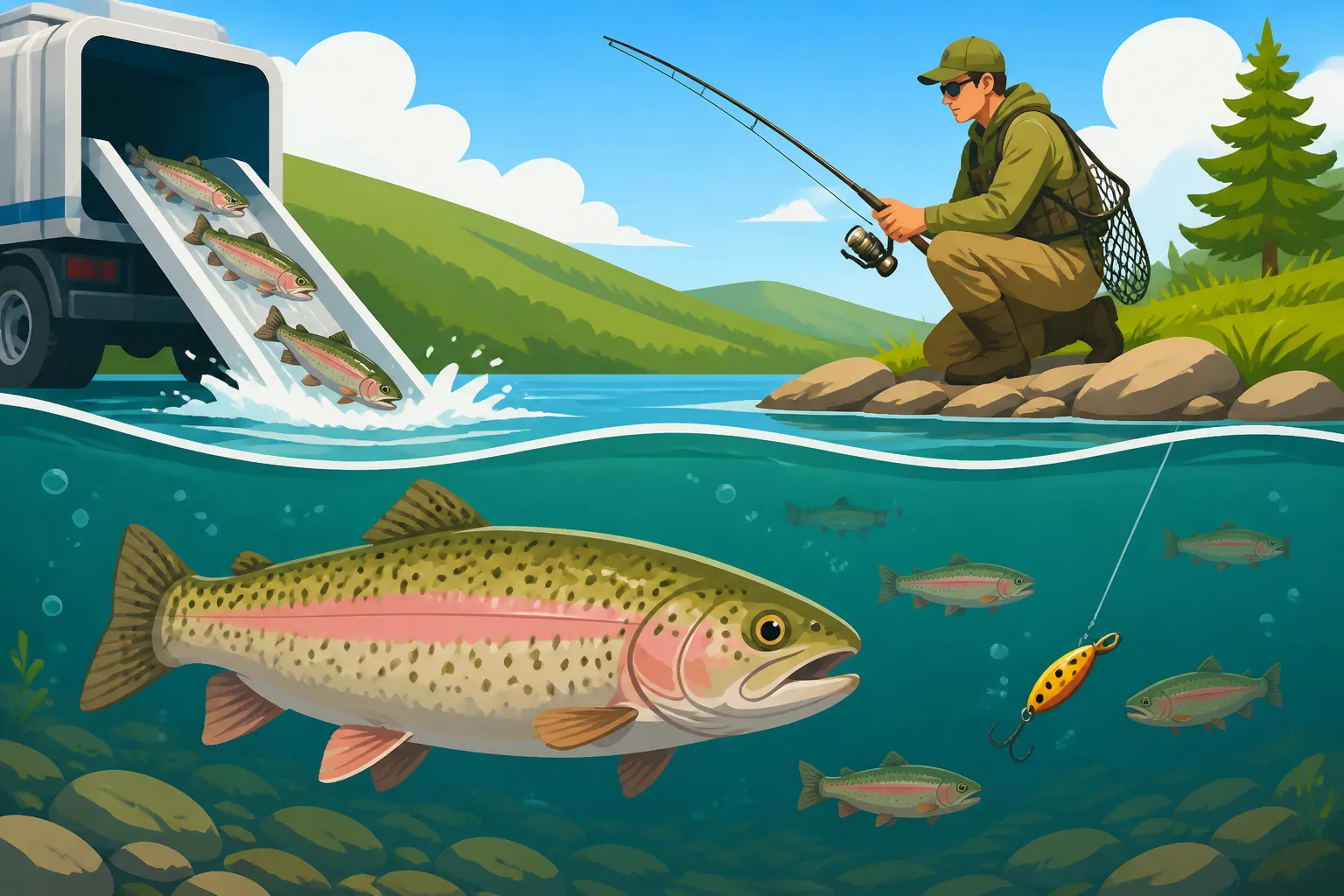
When trout are first released into a new environment, they tend to exhibit a few predictable behaviors. Firstly, they're often disoriented and a bit stressed from the transport. They've lived their lives in a hatchery, accustomed to being fed fish pellets at specific times. This means they might not immediately recognize natural prey or be wary of typical fishing lures. For the first few hours, or even a day or two, they can be somewhat in a daze, sometimes congregating near the release point or cruising the shorelines. As they adjust, they'll start to spread out and become more active. Crucially, because they're used to being fed, their instinct to strike at anything resembling food, even if it's not a natural insect or minnow, is quite strong. This is why certain unconventional baits often work wonders.
Essential Gear for Post-Stocking Trout Fishing
You don't need a boatload of specialized gear to catch stocked rainbow trout. In fact, keeping it simple and light is often the most effective approach. The key is to match your tackle to the relatively small size of the trout and their often-delicate bite.
Rods, Reels, and Line
For stocked trout, a light to ultralight spinning rod is your best friend. Think a rod between 5 and 7 feet long, with a sensitive tip that can detect subtle nibbles. Pair this with a small spinning reel, size 1000 or 2000, spooled with light fishing line. Four to six-pound test monofilament line is ideal. It's thin enough to be nearly invisible in the water, yet strong enough to handle a feisty rainbow. Fluorocarbon can also be a good choice for a leader if you're fishing in very clear water, as it's even less visible than mono, though it's not strictly necessary for most stocked trout scenarios. You might already have a setup suitable for panfish or small bass, and that will likely work just fine. If you're looking for an upgrade, checking out options on Amazon can give you a good idea of the range of light tackle available. For those looking for versatile equipment, remember that while this gear is perfect for trout, you might need a different setup for larger species, as discussed in guides like Best Rod Setup for Nebraska Walleye.
Terminal Tackle: Hooks, Weights, and Bobbers
Your terminal tackle needs to be scaled down to match the trout's mouth and their sometimes-finicky bites.
- Hooks: Small, sharp hooks are paramount. Sizes 10, 12, or even 14 are excellent choices. Many anglers prefer small treble hooks when using dough baits like PowerBait, as they tend to hold the bait better. However, a single bait holder hook can also be very effective and is often easier to remove for catch-and-release.
- Weights: You'll mostly be using split shot weights. These small, pinch-on weights allow you to adjust the sinking rate of your bait precisely. A few small split shots crimped a foot or so above your hook will help your bait get down to where the fish are. Avoid heavy sinkers, as they can spook these relatively shallow-water fish.
- Bobbers/Floats: A small, sensitive bobber or slip float is incredibly useful, especially for still fishing with bait. They allow you to suspend your bait at a specific depth and give you a visual indicator of a bite. A slip float allows you to fish deeper than a fixed bobber, which can be advantageous if the trout are holding lower in the water column.
Bait and Lure Selection for Stocked Trout
This is where the hatchery upbringing of stocked trout really comes into play. While natural baits and lures certainly work, some artificial options designed specifically for stocked trout are incredibly effective.
- PowerBait and Similar Dough Baits: Hands down, these are often the most effective baits for recently stocked trout. Brands like Berkley PowerBait come in a dazzling array of colors and scents. The key is that these trout were raised on pellets, and PowerBait often mimics the texture, color, and scent of their familiar food. Bright colors like chartreuse, orange, and rainbow are often irresistible.
- Natural Baits: Don't underestimate the classics. Live worms (nightcrawlers, red wigglers) are always a good bet. Small pieces of corn (yes, corn!) can also be surprisingly effective, likely due to its bright yellow color and soft texture resembling a pellet. Marshmallows, especially scented ones, can also work.
- Small Spinners: Once the trout have acclimated a bit, they'll often chase moving lures. Small inline spinners like Mepps Aglia or Rooster Tail in sizes #0, #1, or #2 are fantastic. Their flashing blades and vibrating action mimic small minnows or insects, triggering a predatory response. Silver, gold, and brass blades with bright colored dressings (chartreuse, orange, white) are usually productive.
- Spoons: Tiny casting spoons, like Kastmasters or similar ultralight spoons, can also be effective. Their wobbling action on the retrieve can entice strikes, especially on slightly windy days when their flash can be seen from a distance.
Proven Techniques for Catching Stocked Rainbow Trout
Now that you've got the gear, let's talk about putting it to use. Stocked trout often require a slightly different approach than their wild counterparts.
Still Fishing with Bait
This is often the go-to method for stocked trout, especially when they are freshly introduced and still a bit disoriented or actively feeding on familiar "pellet-like" foods.
- Bottom Fishing (Floating Bait): This is perhaps the most popular technique for PowerBait. Use a small treble hook (size 10 or 12), mold a pea-sized ball of PowerBait around it, ensuring the hook point is fully covered. Then, add a small sinker (egg sinker or a few split shots) about 1 to 2 feet above your hook. Cast it out and let it sink to the bottom. PowerBait is designed to float, so it will suspend just above the bottom, putting it right in the trout's strike zone. This is particularly effective because trout, being bottom feeders in hatcheries, will often cruise along the lake bed looking for food. Keep your rod in a holder and watch for subtle taps or a slow bend in the rod tip.
- Suspended Under a Bobber: If the trout are cruising higher in the water column or if you see them rising, a bobber rig is perfect. Attach a small bobber, then add one or two small split shots a foot or two above your small hook. Bait with a worm, PowerBait, or corn. Adjust the depth so your bait is suspended where you've seen activity or a few feet off the bottom. The bobber will clearly signal a bite, often dipping or moving horizontally. This method is excellent for teaching kids to fish, as discussed in How to Teach a Kid to Fish in Nebraska, since the visual bite indicator is very exciting.
When still fishing, patience is key, but don't be afraid to occasionally twitch your rod or slowly reel in a few feet to impart some subtle movement to your bait. Sometimes, that little bit of action is all it takes to trigger a strike.
Active Fishing with Lures and Flies
Once the trout have settled in and become more accustomed to their new home, they'll often become more aggressive and willing to chase moving targets. This is when lures shine.
- Casting and Retrieving Spinners: This is a dynamic and fun way to catch trout. Cast a small inline spinner (like a Rooster Tail or Mepps Aglia) towards areas where trout might be holding – near drop-offs, submerged structures, or along the shoreline. As soon as the lure hits the water, begin a steady, medium-speed retrieve. You want the blade to be spinning consistently, creating flash and vibration. Experiment with different retrieve speeds; sometimes a fast retrieve triggers a reaction strike, while other times a slower pace is more effective. Vary your retrieve by occasionally twitching the rod tip or pausing briefly, allowing the spinner to flutter.
- Light Tackle Spoon Fishing: Similar to spinners, small spoons are excellent for covering water. Cast them out and use a retrieve that allows the spoon to wobble and flash. A "stop-and-go" retrieve, where you reel for a few seconds, pause, and then reel again, can be deadly. During the pause, the spoon flutters down, often enticing a strike as it sinks.
- Fly Fishing (Simplified): While traditional fly fishing involves specialized gear and techniques, even spin anglers can dabble. A clear casting bubble filled partially with water (to add weight) can be tied to your main line. Then, tie a 3-5 foot leader (4-6 lb test mono) to the bubble, and attach a small, simple fly like a Woolly Bugger, San Juan Worm, or an imitation emerger pattern. Cast it out and retrieve slowly, imparting small twitches. This technique can be very effective, especially if you see trout rising to feed on insects.
Locating Trout in Stocked Waters
Finding the fish is half the battle, even with stocked trout. They tend to stick to certain areas in their new environment.
- Shorelines and Drop-offs: Initially, stocked trout often cruise the immediate shoreline, especially in smaller ponds and lakes. They might feel safer closer to the bank, or they're still disoriented and haven't ventured far. Look for any subtle structure along the bank like submerged weeds, fallen trees, or rocky points. If there's a distinct drop-off near the shore, these can be prime locations where trout will hold, as it offers quick access to deeper, cooler water.
- Inflows and Outflows: If the body of water has any small creeks or culverts flowing in or out, these can be magnets for trout. The moving water often carries natural food, oxygen, and provides a sense of a more natural "current" that trout are accustomed to.
- Aerators/Fountains: In urban ponds, aerators or fountains are often present to keep the water oxygenated. These areas can attract trout because the increased oxygen content and cooler water found near the disturbed surface are more comfortable for them, especially if the water is a bit warmer than ideal.
Remember, stocked trout are often in unfamiliar territory, so they might not be in the typical "trout lies" you'd expect in a pristine mountain stream. Think about where they'd find safety, food, and comfort in a somewhat artificial environment.
Tips for Maximizing Your Catch and Enjoyment
Beyond the gear and techniques, a few strategic considerations can make a big difference in your success rate and overall enjoyment when targeting stocked rainbow trout.
Timing Your Trip for Success
When it comes to stocked trout, timing is everything. While it's tempting to rush out the moment you hear about a stocking, consider these factors:
- Immediately After Stocking: The first 24-48 hours after a stocking can be phenomenal, often referred to as a "frenzy" period. The trout are hungry and disoriented, making them less wary. However, this is also when the crowds are heaviest, which can sometimes spook the fish or make it hard to find a good spot.
- A Few Days Later: Sometimes, waiting a day or two after the initial rush can yield better results. The fish have had a chance to acclimate slightly, but they are still actively feeding. The crowds might have thinned out, giving you more peace and quiet. Check out Best Time to Fish After Trout Stocking in Nebraska for more specific advice on this.
- Early Morning and Late Evening: Like many fish species, trout are often most active during the cooler parts of the day, especially in spring and fall. Early morning shortly after sunrise and late evening before sunset are prime times. The lower light conditions also make them feel more secure and willing to move into shallower feeding areas.
Reading the Water and Adjusting Your Approach
Being observant is a critical skill for any angler, and it's particularly important for stocked trout.
- Look for Activity: Watch the surface of the water. Are there any rises, indicating trout feeding on insects? Are there any subtle dimples or swirls that suggest fish moving just below the surface? These visual cues can tell you if fish are present and at what depth they might be feeding.
- Experiment with Depth: If you're not getting bites, don't be afraid to change the depth of your bait or the retrieve depth of your lure. If you're fishing with a bobber, adjust it up or down by a foot at a time. If casting lures, let them sink for varying amounts of time before beginning your retrieve.
- Vary Your Bait/Lure: If one bait isn't working, switch to another. If PowerBait in one color isn't getting attention, try a different color or switch to a worm. If spinners aren't hitting, try a spoon. These trout can be picky on any given day, and what worked yesterday might not work today. It's always a good idea to have a variety of options ready in your tackle box, maybe even a multi-species tackle box you picked up on Amazon.
Ethical Angling and Regulations
While stocked trout are meant to be caught, it's essential to practice ethical angling and be aware of Nebraska's fishing regulations.
- Fishing License: Always ensure you have a valid Nebraska fishing license. This is non-negotiable and helps fund the stocking programs you're enjoying. You can find all the necessary details in the Nebraska Fishing License Guide.
- Bag and Possession Limits: Be aware of the specific daily bag and possession limits for trout in the water you're fishing. These limits can vary by location. Exceeding these limits can lead to significant penalties, as outlined in Nebraska Fishing Daily Bag and Possession Limits. Always consult the current Nebraska Fishing Regulations Explained booklet or online resources.
- Handling Fish: If you plan to release fish, handle them gently. Wet your hands before touching the fish to protect their slime coat, and try to keep them in the water as much as possible. If you intend to keep them, dispatch them quickly and humanely, and keep them on ice to preserve their freshness.
By following these tips, you'll not only increase your chances of catching those beautiful rainbow trout but also contribute to a sustainable and enjoyable fishing experience for everyone.
Popular Baits and Lures for Stocked Rainbow Trout
To help you get started, here's a quick reference table of common baits and lures that work well for stocked rainbow trout, along with their typical usage.
| Bait/Lure Type | Description & Best Use | Best Fishing Method | Notes |
|---|---|---|---|
| Berkley PowerBait | Floating, scented dough bait (various colors, especially bright ones like chartreuse/orange). Mimics hatchery pellets. | Still Fishing (bottom) | Excellent for freshly stocked, pellet-fed trout. Use small treble or single hook, covering the hook completely. Lets bait float off the bottom. |
| Live Worms | Nightcrawlers or red wigglers. Classic natural bait. | Still Fishing (bobber/bottom) | Always a reliable choice. Trout are natural insect/worm eaters. Fish on a small single hook, often suspended under a bobber or on the bottom with a small split shot. |
| Canned Corn | Bright yellow kernels, surprisingly effective. | Still Fishing (bobber/bottom) | Use 1-3 kernels on a small single hook. Its color and soft texture can attract pellet-fed trout. Great for beginners and kids. |
| Small Inline Spinners | Mepps Aglia, Rooster Tail (sizes #0-#2). Flashy blade and vibration. | Casting & Retrieving | Works well once trout have acclimated and are more aggressive. Cast out and retrieve steadily; vary speed and add twitches. Silver, gold, or bright-colored blades. You can find good starter sets on Amazon. |
| Tiny Spoons | Kastmaster, Little Cleo (1/16 oz – 1/8 oz). Wobbling action. | Casting & Retrieving | Good for covering water. Best with a "stop-and-go" retrieve, allowing the spoon to flutter on the pause. Silver or gold finishes are common. |
| Small Marshmallows | Plain or scented (garlic, vanilla). Floating bait. | Still Fishing (bottom) | Similar to PowerBait in principle – it floats and can resemble a pellet. Scented versions can be very attractive. |
Disclaimer
The information provided in this guide is for general informational purposes only and is not intended as legal advice. Fishing regulations in Nebraska, including license requirements, bag limits, and specific rules for certain waters, are subject to change. Always consult the most current regulations published by the Nebraska Game and Parks Commission before heading out to fish. Adherence to these regulations is the responsibility of the angler.