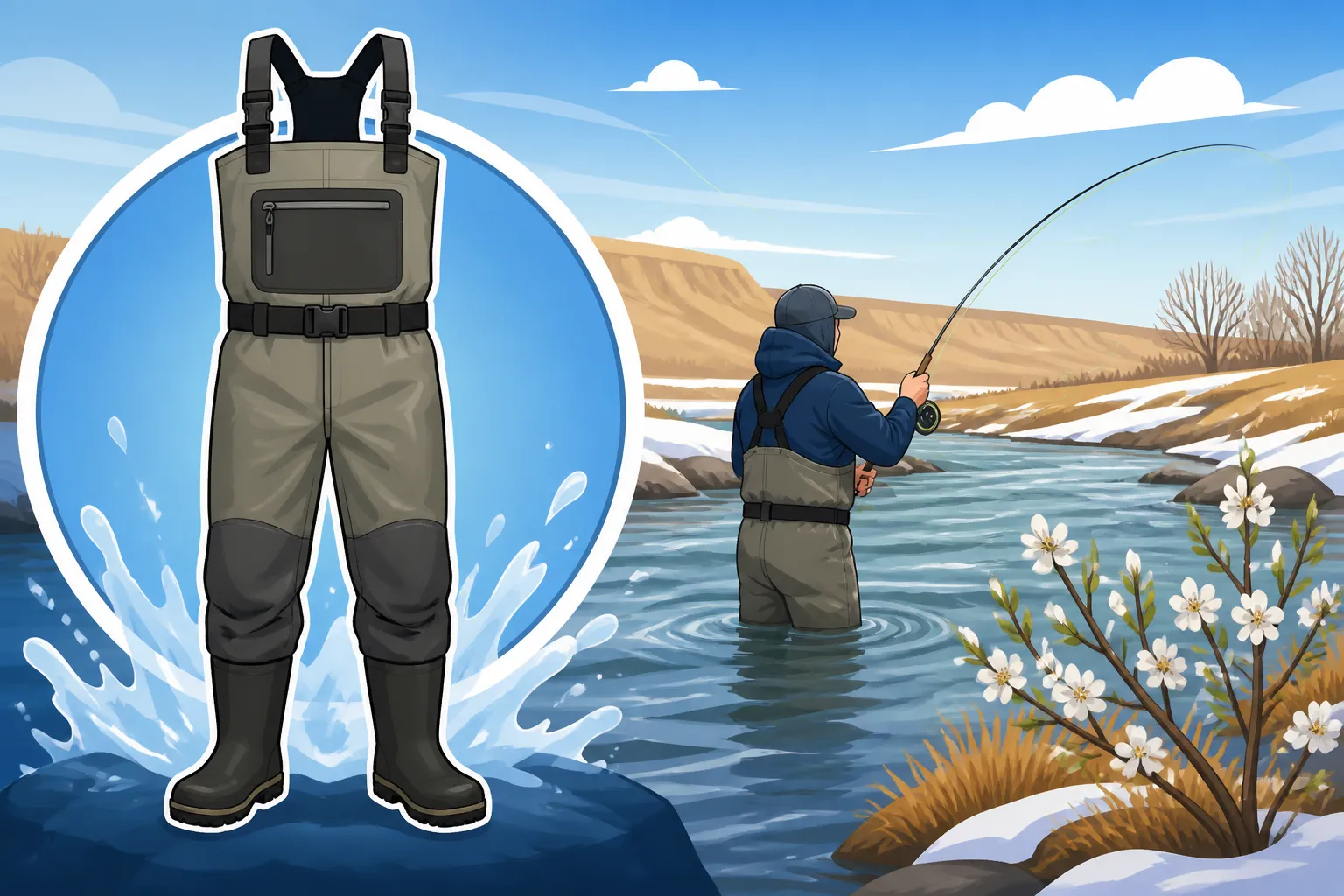
Best Waders for Cold Water Wading in Spring
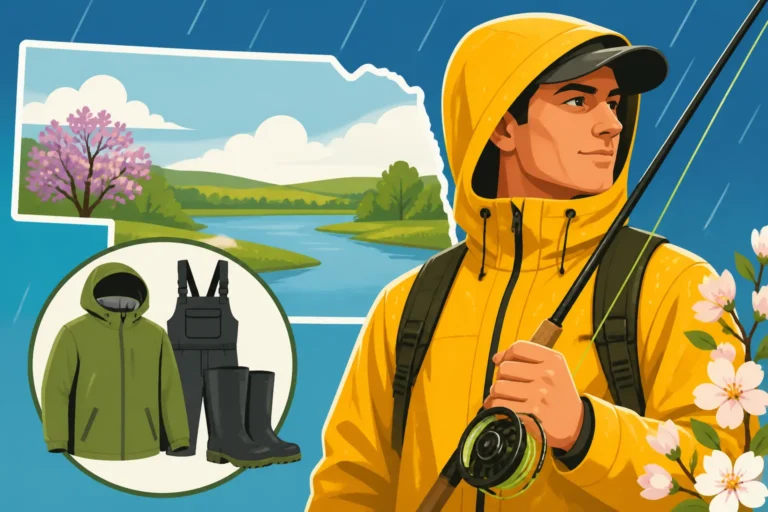
That crisp bite in the air, the steam rising off the water's surface as the sun just begins to peek over the bluffs – there's nothing quite like spring fishing in Nebraska. But for anyone who's tried to wade into those freshly thawed waters, you know it can be an immediate, shocking dose of reality if you're not properly equipped. Those early spring temperatures are no joke, and a flimsy pair of waders just won't cut it. This guide is dedicated to helping you navigate the sometimes overwhelming world of fishing waders, ensuring you pick the best ones to keep you warm, dry, and comfortable, so you can focus on reeling in that trophy catch, not on shivering uncontrollably.
Why Cold Water Wading in Nebraska Demands the Right Waders
Spring in Nebraska is a season of contrasts. One day you're shedding layers, the next you're bundling up against a surprise chill. This variability, combined with the inherently cold nature of thawing waters, makes selecting the right waders paramount. It’s not just about staying dry; it’s about maintaining core body temperature, ensuring your focus remains on the fish, and ultimately, extending your time on the water comfortably and safely.
The Chilling Reality of Nebraska's Spring Waters
When spring arrives in Nebraska, our lakes and rivers are still shaking off the long grip of winter. The water you're stepping into often comes directly from snowmelt or ice melt, meaning temperatures can hover just above freezing for weeks, sometimes even months, into the season. It’s a completely different ballgame than wading in the warmer waters of late summer or fall. Even on a relatively sunny day, that water can quickly sap your body heat, making for a miserable and short-lived fishing experience if your gear isn't up to par. Think about those brisk mornings on the Platte River or wading the edges of Lake McConaughy – the air might feel decent, but the water is still biting cold.
Trying to tough it out with inadequate waders or, worse, just regular pants, is a recipe for discomfort and can quickly turn a promising fishing trip into an ordeal. The cold permeates quickly, especially if you're standing in the water for any length of time. This is why many seasoned anglers consider their spring waders as essential as their rod and reel. They understand that accessing those prime early-season spots, often found a cast or two beyond the bank, requires gear designed to withstand the cold. Without that proper protection, you'll be rushing back to shore, teeth chattering, long before the fish even start to think about biting.
Beyond Comfort: Understanding Hypothermia Risks
While discomfort is certainly a significant deterrent, the real concern with inadequate cold water wading gear is the risk of hypothermia. This isn't just a dramatic scenario; it's a very real danger when exposed to cold water temperatures for too long, especially if you're not properly insulated. Hypothermia occurs when your body loses heat faster than it can produce it, causing your core body temperature to drop to dangerously low levels. Symptoms can start subtly, like shivering and confusion, and quickly escalate to more severe conditions, impairing judgment and physical coordination, which can be particularly dangerous near water.
Even a small leak in your waders can become a critical issue in cold water. A steady trickle of icy water against your skin can rapidly accelerate heat loss, making you vulnerable. It's why paying close attention to seam quality and material integrity is so important when selecting waders for spring. You’re not just buying a piece of clothing; you’re investing in a piece of safety equipment. Proper waders create a vital barrier, keeping the frigid water completely away from your skin and allowing your body to retain its natural warmth. This protection is what allows you to really enjoy the solitude and excitement of spring fishing without the constant worry of getting dangerously cold. For more on staying safe, you might want to review Nebraska Ice Fishing Safety Tips, even if you're not on ice, the principles of cold weather safety still apply.
Maximizing Your Spring Fishing Opportunities
The right waders do more than just keep you warm and safe; they significantly enhance your fishing success during the spring thaw. Many prime fishing spots, especially those productive early in the season, are simply inaccessible from the bank. Think about those shallow flats where walleye might spawn, or river bends where trout are holding in slightly deeper pockets, or those brush piles just out of reach where crappie congregate. Being able to wade out to these areas opens up a whole new world of opportunities. Without waders, you're often limited to casting from shore, which can mean missing out on the hottest bites.
Consider the spring white bass run, for example. These feisty fish often push into shallower river stretches or congregate on points and submerged structures in reservoirs. Getting within casting distance, or even wading into the current to present your lure effectively, requires reliable waders. Similarly, trout streams in the Nebraska Panhandle, like those near Lake Ogallala, often require precise wading to approach the fish without spooking them. The ability to move freely and silently in the water, setting up in the perfect position, can be the difference between a few speculative casts and a memorable day of consistent action. It's about empowering you to reach the fish, not just wish you could.
Key Features to Look for in Cold Water Waders
Choosing waders for cold spring water isn't a one-size-fits-all decision. The best option for you will depend on your specific fishing style, the type of water you'll be wading, and your personal tolerance for cold. However, there are fundamental features that all good cold-water waders should possess, primarily focusing on insulation, material, and how they integrate with your footwear.
Material Matters: Neoprene vs. Breathable Waders with Insulation
When you're facing cold Nebraska spring waters, the material of your waders is perhaps the most critical factor. The two main players are neoprene and breathable fabrics, often with some form of insulation. Each has distinct advantages and disadvantages.
Neoprene Waders:
Neoprene waders are like wearing a wetsuit – thick, insulating, and wonderfully warm. They work by trapping a thin layer of water against your skin, which your body heats up, providing excellent thermal retention. For really cold conditions, like early spring or even Nebraska Ice Fishing License Requirements, they are often the go-to choice.
- Pros: Outstanding insulation properties, inherently waterproof, very durable against punctures and abrasions. They are often a more budget-friendly option for serious cold-weather performance. If you're going to be stationary for long periods in very cold water, like fishing a deep river hole, neoprene excels.
- Cons: Not very breathable, which can lead to sweating and overheating if you’re hiking a lot or fishing on a warmer spring day. They can also be bulky and somewhat restrictive in movement, making long hikes to a spot more strenuous. When the weather unexpectedly warms up, you might find yourself peeling them off in discomfort.
- When to Use: Ideal for stationary fishing in truly frigid water, very early spring trips, or when you know you won't be doing much walking. Think cold morning crappie fishing from a submerged brush pile or still fishing for catfish in a chilly river bend.
Breathable Waders with Insulation Layers:
These waders are typically made from multi-layer Gore-Tex, Toray, or similar proprietary breathable fabrics, offering superior comfort and moisture-wicking capabilities. For cold water, they aren't usually worn alone but are paired with insulating base layers.
- Pros: Exceptional breathability, preventing sweat buildup and keeping you dry from the inside out. They are lighter, more flexible, and offer a much greater range of motion, making them perfect for active anglers who hike to spots or move around a lot while wading. Their versatility shines as you can adjust insulation through layering for different temperatures.
- Cons: On their own, breathable waders offer minimal thermal insulation. To be effective in cold water, they require proper layering underneath, which is an additional cost and consideration. They can also be more expensive upfront than neoprene, and their durability against punctures, while good, might not be quite as robust as thick neoprene.
- When to Use: Best for anglers who prioritize comfort, flexibility, and versatility. If you plan to hike to remote fishing spots, fish varied spring conditions, or want waders that can also serve you in warmer months with minimal layering, breathable waders are an excellent choice. Many serious anglers use breathable waders year-round, simply adjusting their underlayers.
Insulation Levels and Layering Strategies
Regardless of whether you choose neoprene or breathable waders, understanding insulation is key to staying warm in cold water. For neoprene, insulation is measured by thickness, typically in millimeters (mm). Common thicknesses range from 3mm to 5mm.
- 3mm neoprene: Good for cooler, but not freezing, conditions or when you'll be more active.
- 5mm neoprene: Your best bet for truly cold water, especially if you'll be standing still. This offers maximum warmth.
For breathable waders, the waders themselves don't provide much insulation. Instead, you create your own thermal barrier through strategic layering. This is where the magic happens and allows for incredible versatility.
- Base Layer: Start with a moisture-wicking base layer (merino wool or synthetic, never cotton!) that sits close to your skin. This pulls sweat away, keeping you dry.
- Mid-Layer: Add a fleece pant or synthetic insulated pant over your base layer. This is your primary insulation. The colder the water, the thicker or more numerous these layers should be. Some companies make specific "wader pants" designed for this purpose. Brands like Bass Pro Shops often carry a good selection of these layering pieces.
- Outer Layer: Your breathable waders act as the waterproof, windproof shell.
The beauty of layering is its adaptability. On a surprisingly warm spring day, you might just wear a base layer and your waders. On a frigid morning, you can add a heavy fleece mid-layer, maybe even two lighter ones. This modular approach allows you to dial in your warmth precisely, which is crucial for Nebraska's often unpredictable spring weather. Remember to account for layers when you're sizing your waders – you need enough room for them without the waders feeling tight or restrictive.
Bootfoot vs. Stockingfoot Waders for Cold Conditions
The choice between bootfoot and stockingfoot waders has a significant impact on warmth, comfort, and versatility, especially when cold water is a factor.
Bootfoot Waders:
As the name suggests, bootfoot waders have the boots permanently attached to the waders. You simply step into them and pull them up.
- Pros: Convenience is a major plus – no separate boots to fuss with. They often provide excellent integrated insulation in the boots themselves, with many featuring Thinsulate or similar materials, which is a huge advantage in cold water. Since the boot is sealed to the wader, there are fewer potential entry points for cold water to seep in, minimizing cold spots around your feet and ankles. They're quick to put on and take off, which is great for short trips or when moving between different spots.
- Cons: Lack of customizable fit. You're stuck with the boot size that comes with the waders, and if it doesn't fit your foot perfectly, it can lead to discomfort or cold spots. They are generally bulkier and heavier for transport, and if the boot wears out before the wader, or vice-versa, you might have to replace the whole unit. Also, without external ankle support, they might feel less stable on uneven riverbeds compared to dedicated wading boots.
- When to Use: Excellent for extremely cold conditions, especially if you prioritize warmth and convenience. They're fantastic for ice fishing (if rated for it), early spring lake fishing from a boat where you might step out occasionally, or for short walks to a wading spot where maximum warmth is needed.
Stockingfoot Waders:
Stockingfoot waders end in a neoprene "sock" (the stockingfoot) that you then wear with separate wading boots.
- Pros: Superior fit and ankle support. By choosing separate wading boots, you can select a pair that fits your feet perfectly, offering better comfort, stability, and traction on slippery riverbeds or lake bottoms. This custom fit also means less rubbing and blistering on longer walks. You can opt for insulated wading boots to combat cold water, or non-insulated ones for warmer conditions, offering more versatility. If one part wears out, you only need to replace that component. Many anglers find Best Wading Boots for Rocky River Bottoms to be a critical pairing with stockingfoot waders.
- Cons: Requires the additional purchase of wading boots, which adds to the overall cost and means more gear to carry. If your wading boots aren't adequately insulated, your feet can get cold quickly in frigid water. There's also a tiny, though rare, chance of water seeping in where the neoprene stocking meets the boot if not properly fitted or cinched.
- When to Use: Ideal for active anglers who walk significant distances to their fishing spots, value superior ankle support and traction, or want the flexibility to use different boots for different conditions. They are often favored for river wading, fly fishing, and situations where agility and comfort over long periods are important.
Ultimately, for truly cold water, if you go with stockingfoot, make sure your wading boots are insulated, or plan on wearing extra thick wool socks. Many reputable outdoor brands offer excellent insulated wading boots that pair well with breathable stockingfoot waders for bone-chilling conditions.
| Feature | Neoprene Waders | Breathable Waders (with appropriate layering) |
|---|---|---|
| Primary Benefit | Maximum Insulation, excellent warmth | Superior Breathability, Versatility, Comfort |
| Insulation | Inherently insulating (e.g., 3mm, 5mm thickness) | Relies on internal layers (base, mid-layer) |
| Cold Water Perf. | Excellent, ideal for stationary cold-water fishing | Excellent, highly adaptable with proper layering |
| Breathability | Low, can lead to sweating/overheating | High, prevents internal moisture buildup |
| Mobility | Can be bulky and restrictive | Lightweight, flexible, allows for greater range of motion |
| Durability | Very durable, good puncture resistance | Durable, but may require more care than thick neoprene |
| Cost (Waders) | Generally more affordable for comparable warmth | Often higher initial cost, plus cost of layering garments |
| Ideal Use | Very cold, stationary fishing, early spring/winter | Active fishing, hiking to spots, varied spring conditions |
Essential Design Elements for Durability and Functionality
Beyond the basic material and style, the longevity and usability of your waders in tough Nebraska conditions hinge on several crucial design elements. These are the details that separate a pair of waders that lasts a season from those that stand up to years of abuse on rocky riverbeds and muddy banks.
Seam Construction and Waterproofing
The seams are arguably the weakest point on any pair of waders, and their construction is paramount to maintaining waterproof integrity, especially in cold water. A leak in warm weather is annoying; a leak in freezing water is dangerous. Manufacturers use several methods to construct and seal seams, and understanding these can help you choose a more reliable product.
- Taped and Glued Seams: This is a common construction method, especially for breathable waders. The fabric panels are glued together, and then a waterproof tape is applied over the seam, often on both the inside and outside. High-quality taping is crucial here. Look for neat, consistent seam tape without any signs of lifting or bubbling. Inferior taping can quickly fail, leading to leaks.
- Welded Seams: Considered the gold standard for durability and waterproofing, welded seams fuse the wader material together using heat and pressure, effectively creating a single, seamless piece of fabric. This eliminates the need for stitches or glue, which are common points of failure. Welded seams are less prone to delamination and offer superior long-term waterproofing. Many premium breathable waders will feature welded seams.
- Stitched and Vulcanized (for Neoprene): Neoprene waders are typically stitched and then vulcanized, a process where rubber is chemically bonded to the fabric under heat and pressure, creating a strong, waterproof seal over the stitching. This makes neoprene incredibly robust.
When inspecting waders, pay close attention to all seams, especially in high-stress areas like the crotch, knees, and around the boots/stockingfeet. Consistent, clean seam work indicates a higher quality product. A few extra dollars spent on waders with superior seam construction can save you a lot of misery and money in the long run. There's nothing worse than finding out your brand-new waders have a pinhole leak on your first frigid spring outing.
Reinforced Knees and Seat for Longevity
Fishing in Nebraska, especially when wading, involves a lot of movement that puts stress on your gear. You might be kneeling down to net a fish, sitting on a rocky bank to change a lure, or pushing through brush to reach a secluded spot. These actions, over time, can quickly wear out standard wader fabric, leading to punctures and tears in critical areas. That's why reinforced knees and seat areas are absolutely non-negotiable for cold-water waders.
These reinforcements are typically made from a tougher, abrasion-resistant material like Cordura, often in a double-layer design or with extra padding. This added material acts as a protective shield against the harsh realities of the outdoor environment. Imagine kneeling on sharp gravel while releasing a walleye at Lake McConaughy, or sliding down a muddy bank to get into the Elkhorn River. Without reinforcement, your waders would quickly show signs of distress, potentially leading to leaks that compromise your warmth and safety. These areas are also where you tend to have the most friction during movement, making them prone to wear.
When you're comparing waders, check for these reinforced zones. They should feel substantial and cover a reasonable area. It's a small detail that makes a huge difference in the lifespan of your waders, preventing premature wear and tear in high-impact zones. Investing in waders with these features means you're investing in a product that can withstand the rigors of serious fishing, allowing you to focus on your technique and not worry about accidentally puncturing your vital cold-water barrier.
Pockets, Hand Warmers, and Comfort Features
While warmth and durability are primary, thoughtful design features can significantly enhance your cold-water wading experience. These aren't just luxuries; they contribute to functionality and comfort, which are vital when battling chilly conditions.
- Fleece-Lined Handwarmer Pockets: These are a godsend on cold spring mornings. When your fingers are numb from handling fish or tying knots, having a warm, dry place to quickly thaw them out makes a huge difference. Many waders feature a pass-through pocket at chest level, lined with fleece or similar material, allowing you to warm your hands even while wearing gloves. This might seem minor, but after a few hours in the cold, you'll be incredibly grateful for it.
- Waterproof Chest Pockets: Keeping your phone, truck keys, fishing license (see Nebraska Fishing License Guide), and other essentials dry is paramount. Look for waders with at least one, and preferably multiple, waterproof or water-resistant chest pockets. Some even have internal flip-out pockets for extra security. Knowing your valuables are safe from splashes or an accidental dunk allows for greater peace of mind.
- Adjustable Suspenders: Comfort is key for long days on the water. Adjustable suspenders, often made with elastic webbing, allow you to fine-tune the fit of your waders, distributing weight evenly and preventing sagging or binding. Look for quick-release buckles for easy on and off, and a design that doesn't chafe your shoulders.
- Wading Belt: Almost all modern waders come with a wading belt. This isn't just for comfort; it's a critical safety feature. In the event of a fall in deep water, cinching the wading belt tight around your waist helps to prevent your waders from filling completely with water, which can be incredibly dangerous. It can make a huge difference in staying safe and upright. Always wear your wading belt!
- Attached Gravel Guards: For stockingfoot waders, integrated gravel guards are a must. These are designed to fit snugly over your wading boots, preventing sand, gravel, and other debris from entering your boots and abrading the neoprene stockingfoot, which can lead to leaks. They also help keep your laces secure.
Considering these thoughtful features ensures that your waders are not only warm and durable but also a pleasure to wear. Brands like Bass Pro Shops and Amazon offer a wide array of waders with various combinations of these features, allowing you to find the perfect match for your needs and budget. Remember, the better equipped you are, the more enjoyable and productive your cold-water fishing trips will be.
Choosing the Right Fit and Care for Your Waders
Even the most expensive, feature-rich waders won't perform their best if they don't fit correctly or aren't properly maintained. A poor fit can lead to discomfort, premature wear, and even compromise insulation, while neglecting care can drastically shorten their lifespan and lead to annoying leaks.
Sizing Up: Ensuring a Proper, Layer-Friendly Fit
Getting the right fit for your waders is absolutely crucial, especially when you plan on layering for cold water. Too tight, and you'll restrict blood flow, compromising warmth and comfort. Too baggy, and you'll have excess material that bunches, creates drag in the water, and can snag easily, leading to punctures. The goal is a comfortable, roomy fit that allows for a full range of motion while accommodating your cold-weather layers.
- Measure Yourself Accurately: Don't just guess your size. Most wader manufacturers provide detailed sizing charts based on chest circumference, inseam, and foot size. Take these measurements over the heaviest layers you anticipate wearing underneath your waders. This is a critical step many anglers overlook.
- Consider Your Layers: If you're going to wear thick fleece pants and a heavy base layer under your breathable waders, you need to ensure there's enough room. Try to replicate your typical layering system when trying on waders if possible. You should be able to comfortably squat, raise your knees, and stretch without feeling any pull or tightness, especially in the crotch and knees.
- Check Foot Size (for Bootfoot Waders): For bootfoot waders, the integrated boot needs to fit well with your thickest fishing socks. If the boots are too small, they'll be uncomfortable and cold; too large, and your foot will slide around, leading to blisters.
- Check Stockingfoot Size (for Stockingfoot Waders): For stockingfoot waders, the neoprene foot should fit snugly but not constrictively, without excessive bunching or stretching. This ensures a comfortable fit inside your wading boots. Remember, the wading boots provide the critical support and traction, so make sure they fit well over the stockingfoot.
A common mistake is buying waders based solely on your pant size. Fishing waders are designed with different proportions to allow for layering and movement. Taking the time to measure and consult sizing charts will prevent countless headaches down the line. A well-fitting pair of waders feels almost like a second skin, allowing you to move naturally and stay comfortable for hours on the water.
Maintaining Your Waders for Years of Cold Water Fishing
Your waders are an investment, and like any good piece of gear, they require proper care to ensure longevity and continued performance. Neglecting basic maintenance is the quickest way to develop leaks, odors, and premature material breakdown.
- Rinse After Every Use: Especially after fishing in muddy rivers like the Platte or waters with fine silt, rinse your waders thoroughly with fresh water. Pay special attention to the boot area (if bootfoot) or the neoprene stockingfeet, as grit can cause abrasion over time. This also helps prevent the spread of Nebraska Aquatic Invasive Species Stamp for Boats.
- Dry Thoroughly: This is perhaps the most critical step. Hang your waders inside out first (if possible) to dry the interior completely, then flip them right side out to dry the exterior. Hang them in a well-ventilated area away from direct sunlight or extreme heat, which can degrade materials and seam tape. Never wad them up wet, as this is a prime cause of mildew and material damage, leading to foul odors and eventual leaks. It might take a day or two to fully dry.
- Clean Gently: If your waders get particularly dirty, use a mild soap (like dish soap or a specialized wader cleaner) and a soft brush or sponge. Gently scrub the soiled areas, then rinse thoroughly. Avoid harsh detergents or bleach, which can strip away protective coatings and damage fabrics.
- Store Properly: Once completely dry, store your waders by hanging them vertically in a cool, dry, dark place. Hanging prevents creases that can weaken materials and seals. Avoid folding them tightly for extended periods. If hanging isn't an option, roll them loosely rather than folding. Keep them away from anything that could puncture or snag them.
- Inspect Regularly: Before and after each season, give your waders a thorough inspection. Look for small pinholes, abrasions, or signs of seam tape lifting. Addressing small issues early can prevent them from becoming major leaks.
Proper care not only extends the life of your waders but also ensures they remain waterproof and breathable, keeping you warm and comfortable on those cold Nebraska spring fishing trips.
When to Replace or Repair Your Waders
Even with the best care, waders aren't invincible. They take a beating from the elements, snags, and general wear and tear. Knowing when to repair a small leak versus when it’s time to invest in a new pair can save you money and frustration.
-
Signs of Wear and Tear:
- Persistent Leaks: The most obvious sign. Small pinholes can often be repaired with a patch kit or AquaSeal. If you find multiple leaks, especially along seams, it might be time to consider replacement.
- Delaminating Seams: If the seam tape on breathable waders is peeling or the vulcanized rubber on neoprene waders is cracking, this indicates a widespread failure of the waterproofing system, which is very difficult to repair effectively.
- Fabric Deterioration: If the outer fabric of breathable waders feels thin, worn, or is visibly frayed in multiple areas, its protective properties are compromised. Neoprene can also become brittle or show excessive cracking.
- Loss of Breathability: If your breathable waders consistently leave you feeling damp from sweat, even with proper layering, the breathable membrane might be clogged or compromised.
- Boot Failure (Bootfoot Waders): If the boots crack, lose their grip, or become detached from the wader fabric, the entire unit may need replacing.
-
Cost-Effectiveness of Repair vs. Replacement:
- Small Pinhole Leaks: Easily and inexpensively repaired with a dab of Aquaseal or a patch. Definitely worth fixing.
- Minor Seam Separations: If it's a small section of seam tape peeling, you can try to re-glue and re-tape it, but success can be hit or miss.
- Major Delamination or Multiple Leaks: At this point, the cost and effort of trying to salvage the waders often outweigh buying a new, reliable pair. You'll spend more time hunting leaks than fishing.
- Manufacturer Warranties: Check if your waders are still under warranty. Many quality wader brands offer robust warranties for defects, which could mean a free repair or replacement.
Ultimately, your safety and comfort are paramount. If your waders are constantly letting you down, making you cold, or requiring constant patching, it's a clear sign that their useful life is over. There's no point in enduring a miserable day on the water because your old waders are barely holding up. Many anglers upgrade their waders every few years, especially if they fish frequently in challenging conditions, understanding that reliable gear is fundamental to enjoying Nebraska Fishing Seasons Explained.
Disclaimer
This article is for general informational purposes only and does not constitute professional advice. Laws, prices and regulations vary by location and change over time. Consult a qualified professional for guidance on your specific situation.