Calamus Reservoir Striped Bass Fishing
Trying to target striped bass in a landlocked state like Nebraska can feel like chasing a ghost – they're notoriously challenging to find and even tougher to consistently catch. You've heard the rumors about their incredible fight and delicious table fare, but actually putting one in the boat at a place like Calamus Reservoir often feels out of reach. This guide is here to cut through the mystery, offering practical advice and techniques to help you successfully target and land those impressive wipers (hybrid striped bass) often referred to as stripers in Nebraska's Calamus Reservoir.
Understanding Striped Bass in Nebraska
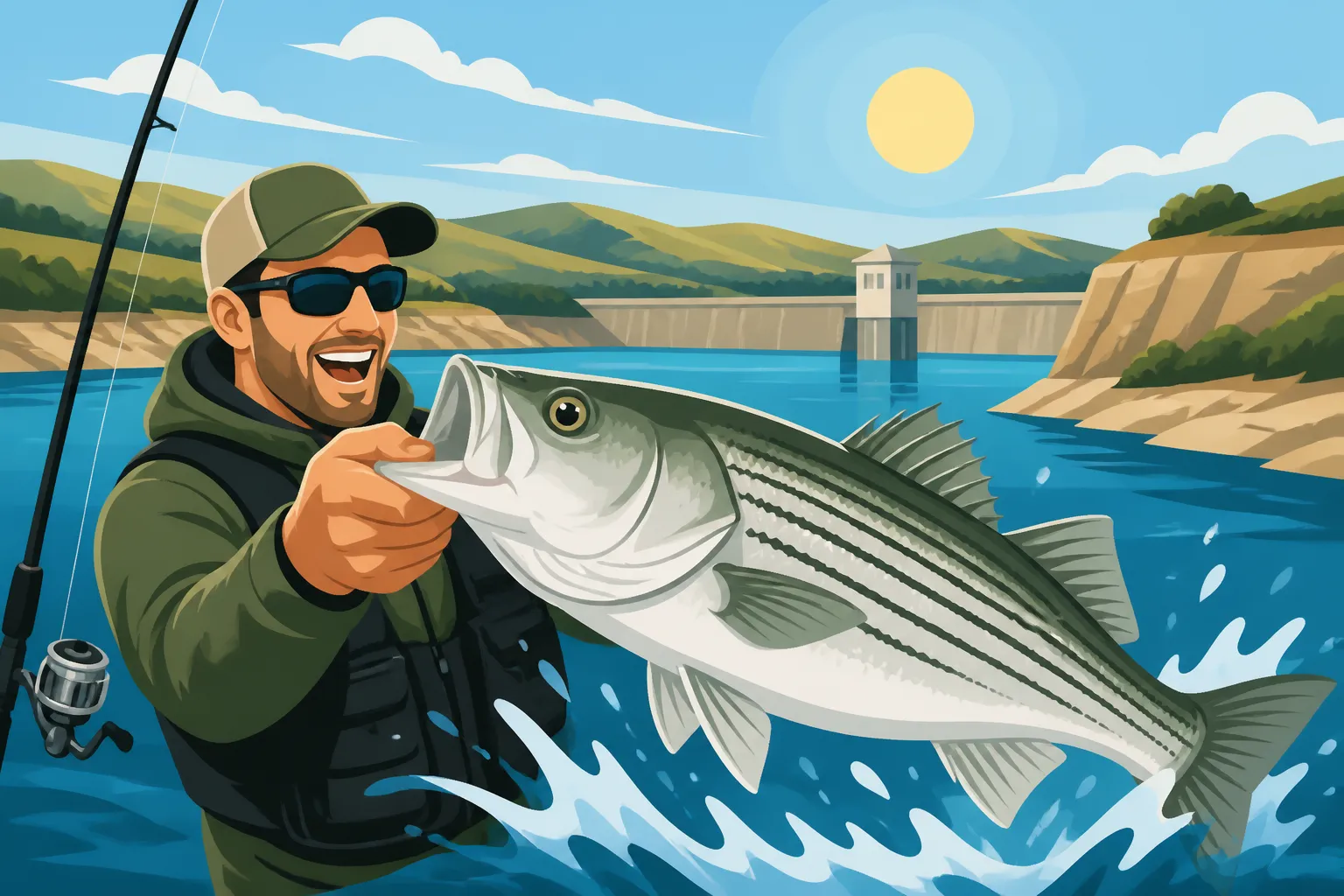
Let's clear the air right away: when most folks in Nebraska talk about "striped bass" or "stripers," especially in a reservoir setting like Calamus, they're typically referring to the hybrid striped bass, affectionately known as "wipers." These incredible fish are a cross between a purebred striped bass and a white bass, and they're stocked in several of Nebraska's larger reservoirs precisely because they grow big, fight hard, and provide an exciting angling opportunity that pure stripers, which are less suited to inland environments, can't quite match here.
The Allure of Wipers in Landlocked States
There's a reason wipers have such a dedicated following. Their sheer power and aggressive nature make for an unforgettable battle, often described as a "freight train" hitting your line. Imagine hooking into something that peels line off your reel with such force it makes your drag sing – that's a wiper. Unlike some other freshwater species that might give a few head shakes, wipers are known for long, powerful runs that truly test your gear and your angling skill. Plus, they're fantastic on the dinner plate, offering firm, flaky white meat. For anglers craving that coastal striper experience without the ocean, these Nebraska wipers are the next best thing, providing an adrenaline rush that few other freshwater species can deliver. The challenge of finding and conquering these hard-fighting fish in our prairie waters is what keeps many of us coming back season after season.
Why Calamus Reservoir is a Striper Hotspot
Calamus Reservoir, nestled in the Sandhills of Nebraska, isn't just another pretty lake; it’s a premier destination for wiper fishing, and for good reason. Its relatively clear, deep waters provide an ideal environment for these hybrids to thrive. The Nebraska Game and Parks Commission has consistently stocked wipers here, ensuring a healthy population. Crucially, Calamus also boasts a robust forage base, particularly gizzard shad and alewives, which are the primary food source for wipers. These baitfish schools move throughout the reservoir, and where the bait goes, the wipers follow. The reservoir's diverse underwater structure – from submerged timber and rocky points to deep humps and the river channel – offers plenty of ambush points and holding areas for these aggressive predators. Anglers often find success by focusing their efforts around these key structural elements, especially when they can locate large schools of baitfish on their sonar.
Prime Times and Seasons for Calamus Stripers
Wiper fishing at Calamus is highly seasonal, and understanding these patterns is crucial for success. These fish are constantly on the move, chasing bait and reacting to water temperature changes, so what works in spring might be completely ineffective in summer.
Spring Frenzy
As the ice melts and water temperatures begin to climb into the 50s Fahrenheit (around 10-15°C), usually from late April through May, Calamus wipers become incredibly active. This is often the most anticipated time for many anglers, myself included. They start to move out of their deep winter haunts and shallow up, often following baitfish into warmer coves and along main lake points. The Calamus River inflow area becomes particularly active, as these fish congregate looking for an easy meal as baitfish become more active. This pre-spawn and pseudo-spawning period (wipers don't naturally reproduce, but they do go through spawning motions) makes them aggressive and easier to locate. Targeting them with crankbaits, jigging spoons, or even live bait like shiners or gizzard shad can be highly effective during this period. Pay close attention to water temperature maps and recent fishing reports, as the bite can turn on rapidly. For a broader understanding of how the seasons impact all species, you might want to read our guide on Nebraska Fishing Seasons Explained.
Summer Deepwater Tactics
Once the scorching Nebraska summer hits and surface water temperatures soar, typically from June through August, wipers retreat to the cooler, deeper parts of Calamus Reservoir. This doesn't mean they stop biting, but it does require a change in tactics. They'll often suspend in the water column over the old river channel or stack up around deep humps and points where cooler, oxygenated water is available. Trolling becomes a highly effective method during this time, often with large crankbaits or spoons on downriggers to reach those precise depths. Another successful approach is vertical jigging directly over schools of baitfish or marked wipers that you've located with your fish finder. Early mornings and late evenings can also offer short windows of opportunity when wipers might push baitfish to the surface, creating explosive "boils" that are incredibly exciting to cast into. For those targeting other species, Summer Fishing in Nebraska offers great advice.
Fall Feast and Winter Lulls
As autumn arrives and water temperatures begin to drop in September and October, wipers go on a feeding frenzy, packing on fat for the winter. This can be another fantastic time to fish Calamus. They become more aggressive and will often chase baitfish into shallower bays and coves during the day, much like in the spring, before retreating to deeper water at night. Trolling large crankbaits or casting hefty swimbaits along rocky points and bluff walls can yield impressive catches. The clear, crisp fall days can provide some truly epic battles.
Winter fishing for wipers at Calamus, typically from November through March, is a different beast entirely. While it's possible to catch them through the ice, it's often more challenging. Wipers become lethargic and slow-moving, holding tight to deep structure. Success often comes to those with patience, relying on sensitive ice fishing gear and subtle presentations like small jigging spoons or deadsticking live bait. Always prioritize safety when venturing onto the ice; understanding How Thick Ice Needs to Be to Fish Safely in Nebraska is paramount.
Essential Gear and Techniques for Calamus Stripers
Catching Calamus wipers isn't about luck; it's about having the right tools and knowing how to use them. These fish are powerful, and your gear needs to be up to the task.
Rods, Reels, and Line
Given the hard-fighting nature of wipers, you'll want a medium-heavy to heavy action rod, usually 7 to 8 feet long, that can handle strong pulls and cast heavy lures. A good quality baitcasting or spinning reel with a smooth, reliable drag system is crucial – you don't want your drag sticking when a trophy wiper makes a run! For line, 15-20 lb monofilament or fluorocarbon is a solid choice, or for even more sensitivity and power, consider 30-50 lb braided line with a 15-20 lb fluorocarbon leader. The braid will give you excellent feel for subtle bites and incredible casting distance, while the fluorocarbon leader provides invisibility and abrasion resistance. When considering different setups, it’s helpful to research Best Rods and Reels for Nebraska Fishing to find what suits your style.
Baits and Lures that Get Bites
Wipers are opportunistic predators, and their diet at Calamus primarily consists of gizzard shad and alewives. Mimicking these forage fish is key.
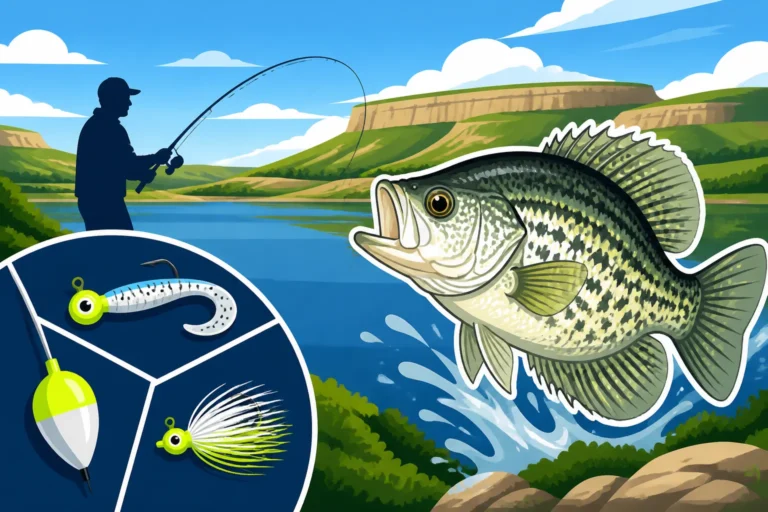
- Live Bait: If you can acquire live gizzard shad, shiners, or large minnows, they are often irresistible to wipers. Fish them on a slip bobber or Carolina rig near schools of baitfish or over submerged structure.
- Crankbaits: Deep-diving crankbaits that reach depths of 15-30 feet are excellent for trolling in summer. Match the color patterns to the local baitfish – shad, chrome, and blue patterns are often effective. Look for crankbaits with a tight wobble that can cut through the water. Brands like Berkley and Rapala offer some excellent options for this.
- Spoons: Jigging spoons or casting spoons are versatile. Heavy jigging spoons (1/2 to 1 oz) can be dropped vertically into deep schools of fish, while casting spoons can be retrieved quickly near the surface during active feeding times.
- Swimbaits: Soft plastic swimbaits rigged on jig heads (1/2 to 1 oz) are incredibly effective, especially when wipers are chasing bait near the surface or suspended. Realistic baitfish profiles in white, silver, or pearl colors work wonders.
- Topwater Lures: During those rare, exciting moments when wipers are crashing bait on the surface (often called "boils"), topwater poppers or walking baits can lead to explosive strikes. While not an everyday technique, it's thrilling when it happens.
Techniques for Success
Success at Calamus often boils down to a few core techniques, adapted to the conditions.
- Trolling: This is a go-to method for covering large areas, especially in warmer months. Use multiple rods with different lures and depths until you find what's working. Maintain a speed of 2-3 mph, and use a GPS-enabled fish finder to mark productive lanes and depths. Don't be afraid to experiment with S-curves and speed changes to trigger strikes. Many anglers find it valuable to consult expert guides for these techniques, and a great way to find one is through services like FishingBooker, which lists local guides specializing in wipers.
- Casting to Boils: Keep an eye on the water's surface, particularly in early morning or late evening. If you see baitfish scattering and water erupting, cast a swimbait, spoon, or topwater lure into the commotion immediately. The bite can be fast and furious, but also short-lived.
- Vertical Jigging: When you mark schools of wipers holding deep, especially over humps or the river channel, position your boat directly over them and drop a heavy jigging spoon or a bucktail jig. Use sharp, erratic lifts and drops to entice a strike. This method requires a good fish finder and precise boat control.
- Using Fish Finders and Mapping: Modern electronics are invaluable. Use your sonar to locate schools of baitfish and the wipers themselves. Pay attention to contour maps to identify submerged humps, points, and the old river channel – these are prime holding areas. Many anglers use advanced units from brands like Humminbird or Lowrance to gain an edge. Learning How to Read a Fish Finder for Walleye can often translate well to wiper fishing, as you're looking for similar baitfish and predator patterns.
Key Locations and Structures at Calamus Reservoir
Calamus Reservoir offers a variety of features that appeal to wipers. Knowing where to focus your efforts can make all the difference.
Main Lake Body and Points
The vast main lake body of Calamus holds the majority of its wiper population, especially during the summer and fall. Look for long, sloping points that extend into the main channel. These points act as highways and ambush points for wipers moving between deep and shallow water. Submerged humps, often referred to as "islands" or "mountains" on your sonar, are magnetic to wipers, particularly if they are covered in baitfish. Trolling around these features, or casting to them if they come close enough to the surface, is a common and effective strategy. Areas like the dam face and the rocky shorelines near it can also hold fish, especially when current is present.
Inflow and Outflow Areas
The inflow of the Calamus River on the west end of the reservoir is a critical area, especially in the spring and fall. The slightly warmer, oxygenated water and influx of nutrients attract baitfish, which in turn draws in hungry wipers. Shallow flats and sandbars near the river mouth can be excellent during these transitional periods. Conversely, the outflow areas near the dam might create current seams that attract bait and wipers. Pay attention to how current affects baitfish movement; where the bait gets funneled, the wipers will likely be close behind. Exploring guides like Best Nebraska Lakes for Walleye can sometimes offer insights into similar reservoir dynamics, even if the target species is different.
Submerged Structures and Baitfish Schools
Beyond points and river channels, Calamus has numerous subtle underwater structures that wipers utilize. Old creek beds, isolated rock piles, and even submerged timber can all hold fish. The absolute key, however, is finding the baitfish. Wipers are constantly on the hunt, so if you can locate large, dense schools of gizzard shad or alewives on your fish finder, you are likely in a productive area. The wipers will often be lurking just below, within, or on the edges of these baitfish schools. Don't be afraid to use your electronics to cruise around until you mark significant bait. A useful resource for general information on this lake is Calamus Reservoir Fishing Guide, which often touches on baitfish patterns.
Here’s a quick overview of seasonal tactics for Calamus wipers:
| Season | Water Temperature (Fahrenheit) | Primary Locations | Effective Techniques | Recommended Baits/Lures |
|---|---|---|---|---|
| Spring | 50-65°F (10-18°C) | Inflow, main lake points, shallower coves | Casting, trolling | Crankbaits (shad/blue), jigging spoons, live shiners |
| Summer | 70-80°F (21-27°C) | Deep humps, old river channel, dam face | Trolling (downriggers), vertical jigging | Deep-diving crankbaits, heavy jigging spoons, swimbaits |
| Fall | 60-45°F (15-7°C) | Main lake points, bluff walls, shallower bays | Casting, trolling | Large crankbaits, swimbaits, spoons, live gizzard shad |
| Winter | <40°F (<4°C) | Deep main lake structure, old river channel | Ice fishing (deadsticking, jigging) | Small jigging spoons, live minnows, soft plastics |
Finding a knowledgeable guide can dramatically shorten your learning curve on a big lake like Calamus. Websites like FishingBooker can connect you with experienced Nebraska fishing guides who specialize in wiper fishing. They know the current patterns, the best spots, and the right techniques, often providing an invaluable experience for a successful trip. Booking a trip through FishingBooker can give you a local expert's perspective right on the water. Another useful post, Best Nebraska Lakes for Kayak Fishing, might offer alternative approaches to accessing some of these spots if you prefer a paddle craft. For those thinking about combining their trips, information on Nebraska Combination Hunt and Fish Permit can also be quite handy. And if you're exploring different waters, it's good to know about Lewis and Clark Lake Walleye Fishing too.
When you're out on the water, remember to observe local regulations, including Nebraska Fishing Daily Bag and Possession Limits, which are crucial for ensuring the health of our fisheries for future generations. If you're wondering how to replace a lost license, that's covered in How to Replace a Lost Nebraska Fishing License. For planning your next adventure, you might consider places like Harlan County Reservoir Fishing or even Merritt Reservoir Fishing Guide for different experiences. Don't forget that if you're bringing a boat, you'll need to be up-to-date on Nebraska Boat Registration and Fishing Rules.
Fishing for wipers at Calamus is an incredible experience that combines the thrill of the chase with the reward of a powerful, beautiful fish. It requires adaptability, patience, and a willingness to learn, but the payoff is well worth the effort.
Disclaimer
The information provided in this guide is for general informational purposes only and is subject to change. Always consult the latest Nebraska Game and Parks Commission regulations before fishing. Fishing conditions and fish behavior can vary greatly, and past success does not guarantee future results. Stay safe and respect the environment when enjoying Nebraska's great outdoors.