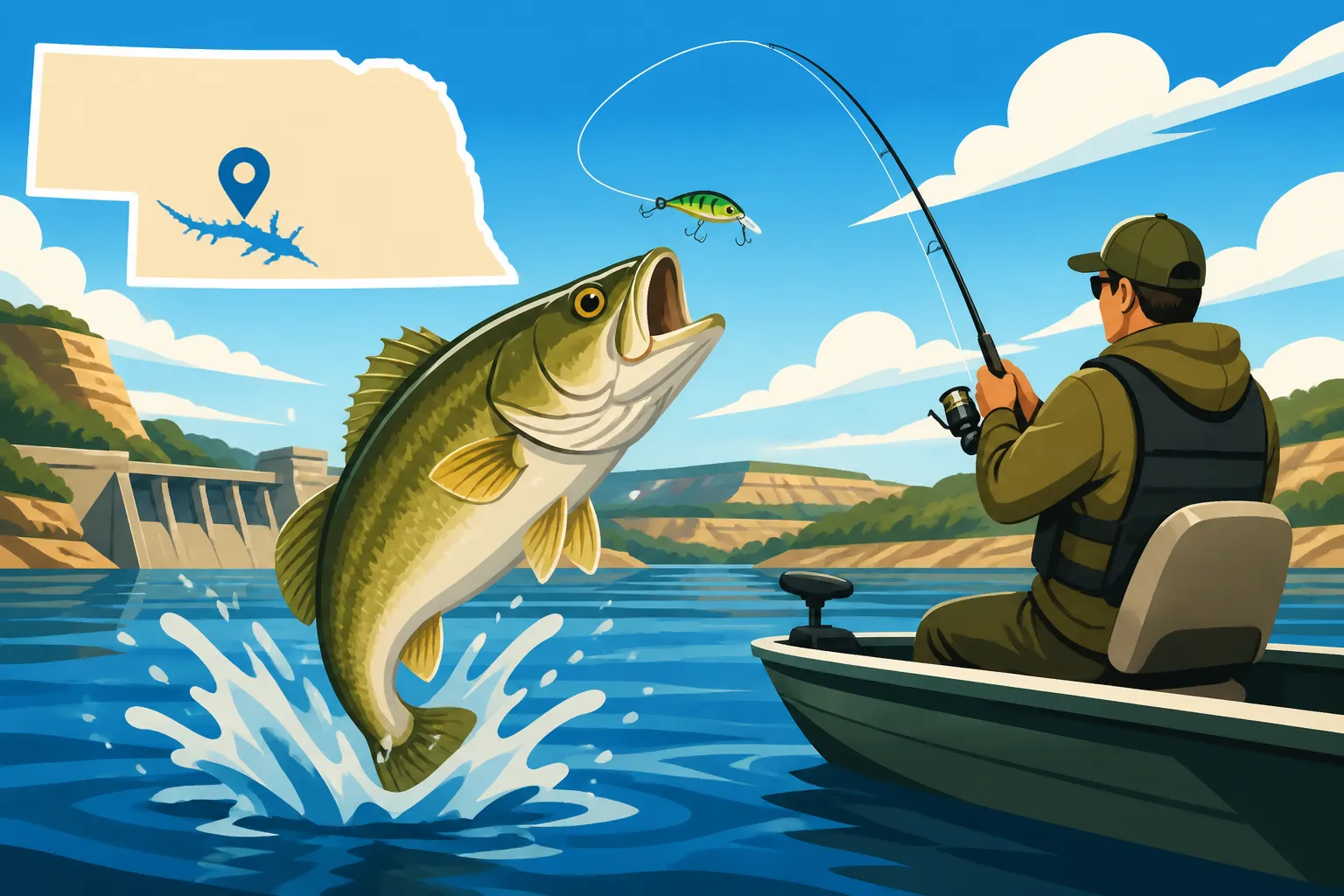
Harlan County Reservoir Fishing
Heading out to a new body of water can feel like a daunting task, especially when it's a big, dynamic reservoir like Harlan County. You've heard the whispers of fantastic fishing, but knowing where to start, what to target, and how to even approach such a massive lake can be overwhelming. This guide is designed to cut through that uncertainty, offering you a deep dive into successfully navigating Harlan County Reservoir, from its unique characteristics to the best techniques for filling your livewell or simply enjoying a great day on the water.
Understanding Harlan County Reservoir's Unique Character
Harlan County Reservoir, often simply called "Harlan," is a sprawling impoundment of the Republican River in south-central Nebraska, near the Kansas border. It's one of the state's largest lakes, boasting over 15,000 acres of water at conservation pool and more than 100 miles of shoreline. This vastness means it offers incredible diversity for anglers, but it also requires a solid understanding of its layout and how various factors influence the fish.
Geography and Key Features
Harlan County Reservoir is characterized by its wide-open main lake areas, numerous coves, and significant river arms that extend up the Republican River. The lake's depth varies considerably, from shallow, silty flats in the upper reaches of the river arms to deeper main lake basins and channels, especially near the dam. This diverse topography provides a variety of habitats for different fish species throughout the year. The lake bed itself is a mix of rock, sand, and submerged timber, with plenty of points, humps, and creek channels that create ideal fish-holding structure.
One of the most defining features of Harlan is its expansive, relatively shallow nature compared to some deep canyon reservoirs. While there are deeper areas, much of the lake offers fish habitat within reasonable casting distance from shore or accessible to smaller boats. The Republican River continues to flow into the western end, bringing nutrients and influencing water clarity, particularly after heavy rains. The eastern end is contained by the impressive Harlan County Dam, which also offers excellent fishing opportunities below its outflows. Knowing these geographical nuances is crucial for developing a successful fishing strategy.
Dominant Fish Species
Harlan County Reservoir is a multi-species angler's paradise, renowned for several key game fish. Walleye are perhaps the most sought-after, with the lake consistently producing good numbers and impressive sizes. Anglers regularly target these toothy critters, especially during their spring and fall feeding binges. Harlan's abundant gizzard shad population provides a rich food source, contributing to healthy and fast-growing fish.
Beyond walleye, the reservoir boasts a robust population of channel catfish and flathead catfish, particularly in the river arms and deeper channels. White bass are another staple, offering fast action and large schools, especially during their spring runs and summer feeding frenzies. For those seeking a powerful fight, hybrid striped bass, often called "wipers," provide an exhilarating challenge, cruising open water in pursuit of shad. Crappie also offer fantastic opportunities, especially around submerged brush piles and standing timber in the lake's coves. Less frequently targeted but still present are northern pike, although they are not as common as in some other Nebraska waters.
Water Level Fluctuations and Their Impact
A defining characteristic of many large Plains reservoirs, including Harlan, is significant water level fluctuation. The U.S. Army Corps of Engineers manages the reservoir primarily for flood control, irrigation, and recreation. This means water levels can change dramatically throughout the year, sometimes even week to week, depending on rainfall upstream and downstream demands. These changes are not just an inconvenience; they are a critical factor influencing fish behavior and angler success.
When water levels are rising, fish often move shallower, following the inundation of new cover and food sources along the shoreline. This can open up new areas for bank anglers and make targeting fish around newly flooded brush or grass highly effective. Conversely, falling water levels tend to pull fish away from the banks and into deeper water or adjacent main lake structure. Points, submerged humps, and creek channels become particularly productive during these times as fish concentrate there. Keeping an eye on the current water levels, which are often available from the U.S. Army Corps of Engineers, is a non-negotiable part of planning a successful trip to Harlan County Reservoir. Understanding this dynamic will help you adapt your approach and find where the fish are holding, whether you're targeting the active Nebraska White Bass Spring Run or the more elusive walleye.
Prime Fishing Seasons and What to Expect
Harlan County Reservoir offers diverse fishing opportunities throughout the year, with each season presenting its own unique set of challenges and rewards. Understanding these seasonal shifts is key to maximizing your success and planning your trips.
Spring Fishing Hotspots
As the ice recedes and water temperatures begin to climb into the 40s and 50s, spring ignites a flurry of activity at Harlan County. This is prime time for many species, particularly walleye, white bass, and crappie, as they move towards shallower areas for their annual spawning rituals. The upper reaches of the Republican River arm, where the river current meets the main lake, becomes a walleye magnet. Anglers often target these areas by trolling shallow-diving crankbaits or casting jigs tipped with minnows or soft plastics along breaklines and points. The shallower, warmer coves are also excellent for early season walleye as they stage before moving to traditional spawning grounds.
White bass explode into action during the spring, often making visible runs up the Republican River or congregating in large schools in the main lake's shallower bays. You'll find success casting small spoons, spinners, or white jigs into these schooling fish. Crappie fishing also heats up, with fish moving to brush piles, submerged timber, and the warmer back ends of coves. Small jigs and minnows are deadly during this pre-spawn and spawn period. This is when you'll find some of the most consistent action for multiple species, making it a favorite time for many local anglers.
Summer Tactics for Success
Summer at Harlan County means warmer water, and fish often move to deeper, more oxygenated areas, though they can still be caught shallow during low-light conditions. Walleye will relate to main lake points, submerged humps, and the old river channel, often holding in 15-30 feet of water. Trolling crankbaits (like Flicker Shads or Berkley Bad Shad) over these structures is a highly effective method, as is using bottom bouncers with crawler harnesses or live minnows. Pay attention to your electronics to locate schools of baitfish and the predators lurking nearby.
Catfish, both channel and flathead, become incredibly active in the summer. Night fishing for them, particularly flatheads, can be very productive in the deeper holes of the Republican River arm or along the main lake's submerged timber. Traditional bottom rigs with cut bait, chicken livers, or prepared stink baits work wonders for channels. Wipers and white bass will chase shad schools in open water, often creating boils on the surface. Keep an eye out for these feeding frenzies and cast spoons, topwater lures, or fast-retrieved jigs into the chaos. When temperatures soar, focus on early mornings, late evenings, or night fishing for the best results, as fish become more lethargic during the bright, hot midday sun.
Fall Feeding Frenzies
As autumn arrives and water temperatures begin to cool, Harlan County Reservoir experiences a resurgence in fishing activity. This is arguably one of the best times to target trophy-sized fish as they embark on aggressive feeding binges to build up fat reserves for winter. Walleye will move back into shallower depths, especially along rocky points and flats, chasing shad that are also migrating. Trolling crankbaits in depths of 8-20 feet can be incredibly effective, as can casting jigs and soft plastics to visible structure.
Crappie will school up tightly around brush piles and other cover, offering fantastic catch rates for anglers using small jigs and minnows. This is often an easier time to locate large schools of crappie as they become more concentrated. White bass and wipers continue to chase shad, and you'll find them active in many of the same areas as walleye, often shallower than in summer. The fall colors around the reservoir add to the enjoyment, making it a beautiful and productive time to be on the water. Many anglers consider this a peak season, rivaling spring for consistent action across multiple species.
Winter and Ice Fishing Opportunities
While not as heavily trafficked as open-water seasons, Harlan County Reservoir does offer winter fishing opportunities, primarily through the ice when conditions permit. Safety is paramount, and anglers must always check ice thickness before venturing out. Typically, this season runs from late December through February, depending on sustained cold temperatures. The main species targeted through the ice are walleye, crappie, white bass, and occasionally yellow perch.
Ice fishing techniques involve using small jigs tipped with minnows or waxworms, or jigging spoons. Productive areas often include shallower flats and points in the main lake, or the mouths of coves. Many anglers will use portable shelters to stay warm, especially on windy days. While some parts of the lake can freeze solid, always be cautious of areas with current, such as near the dam or river inflows, as ice can be unpredictable there. If you're new to the area, it's always a good idea to chat with local bait shops or follow reports from Nebraska Game and Parks Commission for current ice conditions and hot spots. For more detailed tips, check out our guide on How to Ice Fish in Nebraska.
Key Fishing Techniques and Baits for Harlan County
Success at Harlan County Reservoir often comes down to adapting your techniques and bait choices to the specific species and conditions you encounter. While there's no single magic bullet, mastering a few core approaches will significantly boost your chances.
Walleye Strategies
Walleye at Harlan County are often found relating to structure and baitfish. During the spring, vertical jigging with a 1/8 to 1/4 oz jig tipped with a live minnow or a Berkley Gulp! Minnow often works wonders, especially in the upper river sections or staging areas near the dam. As water warms, trolling becomes a dominant strategy. Using crankbaits like Rapala Shad Raps, Berkley Flicker Shads, or custom painted baits that dive to the fish's depth can be incredibly effective. Vary your speed and retrieve, and don't be afraid to experiment with different colors until you find what the walleye are keying on that day. Look for breaklines, submerged humps, and the old river channel, particularly during low light or deeper water periods.
Another highly productive method, especially in summer, is fishing with bottom bouncers and crawler harnesses. These rigs allow you to present a live nightcrawler just off the bottom, covering a lot of water as you drift or slowly troll over main lake structure. The vibration and scent of the live bait are often irresistible to Harlan's walleye. Electronics are a huge advantage here, helping you identify contours, baitfish schools, and even individual walleye suspended off the bottom. Remember to pay close attention to the specific Nebraska Walleye Daily Bag Limit and length restrictions. For even more insights into covering water, consider reading our guide on How to Troll for Walleye in Nebraska.
Catfish Tactics
Harlan County is a superb destination for catfish, both channel and flathead. Channel catfish are abundant throughout the lake, and they're relatively easy to catch from shore or boat. Standard bottom fishing rigs are highly effective: a weight heavy enough to hold bottom, a swivel, and a snelled hook baited with cut bait (shad or carp are excellent), chicken livers, or prepared stink baits. These can be fished in coves, along main lake points, or in the river arms. Night fishing can be particularly productive for channel cats, especially during warmer months.
Flathead catfish are more solitary and prefer live bait, often holding near large submerged timber or deep holes in the river channels. Large live bluegills, sunfish, or carp are top choices, presented on a stout bottom rig with a heavy line. Targeting flatheads often requires patience and fishing after dark in known timbered areas. You might need heavier gear to pull these powerful fish out of cover. Always ensure your gear is up to the task, especially if you're hoping to land one of Harlan's trophy flatheads. Make sure you're familiar with Nebraska Catfish Bag Limits before you head out.
Wipers and White Bass Action
The hybrid striped bass (wipers) and white bass in Harlan County Reservoir offer some of the most exciting, fast-paced fishing, often schooling and chasing baitfish near the surface. The key to catching these aggressive predators is to locate the schools of shad they are feeding on. Keep an eye out for birds diving into the water or surface boils, which indicate active feeding frenzies. When you spot them, cast chrome spoons, lipless crankbaits, or white bucktail jigs into the melee.
When fish aren't actively boiling, wipers and white bass can often be found suspended over deeper open water or cruising along main lake points and humps. Trolling medium-diving crankbaits or casting blade baits can be effective for locating these fish. They are powerful fighters, so a medium-heavy spinning or baitcasting setup is recommended. Once you find a school, the action can be non-stop, providing an exhilarating experience for anglers of all skill levels. Remember, these fish move fast, so being ready to cover water and adapt to their movements is crucial.
Crappie and Panfish Approach
Crappie fishing at Harlan County can be fantastic, especially in the spring and fall. These panfish love structure, so focus your efforts around submerged brush piles, standing timber, and the shaded sides of docks or bridge pilings in the lake's many coves. In spring, they'll be shallower, staging for the spawn. During summer and fall, they'll often move deeper, concentrating around larger, deeper brush piles or the old river channel.
Small jigs (1/16 to 1/8 oz) tipped with a soft plastic grub or a live minnow are the go-to baits. A slip bobber setup allows you to present your bait at a precise depth, which is often critical for crappie. Electronics can help you locate brush piles and identify schools of crappie holding within them. Patience and a subtle presentation are often rewarded. For other panfish like bluegill and sunfish, similar small jigs or even a simple worm under a bobber can provide endless fun, especially for younger anglers.
| Fish Species | Prime Season | Preferred Baits/Lures | Key Locations | Typical Depth |
|---|---|---|---|---|
| Walleye | Spring, Fall | Jigs (minnow/plastic), Crankbaits, Crawler Harnesses | River arm, main lake points, humps, dam area | 8-30 feet |
| Channel Catfish | Spring, Summer, Fall | Cut bait, Chicken livers, Stink bait | River arm, coves, main lake flats | Bottom |
| Flathead Catfish | Summer | Live bait (bluegill, carp) | Deep holes in river arm, submerged timber | Bottom |
| White Bass | Spring, Summer, Fall | Spoons, Spinners, White Jigs, Lipless Crankbaits | Open water, river arm, main lake points | Surface to 20 feet |
| Wipers (Hybrid Striper) | Summer, Fall | Spoons, Lipless Crankbaits, Trolled Crankbaits | Open water, main lake humps, dam area | Suspended, 10-40 feet |
| Crappie | Spring, Fall | Small Jigs (plastic/minnow), Live Minnows | Brush piles, submerged timber, coves | 5-20 feet |
Access Points and Facilities for Anglers
Getting onto or around Harlan County Reservoir is made easy by a variety of access points and supporting facilities. Whether you're launching a bass boat, a kayak, or simply looking for a good spot to cast from shore, Harlan has options. Knowing these can help you plan your day efficiently and make the most of your time.
Boat Ramps and Marinas
Harlan County Reservoir is well-equipped with numerous boat ramps, making it accessible from various points around the lake. The major access points are typically managed by the U.S. Army Corps of Engineers and often include facilities like courtesy docks, ample parking, and sometimes restrooms. Popular ramps include those at the Alma State Recreation Area, Republican City, Methodist Cove, and North Outlet. Each ramp offers access to slightly different parts of the lake, so choosing one depends on your target species and desired fishing grounds. For instance, the Republican City area provides good access to the dam and deeper main lake, while ramps further up the Republican River arm might be better for early spring walleye or catfish.
Several marinas and bait shops are also scattered around the reservoir, particularly in towns like Alma and Republican City. These facilities are invaluable for anglers, offering gas, bait (live and artificial), tackle, and often critical local fishing reports. Before heading out, especially during peak season or after a significant weather event, it’s always a good idea to check with a local marina or bait shop for the latest conditions and what’s biting. Remember that even though you're on a boat, you'll still need to be mindful of Nebraska Boat Registration and Fishing Rules.
Shore Fishing and Public Access Areas
You don't need a boat to enjoy fantastic fishing at Harlan County. The reservoir boasts extensive public shoreline access, thanks to its designation as a Corps of Engineers lake and the surrounding state recreation areas. The dam area itself offers excellent bank fishing, especially below the dam where discharged water can concentrate fish like walleye, catfish, and white bass. Many of the designated recreation areas, such as the Alma, Republican City, Patterson Harbor, and Hunter Cove areas, provide easy access to the shoreline, often with developed fishing piers or rocky points perfect for casting.
These public access points are ideal for families, beginners, or anyone who prefers to stay on solid ground. You can target channel catfish with bottom rigs, cast for white bass, or even try for crappie around any available submerged structure near the bank. Always be aware of private property boundaries and respect designated no-fishing zones. With over 100 miles of shoreline, a little exploration can often reveal hidden gems for successful shore fishing.
Camping and Lodging Options
For those looking to extend their fishing trip, Harlan County Reservoir offers a wide range of camping and lodging options. The U.S. Army Corps of Engineers operates several campgrounds directly on the lake, including popular spots like Methodist Cove, Patterson Harbor, and Hunter Cove. These campgrounds typically offer a mix of primitive and electric hookup sites, restrooms, showers, and easy access to boat ramps and fishing areas. They are incredibly convenient for anglers who want to be on the water at dawn and fish until dusk.
Beyond the Corps campgrounds, you'll find additional camping opportunities at the Nebraska Game and Parks-managed Alma State Recreation Area. For those preferring more creature comforts, nearby towns such as Alma and Republican City offer motels, cabins, and local eateries. Booking in advance, especially during peak fishing seasons or holiday weekends, is highly recommended as accommodations can fill up quickly. Having comfortable lodging close to the action allows for multiple days of fishing without long commutes.
Navigating Regulations and Conservation Efforts
Fishing at Harlan County Reservoir, like anywhere else in Nebraska, comes with specific rules and a shared responsibility for conservation. Understanding these regulations isn't just about avoiding penalties; it's about ensuring the health and sustainability of this incredible fishery for future generations.
Nebraska Fishing Regulations Specific to Harlan County
While many general statewide regulations apply, reservoirs often have site-specific rules regarding length limits, daily bag limits, and possession limits for certain species. Harlan County Reservoir is no exception. For instance, there are often specific regulations for walleye, sauger, and their hybrids (wipers) that might differ from other lakes. You'll need to pay close attention to minimum length requirements for walleye, as well as daily bag limits for species like crappie and white bass, which can be generous but still need to be respected. Catfish also have specific limits, particularly for flatheads.
It is absolutely crucial to consult the most current Nebraska Fishing Guide, published annually by the Nebraska Game and Parks Commission, before each trip. This guide outlines all statewide and site-specific regulations. You can usually pick one up at any bait shop, a Game and Parks office, or view it online. Violations can result in significant fines and loss of fishing privileges, so staying informed is paramount. This guide is a great complement to the general information found in the Nebraska Fishing License Guide and the comprehensive Nebraska Fishing Regulations Explained.
Aquatic Invasive Species Prevention
One of the most critical conservation efforts at Harlan County Reservoir, and all Nebraska waters, is the prevention of Aquatic Invasive Species (AIS). Zebra mussels, for example, have been confirmed in several Nebraska lakes, and stopping their spread is a top priority. AIS can devastate native ecosystems, ruin fishing gear, and clog water infrastructure. As an angler, you have a vital role to play in prevention.
The "Clean, Drain, Dry" protocol is mandatory and simple to follow:
- Clean: Inspect your boat, trailer, waders, and fishing gear, removing all visible aquatic plants, mussels, and mud before leaving the launch.
- Drain: Drain all water from your boat, livewell, bait bucket, and bilge before leaving the access area. This includes pulling drain plugs.
- Dry: Allow your boat and equipment to thoroughly dry for at least five days before launching in another body of water. If you can't dry for five days, wash with hot, high-pressure water.
Following these steps meticulously helps protect Harlan County and other precious Nebraska fisheries from harmful invaders. An Nebraska Aquatic Invasive Species Stamp is a separate requirement for many boaters, so be sure to check those specifics.
Conservation and Responsible Angling Practices
Beyond regulations and AIS prevention, responsible angling involves a broader commitment to conservation. This includes practicing catch-and-release, especially for trophy-sized fish or those near the slot limits, to help maintain healthy breeding populations. If you do keep fish, only take what you need and what is legal, avoiding waste. Handling fish carefully when releasing them, minimizing their time out of water, and using proper unhooking tools can significantly increase their survival rates.
It also means being a good steward of the environment by packing out all your trash, including discarded fishing line and bait containers. Never release unused live bait from one body of water into another, as this can introduce diseases or non-native species. By adhering to these practices, we ensure that Harlan County Reservoir remains a vibrant and productive fishery for generations of anglers to come.
Local Tips and Advanced Strategies
Even with a solid understanding of a lake's characteristics, species, and regulations, there's always an edge to be gained from local knowledge and refining your approach. Harlan County Reservoir is no different; a few extra insights can turn a good day into a great one.
Reading the Lake
One of the most valuable skills for any angler at Harlan County is learning to "read the lake." This involves paying attention to subtle cues like wind, water clarity, and temperature, and understanding how they influence fish behavior. For example, a consistent wind can create a "walleye chop" that makes fish more active on wind-swept points and shorelines by disorienting baitfish and creating oxygenated currents. These areas can be prime spots for casting crankbaits or jigging. Conversely, calm, clear days might push fish deeper or make them more wary, requiring a stealthier approach or targeting low-light periods.
Water clarity is another huge factor. After heavy rains, the Republican River inflow can bring muddy water, especially in the western arms. Walleye and catfish, being less sight-dependent, might still be active in these conditions, often moving shallower to ambush prey. Lures with strong vibrations or scents become more effective. In contrast, clearer main lake areas might call for more natural bait presentations and lighter lines. Learning to interpret these environmental signals will allow you to adapt your techniques on the fly, rather than sticking to a rigid plan that might not match the day's conditions.
Hiring a Local Guide or Using Resources
For anglers new to Harlan County Reservoir, or those looking to quickly learn its nuances and locate hot spots, hiring a local fishing guide can be an invaluable investment. Guides spend countless hours on the water, intimately understanding the lake's seasonal patterns, productive structures, and the current bite. They can teach you specific techniques that work best on Harlan, help you locate fish with electronics, and significantly shorten your learning curve. A good guide will not only put you on fish but also educate you on why and how, equipping you with skills for future trips.
Platforms like FishingBooker connect anglers with experienced local guides who specialize in Harlan County. You can often find guides focusing on specific species, like walleye or catfish, ensuring you get targeted expertise. If a guide isn't in the cards, other resources include local bait shops – they often have the most up-to-date information on what's working – and online fishing forums or social media groups dedicated to Nebraska fishing. These communities can provide current reports, share tips, and answer specific questions, helping you piece together a successful strategy. Always remember that local knowledge, whether directly from a guide or indirectly through community resources, is a powerful tool in your angling arsenal.
Disclaimer
Fishing regulations and conditions can change rapidly. Always consult the latest Nebraska Game and Parks Commission regulations before heading out. This guide provides general information and recommendations, but it is your responsibility to be aware of and comply with all current laws and safety guidelines.