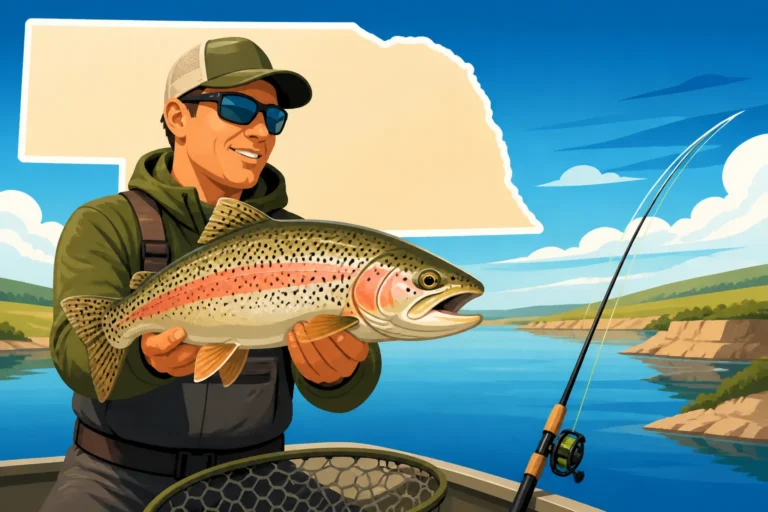
Calamus Reservoir Fishing
There's nothing quite like planning a fishing trip to a new reservoir, only to be overwhelmed by vague information and contradictory advice online. Trying to figure out the best spots, what fish are biting, and what gear to use for a place like Calamus Reservoir can feel like an impossible task, leaving you frustrated and unsure where to even start. This comprehensive guide is designed to cut through the noise, offering you the detailed, real-world insights you need to confidently plan and execute a successful fishing adventure at Calamus Reservoir.
Discovering Calamus Reservoir: A Nebraska Fishing Paradise
Calamus Reservoir, nestled in the heart of Nebraska's beautiful Sandhills region, isn't just another body of water; it's a true angler's haven. It's the kind of place where memories are made, whether you're battling a trophy walleye or simply enjoying the peaceful solitude of nature. But like any great fishing destination, it holds its secrets, and understanding its unique characteristics is the first step to unlocking its potential.
Location and Landscape: Where It Is and What Makes It Special
Calamus Reservoir is situated in Loup County, just northwest of Burwell, Nebraska. If you're coming from larger cities like Omaha or Lincoln, it's a bit of a drive, but trust me, the journey into the Sandhills is part of the experience. You'll pass through rolling grasslands, past ranches, and experience a landscape that feels distinctly Nebraskan. This isn't your typical urban fishing hole; it's an escape. The reservoir itself is formed by the Calamus River, a spring-fed stream known for its clear waters, which contributes to the excellent water quality of the reservoir. The surrounding area, primarily prairie and Sandhills topography, gives it a wild, untamed feel that's incredibly appealing to those looking to get away from it all.
The pristine nature of the Sandhills greatly impacts the reservoir's environment. The sandy bottom, clean water, and diverse underwater structures, often remnants of old creek channels and submerged vegetation, create an ideal habitat for a variety of fish species. Unlike some reservoirs that suffer from agricultural runoff, Calamus maintains a high level of clarity and health, making it a productive fishery year after year.
General Overview and Key Features: Size, Depth, Structure, Water Clarity
Calamus Reservoir boasts an impressive 5,170 surface acres of water when at full capacity, providing ample space for anglers to spread out and explore. While it's large, it's not excessively deep in many areas, with an average depth of around 20 feet and a maximum depth reaching about 50-60 feet near the dam. This moderate depth, combined with varied bottom contours, makes it manageable to locate fish without needing highly specialized deep-water tactics across the entire lake.
The key to successful fishing here lies in understanding its structure. You'll find a mix of submerged river channels, points, humps, weed lines, and rocky areas. The river arm, where the Calamus River enters, often holds different species and presents different fishing opportunities than the main lake basin. During periods of higher water, newly submerged vegetation can create excellent cover for crappie and bass. The water clarity is generally good to excellent, especially in the spring and fall, which can make for fantastic sight fishing opportunities but also demands a more stealthy approach from anglers, particularly for wary walleye.
The Abundant Waters: What You'll Catch at Calamus
Calamus Reservoir is celebrated among Nebraska anglers for its diverse and healthy fish populations. While some lakes might excel in one or two species, Calamus truly offers a multi-species experience. Knowing what's biting and where to find them is half the battle, and understanding the nuances of each species will definitely boost your success rate.
Walleye: The King of Calamus
Without a doubt, walleye are the reigning monarchs of Calamus. Anglers flock from all over the region specifically to target these delicious, elusive fish. The reservoir's clear, cool water and abundant baitfish (like gizzard shad and perch) provide prime conditions for a thriving walleye population. You'll find both good numbers of eater-sized walleye and the potential for a true trophy.
During the spring, right after the ice melts and the water begins to warm, walleye move to shallower, rocky areas to spawn. This is a prime time for targeting them with shallow-running crankbaits or jigs tipped with live minnows. As the water warms further into late spring and early summer, they transition to deeper structure like points, humps, and submerged creek channels. Trolling with crawler harnesses or deep-diving crankbaits becomes incredibly effective then. Don't forget about jigging spoons or blade baits on the deeper breaks when the fish are concentrated. For more detailed strategies, you might want to check out our guide on How to Fish for Walleye in Nebraska.
Channel Catfish and Northern Pike: River Monsters and Toothies
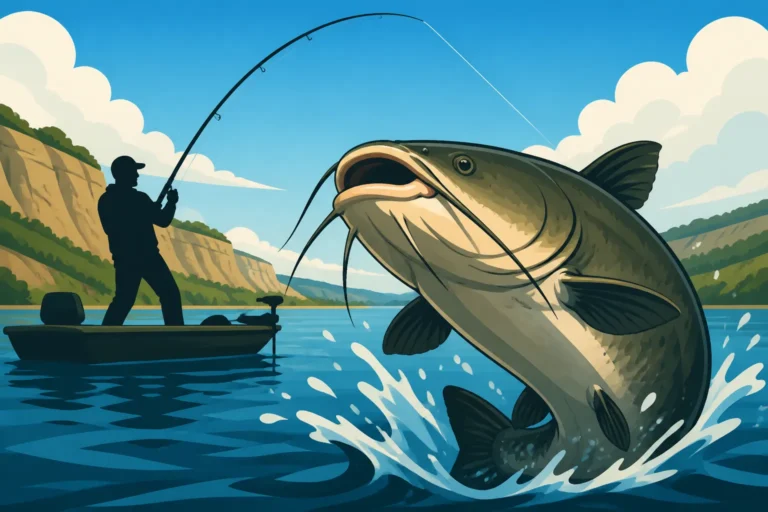
While walleye often get the most press, Calamus also offers fantastic opportunities for other popular game fish. Channel catfish are abundant throughout the reservoir, especially in the river arm and shallower bays where they can be found cruising for an easy meal. These whiskered fighters are often caught using traditional bottom fishing techniques with stink baits, cut bait, or even a simple nightcrawler. Night fishing can be particularly productive for channel catfish, as they become more active after dark. If you're looking to target bigger channels, try fishing near deeper holes or submerged timber. Our article on How to Catch Catfish in Nebraska has even more excellent tips.
Northern pike, often referred to as "water wolves" due to their aggressive nature and sharp teeth, are another exciting species to pursue at Calamus. They are ambush predators and will often be found lurking in or near weed beds, submerged timber, or along sharp breaks where they can dart out and surprise unsuspecting baitfish. Large spoons, spinnerbaits, and jerkbaits are all excellent choices for pike. Be sure to use a steel leader or heavy fluorocarbon, as their teeth can easily slice through regular monofilament. While they aren't as prevalent as walleye, catching a big pike at Calamus is an unforgettable experience. For more on these toothy critters, refer to our Northern Pike Fishing in Nebraska guide.
Crappie and Other Panfish: Family Fun and Frying Pan Delights
For anglers looking for consistent action and excellent table fare, Calamus delivers with its healthy populations of crappie (both black and white) and other panfish like bluegill. Crappie are particularly popular in spring when they move into shallower areas to spawn, often congregating around submerged brush piles, standing timber, or docks. Small jigs tipped with a minnow or soft plastic are deadly when fished around these structures. As summer progresses, they'll retreat to deeper brush piles or suspended over open water baitfish schools.
Bluegill, while smaller, offer fantastic light-tackle fun, especially for kids. They are often found in the same shallow, vegetated areas as crappie and will readily strike small worms, crickets, or tiny jigs. Calamus also has a decent population of yellow perch, which can be a bonus catch, especially when ice fishing. These smaller species provide a great way to introduce newcomers to fishing and are perfect for a fresh shore lunch. Dive deeper into techniques with our Crappie Fishing in Nebraska article.
Mastering the Angling Techniques for Calamus Reservoir
Calamus Reservoir, like any significant body of water, demands a versatile approach. What works one day or one season might not work the next. Success often comes down to adapting your strategies to the conditions, understanding fish behavior, and having the right gear. Let's break down some of the most effective ways to fish these productive waters.
Seasonal Strategies: Adapting to Nebraska's Changing Weather
Nebraska experiences four distinct seasons, and fishing at Calamus changes dramatically with each one.
- Spring (March-May): This is prime time for many species. Walleye move shallow for their spawn, making them accessible to shore anglers and boaters alike. Crappie also become very active, gathering in shallow coves and around new weed growth. As the water warms, channel catfish become more aggressive. The key here is focusing on shallow areas that warm up fastest, especially after a cold front. This is a great time to explore Spring Fishing in Nebraska techniques.
- Summer (June-August): As temperatures soar, fish generally move deeper or seek out oxygenated areas. Early mornings and late evenings become crucial for active feeding. Walleye will relate to deep humps, points, and the old river channel. Catfish are very active, especially at night. Bass and crappie will often suspend or hide in deeper cover. Trolling, drift fishing, and focusing on structure become essential.
- Fall (September-November): The "fall turnover" can briefly make fishing tough, but once it settles, fish go on a major feeding binge to bulk up for winter. Walleye fishing can be exceptional, especially on main lake points and flats. Crappie will school up in deeper timber. Pike remain active around remaining vegetation. This is often when some of the biggest fish of the year are caught.
- Winter (December-February): Calamus Reservoir is a very popular ice fishing destination once safe ice forms. Walleye, perch, and crappie are the primary targets. Understanding ice thickness and safety is paramount. Jigging small spoons or soft plastics tipped with live bait (like waxworms or minnows) through the ice is highly effective. You can learn more about specific tactics in our How to Ice Fish in Nebraska guide.
Best Baits, Lures, and Rigs: What to Tie On
Choosing the right presentation is critical at Calamus, especially given its relatively clear water.
- For Walleye:
- Live Bait: Nightcrawlers (on a crawler harness or slip-bobber rig), shiners, and leeches are perennial favorites.
- Artificial Lures: Crankbaits (both shallow and deep diving depending on the season and depth), jigging spoons, blade baits, and soft plastic swimbaits rigged on jig heads are all highly effective. Colors like chartreuse, white, perch patterns, and natural baitfish colors often work best.
- For Channel Catfish:
- Live Bait: Cut bait (shad, perch), chicken livers, and large nightcrawlers.
- Prepared Baits: Various stink baits (dough balls, dip baits).
- Rigs: A simple Carolina rig or a three-way swivel rig with a bell sinker on the bottom is ideal for keeping bait near the bottom.
- For Northern Pike:
- Artificial Lures: Large spoons (silver, gold, five of diamonds), spinnerbaits with large blades, and jerkbaits are excellent for provoking aggressive strikes. Be sure to use a strong leader!
- For Crappie and Panfish:
- Live Bait: Small minnows (especially for crappie), waxworms, mealworms, crickets.
- Artificial Lures: Small 1/32 to 1/8 ounce jigs tipped with tiny soft plastic bodies (grubs, tubes) in colors like white, chartreuse, pink, or natural earth tones.
- Rigs: A slip-bobber rig allows you to present small baits at a precise depth, which is often crucial for crappie.
| Species | Primary Seasons | Best Baits/Lures | Preferred Habitat | Typical Depth Range (feet) |
|---|---|---|---|---|
| Walleye | Spring, Summer, Fall | Crawler harnesses, crankbaits, jigs, minnows | Points, humps, old river channel, rocks | 10-40 |
| Channel Catfish | Spring, Summer, Fall | Cut bait, stink bait, nightcrawlers | River arm, shallow bays, deep holes | 5-30 |
| Northern Pike | Spring, Summer, Fall | Spoons, spinnerbaits, jerkbaits | Weed beds, submerged timber, sharp breaks | 5-20 |
| Crappie | Spring, Fall, Winter | Small jigs, minnows | Brush piles, standing timber, docks | 5-25 (seasonal variation) |
| Bluegill / Panfish | Spring, Summer, Fall | Worms, crickets, small jigs | Shallow vegetation, submerged brush | 3-15 |
Accessing and Enjoying Your Calamus Fishing Trip
Part of the charm of Calamus Reservoir is its remote setting, but that also means planning for access and amenities is crucial. It’s not a place you just stumble upon; it’s a destination that requires a bit of foresight to ensure a smooth and enjoyable trip. Whether you prefer to fish from the bank, launch a boat, or make a weekend out of it with camping, Calamus has options.
Boat Ramps and Shoreline Access: Getting On and To the Water
Calamus Reservoir offers several well-maintained boat ramps, making it relatively easy to launch anything from a small Jon boat to a larger walleye rig. The most popular access points are typically found around Calamus State Recreation Area (SRA) and Virginia Smith SRA. These areas often have multiple ramps, ample parking, and sometimes even docks. Given the size of the reservoir, having access to a boat certainly expands your fishing opportunities, allowing you to reach prime offshore structure, deeper channels, and less-pressured areas. Just remember to always check water levels, especially during dry years, as some ramps might become difficult to use for larger vessels.
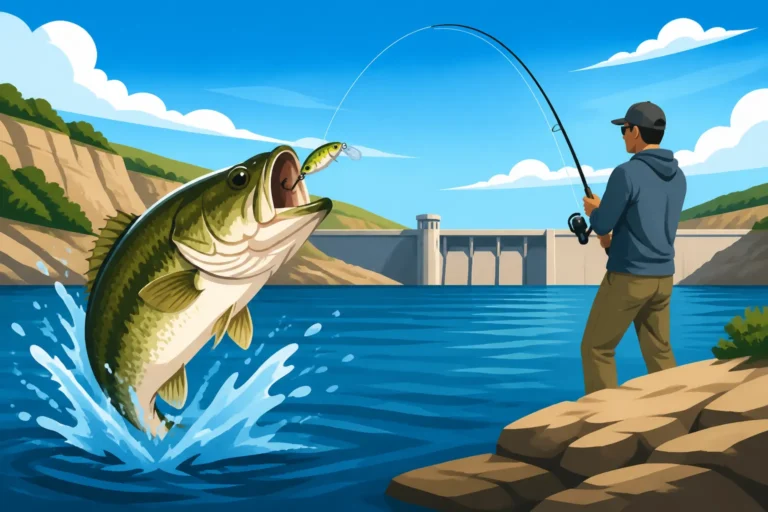
For those who prefer to fish from shore, Calamus still provides plenty of options. The dam face itself can be a productive spot, especially during spring and fall, as can various points and public access areas within the SRA boundaries. While shore fishing might limit your reach to deeper water, you can still catch plenty of walleye, catfish, and panfish, particularly during peak seasonal movements. Areas where the old river channel comes close to shore or where there's submerged timber can be hotspots. Always respect private property boundaries and observe all posted signs.
Camping and Nearby Amenities: Making a Trip Out of It
To truly soak in the Calamus experience, many anglers choose to stay for more than just a day. Both Calamus SRA and Virginia Smith SRA offer excellent camping facilities, ranging from basic primitive sites to those with electrical hookups. Many campsites are located close to the water, giving you quick access to your fishing spots and the serene beauty of the Sandhills. Booking ahead, especially during peak season (late spring through early fall), is highly recommended, as these spots fill up quickly.
Beyond camping, you'll find basic amenities nearby. The small town of Burwell is just a short drive away, offering gas, a general store for forgotten essentials, and maybe even a local diner for a hearty meal. However, for more extensive supplies or services, you'll need to venture further to larger towns. This remote aspect is what many love about Calamus—it truly feels like an escape. If you're looking for specialized gear or a fishing guide, services like FishingBooker can help you connect with local experts who can provide a more tailored experience, ensuring you have the right local knowledge and equipment for a successful outing. Remember, when you're out there, it's always smart to have sufficient food, water, and emergency supplies, as help might be a little further away than in more urban settings.
Navigating Regulations and Conservation at Calamus
Fishing is a privilege, and protecting our natural resources is everyone's responsibility. Understanding and adhering to the specific regulations for Calamus Reservoir is not just about avoiding fines; it's about ensuring a healthy fishery for generations to come. Nebraska Game and Parks Commission (NGPC) works tirelessly to manage these waters, and our part is to be informed and respectful anglers.
Key Fishing Regulations Specific to Calamus
While most general Nebraska fishing regulations apply statewide, some lakes and reservoirs, including Calamus, may have special restrictions. It's crucial to always consult the latest Nebraska Fishing Guide, which is updated annually. You can often pick one up where you buy your fishing license, or access it online. For example, walleye often have specific slot limits (e.g., a certain size range that must be immediately released) or daily bag limits that differ from other species or other bodies of water. These specific rules are put in place to protect spawning populations and ensure sustainable harvesting. You can find comprehensive details in the official Nebraska Fishing Regulations Explained document.
Additionally, don't forget the need for a valid Nebraska Fishing License Guide before you even cast a line. This includes any necessary stamps, such as the Aquatic Habitat Stamp or Trout Stamp, depending on what you're targeting. Always have your license easily accessible, whether it's a physical copy or digital proof on your phone through the GoOutdoorsNE app. Conservation officers frequent these popular spots, and they're there to help educate as much as enforce. Understanding Nebraska Fishing Daily Bag and Possession Limits is also critical to stay compliant.
Conservation and Responsible Angling Practices
Beyond just following the rules, responsible angling means embracing conservation practices. The clear waters of Calamus, while beautiful, are also sensitive. Here are a few key practices to adopt:
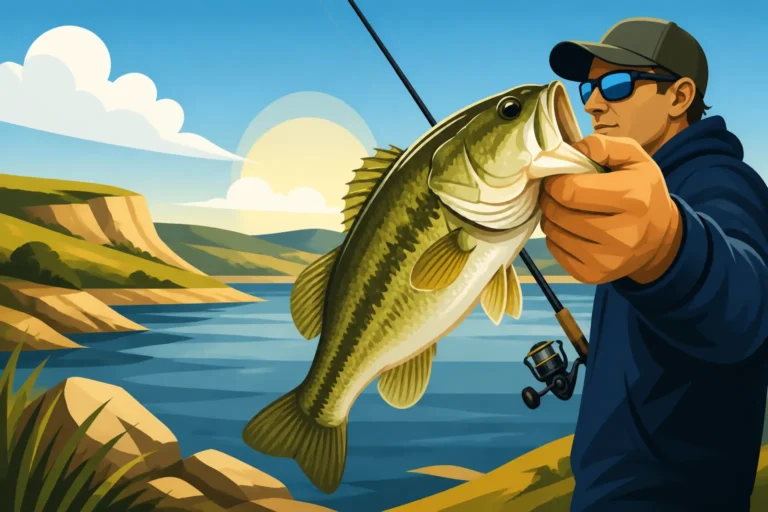
- Catch and Release: For certain species or larger fish, consider practicing catch and release. If you do, handle fish gently, minimize their time out of water, and use proper de-hooking tools. Wet your hands before touching fish to protect their slime coat. For specific trophy fish, releasing them helps sustain the population's genetic quality.
- Preventing Invasive Species: Calamus is part of Nebraska's precious ecosystem, and preventing the spread of aquatic invasive species (AIS) like zebra mussels or Eurasian watermilfoil is paramount. Always "Drain, Clean, and Dry" your boat, trailer, and all fishing gear before moving between different bodies of water. This means draining all water from your livewell, bilge, and motor, cleaning off any visible mud or vegetation, and thoroughly drying everything for at least five days if possible. For boaters, understanding Nebraska Boat Registration and Fishing Rules is important, as is adhering to any specific AIS inspection protocols.
- Leave No Trace: Pack out everything you pack in, and then some. This includes all fishing line, bait containers, and trash. Litter not only detracts from the natural beauty but can also be harmful to wildlife. By practicing ethical and responsible angling, we all contribute to keeping Calamus Reservoir a fantastic fishing destination for years to come. If you're engaging a guide through a service like FishingBooker, they will often have excellent local knowledge about these practices.
Disclaimer
The information provided in this guide is for general informational purposes only and is subject to change. Fishing regulations, conditions, and fish populations can vary. Always consult the official Nebraska Game and Parks Commission website or their latest printed fishing guide for the most accurate and up-to-date regulations and information before planning your fishing trip to Calamus Reservoir. Fishing involves inherent risks, and personal safety should always be your top priority.