How to Catch Catfish After a Rainstorm
Nebraska catfish behavior and feeding changes after heavy rainstorms help anglers catch active fish in murky water.
Match the method to the moment.
Seasonal patterns, proven tactics, rigging and presentation basics, bait choices, and how to adapt as conditions change.
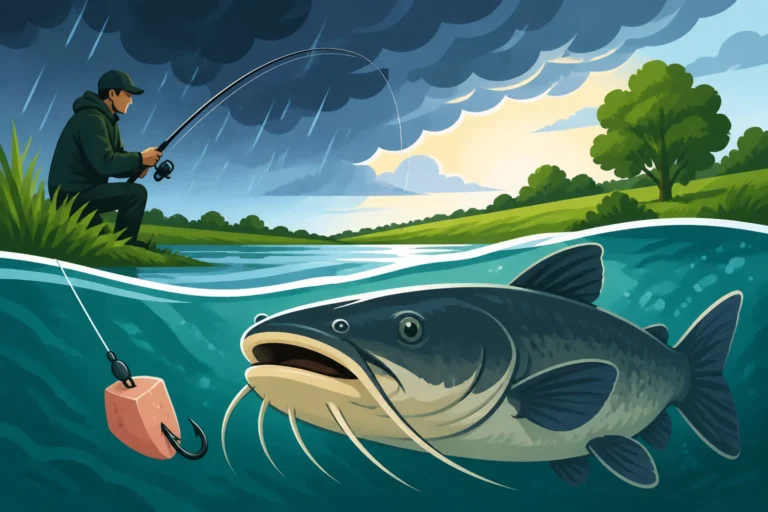
Nebraska catfish behavior and feeding changes after heavy rainstorms help anglers catch active fish in murky water.

Nebraska catfish seasonal behavior patterns, water temperatures, and peak times for catching channel, flathead, and blue catfish.
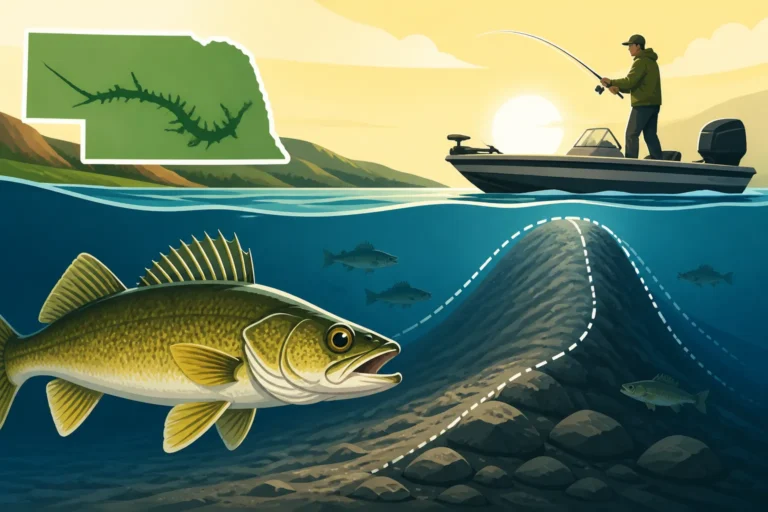
Walleye location methods on deep humps and points in Nebraska reservoirs help anglers find fish near Lake McConaughy channel structures.
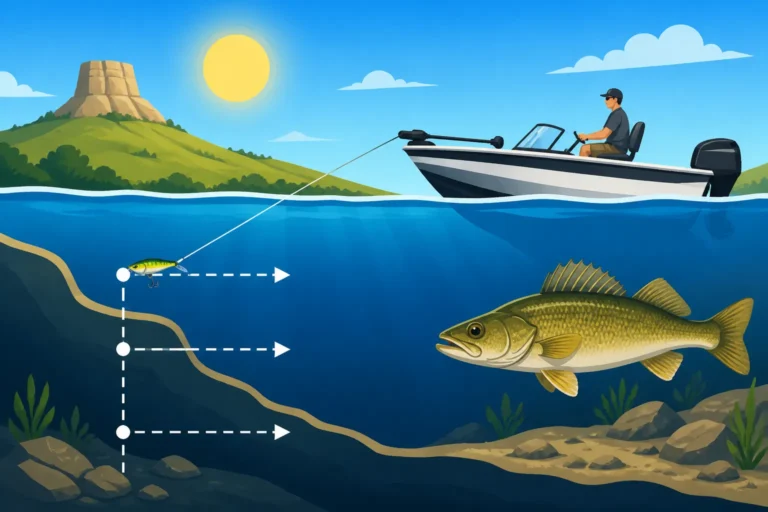
Summer trolling depths for Nebraska walleye explained using thermocline data, water clarity, and deep lake structures like Lake McConaughy.
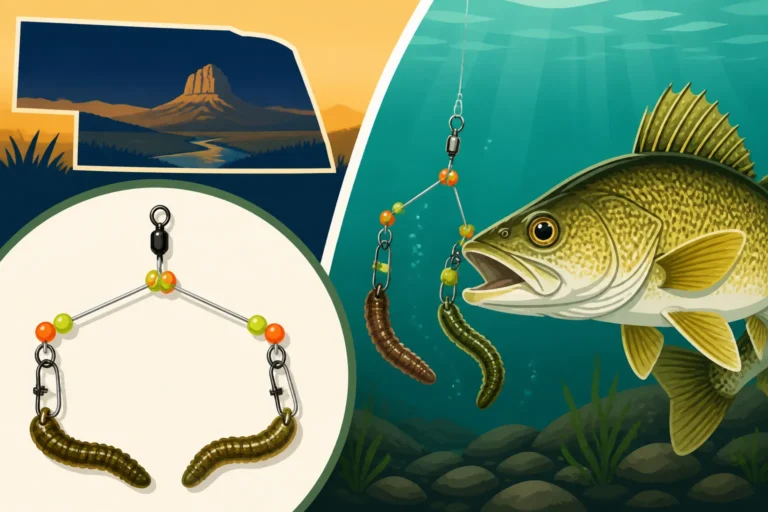
Crawler harness fishing rigs with 15 to 36 inch monofilament leaders and spinning blades help Nebraska anglers catch walleye.
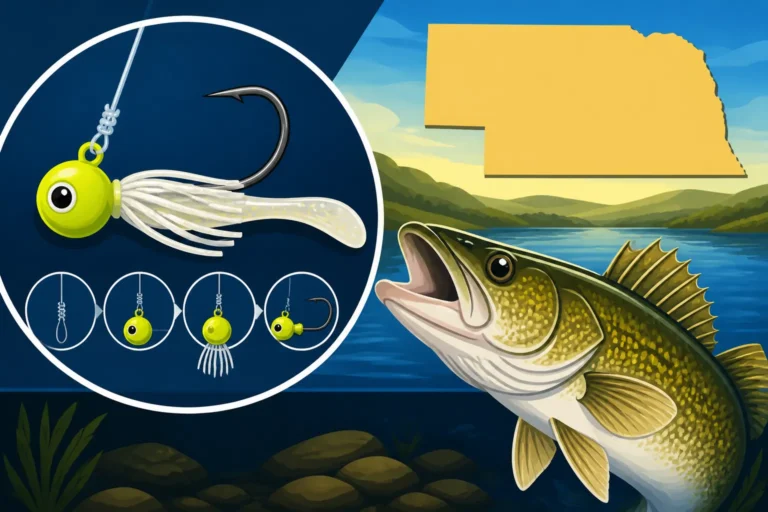
Rigging and presenting a jig for Nebraska walleye, with advice on selecting weights, sizes, and colors for local waters.
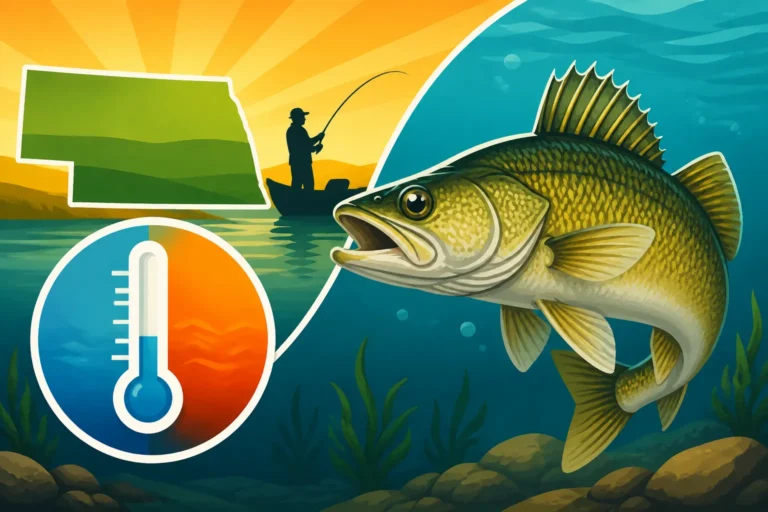
Water temperature explains walleye behavior in Nebraska, detailing their ideal thermal zone from sixty to seventy degrees Fahrenheit.
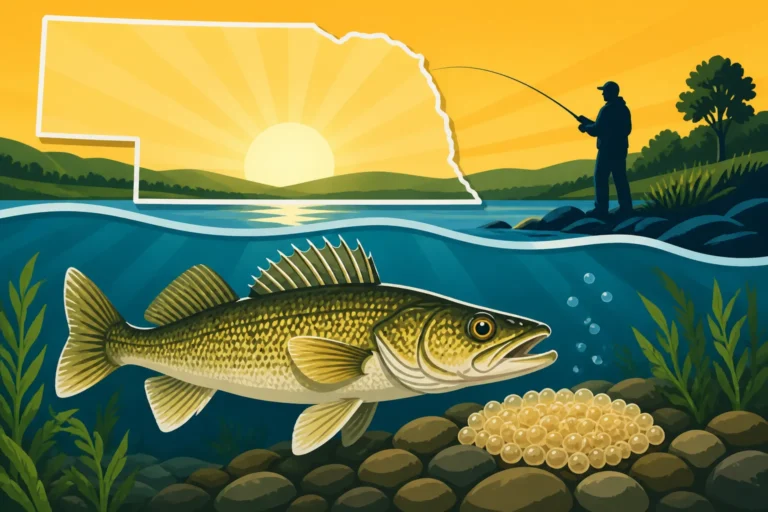
Nebraska walleye spawning occurs when water temperatures reach forty-two to forty-eight degrees Fahrenheit, usually from late March to May.
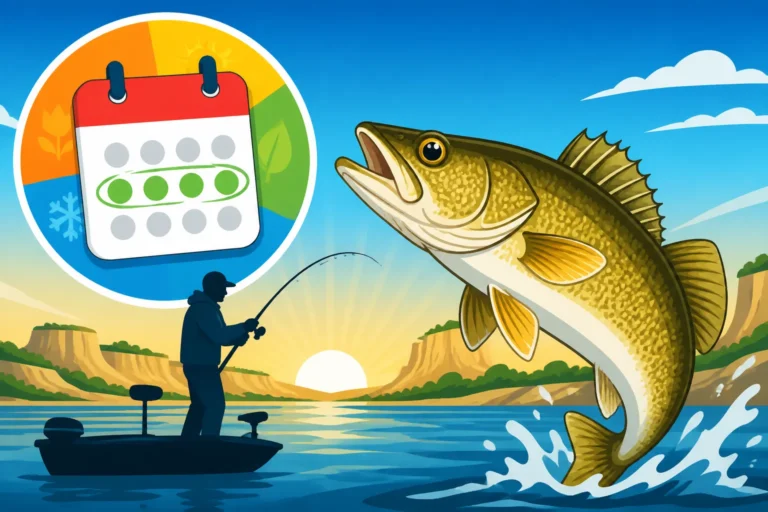
Seasonal water temperatures, spawning patterns, and April or May post spawn activity reveal the best months for catching walleye.
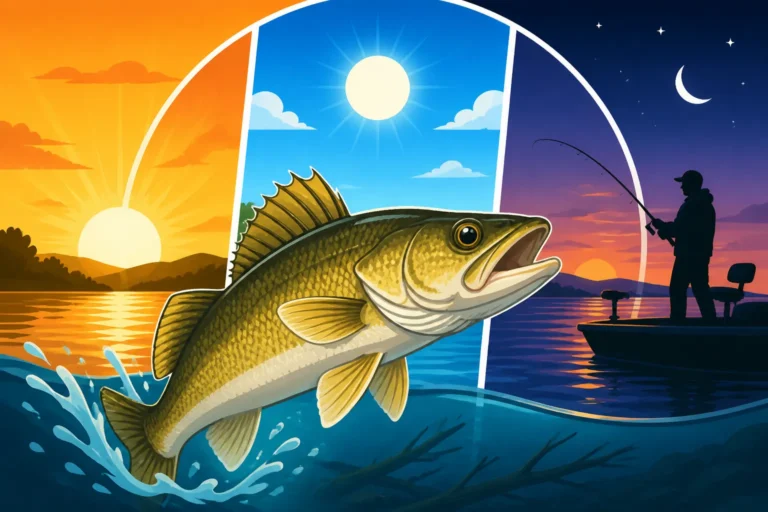
Nebraska walleye feeding schedules, driven by light-sensitive eyes, dictate prime fishing windows at dawn, dusk, and night.