When Walleye Spawn in Nebraska
Ah, the walleye spawn in Nebraska – it's one of those times of the year that can either be incredibly frustrating for anglers or incredibly rewarding, depending on how well you understand what's happening beneath the surface. Many folks find themselves scratching their heads when their usual spots suddenly go quiet, or they hear whispers of giant females being caught, only to arrive and find nothing. It's a tricky dance with nature, but understanding the walleye's annual spawning ritual is key to unlocking success and truly appreciating these magnificent fish. This guide is here to unravel the mystery of when walleye spawn in Nebraska, what they're doing, and how you can adapt your fishing strategy to make the most of this pivotal time.
Understanding the Walleye Spawning Cycle in Nebraska
Walleye spawning isn't a single event; it's a phase, influenced by environmental cues that trigger instinctual behaviors. It's a critical time for the species, ensuring future generations populate our lakes and rivers across the state, from the Sandhills to the Missouri River.
When the Action Really Starts: Water Temperature Triggers
The most significant trigger for walleye spawning in Nebraska is, without a doubt, water temperature. As the ice recedes and spring sun warms the water, a biological clock starts ticking for walleye. Typically, they begin to stage for spawning when water temperatures consistently reach the low 40s Fahrenheit (around 4-6°C). The peak of the spawn usually occurs when water temperatures climb into the mid to high 40s, often between 42-48°F (5.5-9°C).
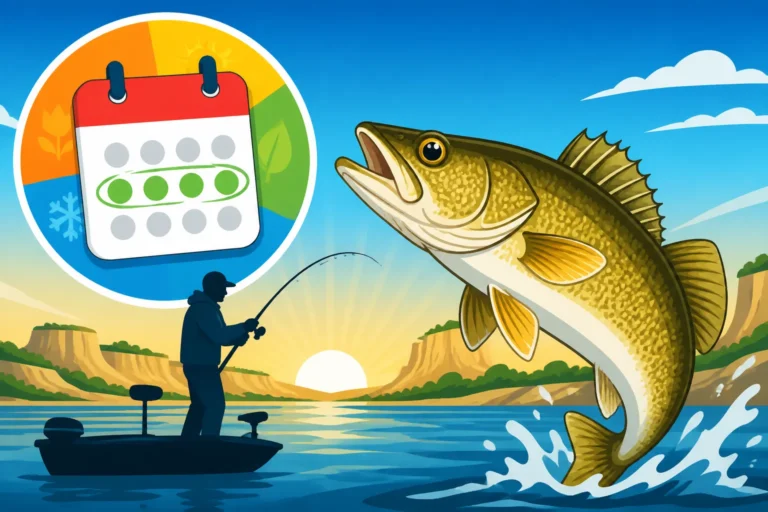
This means the timing can shift quite a bit from year to year. A mild winter and an early spring can see walleye starting their spawn as early as late March, while a prolonged cold spell might push it well into April, sometimes even touching the first week of May in northern reservoirs. For instance, on a large system like Lake McConaughy, the sheer size and depth mean it takes longer for the entire water column to warm up, so the spawn might be a bit later or more drawn out than in a smaller, shallower lake. Keeping an eye on localized water temperatures in your favorite fishing spots is far more important than marking a specific calendar date.
The Ideal Spawning Grounds: What Walleye Look For
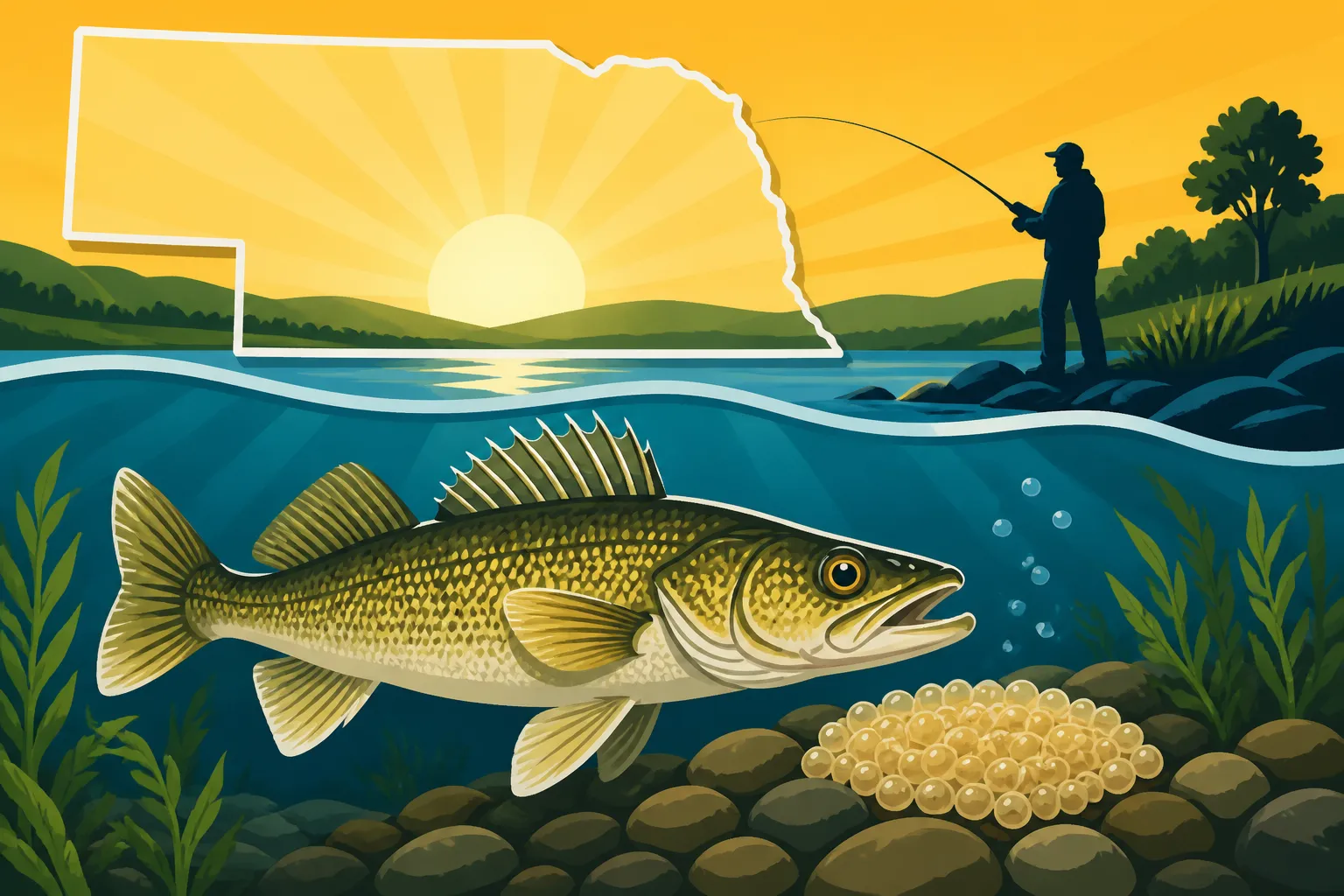
Walleye are quite particular about where they lay their eggs, and for good reason—the survival of their offspring depends on it. They aren't nest builders like bass; instead, they are what we call "broadcast spawners." This means they don't create a specific nest but rather scatter their adhesive eggs over specific types of substrate.
What do they look for? Primarily, rocky areas are prime real estate. Think riprap along causeways, rocky shorelines, gravel points, and shallow reefs. These hard-bottomed areas are crucial because the eggs need to adhere to something firm to avoid being smothered by silt or swept away by strong currents. The rocks also provide protection and allow for good water circulation, which is essential for oxygenating the eggs. In rivers, they'll seek out gravel bars or rocky bottoms in moderate current where the water is well-oxygenated. Merritt Reservoir, for example, is known for its excellent walleye fishing, partly due to the abundance of ideal rocky spawning habitat. Understanding these preferred habitats will guide you to where the fish are concentrating when they're ready to spawn.
The Spawning Process: From Courtship to Egg Laying
The actual spawning process is quite a spectacle, though often unseen by human eyes. As water temperatures hit that sweet spot, male walleye move into the spawning areas first, often lingering for days or even weeks, waiting for the females. When a female, heavy with roe, enters the area, she's typically accompanied by several smaller males, rubbing against her to induce the release of eggs.
During the actual spawning act, the female releases her eggs, and the males simultaneously release milt, fertilizing the eggs as they drift down and adhere to the rocky substrate. A single large female walleye can carry hundreds of thousands of eggs, which are tiny and slightly adhesive. Once laid, the eggs remain unguarded. They are left to hatch on their own, a process that usually takes about one to three weeks, again depending heavily on water temperature. Colder water means a longer incubation period, making the eggs vulnerable for a longer stretch. This whole cycle is an incredible testament to nature's design, and it’s why understanding Nebraska Fishing Regulations Explained around spawning season is so vital for conservation.
How Spawning Affects Walleye Behavior and Fishing
If you've ever found walleye fishing to be a frustrating roller coaster, it's probably because you're encountering them in different phases of their spawning cycle. Their behavior, feeding habits, and even their preferred depths change dramatically as they transition from pre-spawn, to spawn, to post-spawn.
Pre-Spawn Frenzy: Loading Up Before the Deed
Before the actual egg-laying begins, walleye enter what anglers affectionately call the "pre-spawn" phase. This is arguably one of the best times to target them! Both males and females are migrating towards their chosen spawning grounds, and they're often very hungry. They need to pack on calories and nutrients to fuel the demanding process of reproduction.
During this period, walleye are typically found in deeper staging areas adjacent to the spawning grounds. Think deep points, submerged humps, channel edges, or the transition zones where soft bottom meets hard bottom. They're actively feeding, and their aggression levels are high. Techniques like jigging with minnows or soft plastics, or slow-trolling crankbaits along these breaks, can be incredibly effective. Many of the biggest walleye of the year are caught during this pre-spawn feeding binge, making it an exciting time for anglers hoping to land a trophy. If you're wondering Best Time of Year to Catch a Trophy Walleye in Nebraska, the pre-spawn is certainly a prime candidate.
During the Spawn: A Tough Bite
When walleye are actively spawning, fishing can get notoriously tough. This is when many anglers get discouraged, thinking the fish have simply vanished. In reality, the walleye are preoccupied with the act of procreation. Their focus shifts entirely from feeding to reproducing.
During the peak spawn, walleye might still be in the areas you’d expect, but they’re often not interested in biting. Males might be more active and occasionally strike out of aggression or territoriality, but females, especially the larger ones, are primarily focused on expelling their eggs. They can become lethargic and generally ignore baits. It's also important to consider the ethical implications during this time. Repeatedly catching and stressing actively spawning fish, particularly large females, can disrupt the spawn and negatively impact future fish populations. Sometimes, the best strategy during the peak spawn is to give them space and allow them to complete their crucial task undisturbed.
Post-Spawn Recovery: The Hunger Games Begin (Again)
Once the spawn is complete, both male and female walleye enter a recovery phase. This period can also offer some fantastic fishing, but their behavior and location will again change. Females, having expended massive amounts of energy and biomass (their eggs), are often very weak and lethargic immediately after spawning. They'll typically retreat to slightly deeper, often warmer, water to recuperate.
After a short recovery period, however, hunger kicks in with a vengeance. These fish need to replenish their energy stores, and they'll go on a serious feeding binge. This post-spawn period can be just as productive as the pre-spawn, but you'll often find fish spread out more, moving from deeper recovery areas back to feeding flats and structure. Males tend to linger on or near the spawning grounds for a bit longer, sometimes "guarding" the eggs (though not actively nurturing them like some other species) or simply recovering in familiar territory. The Nebraska Walleye Daily Bag Limit and Nebraska Walleye Minimum Length Limit are important to remember, especially during these periods of high activity.
Targeting Walleye During and Around the Spawn Season
Knowing when walleye spawn is one thing, but translating that knowledge into successful fishing strategies is where the real fun begins. Adapting your techniques, baits, and even your mindset to each phase of the spawn will dramatically increase your chances of success.
Adjusting Your Approach: Techniques for Each Phase
Your fishing technique needs to be a chameleon, changing with the walleye's mood and location throughout the spawning cycle.
-
Pre-Spawn: This is when walleye are actively moving towards spawning grounds and aggressively feeding. Look for transition areas, deeper breaks, and humps adjacent to known spawning sites.
- Jigging: A popular method is vertical jigging with 1/4 to 1/2 ounce jigs tipped with live minnows (shiners are often a favorite) or soft plastics like paddle tails or grub bodies. Focus on maintaining bottom contact and slow, deliberate lifts and drops. Many anglers find How to Jig for Walleye in Nebraska to be highly effective.
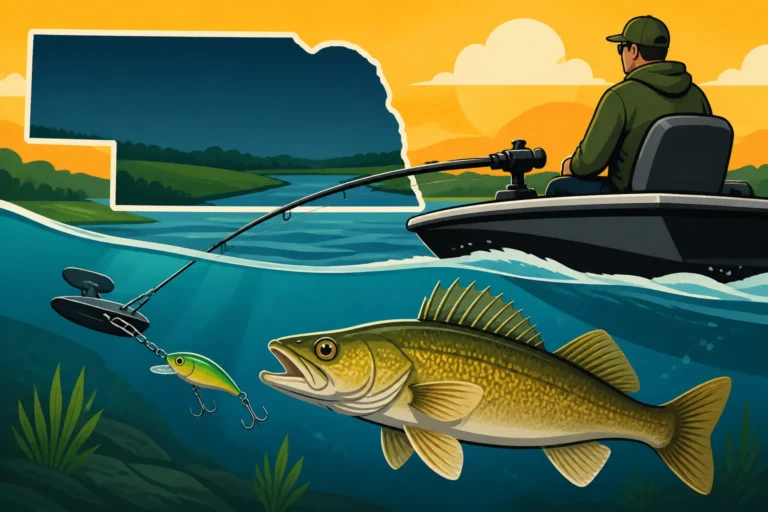
- Slow-Trolling: Pulling crankbaits or stickbaits (like a Rapala or similar lure, readily available on Amazon) at slow speeds (0.8-1.5 mph) along contours or over deeper flats can be deadly. Pay attention to your electronics to find schools of fish or baitfish. Learn more about How to Troll for Walleye in Nebraska.
- Casting: Sometimes casting blade baits or lipless crankbaits to deep points can trigger reaction strikes from aggressive pre-spawn walleye.
-
During Spawn: As mentioned, this is often the toughest bite. If you choose to fish during this phase, focus on being ethical and minimizing disturbance.
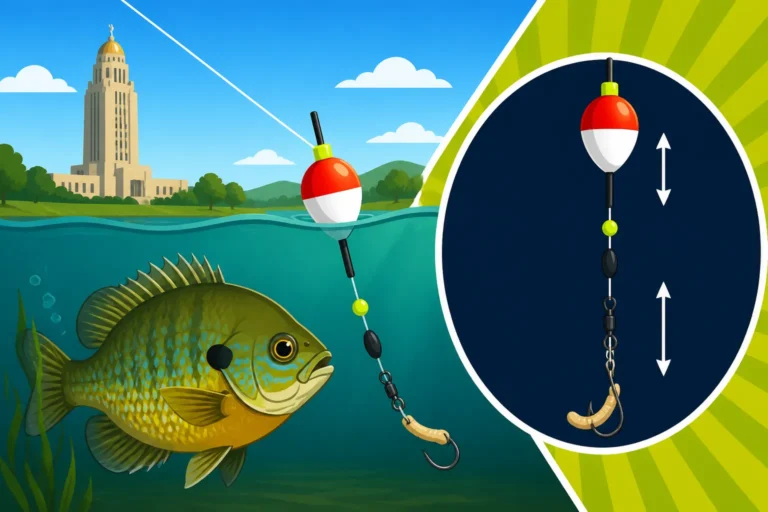
- Subtle Presentations: If you do find active fish on the fringes of spawning areas, very subtle presentations are key. Think small jigs with a minnow or a slip-bobber rig with a leech. Target slightly deeper edges where fish might be staging or briefly resting.
- Avoid Overfishing: It's often best to let these fish do their thing. There are plenty of other species or other walleye fishing opportunities that won't interfere with their critical reproductive cycle.
-
Post-Spawn: Once the spawn is over and fish begin to recover, they’ll start feeding heavily again. Females will often move to deeper, more comfortable water, while males might stay shallower longer.
- Live Bait Rigs: Drifting with a How to Use a Crawler Harness for Walleye rig tipped with a nightcrawler or a plain hook with a leech under a slip bobber can be incredibly effective. These baits offer a natural, easy meal for recovering fish.
- Casting and Retrieving: Once they regain strength, walleye will chase down crankbaits, especially those mimicking baitfish. Search rocky points, main lake points, and deeper weed edges.
- Focus on Structure: Walleye will often relate to structure like humps, submerged timber, or old creek channels as they transition from recuperation to active feeding. A good fish finder can be an indispensable tool for locating these structures and the fish holding on them, and you can find a wide range of options on Amazon.
Best Baits and Lures for Nebraska Spawning Walleye
Choosing the right bait can make all the difference.
-
Live Bait:
- Minnows: Hands down, shiners, fatheads, or rainbows are king for pre-spawn walleye. Jigging them, using a slip bobber, or slow-trolling them on a harness can entice strikes.
- Nightcrawlers: Post-spawn, the humble nightcrawler becomes incredibly effective. Walleye seeking to regain energy often can't resist a juicy crawler presented on a snell or a Best Bait for Nebraska Walleye rig.
- Leeches: During post-spawn, especially in clearer waters, leeches are a fantastic option, often fished under a slip bobber or on a bare hook.
-
Artificial Lures:
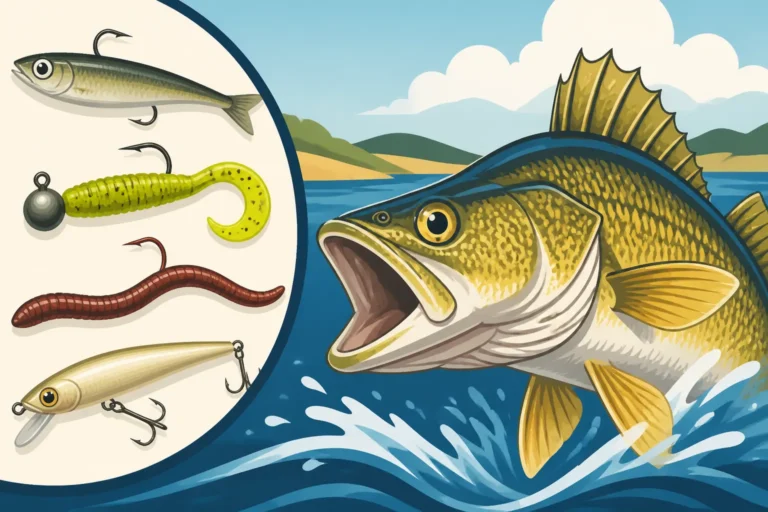
- Jigs: From plain lead-head jigs to hair jigs or those dressed with soft plastics, jigs are versatile. Colors like chartreuse, white, orange, and natural baitfish patterns are often productive.
- Crankbaits/Stickbaits: For trolling or casting, shallow-diving stickbaits work well in the early pre-spawn, while medium to deep-diving crankbaits can be effective in post-spawn periods when fish move deeper. Look for natural baitfish patterns or bright, aggressive colors.
- Blade Baits/Lipless Crankbaits: These provide a strong vibration and flash, triggering reaction strikes, particularly in colder pre-spawn water.
Respecting the Resource: Ethical Angling During Spawn
It cannot be stressed enough how important ethical angling is, especially during the walleye spawn. These fish are at their most vulnerable, and their successful reproduction is vital for the health of Nebraska's walleye populations.
- Practice Catch and Release: While you are allowed to keep fish within the Nebraska Walleye Daily Bag Limit, consider practicing catch and release, especially for the larger, egg-laden females during the pre-spawn and actively spawning periods. These are the most valuable fish for future generations. If you do plan to release, handle them carefully, minimize their time out of water, and revive them gently.
- Avoid Spawning Beds: If you identify areas where walleye are actively spawning, it's often best to avoid fishing them. Give the fish the space they need to complete their reproductive cycle without disturbance. There are plenty of other areas, such as the staging grounds for Lake McConaughy Walleye Fishing or the productive waters of Merritt Reservoir Walleye Fishing, where you can find willing biters without interfering with the spawn.
- Check Regulations: Always consult the current Nebraska Game and Parks fishing regulations. While there aren't typically widespread closures during walleye spawn in Nebraska, specific localized rules or changes can occur. Being informed is part of being a responsible angler.
Remember, every fish you handle and release responsibly, especially during this critical time, contributes to the vibrant future of Nebraska fishing.
| Spawning Phase | Approximate Water Temperature | Walleye Behavior | Recommended Fishing Techniques |
|---|---|---|---|
| Pre-Spawn | 40-44°F (4-7°C) | Aggressive, feeding heavily, staging near spawning areas | Jigging (minnows, plastics), slow-trolling crankbaits, blade baits |
| Peak Spawn | 42-48°F (5.5-9°C) | Preoccupied with reproduction, less interested in feeding, on spawning beds | Very subtle presentations (small jigs, leeches), often best to avoid |
| Post-Spawn | 48°F+ (9°C+) | Initially lethargic, then strong feeding to recover energy, moving to deeper structure | Live bait rigs (nightcrawlers, leeches), casting/trolling crankbaits |
Disclaimer
Please remember that fishing regulations and conditions can change. Always consult the latest Nebraska Game and Parks Commission regulations before heading out on the water. This guide is for informational purposes and should not be considered legal advice.