How to Catch Catfish After a Rainstorm
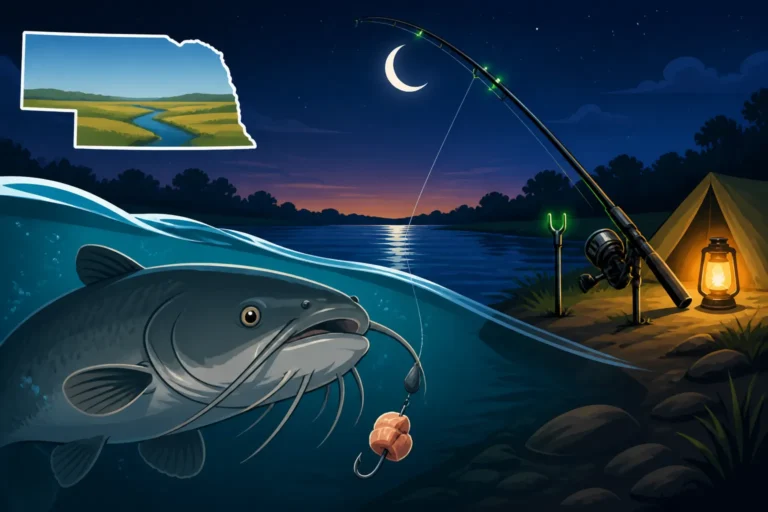
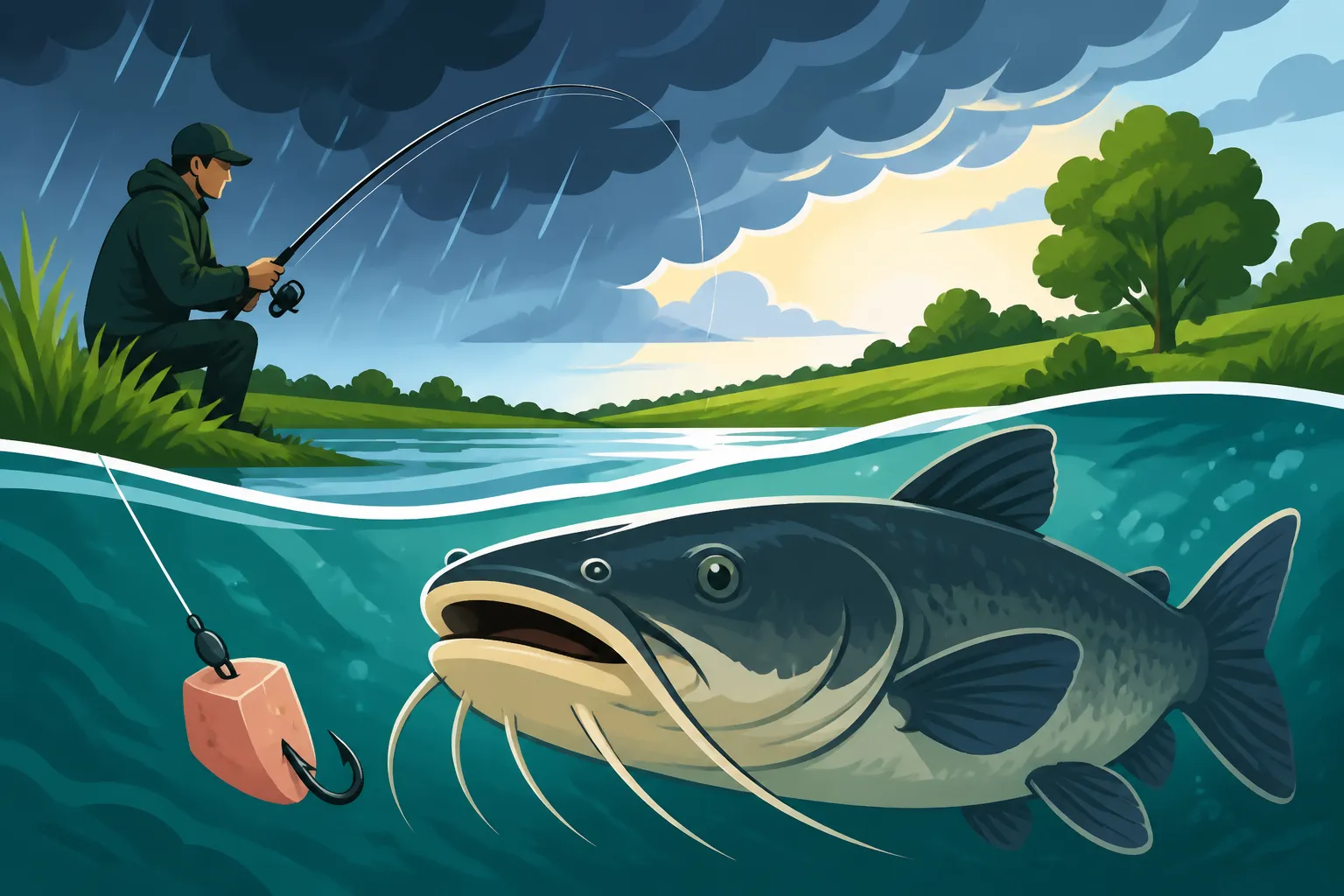
Oh, the joy and frustration of a good rainstorm when you're an angler! We've all been there: you wake up after a night of heavy downpours, look outside, and wonder if your carefully planned fishing trip is now a bust. Many folks throw in the towel, assuming the water will be too muddy or the fish will have completely shut down. But trust me, that's not always the case, especially when it comes to whiskered warriors like catfish. This guide is all about turning those post-rainstorm conditions into prime opportunities, teaching you exactly how to approach the water and bag some Nebraska catfish when others are still drying out their gear.
Understanding How Rainstorms Affect Catfish Behavior
Let's be real, a deluge changes everything. What was once clear, calm water can become a muddy, raging torrent in a matter of hours. For many fish species, this can be disorienting and make feeding difficult. But catfish? They're often built for it, and sometimes, a good rain can actually fire them up. Understanding why and how these changes impact catfish is your first step to unlocking success.
The Immediate Impact: Oxygen and Turbidity Changes
When a heavy rainstorm hits, especially after a dry spell, it flushes a lot of new water into our rivers and lakes. This incoming water often brings two significant changes: increased oxygen levels and higher turbidity (muddiness).
Think about a hot summer day. The water might feel stagnant, and oxygen levels, particularly in shallow areas or slow-moving ponds, can drop, making fish sluggish. Rain, especially a cooler rain, churns the water, adding vital oxygen. This burst of fresh, oxygenated water can invigorate catfish, making them more active and willing to feed. It's like a shot of espresso for them! However, it's not just the oxygen. The muddiness, or turbidity, plays an equally crucial role. While many sight-feeding fish struggle in murky conditions, catfish, with their incredible sense of smell and touch (thanks to those barbels!), thrive in it. They don't rely on their eyesight to hunt, so the reduced visibility that handicaps other predators actually gives catfish an advantage, allowing them to move and feed with less fear of being seen. This means they might venture into shallower areas or more open water than they would on a bright, clear day.
The Aftermath: Food Sources and Current Shifts
Once the immediate downpour subsides, the lasting effects continue to shape catfish behavior. The rain washes all sorts of delectable treats into the water, and it also changes current patterns, creating new feeding zones.
All that runoff from fields, yards, and shores carries a bounty of organic matter: worms, insects, seeds, and various other forms of detritus. For an opportunistic feeder like a catfish, this is like an all-you-can-eat buffet suddenly appearing. They’ll gravitate towards these new food sources, often positioning themselves downstream from where these inflows occur. Rivers, especially, will see significant current shifts. New seams, eddies, and slack water areas form as the water levels rise and new tributaries or culverts begin to flow. Catfish are energy-efficient predators, and they prefer to hold in areas where they can ambush food without expending too much energy fighting a strong current. This means they'll often be found just outside the main flow, in current breaks, or behind submerged structures where the washed-in food settles. Learning to read these post-rain current changes is a skill that will dramatically improve your chances of success. It's not just about finding any catfish; it's about finding the active ones.
Essential Gear and Bait for Post-Rain Catfishing in Nebraska
Fishing after a storm requires a slight adjustment to your typical setup. You're dealing with potentially higher water levels, stronger currents, and reduced visibility. This calls for gear that can handle the elements and bait that can cut through the murk.
Rods, Reels, and Line: Building a Robust Setup
When the water is high and currents are strong, you'll need a setup that can handle bigger weights, powerful fish, and the general abuse of challenging conditions. This isn't the time for ultralight tackle.
For rods, you're generally looking for something medium-heavy to heavy action, typically in the 7 to 9-foot range. This length gives you good casting distance, which is often crucial when targeting seams or deeper holes from the bank, and provides the backbone needed to wrestle a good-sized channel cat or even a flathead out of strong current or heavy cover. Think about a durable, fiberglass or composite rod that can really bend without breaking. When it comes to reels, a robust baitcasting reel is often preferred for its power and ability to handle heavier lines and weights. Look for one with a strong drag system, because a feisty catfish in a fast current can really test your equipment. Many anglers find excellent options on platforms like Amazon, offering a wide range of brands and prices. You can find more details on specific setups in our guide on the Best Rod Setup for Nebraska Catfish.
As for line, forget the light stuff. You'll want to spool up with heavier monofilament, fluorocarbon, or braided line. For most Nebraska catfishing, 20-pound test monofilament or 30-50 pound braided line is a solid choice. Braided line offers superior strength-to-diameter ratio, zero stretch for excellent sensitivity, and it cuts through water more efficiently than mono, which can be an advantage in current. However, mono has better abrasion resistance against rocks and logs. A good compromise is often braided mainline with a 2-3 foot fluorocarbon leader if abrasion resistance is a concern. Make sure your line is in good condition; remember that understanding How Often to Replace Fishing Line can prevent heartbreak when that trophy cat finally bites.
Best Baits and Rigs for Muddy Waters
Catfish are primarily olfactory hunters, meaning their sense of smell is paramount. This is especially true in turbid, post-rain waters where visual cues are nonexistent. Your bait needs to be loud, smelly, and resilient.
Forget subtle presentations; you need something that broadcasts its presence. The classic choice for channel catfish, especially after a rain, is stink bait. There are countless brands available, from dip baits to punch baits, all designed to release a potent scent cloud that catfish can't resist. Some popular choices include Sonny's Super Sticky Baits or CJ's Catfish Punch Bait. Another fantastic option is cut bait. Fresh cut bait from shad, carp, or even panfish (where legal) bleeds out natural oils and scents that are incredibly appealing. A chunk of freshly cut shad is hard to beat for both channel and flathead catfish. You can learn more about specific options in our Best Bait for Nebraska Catfish article.
Live baits like large nightcrawlers, chicken livers, or even small bluegill (again, check local regulations for baitfish rules) are also excellent. The movement of live bait, combined with their natural scent, can be irresistible. Chicken livers, while messy, are notoriously effective in muddy conditions because of their strong, blood-rich scent trail. For rigging, a simple Carolina rig or a three-way swivel rig works wonders. The Carolina rig allows your bait to be presented just off the bottom, letting the current carry its scent, while the weight keeps it in place. Use an egg sinker or a no-roll sinker ranging from 1/2 ounce up to 2-3 ounces or more, depending on the current, followed by a barrel swivel, a leader (12-24 inches of stout monofilament or fluorocarbon), and a strong circle hook (sizes 2/0 to 6/0 are common). Circle hooks are fantastic for catfish as they typically hook the fish in the corner of the mouth, making for easy release if desired and preventing gut-hooking. To tie your How to Rig Cut Bait for Channel Catfish, ensure your knots are strong and your hook is sharp. Many anglers purchase these components in bulk from online retailers like Amazon to ensure they're always well-stocked.
Strategic Locations to Target Catfish After a Nebraska Rainstorm
A rainstorm fundamentally alters the aquatic landscape. Fish relocate, currents shift, and new feeding opportunities arise. Knowing where to cast your line is just as important as what you're casting.
River Systems: Focusing on Inflows and Eddy Seams
Nebraska's rivers, like the Platte, Elkhorn, or Missouri, become prime catfish territory after a heavy rain. The key is to understand how these systems react to an influx of water.
First and foremost, look for any areas where new water is flowing into the main river channel. This could be a small creek, a drainage ditch, or even a culvert emptying into the river. These "inflow" points are liquid gold. As we discussed, they're flushing in new oxygen and a buffet of terrestrial invertebrates. Catfish will often stage themselves just downstream from these inflows, waiting for food to drift by. Cast your bait upstream of these points and let the current carry it naturally into the strike zone. You might find excellent Platte River Catfish Fishing opportunities in such spots.
Secondly, pay close attention to current breaks and eddy seams. A strong current can be difficult for fish to hold in, so catfish will seek out areas where they can conserve energy. Look for fallen trees, large rocks, bridge pilings, or sharp bends in the river that create areas of slower current or even swirling eddies. The "seam" where the fast water meets the slow water is a superhighway for drifting food and a prime ambush point for catfish. Often, they'll sit right on the edge of the current, just out of the main flow, ready to dart out and grab a meal. Learning How to Fish Fast Current on the Platte River requires an understanding of these subtle current changes. Don't be afraid to cast into these calmer pockets and let your bait settle; even in strong currents, there are always zones of refuge for the fish.
Lakes and Reservoirs: Finding the Freshest Water
While rivers show dramatic changes, lakes and reservoirs also react to rain, albeit differently. The same principles of oxygen and food sources apply, but your search areas might shift.
On larger Nebraska reservoirs like Lake McConaughy or Harlan County Reservoir, after a heavy rain, the most productive areas will typically be near the mouths of incoming creeks, streams, or even large drainage culverts. Just like in rivers, these inflows bring in fresh, oxygenated water and a surge of food. The turbidity plume created by these inflows can also provide excellent cover for catfish, allowing them to move into shallower water more confidently. Focus your efforts where this muddy, new water meets the main body of the lake. Sometimes, the catfish will be right in the muddy water; other times, they'll be on the cleaner water side of the seam, waiting for food to drift out.
Another often-overlooked spot in lakes and reservoirs are wind-blown banks. Strong winds accompanying a rainstorm can push warm, oxygen-depleted surface water to one side of the lake, causing cooler, more oxygenated water to upwell on the opposite side. This also concentrates food particles along the windward bank. Catfish, seeking comfort and sustenance, will move to these areas. Furthermore, on smaller ponds or urban lakes that lack significant inflows, heavy rain can simply stir up the bottom and improve overall oxygenation. Don't discount these smaller bodies of water. Even a local park pond might see an uptick in catfish activity after a good soaking, making it a great place to hone your Channel Catfish Fishing in Nebraska skills. Always be mindful of local regulations, including the Nebraska Channel Catfish Daily Limit, no matter where you fish.
Proven Techniques for Successful Post-Rain Catfishing
Now that you understand the "why" and "where," let's dive into the "how." Fishing after a rainstorm isn't just about changing your location; it's about refining your presentation and approach to maximize your chances.
Scent and Presentation: Maximizing Your Appeal
In murky, post-rain water, a catfish's sense of smell is its primary hunting tool. Your job is to make your bait as aromatic and easy to find as possible.
When using stink baits, ensure your bait is fresh and generously applied. If using dip baits, a good bait holder or worm that can absorb and slowly release the scent is crucial. For punch baits, make sure you've got a sturdy treble hook that holds the bait well and can stand up to a strong bite. With cut bait, don't be afraid to make your pieces a decent size. A 1-2 inch chunk of fresh shad or carp belly is not too big for a hungry catfish. The more surface area, the more scent it will release. Also, consider "sweetening" your live baits. For example, a nightcrawler dipped in a fish oil attractant before casting can create an even more potent scent trail.
Presentation is equally important. Given the potentially stronger currents, you need to ensure your bait stays in the strike zone. Use enough weight to hold your bait on the bottom, or at least slow its drift considerably. A common mistake is using too light a weight and having the current sweep your bait past the fish too quickly, or worse, into snaggy areas. Experiment with different weights until you find that sweet spot where your bait holds its position without being completely pinned to the bottom. If you're fishing a slack water eddy, you might be able to use lighter weights, allowing your bait to flutter naturally. However, near strong inflows or current seams, you'll need something substantial. Remember, the goal is to make your bait an easy target, emitting a powerful scent signal that travels far and wide in the murky water.
Patience and Persistence: The Keys to Success
Fishing after a rain, while often rewarding, can also be a test of patience. Conditions are dynamic, and fish behavior, while predictable in broad strokes, can vary from day to day or even hour to hour.
Don't expect instant bites at every spot. Catfish move, and it might take a bit of searching to find the active schools. Cast to different areas within your chosen location: closer to the current, further into the slack water, slightly upstream, slightly downstream. Let your bait sit for a good 15-20 minutes, sometimes even longer, before reeling in and re-casting. Catfish are not always fast strikers; they might take some time to home in on a scent. This is where those potent baits really shine; they keep emitting that scent, drawing fish in over time. Having a good rod holder, perhaps one you picked up from Amazon, can make this waiting game much more comfortable, especially if you're fishing with multiple rods. Our comprehensive guide on How to Catch Catfish in Nebraska offers even more universal tips for these species.
Persistence also means being willing to move if a spot isn't producing. If you've given a location a solid effort (say, 30-60 minutes without a bite, trying different casting angles) and nothing is happening, it's probably time to try another promising inflow, current break, or wind-blown bank. The beauty of post-rain fishing is that these conditions don't last forever, so capitalizing on them requires a proactive approach. Take mental notes of where you get bites, at what depth, and with what bait – this information will be invaluable for your next rainy-day excursion.
| Factor | Impact on Catfish After Rain | Recommended Approach |
|---|---|---|
| Water Turbidity | Reduced visibility favors catfish's sense of smell and touch; they feel safer moving into shallower areas. | Use strongly scented baits (stink bait, cut bait, chicken liver). Present bait near bottom where scent trails travel. Don't rely on visual cues for fish location. |
| Oxygen Levels | Increased oxygen from runoff invigorates catfish, making them more active and willing to feed. | Target areas with fresh inflows. Fish during or shortly after rain when oxygen is highest. Active fish mean they are more likely to strike a well-presented bait. |
| Food Sources | Rain washes worms, insects, and other organic matter into the water, creating a buffet. | Focus on areas downstream of inflows, culverts, or drainage ditches where food accumulates. Use natural baits that mimic these wash-ins (e.g., worms, cut bait). |
| Current Changes | Higher water levels create new current breaks, eddies, and slack water areas. | Position baits in current breaks or eddy seams where catfish ambush food without fighting strong currents. Use sufficient weight to hold bait in place. |
| Water Temperature | Cooler rain can lower surface temperatures, potentially pushing fish to deeper, more stable zones or invigorating them in summer. | Pay attention to the season. In summer, cooler rain can be a boon. In cooler seasons, fish might prefer slightly deeper, more stable temperatures near current breaks. |
Disclaimer
Fishing regulations can change, and it's always your responsibility to check the latest rules and requirements from the Nebraska Game and Parks Commission before heading out. This guide is for informational purposes only and does not supersede official regulations. Stay safe and fish responsibly!