How to Fish During the Heat of the Day in Summer
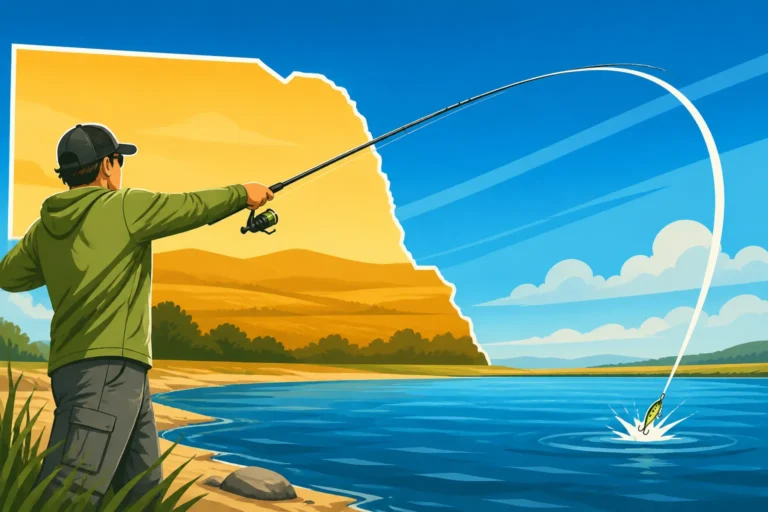
The summer sun beating down on a Nebraska lake or river can be absolutely brutal, and it often feels like the fish have just vanished. Many anglers get frustrated, pack up, and head home by noon, convinced that the "heat of the day" makes fishing impossible. But don't give up your summer fishing dreams just yet! This guide is here to unravel the mysteries of hot weather fishing in Nebraska, offering actionable strategies to help you find and catch fish when the mercury soars.
Understanding Fish Behavior in Summer Heat
When the sun is high and the air is thick with humidity, it's easy to assume the fish just stop biting. While it’s true that many species become less active during the hottest parts of the day, they don't disappear; they simply adjust their behavior to cope with the changing conditions. Understanding why they do this is your first step to outsmarting them.
The Impact of Water Temperature and Oxygen Levels
Think about it: just like us, fish have a comfortable temperature range. As surface water heats up in the summer, especially in shallower areas of lakes and rivers, two major things happen that affect fish:
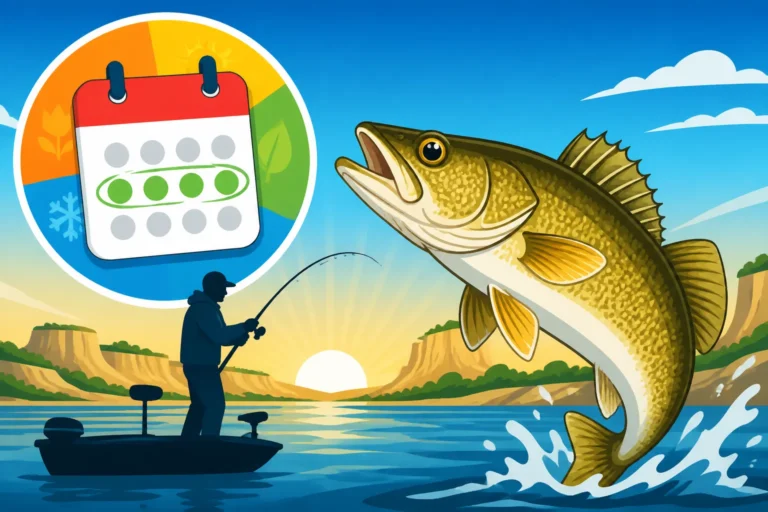
- Temperature Stress: Water temperature directly influences a fish's metabolism. When the water gets too warm, fish become stressed. Their oxygen demand goes up, but the oxygen-holding capacity of the water goes down. They'll actively seek out cooler water to conserve energy and find more oxygen. This often means moving deeper or finding shaded areas. For species like walleye, which prefer cooler temperatures, this can make them particularly sluggish and harder to entice. Knowing the ideal "What Water Temperature Walleye Prefer" can really help guide your search.
- Oxygen Depletion: Warmer water holds less dissolved oxygen than cooler water. This is a critical factor. Shallow, stagnant areas, especially those choked with vegetation that can decompose, become oxygen-depleted death traps for fish. They'll move to areas with higher oxygen concentrations, which might be deeper water, areas with springs or feeder creeks, or spots with current that helps aerate the water. This is why you often hear experienced anglers talk about "the thermocline" – that layer of water where the temperature rapidly drops, and often, oxygen levels are more stable.
Imagine a scorching hot day when you just want to find some air conditioning or a cool, shady spot. Fish feel the same way! They're not actively feeding out of sport; they're looking for survival and comfort. This behavioral shift is key to adjusting your approach.
Changes in Feeding Patterns
Fish, especially predatory species, are often opportunistic feeders. In the heat of the day, their metabolism might slow down, and they might not be chasing baitfish with the same vigor they would in cooler morning or evening hours. However, this doesn't mean they stop eating entirely.
Instead, their feeding windows might become shorter, or they might shift to consuming less energy-intensive meals. They could be less inclined to chase a fast-moving lure across open water and more likely to strike at something presented directly in front of them, especially if it looks like an easy meal. This is where patience and precise presentation really pay off. Think about how a big channel catfish, known for its summer activity, might still be cruising the bottom for an easy meal, even in the heat. Understanding "What Channel Catfish Eat" can give you an edge.
Furthermore, some species are naturally more tolerant of warm water and remain active throughout the day, even if their peak activity shifts. Catfish, for instance, are notoriously active in warm water and can often be caught during the hottest parts of the day, especially if they're holding in areas with good cover or current. Panfish like bluegill and crappie can also be found if you locate their preferred habitat.
Strategic Location: Finding Cooler Waters and Cover
The biggest secret to fishing during the heat of the day is knowing where the fish go to escape it. They're not just randomly swimming; they're seeking refuge in specific types of areas. Your job is to think like a fish and find those cool, comfortable spots.
Targeting Deep Water and Thermoclines
In large reservoirs like Lake McConaughy, Branched Oak Lake, or Harlan County Reservoir, deep water is often your best friend. As the sun bakes the surface, fish will retreat to the cooler, more stable temperatures found deeper down.
- Finding the Thermocline: Many larger, deeper lakes develop a thermocline during summer. This is a distinct boundary layer where the water temperature rapidly decreases with depth. Fish, especially walleye, crappie, and even some bass, will often suspend or hold just above or within this thermocline because it offers the optimal balance of temperature and oxygen. Modern fish finders are invaluable here, as they can help you identify this thermal stratification. Knowing "How to Fish Deep Structure for Summer Walleye" is crucial, as they will often relate to deep humps, points, and ledges near the thermocline.
- Deep Structure: Look for humps, underwater points, creek channels, and submerged timber in deeper sections of the lake. These structures provide both cooler water and cover. Jigging spoons, drop-shot rigs, or slowly trolling deep-diving crankbaits are excellent ways to target fish holding tight to these features. Pay close attention to any breaks in the bottom contour or isolated rock piles that might concentrate fish. If you're on a large body of water, learning the "Best Time of Year to Fish Lake McConaughy for Walleye" will often point to these deep-water summer patterns.
A good strategy is to start by investigating the deepest parts of your chosen fishing spot and then gradually work your way shallower if you're not finding any activity. Remember, even a small drop-off or a slightly deeper hole can hold fish seeking refuge.
Utilizing Shade, Structure, and Current
Not every body of water has vast deep zones or a distinct thermocline, especially smaller ponds and rivers. In these scenarios, fish will rely on other forms of protection from the sun and heat.
- Shade: This is probably the most obvious, yet often overlooked, sanctuary. Any overhanging trees, docks, bridge pilings, or even large submerged objects that cast a shadow can hold fish. The shade not only provides a cooler micro-environment but also offers a sense of security. Cast your lures right up against the shaded edges. You'll often find bass, crappie, and even sunfish congregating here, waiting for an easy meal to swim by. This can be particularly effective in urban ponds or smaller state park lakes.
- Heavy Cover: Think thick weed beds, lily pad fields, brush piles, fallen trees, and even riprap banks. This dense cover provides shade, helps slightly reduce water temperature, and offers ambush points for predators. Fish like largemouth bass absolutely love holding tight in heavy cover during the heat. You'll need weedless presentations like Texas-rigged worms or soft plastic jigs to get into these spots without snagging.
- Current: In rivers like the Platte River or the Missouri River, current is a fish's best friend in summer. Moving water is naturally more oxygenated and often cooler than stagnant water. Look for eddies, current seams, around wing dams, or below spillways and dams. These areas concentrate baitfish and provide a constant supply of fresh, oxygenated water. Catfish, especially, will often stack up in these areas. Drift fishing with natural baits can be incredibly effective in these situations.
Table: Common Nebraska Fish Species & Hot Weather Preferences
| Species | Preferred Hot Weather Location | Typical Summer Depth | Activity Level | Best Time of Day |
|---|---|---|---|---|
| Walleye | Deep main lake humps, points, thermocline, cool current breaks | 15-35+ feet | Moderate to Low | Dawn/Dusk, sometimes mid-day deep |
| Channel Catfish | River channels, deep holes, current seams, shaded timber | 10-25 feet (or more in rivers) | High (especially at night) | Evening, Night, Mid-day (with cover) |
| Largemouth Bass | Heavy cover, lily pads, docks, submerged brush, deep ledges | 5-20 feet | Moderate to Low | Dawn/Dusk, sometimes mid-day in heavy cover |
| Crappie | Deep brush piles, submerged timber, bridge pilings, shade | 10-25 feet | Moderate to Low | Dawn/Dusk, mid-day in deep shade |
| White Bass | Main lake humps, open water schools, current in rivers, tailwaters | 10-30 feet | High (often schooling) | Anytime, especially during feeding frenzies |
This table gives you a quick reference for where to start your search when fishing for different species in Nebraska's summer heat.
Adapting Your Approach: Baits, Lures, and Presentation
Once you've found where the fish are hiding, the next step is to convince them to bite. In the heat of the day, a subtle, enticing presentation often trumps an aggressive one. Remember, fish might be less willing to chase, so bringing the bait to them and making it an easy meal is key.
Slower Presentations and Natural Baits
When fish are sluggish due to heat, they typically aren't going to expend a lot of energy chasing down a fast-moving lure. This is where patience and subtlety come into play.
- Slow it Down: Instead of speedy retrieves, opt for slow, deliberate presentations. If you're using crankbaits, choose deep-diving models and retrieve them just fast enough to get to depth and maintain their action. For soft plastics, focus on bottom-bouncing, dragging, or subtle twitching motions. Think of it as presenting a lazy, injured meal rather than an escaping one. For walleye, a slowly retrieved nightcrawler harness or a jig tipped with a plastic grub can be deadly. If you're targeting bass, slowly working a Texas-rigged or Carolina-rigged worm through cover can often trigger a strike.
- Natural Baits are King: Live bait often outperforms artificial lures during the hottest part of the day because of its natural scent, action, and appearance. Minnows, worms (nightcrawlers, redworms), leeches, and even cut bait (for catfish) are excellent choices.
- For Crappie and Panfish: A small minnow or a piece of nightcrawler under a slip bobber, suspended just above a brush pile or deep structure, can be irresistible.
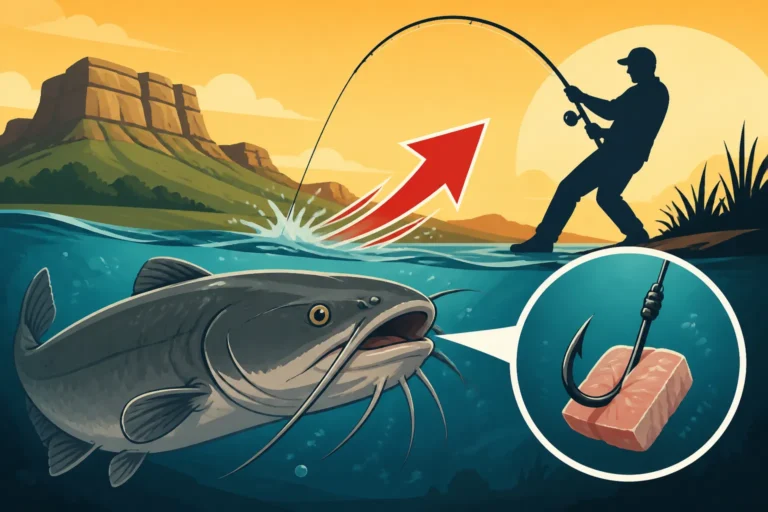
- For Catfish: Chicken livers, prepared stink baits, or fresh cut bait like shad or carp are fantastic. Drop these baits directly into deep holes, current seams, or shaded timber. You can find a wide variety of these baits at local tackle shops or sometimes even on sites like Amazon. Knowing the "Best Bait for Nebraska Catfish" will significantly increase your odds.
- For Walleye: A juicy nightcrawler on a spinner rig, a live minnow on a plain hook, or a leech fished slowly on a jig can be the ticket to enticing a bite from a lethargic walleye.
The key is to present these baits naturally and keep them in the strike zone for as long as possible. Don't be afraid to let a natural bait sit for a while; sometimes, it takes patience for a hesitant fish to commit.
Choosing the Right Lures and Colors
While natural bait often reigns supreme, certain artificial lures can still be highly effective if chosen and presented correctly.
- Deep-Diving Lures: For targeting fish in deeper water, deep-diving crankbaits that can reach the thermocline or bottom structure are essential. Colors should often be more natural or subdued in clear water, but in stained or murky water (common in many Nebraska waters after a rain), brighter colors like chartreuse or orange can be effective for visibility. Look for models that can get down to 15-25 feet or more, depending on your target depth.
- Soft Plastics: These are incredibly versatile. Stick with worms, creature baits, and jigs tipped with soft plastic trailers. Colors that mimic natural forage like green pumpkin, junebug, or watermelon are usually reliable. The key here is to impart subtle action rather than aggressive movements. Finesse techniques like drop-shotting, shaky heads, or Ned rigs can be very effective for bass and even walleye when they're not actively chasing. Many anglers find great deals on bulk packs of soft plastics through online retailers like Amazon.
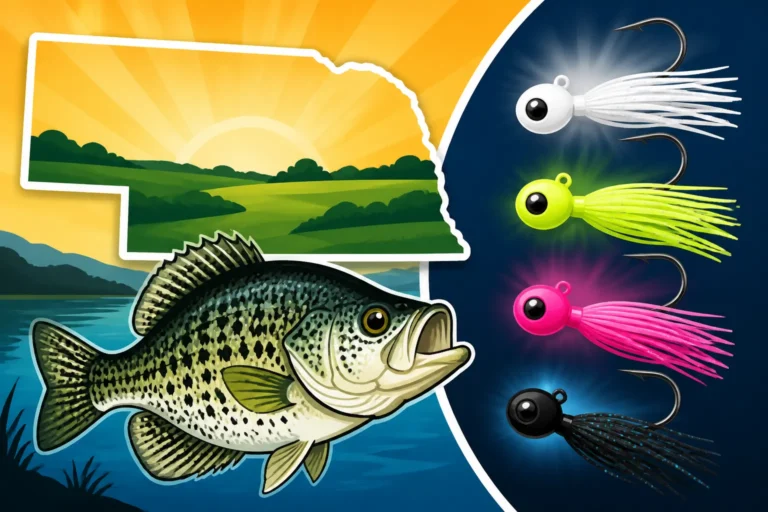
- Jigs: Jigs are workhorses for hot weather fishing. Tipping a jig with a minnow, piece of nightcrawler, or a soft plastic grub can make it deadly. Vary your jig weight to ensure it gets to the bottom quickly in deep water or current, but is light enough to be worked slowly and naturally. For specific species, like crappie, tiny jigs (1/32 to 1/16 oz) are often best. You'll want to choose a "Best Jig Color for Nebraska Crappie" based on water clarity and forage.
- Scent is Your Friend: Don't underestimate the power of scent, especially when fish are less active. Applying scent attractants to your artificial lures can make a huge difference, making them more appealing to fish that are relying on their sense of smell to find food.
The trick is to match the hatch (what the fish are currently eating) and present your offering in a way that requires minimal effort from the fish to consume.
Beyond the Bite: Angler Comfort and Responsible Practices
While catching fish is the goal, summer fishing in Nebraska also demands attention to your own well-being and the health of the fish you catch. Extreme heat isn't just tough on fish; it's tough on anglers too.
Staying Safe and Hydrated
Ignoring your own comfort and safety on a hot summer day can quickly turn a fun fishing trip into a dangerous situation. Sunstroke and dehydration are real risks, especially when you're out on the water with reflective surfaces amplifying the sun's intensity.
- Hydration is Non-Negotiable: Drink plenty of water. And then drink more water. Sports drinks with electrolytes can also be beneficial. Avoid sugary sodas or excessive caffeine, which can dehydrate you. Pack a large cooler filled with ice and enough beverages for the entire outing.
- Sun Protection: Wear wide-brimmed hats, sunglasses (polarized ones are fantastic for spotting fish and structure, too!), and long-sleeved, lightweight, UV-protective clothing. Don't forget high-SPF sunscreen for any exposed skin, reapplying frequently, especially if you're sweating or getting wet. You can find excellent, breathable fishing shirts and hats on Amazon designed specifically for sun protection.
- Seek Shade When Possible: If you're bank fishing, find a spot with natural shade from trees. If you're on a boat, consider a Bimini top or umbrella. Take frequent breaks from direct sunlight.
- Know Your Limits: If you start feeling dizzy, nauseous, or excessively tired, it's time to take a break or head in. No fish is worth risking your health.
Taking these precautions ensures that you can enjoy your time on the water comfortably and safely, allowing you to focus on the fishing instead of battling the heat.
Responsible Angling in High Temperatures
The health of the fish you catch, especially those you plan to release, is paramount during warm weather. High water temperatures can put immense stress on fish, and improper handling can lead to delayed mortality.
- Minimize Fight Time: The longer a fish fights, the more exhausted it becomes. This is particularly stressful in warm, low-oxygen water. Use appropriate tackle that allows you to land fish quickly without overly stressing them.
- Quick Release Practices: If you're practicing catch and release, handle fish gently and as little as possible. Keep them in the water as much as you can. Avoid putting them on hot surfaces (like boat decks or pavement). Have your camera ready for a quick photo, and then release them quickly. Avoid holding fish by their jaw vertically if they are large and heavy; support their belly as well. Learning "How to Handle Fish in Hot Summer Water" is a crucial skill for conservation-minded anglers.
- Consider Keeping or Culling: For species like panfish or channel catfish, which are abundant and good eating, consider keeping a limit if you plan to consume them. This reduces the stress on the released population. However, be mindful of "Nebraska Walleye Bag Limits" and other species-specific regulations.
- Use a Cooler: If you plan to keep fish, immediately place them on ice in a cooler. This preserves the quality of the meat and ensures the fish expire quickly and humanely. A quality cooler, readily available from retailers, is an essential piece of gear for any successful fishing trip where you plan to bring home a meal. Understanding "Best Coolers for Keeping Fish Fresh" can make all the difference.
By being mindful of both your own safety and the well-being of the fish, you can continue to enjoy the fantastic fishing opportunities Nebraska offers throughout the summer, even when the heat is on!
Disclaimer
This article is for general informational purposes only and does not constitute professional advice. Laws, prices and regulations vary by location and change over time. Consult a qualified professional for guidance on your specific situation.