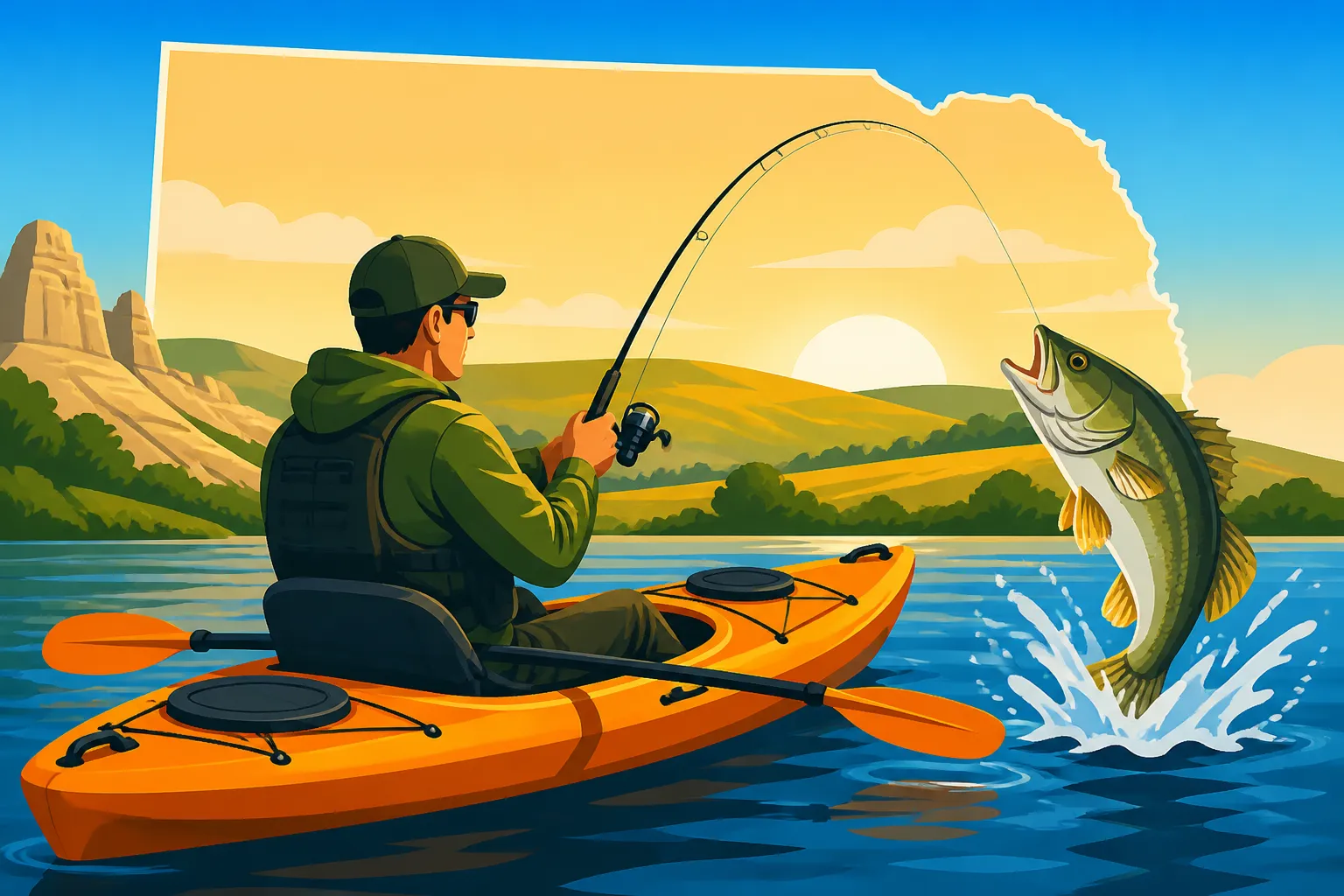
How to Catch Fish From a Kayak in Nebraska
Getting out on the water in a kayak to fish our beautiful Nebraska lakes and rivers is an experience like no other, but it can feel a little intimidating if you're not sure where to start. You might be wondering what kind of kayak you need, what gear is essential, or how to even manage catching a fish while balancing in a small boat. This guide is designed to demystify kayak fishing in the Cornhusker State, offering practical advice to help you launch with confidence and reel in some great catches.
The Unique Appeal and Realities of Kayak Fishing in Nebraska
Kayak fishing has exploded in popularity, and for good reason. There's something incredibly intimate about paddling silently across the water, feeling closer to nature, and reaching those hidden coves and shallow backwaters that bigger boats simply can't access. But here in Nebraska, our waters present a mix of opportunities and challenges that kayak anglers need to understand.
Why Kayak Fishing is Gaining Popularity Among Anglers
One of the biggest draws of kayak fishing is the sheer freedom it offers. You're not tied to expensive fuel costs, boat ramp availability, or the noisy rumble of an outboard motor. Instead, you can launch from nearly anywhere there's public access, providing access to secluded spots on lakes like Branched Oak Lake or even smaller, overlooked farm ponds that hold some fantastic fishing. This stealth factor is a game-changer; you can sneak up on wary fish, casting to them before they even know you're there. Think about silently drifting along a cattail edge on a quiet morning, dropping a jig right into a bass hideout – that's the magic of kayak fishing.
Another huge benefit is the physical aspect. Paddling provides a fantastic workout, and many anglers find it adds an extra layer of enjoyment to their outdoor pursuits. It's a minimalist approach to fishing that forces you to be more deliberate with your gear and techniques, which often leads to a deeper understanding of the fish and their habitat. For many, it's a way to de-stress, connect with nature, and simply enjoy the tranquility that Nebraska's diverse aquatic environments offer. Plus, the community of kayak anglers is incredibly supportive, always ready to share tips and tricks, making it a welcoming space for newcomers.
Navigating the Unique Challenges of Nebraska Waters
While kayak fishing is rewarding, Nebraska's diverse waterways do present some specific hurdles. Our larger reservoirs, like Lake McConaughy or Lewis and Clark Lake, can get incredibly windy, turning calm waters into choppy seas in a matter of minutes. This means stability and weather awareness are paramount. A smaller, less stable kayak can quickly become a liability when waves start crashing over the bow. Additionally, navigating vast open water in a slower-moving kayak requires careful planning regarding distance and potential weather changes.
Then there are our rivers, like the Platte River or the Niobrara River, which offer incredible fishing but also bring strong currents, submerged obstacles, and dynamic water levels. River kayak fishing demands a different skillset, focusing on current management, reading the water, and knowing how to safely navigate rapids or logjams. You also need to consider portaging around obstructions and planning your put-in and take-out points carefully. Even smaller urban ponds, while seemingly benign, can have unexpected hazards like thick aquatic vegetation or limited access points. Understanding these challenges upfront helps you prepare appropriately, ensuring a safer and more enjoyable outing.
Essential Gear for Nebraska Kayak Anglers
Before you even think about casting a line, you need to ensure you have the right equipment. Kayak fishing requires a thoughtful approach to gear, balancing portability, functionality, and safety. You don't want to be caught unprepared miles from shore.
Choosing the Right Kayak for Nebraska
Selecting the perfect fishing kayak is arguably the most important decision you'll make. For Nebraska's varied waters, stability is often key. You'll generally choose between sit-on-top (SOT) and sit-in kayaks. SOTs are overwhelmingly popular for fishing because they offer greater stability, easier entry and exit (especially if you need to re-enter from the water), and plenty of deck space for gear. They also drain easily, which is a huge plus if you take on water from waves or splashes. Look for SOT models that are at least 10-12 feet long for a good balance of stability and tracking, especially if you plan on tackling bigger reservoirs. A wider beam (width) usually translates to more stability, which is great when you're standing to cast or fighting a big fish.
Pedal-drive kayaks are another excellent option, offering hands-free propulsion, which is invaluable for trolling or holding position against wind or current while still fishing. Brands like Hobie and Old Town are leaders in this field, but many other manufacturers offer fantastic pedal-drive options now. While they can be a significant investment, the ability to fish actively while moving is a huge advantage. If you're on a tighter budget, a paddle-driven SOT is still a fantastic choice, and you can always upgrade later. When you're browsing online retailers like Amazon or visiting local shops, pay close attention to the weight capacity, storage options, and whether it has features like rod holders, gear tracks, and a comfortable seat for those long days on the water. For an even deeper dive, check out our guide on Best Kayaks for Nebraska Fishing.
Must-Have Accessories and Safety Gear
Safety should always be your top priority when kayak fishing. A properly fitted Personal Flotation Device (PFD) is non-negotiable and legally required in Nebraska. Make sure it's comfortable enough to wear all day without hindering your casting motion. Beyond the PFD, a reliable paddle is crucial; even if you have a pedal drive, a paddle is your backup. Consider a high-quality, lightweight paddle that won't fatigue you over a long day. A brightly colored safety flag on a pole will make you more visible to other boaters, especially on larger lakes or rivers with boat traffic.
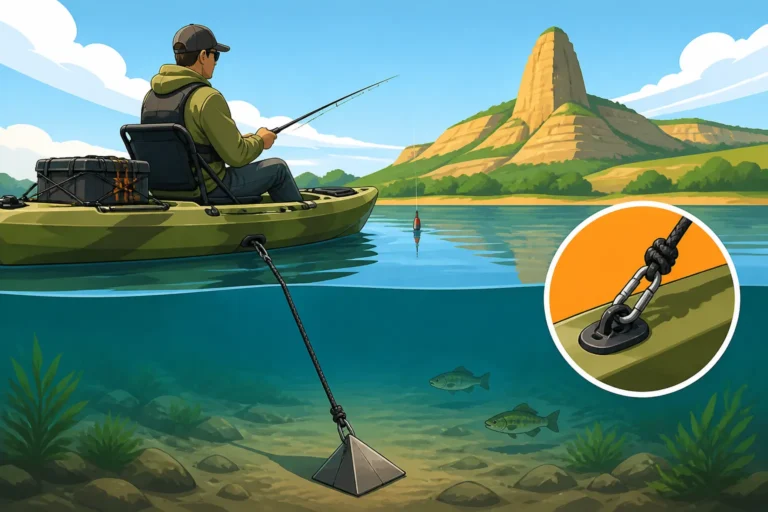
An anchor system is another essential piece of gear, particularly for holding position in wind or current. A small grapple anchor or a drag chain can be incredibly effective, and you'll want a quick-release system for safety. Take a look at our article on Best Kayak Anchors for Still Fishing for more specific recommendations. Don't forget a bilge pump or sponge for bailing out water, a whistle or horn for signaling, and a waterproof dry bag for your phone, keys, and any other essentials. Carrying plenty of water, snacks, a first-aid kit, and sunscreen is also smart. For a comprehensive list, consult our Essential Gear Checklist for a First Kayak Fishing Trip.
Rods, Reels, and Tackle for Kayak Fishing
When it comes to fishing gear itself, versatility and compactness are key from a kayak. You don't have unlimited space, so every piece of tackle should serve a purpose. Many kayak anglers prefer shorter rods, typically 6 to 7 feet, as they're easier to manage when casting from a seated position and less likely to hit your paddle or other gear. Medium-light to medium-heavy spinning rods are excellent all-around choices for targeting species like walleye, bass, and crappie in Nebraska. If you're specifically going after bigger fish like flathead catfish on the Missouri River, a stout baitcasting setup might be more appropriate. You can find many excellent, affordable rod and reel combos on Amazon that are perfect for getting started.
For tackle, think multi-species. A selection of jigs, crankbaits, soft plastics, and topwater lures will cover most situations. Remember to bring a good variety of jig head weights to adapt to different depths and currents. Live bait, like minnows or worms, can also be very effective and stored in a small, aerated bait bucket. Keep your tackle organized in small, waterproof boxes that fit easily into your kayak's storage hatches or crates. This minimizes clutter and keeps your gear safe from splashes. And don't forget a pair of long-nose pliers for hook removal and a net with a rubberized mesh to protect fish and prevent hooks from getting tangled. For more general guidance on fishing rods, explore Best Rods and Reels for Nebraska Fishing.
Here's a quick comparison of popular kayak types for Nebraska fishing:
| Kayak Type | Pros | Cons | Ideal Nebraska Use |
|---|---|---|---|
| Sit-on-Top (SOT) | Stable, easy re-entry, self-draining, ample gear space | Can be slower, less protected from elements, wetter ride | Reservoirs, larger lakes, calm rivers |
| Sit-Inside (SINK) | Faster, dryer ride, better for cold weather | Less stable for fishing, harder re-entry, less gear access | Smaller, calmer lakes, sheltered river sections |
| Pedal Drive | Hands-free propulsion, great for trolling/positioning | Heavier, more expensive, complex maintenance, shallower draft concerns | Large reservoirs (Lake McConaughy), open water trolling |
| Inflatable | Highly portable, easy storage, often stable | Puncture risk, slower, wind affects heavily, less durable | Farm ponds, calm small lakes, car-topping for travel |
Kayak Fishing Techniques for Nebraska Waters
Once you're geared up, it's time to learn how to effectively fish from your new floating platform. Kayak fishing requires adapting traditional techniques to the unique dynamics of a small, unpowered vessel.
Navigating Different Water Bodies from a Kayak
Each of Nebraska's diverse water bodies calls for a slightly different approach.
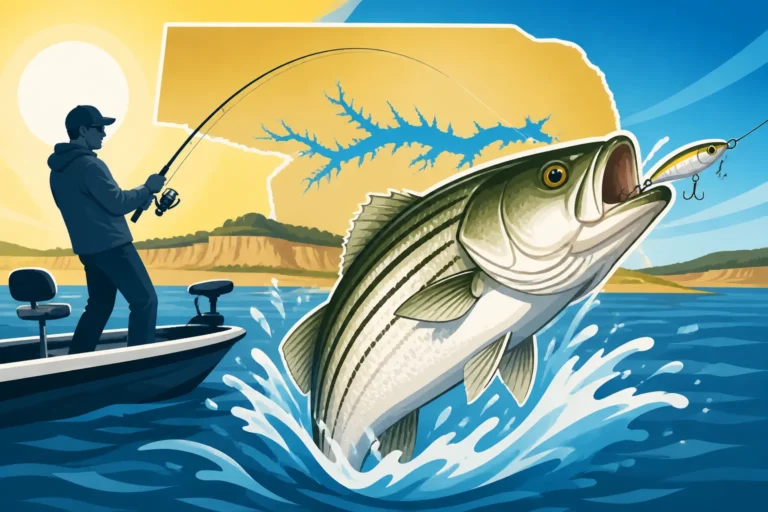
- Large Reservoirs (e.g., Lake McConaughy, Branched Oak Lake): On these vast waters, wind can be your biggest challenge. Always check the forecast before heading out. When paddling, try to stay close to shorelines or protected coves, especially if the wind picks up. Use your anchor to hold position over submerged structures, points, or humps where fish might congregate. Trolling is highly effective on big reservoirs, especially for walleye or wipers. With a pedal-drive kayak, you can maintain a consistent speed while casting or managing multiple lines. If you're paddle-powered, a small electric trolling motor can be a huge asset (just be sure to check Do You Need a Trolling Motor on a Kayak? for regulations and practicalities).
- Rivers (e.g., Platte River, Elkhorn River): River fishing from a kayak is exhilarating but demands respect for the current. Learn to "read the water" – identifying seams, eddies, and slack water where fish hold. Drift fishing with the current, casting towards structure, is a common and effective technique. Always paddle upstream first so you can drift back downstream, conserving energy and making your return journey easier. Be constantly aware of submerged hazards like logjams or shallow riffles. A sturdy, shorter kayak is often preferred for river navigation due to its maneuverability. For tips on managing current, refer to How to Anchor a Kayak in Current.
- Small Lakes and Ponds: These are often perfect for beginners. The lack of heavy boat traffic and strong currents makes for a more relaxed experience. Kayaks excel at reaching shallow areas, lily pad fields, or brush piles that shore anglers can't access. Focus on casting to structure, weed lines, and transitions in depth. These smaller waters are also fantastic for teaching kids to fish from a kayak, as you can easily keep them close and guide them. Consider a day trip to one of the many state recreation areas with smaller lakes.
Effective Fishing Strategies from a Kayak
Kayak fishing opens up a world of possibilities for presenting your bait or lure.
- Trolling: This is a surprisingly effective method, especially for covering water on larger lakes for species like walleye, wipers, or even trout. You can drag crankbaits, spinner rigs, or even live bait behind your kayak. With a pedal-drive, it’s effortless to maintain speed. If you're paddling, try to find a rhythm that allows you to steer and keep your line in the water simultaneously. A rod holder is indispensable for trolling, allowing you to paddle and keep your hands free. On Lake McConaughy, many kayak anglers troll crankbaits for walleye along main lake points or humps.
- Casting and Retrieving: This is the bread and butter of most kayak fishing. The stealth of a kayak allows you to get incredibly close to cover without spooking fish. Target weed edges, fallen trees, docks, or rocky points. Because you're low to the water, underhand or roll casts can be more comfortable and effective than overhead casts, especially if you have overhanging branches. Practice casting accuracy, as precise lure placement can make all the difference. For bass in farm ponds, quietly paddling near cattail beds and pitching a weedless jig can yield fantastic results.
- Vertical Jigging and Drop-Shotting: When fish are holding tight to structure or deep breaks, vertical presentations from a kayak are deadly. Use your fish finder (if equipped) to locate schools of fish or structure, then position your kayak directly over them using your anchor or by gently pedaling/paddling. Drop a jig, spoon, or a drop-shot rig straight down to entice bites. This is particularly effective for winter ice fishing when translated to open water, or for targeting suspended crappie over brush piles. Being directly above the fish offers excellent lure control and sensitivity for detecting subtle bites.
Managing Your Catch and Gear in a Small Space
One of the biggest adjustments when moving to kayak fishing is learning efficient space management. Every item needs a designated spot, easily accessible but out of the way.
- Gear Organization: Invest in a milk crate or a specialized kayak tackle storage system that fits behind your seat. This can hold extra tackle boxes, a small cooler, and other essentials. Use bungee cords or gear tracks to secure everything. Losing a rod or a tackle box overboard is a terrible feeling. A good Best Kayak Fishing Setup for Beginners will always prioritize organization.
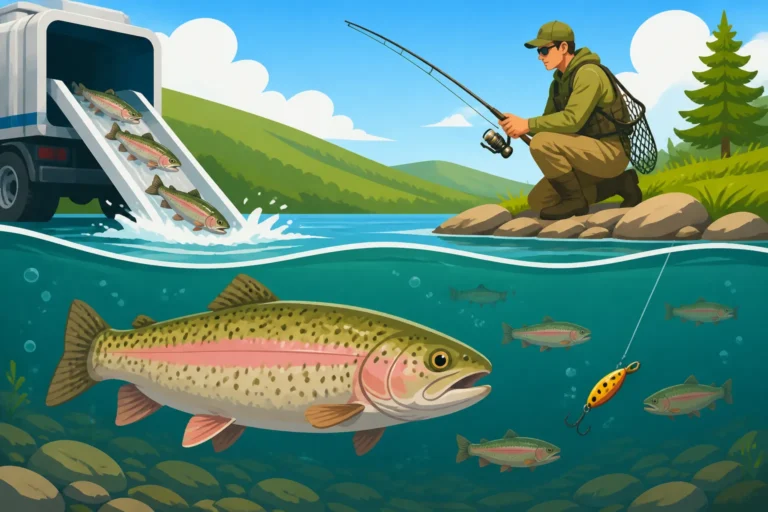
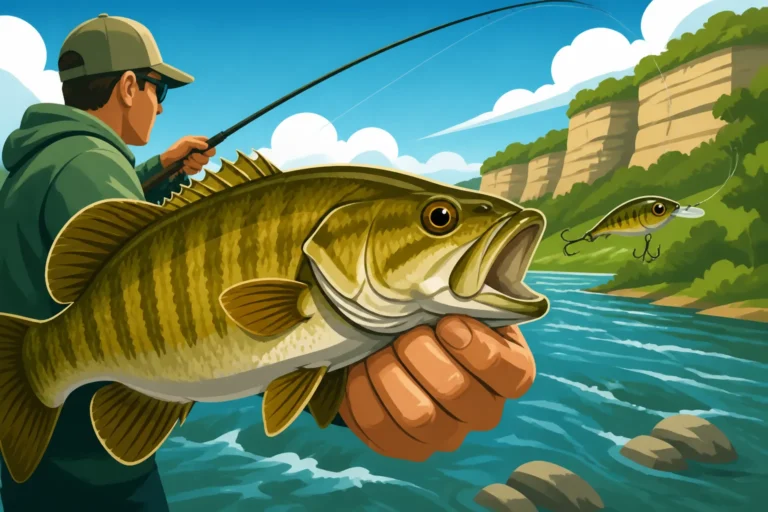
- Handling Fish: Landing a fish from a kayak requires a bit of finesse. Have your net easily accessible. Once you have the fish boatside, use the net to scoop it up, bringing it into your lap or directly into a designated holding area. For larger fish, a sturdy grip on the lower jaw (for bass) or a solid net is key. If you plan to keep fish, a soft-sided cooler or a fish stringer attached to your kayak can keep them fresh. Practice catch and release techniques for fish you don't intend to keep, minimizing their time out of water.
- Photography: If you want to capture your memorable catches, have your camera or phone in a waterproof case on a lanyard around your neck or secured to the kayak. Practice taking quick, safe photos of your fish before release. Remember, stability is paramount, so avoid making sudden movements.
Best Practices for a Successful Nebraska Kayak Fishing Trip
Beyond the gear and techniques, a truly successful and enjoyable kayak fishing experience in Nebraska comes down to preparation, safety, and respect for the environment.
Safety First: Planning and Preparation
Never underestimate the power of Nebraska's weather. A calm morning can quickly turn into a windy, choppy afternoon, especially on larger lakes like Harlan County Reservoir or Merritt Reservoir. Always check the weather forecast before you go, and be prepared to cut your trip short if conditions deteriorate. Tell someone where you're going and when you expect to return, a practice often called a "float plan." This ensures that if something goes wrong, someone knows to look for you.
Beyond weather, understand the specific regulations for the water body you're fishing. This includes knowing Nebraska Fishing Regulations Explained and possessing your Nebraska Fishing License Guide. Be aware of any special rules for horsepower limits, invasive species protocols, or designated fishing zones. Always wear your PFD, ensure your kayak has proper navigation lights if you'll be out at dawn, dusk, or night, and carry a signaling device like a whistle. Packing plenty of water and snacks is crucial, as is a basic first-aid kit for minor scrapes or hook mishaps.
Environmental Considerations and Etiquette
As kayak anglers, we have a unique opportunity to experience nature up close, and with that comes a responsibility to protect it. Always practice "Leave No Trace" principles. Pack out everything you pack in, including fishing line scraps, bait containers, and food wrappers. Avoid disturbing wildlife, especially nesting birds or spawning fish. Be mindful of your wake, particularly when passing other anglers (kayak or otherwise) or shorelines where people might be swimming or camping.
Respect other water users. On busy lakes, give larger boats a wide berth, as they may not see you easily. Yield to rowers or paddlers who prefer quiet enjoyment of the water. If you're on a river, be aware of private property boundaries and only access the water at designated public access points. Supporting local conservation efforts, such as cleaning up shorelines or participating in aquatic invasive species prevention, helps ensure that Nebraska's waters remain healthy and productive for future generations of anglers.
Launching and Landing Your Kayak with Ease
Getting your kayak into and out of the water might seem simple, but doing it efficiently and safely can make a big difference in your overall experience.
- Scouting Launch Sites: Before you even leave home, use maps or satellite imagery to scout potential launch sites. Look for gentle slopes, sandy beaches, or designated kayak/canoe launches. Avoid steep, rocky areas that could damage your kayak or make entry difficult. If you're launching at a busy boat ramp, be quick and courteous to powerboaters. Have all your gear ready to go before you back your vehicle down the ramp.
- Loading and Unloading: Transporting your kayak securely is crucial. A good roof rack system with proper cradles or pads will protect your kayak and vehicle. Practice loading and unloading your kayak at home so it's second nature. Many kayak anglers use a kayak cart or dolly to transport their rigged-up kayak from the vehicle to the water's edge, saving energy and multiple trips.
- Entry and Exit: The key to a graceful entry and exit from your kayak is often done in shallow water, close to shore. Hold the paddle across the cockpit or deck, bracing yourself as you step in or out. Take your time, and don't rush. If you're using a sit-on-top, you can often straddle the kayak in shallow water and then slide into the seat. Remember that the kayak will be most stable when you keep your weight centered and low. Practice this a few times in calm, shallow water until you feel confident.
Kayak fishing in Nebraska offers an unparalleled connection to nature and some truly incredible fishing opportunities. With the right gear, a focus on safety, and a willingness to learn, you'll be navigating our reservoirs, rivers, and ponds with confidence, discovering new fishing hotspots, and making unforgettable memories on the water.
Disclaimer
This article is for general informational purposes only and does not constitute professional advice. Laws, prices and regulations vary by location and change over time. Consult a qualified professional for guidance on your specific situation.