Eugene T Mahoney State Park Fishing Lakes
It can be truly frustrating trying to find fishing spots in Nebraska that offer not only decent angling opportunities but also the amenities and atmosphere for a perfect family outing. Often, you find a great fishing hole, but it lacks easy access or facilities, or conversely, a beautiful park has limited fishing potential. This guide is here to shed light on Eugene T. Mahoney State Park, one of Nebraska's gems, detailing exactly what you can expect when it comes to wetting a line there.
An Angler's Overview of Eugene T. Mahoney State Park
Eugene T. Mahoney State Park, nestled conveniently between Omaha and Lincoln off I-80, is more than just a place to cast a line; it's a full-fledged recreational hub that truly caters to families and outdoor enthusiasts. Many anglers, especially those with kids or limited mobility, often struggle to find locations that offer both quality fishing and comfortable facilities. Mahoney Park solves this dilemma by combining well-maintained fishing access with a plethora of other activities, making it an ideal destination for a day trip or even a longer stay.
Accessibility and Family-Friendly Features
One of the standout features of Mahoney State Park is its incredible accessibility. Unlike some remote fishing spots that require rough trails or specialized gear, this park is designed with everyone in mind. Paved paths lead to several fishing docks and shoreline access points, making it easy for strollers, wheelchairs, and families with small children to get right to the water's edge. This focus on ease of access means you won't spend half your day wrestling gear through tall grass or over uneven terrain, which is a common frustration for many families just trying to enjoy a simple day out.
Beyond fishing, the park boasts a wave pool, an indoor aquatic center, an observation tower, paddle boats, mini-golf, and even a climbing wall. These amenities are a huge bonus for families where not everyone shares the same passion for fishing. If the fish aren't biting, or if the kids get restless, there’s always something else to do, preventing those dreaded "I'm bored" complaints that can cut a fishing trip short. It truly takes the pressure off, allowing anglers to relax and enjoy the experience, knowing there are backup entertainment options.
Understanding the Fishing Opportunities
While the park offers a wide array of activities, the fishing itself is surprisingly robust and well-managed. The Nebraska Game and Parks Commission actively manages the park's water bodies, ensuring a healthy fish population. You're not just fishing in a random pond; you're fishing in waters that are often stocked and regularly monitored. This dedicated management means you have a much better chance of success, which is a huge confidence booster, especially for beginner anglers or kids. The primary fishing areas within the park are Lake Mahoney and Baright Lake, though several smaller ponds might also hold fish. These lakes offer a diverse range of species, from panfish to larger game fish, catering to different skill levels and preferences.
The fishing experience here is generally tranquil, even with the park's popularity. There are ample opportunities for shore fishing, but if you prefer, you can also bring a small boat or kayak, provided it adheres to park regulations. This flexibility allows you to explore different areas and depths, potentially increasing your catch rates. It's a fantastic spot to introduce someone to the joys of fishing without the intimidation of vast, complex waters.
Key Fishing Lakes and Species at Mahoney State Park
When you visit Eugene T. Mahoney State Park with fishing in mind, you'll primarily be focusing on two main bodies of water: Lake Mahoney and Baright Lake. These lakes are the lifeblood of the park's fishing scene, each offering unique characteristics and angling prospects. Understanding what to expect from each can significantly improve your chances of a successful day on the water.
Lake Mahoney and Baright Lake
Lake Mahoney and Baright Lake are the two most prominent fishing lakes within the park. Lake Mahoney is the larger of the two, offering more expansive water to explore, while Baright Lake is a bit more compact but equally productive. Both are generally shallow to moderately deep, with plenty of submerged structure like aquatic vegetation, fallen timber, and rocky areas that provide excellent cover for fish. These features are crucial because they concentrate fish, making them easier to locate for anglers.
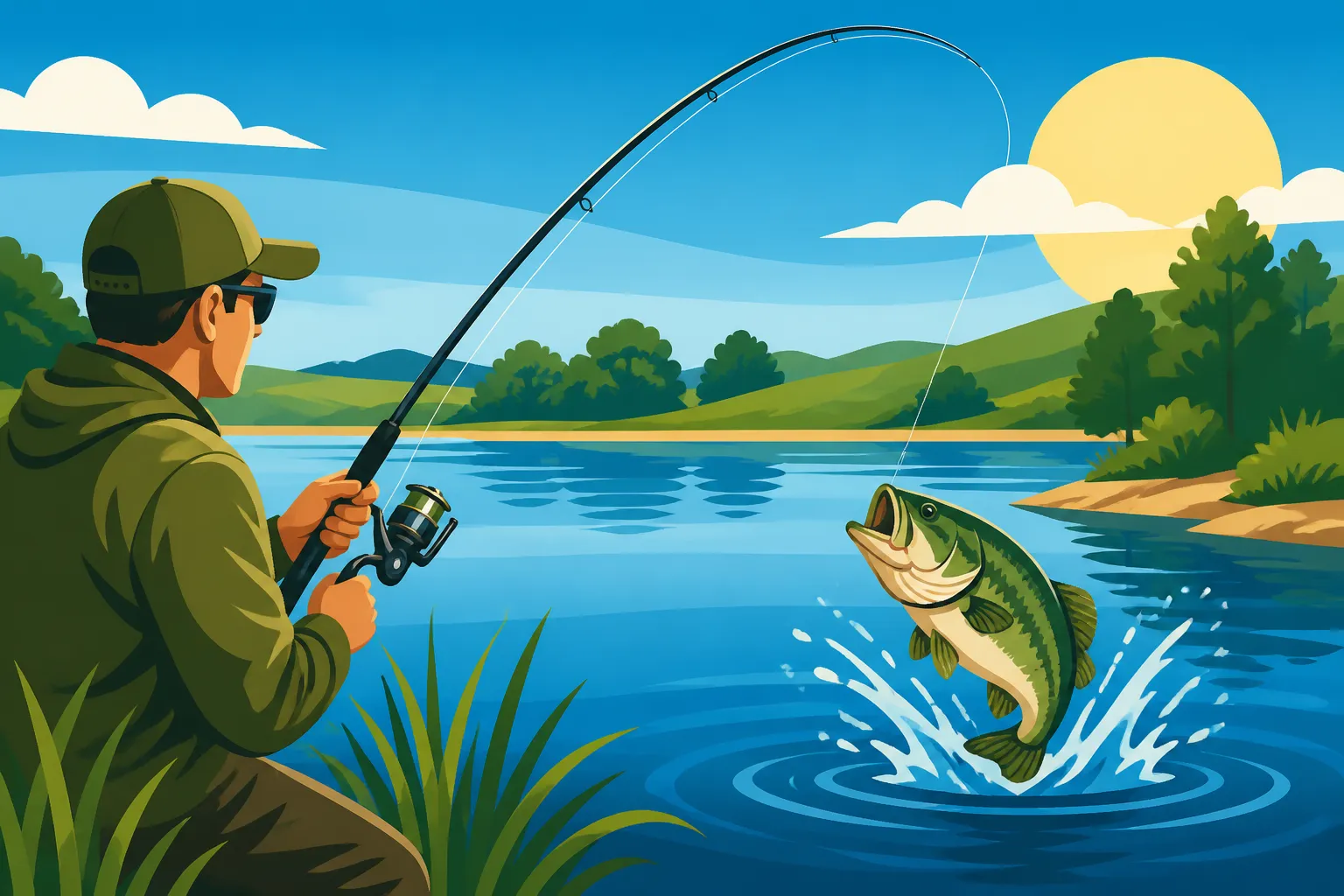
You'll find a good mix of species in these waters, making them versatile for different types of fishing. Anglers regularly pull out healthy populations of largemouth bass, which often lurk around weed lines and submerged brush. For those who enjoy a good fight and delicious table fare, channel catfish are abundant, especially in the deeper pockets and areas with a muddy bottom. And, of course, no Nebraska fishing lake would be complete without a strong presence of panfish, including bluegill and crappie, which are always a hit with kids and casual anglers due to their eager bites. Depending on stocking schedules, you might even encounter the occasional walleye, though they are less common here compared to larger reservoirs. If you're looking to target a specific species or perhaps try to land a trophy, services like FishingBooker can help you connect with local guides who specialize in these waters, though for these park lakes, a DIY approach is often sufficient.
To maximize your chances, consider fishing early in the morning or late in the evening, especially during warmer months. Bass will often be found cruising the shallows or near cover, while catfish prefer deeper holes and will readily take cut bait or stink bait fished on the bottom. Panfish, being less particular, can be caught throughout the day near docks, reeds, or brush piles using small jigs or worms.
Smaller Ponds and Stocked Waters
Beyond the main lakes, Mahoney State Park also features several smaller ponds that often get overlooked but can offer fantastic, low-key fishing experiences. These smaller waters are particularly excellent for families with young children or those new to fishing. They tend to be less crowded and provide a more intimate setting, making it easier to manage kids and teach them the basics without the distractions of larger boats or more serious anglers.
The Nebraska Game and Parks Commission often utilizes these smaller ponds as part of its urban fishing programs or for specific stocking initiatives. This means they are frequently stocked with panfish, and sometimes even trout during cooler months, providing consistent action. You can often find detailed information on recent stocking activities on the Nebraska Game and Parks website, which is incredibly helpful for planning a trip focused on catching. For these smaller ponds, simple setups are best: a cane pole or a light spinning rod with a bobber and a worm or small piece of corn will usually do the trick. The key here is simplicity and maximizing the fun factor, focusing on the joy of getting bites rather than chasing trophy fish. These ponds are perfect for teaching kids the basics and celebrating every little catch, making memories that will last a lifetime.
Essential Tips for Fishing Mahoney State Park
Fishing at Eugene T. Mahoney State Park is generally straightforward, but a few essential tips can make your experience even more productive and enjoyable. Whether you're a seasoned angler or introducing a youngster to the sport, being prepared with the right baits, techniques, and understanding of local regulations is key to a successful outing.
Best Baits and Techniques
Choosing the right bait and technique is often the difference between a great day of fishing and a frustrating one. For the diverse species at Mahoney, a varied tackle box is your best friend.
- For Panfish (Bluegill, Crappie): These are perhaps the easiest and most fun fish to catch, especially for kids. Small pieces of nightcrawler, wax worms, mealworms, or even corn kernels rigged under a tiny bobber are usually irresistible. Use small hooks (size 8-12) and light line (4-6 lb test). Cast near docks, submerged brush, or weed lines. A slow retrieve with a tiny jig tipped with a piece of worm can also be incredibly effective for crappie, especially in spring. If you're wondering how to catch crappie in spring, look for them staging in shallower waters near cover.
- For Channel Catfish: If you're serious about landing some catfish, embrace their love for smelly baits. Cut bait (like shad or sunfish), chicken livers, stink baits, and even large nightcrawlers fished on the bottom with a simple sinker rig are highly effective. You'll want a medium-heavy rod and reel setup with 10-20 lb test line to handle these hard-fighting fish. Try fishing the deeper sections of Lake Mahoney, especially near the main channels or drop-offs. Learning how to catch catfish in Nebraska often involves patience and a good understanding of bottom fishing techniques.
- For Largemouth Bass: Bass anglers will have fun throwing a variety of lures. Soft plastics like Texas-rigged worms or Senkos are always a good bet, especially when fished slowly around cover. Small crankbaits, spinnerbaits, and even topwater lures during low-light conditions can provoke aggressive strikes. If you're interested in how to fish for walleye in Nebraska, some of the same techniques, like jigging or using a crawler harness, might accidentally land you a bass here, given their similar feeding habits to smaller walleye. However, pure walleye tactics are usually overkill for the bass here.
- General Tip: Don't be afraid to try different depths and presentations until you find what the fish are responding to on any given day. To find more specific tips and local conditions, a quick check on fishing forums or platforms like FishingBooker often yields recent angler reports which can be invaluable.
Regulations, Permits, and Park Amenities
Before you even cast a line, it's absolutely crucial to understand the regulations and permit requirements. First and foremost, anyone 16 years or older needs a valid Nebraska Fishing License Guide to fish in Nebraska waters, including those within state parks. Make sure you also check the current Nebraska Fishing License Costs and Types to get the right permit for your trip duration. Don't forget, an Aquatic Habitat Stamp is often required as well, as detailed in the Nebraska Aquatic Habitat Stamp Explained guide. These funds go directly back into improving Nebraska's fisheries, so it's a small but important investment.
Beyond the general statewide rules, always be aware of any specific regulations unique to Eugene T. Mahoney State Park. These might include special length or bag limits for certain species, restrictions on bait (like the use of live baitfish, which is often prohibited to prevent the spread of aquatic invasive species), or designated catch-and-release areas. You can typically find these details posted at boat ramps, fishing docks, or on the Nebraska Game and Parks website. Understanding the Nebraska Fishing Regulations Explained can prevent a costly fine and ensures you're fishing responsibly.
As a state park, Mahoney offers fantastic amenities that enhance the fishing experience. You'll find clean restrooms, picnic areas with grills, and even concession stands for snacks and drinks. There are multiple well-maintained fishing piers that provide excellent access without needing a boat. For those bringing their own watercraft, the park has boat ramps suitable for small boats, kayaks, and canoes. Just remember to check the Nebraska Rules on Number of Fishing Poles Per Angler if you plan to fish with multiple rods. These facilities truly contribute to making a fishing trip here comfortable and convenient for everyone in your group.
Planning Your Trip to Eugene T. Mahoney State Park
A successful and enjoyable fishing trip to Eugene T. Mahoney State Park goes beyond just knowing where to cast. Thoughtful planning, especially regarding the time of year and catering to all family members, can turn a simple outing into a cherished memory.
Optimal Times to Fish
Nebraska's fishing seasons offer different opportunities, and Mahoney State Park is no exception. Understanding the Nebraska Fishing Season Dates and Limits for various species can significantly impact your success.
- Spring (March-May): This is often considered one of the best times to fish at Mahoney. As water temperatures rise, fish become more active, moving into shallower waters to feed and spawn. Crappie and bluegill will be abundant near brush piles and docks, eager to bite. Bass also become very aggressive during their pre-spawn and spawning phases. Catfish, while still a bit sluggish in early spring, will pick up activity as the water warms.
- Summer (June-August): Summer fishing can be excellent, especially during early mornings and late evenings when temperatures are cooler. During the heat of the day, fish often retreat to deeper, cooler waters or seek dense cover. Night fishing can be particularly productive for channel catfish during summer. With the park's ample amenities, summer is also peak time for families to combine fishing with other activities like swimming or exploring the park.
- Fall (September-November): Many anglers consider fall to be another prime fishing season. As water temperatures begin to drop, fish go on a feeding frenzy to bulk up for winter. Bass and crappie can be found aggressively feeding in shallower areas, while catfish remain active until the water gets very cold. The cooler weather and beautiful fall foliage also make for a very pleasant experience, often with fewer crowds than in summer.
- Winter (December-February): While ice fishing is popular in Nebraska, Mahoney State Park's lakes generally aren't known as prime ice fishing destinations due to size and depth, though local conditions can vary. If the ice is thick enough, panfish and even some bass can be caught, but always prioritize safety and check ice conditions thoroughly.
No matter the season, paying attention to local weather forecasts and recent fishing reports is always a good idea. To stay updated on what's biting, a quick check on fishing forums or platforms like FishingBooker often yields recent angler reports specific to the area.
Family Fishing and Kid-Friendly Advice
Eugene T. Mahoney State Park truly shines as a destination for family fishing. Introducing children to fishing here is a low-stress, high-reward endeavor thanks to the accessible fishing spots and eager panfish.
- Keep it Simple: For kids, simple cane poles or light spinning rods with bobbers are perfect. Focus on catching easy-to-snag species like bluegill or small crappie, which are abundant in the park's waters. A small worm on a tiny hook is usually all you need.
- Patience is Key: Children have short attention spans. Don't expect them to sit still for hours. Plan shorter fishing sessions and be prepared to switch activities if they get bored. The park's numerous other attractions are fantastic for this purpose.
- Focus on Fun, Not Fish: The goal is to create positive memories. Celebrate every nibble, every small catch, and every moment spent together outdoors. The size or quantity of fish caught is secondary to the experience.
- Safety First: Always use appropriate life jackets for younger children, even when fishing from a dock. Teach them about safe casting practices and how to handle fish gently.
- Educational Opportunities: Use fishing as a chance to teach kids about fish identification, aquatic ecosystems, and responsible outdoor ethics like "catch and release best practices in Nebraska." The Nebraska Game and Parks Commission also offers programs like the Nebraska Mentored Youth Fishing Program Rules which can be a great way to introduce kids to the sport with expert guidance.
By keeping these tips in mind, your family fishing trip to Eugene T. Mahoney State Park will likely be filled with laughter, learning, and plenty of "fish on!" moments, making it a truly unforgettable experience for everyone.
Here's a quick reference table for fishing at Eugene T. Mahoney State Park:
| Lake/Pond Type | Primary Fish Species | Recommended Baits/Lures | Best Techniques | Notes |
|---|---|---|---|---|
| Lake Mahoney | Largemouth Bass, Channel Catfish, Bluegill, Crappie, occasional Walleye | Soft plastics, crankbaits, spinnerbaits (bass); Cut bait, stink bait, nightcrawlers (catfish); Worms, small jigs (panfish) | Shore fishing, boat/kayak fishing; Bottom fishing (catfish); Casting near structure (bass); Bobber fishing near cover (panfish) | Larger lake, more varied structure. Good for active casting or patient bottom fishing. |
| Baright Lake | Largemouth Bass, Channel Catfish, Bluegill, Crappie | Same as Lake Mahoney | Similar to Lake Mahoney, but can be more intimate. | Generally similar to Lake Mahoney but often less expansive, still offering great action. |
| Smaller Ponds | Bluegill, Crappie, stocked Trout (seasonal) | Worms, mealworms, corn, tiny jigs | Bobber fishing; Light tackle casting | Excellent for kids and beginners, often stocked, less crowded. Check stocking reports. |
Disclaimer
The information provided in this guide is for general informational purposes only and is subject to change. Fishing regulations, license requirements, and park amenities can be updated by the Nebraska Game and Parks Commission or park management. Always consult the official Nebraska Game and Parks Commission website or contact Eugene T. Mahoney State Park directly for the most current and accurate information before planning your fishing trip. Adherence to all local, state, and federal regulations is the angler's responsibility.