Nebraska Mussel Harvest Regulations
Many folks new to fishing or exploring Nebraska's beautiful waterways might stumble upon mussels and wonder if they can harvest them, perhaps for bait, food, or just a unique souvenir. It's a natural curiosity, but the truth about mussel harvesting in Nebraska is far more nuanced and, frankly, much stricter than most people realize. This guide will walk you through the essential regulations, why they exist, and how you can avoid serious legal trouble while being a responsible steward of our aquatic environments.
The Strict Reality of Mussel Harvesting in Nebraska: Why It's Not What You Think
When you think of "harvesting," you might picture collecting clams on a beach or digging for shellfish. In Nebraska, however, the world of mussels is almost entirely off-limits for recreational take. This isn't just about arbitrary rules; it's deeply rooted in the ecological significance of these often-overlooked creatures and the very real threat posed by invasive species. The notion that you can simply pick up any mussel you find is a misconception that could lead to hefty fines and environmental damage.
The Fragile Ecosystem and Native Mussel Importance
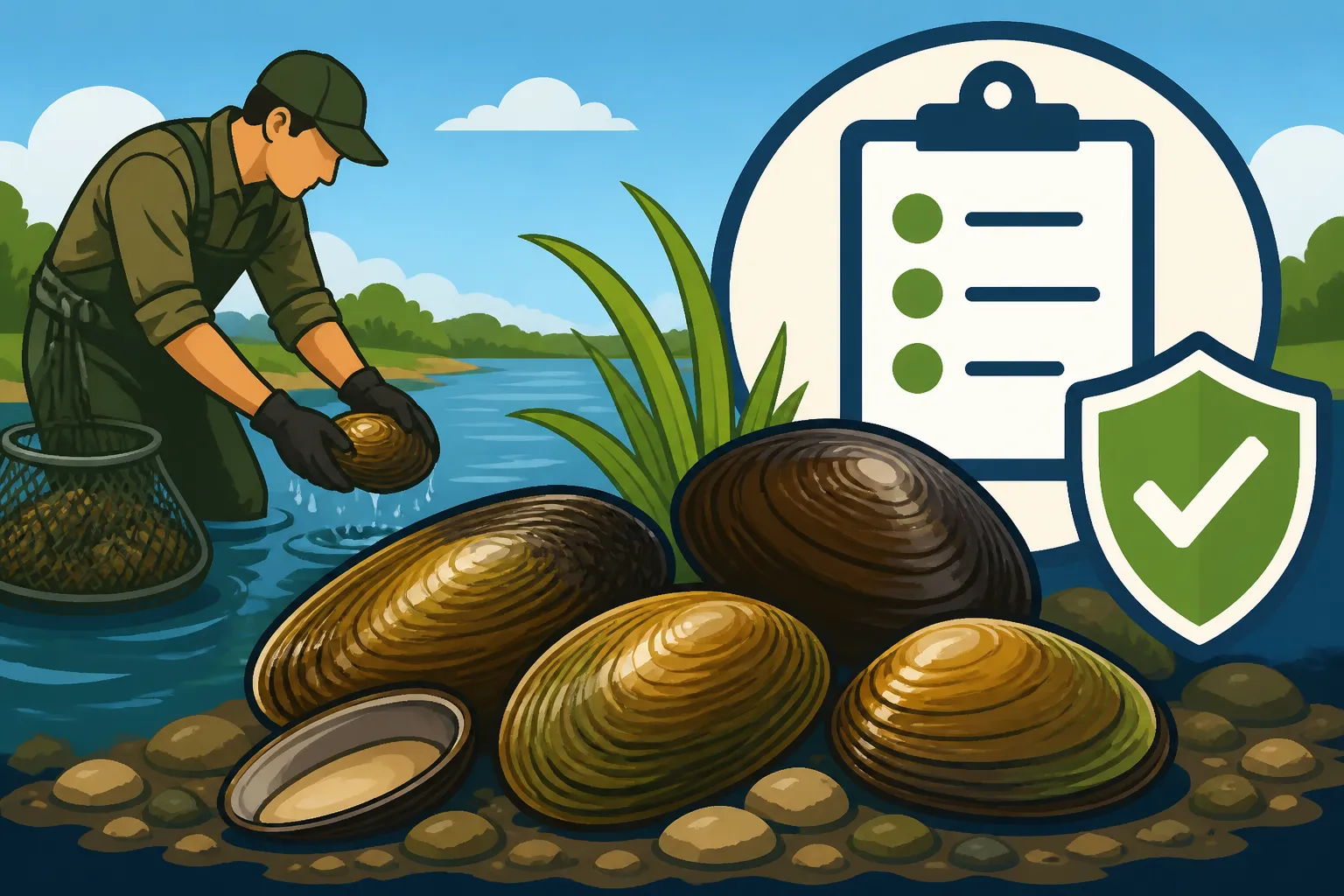
Nebraska's native mussels, also known as freshwater bivalves, are incredible indicators of water quality and play a vital role in our aquatic ecosystems. They are nature's filter feeders, constantly working to clean the water by siphoning out algae, bacteria, and other particles. Think about it – one mussel can filter gallons of water every day! Without them, our rivers and lakes would be far murkier, impacting everything from fish health to human recreation. There are numerous native mussel species in Nebraska, each adapted to specific habitats and contributing to the overall biodiversity. Their slow growth rates and specific habitat requirements make them particularly vulnerable to environmental changes and over-harvesting, which is why they receive such stringent protections.
The General Prohibition on Native Mussel Collection
For most people, the simple answer is this: you cannot recreationally harvest native mussels in Nebraska. The Nebraska Game and Parks Commission (NGPC) has implemented strict regulations to protect these vital animals, classifying them as non-game aquatic species that are generally protected from collection without very specific permits. This means that if you're out fishing or enjoying the lake, you can't just pick them up, even if they appear abundant. This blanket prohibition is in place because identifying native mussel species can be incredibly difficult for the untrained eye, and many are considered threatened or endangered, even if they don't look particularly unique to a casual observer. It's a "better safe than sorry" approach that prioritizes conservation.
Dispelling Myths: Recreational vs. Scientific Collection
It's easy to assume that if you see mussels, they must be fair game. This couldn't be further from the truth in Nebraska. While commercial mussel harvesting was once a viable industry in some parts of the country for button production, that era is long past in our state. Today, any legal collection of native mussels in Nebraska is typically limited to highly specialized scientific research, conservation efforts, or educational purposes, all of which require specific permits issued by the NGPC. These permits are not easily obtained and come with strict conditions, including reporting requirements and collection limits. They are absolutely not available for recreational take. If you’re interested in learning more about the broader rules governing the state's waters, a good resource to check out is the Nebraska Fishing Regulations Explained guide.
Understanding Native Mussel Protections and Specific Permits
The stringent rules around native mussels in Nebraska reflect a deep understanding of their ecological value and vulnerability. It's not about making things difficult for anglers or nature enthusiasts; it's about safeguarding a crucial part of our natural heritage. Being informed is the first step toward being a responsible citizen scientist, even if it means simply leaving mussels undisturbed.
Who Needs a Permit and Why They're Rare
As mentioned, recreational anglers or general public members do not get permits to harvest native mussels. The permits that are issued are typically for academic researchers, state or federal agencies, or approved environmental consultants conducting surveys or conservation projects. These individuals usually have extensive training in mussel identification, handling, and data collection. The application process is rigorous, often requiring detailed project proposals, methods, and justifications for why mussel collection is necessary. The rarity of these permits underscores the protected status of native mussels. It's truly a specialized field, and anyone without such a permit collecting native mussels is in violation of state law. For anyone planning to fish in Nebraska, understanding the basic requirements like a Nebraska Fishing License Guide is crucial, and it’s important to remember that such a license does not grant permission for mussel collection.
Protected Species: Know What You're Looking At
Nebraska is home to a diverse array of freshwater mussel species, and many of them are listed as threatened, endangered, or species of special concern at both state and federal levels. Trying to identify these species in the field without proper training is incredibly challenging. Even subtle differences in shell shape, hinge structure, or growth rings can distinguish a common species from a critically endangered one. Some examples of protected species in Nebraska include the Scaleshell, Western Fanshell, and the Higgins Eye Pearlymussel, all of which are federally endangered. Because of this complexity and the severe consequences of mistakenly collecting a protected species, the safest and most responsible approach for the public is to assume all native mussels are protected and leave them undisturbed. If you’re ever curious about aquatic life and specific protections, you can delve into resources like What Fish Species Are Protected in Nebraska for broader context.
If You Find a Native Mussel: Best Practices
So, what should you do if you encounter a native mussel while fishing, wading, or exploring a streambank? The best practice is simple: leave it alone. If you accidentally pick one up, gently return it to where you found it, making sure it's embedded in the substrate (the riverbed or lake bottom) in an upright position. Mussels often orient themselves with their siphons slightly exposed to filter water. If you find a dead mussel shell, it's generally okay to pick up and keep the shell, as long as there's no living tissue attached. However, even with shells, avoid taking large quantities, as they too contribute to the ecosystem by providing habitat and calcium. If you come across a large number of dead mussels, or suspect a die-off due to pollution or other factors, it's wise to report it to the Nebraska Game and Parks Commission so they can investigate. This sort of active observation and reporting can be incredibly helpful for conservationists.
Dealing with Invasive Mussels: What You Can and Cannot Do
While native mussels are protected and largely off-limits for harvesting, there's another side to the mussel story in Nebraska: invasive species. These non-native mussels pose a significant threat to our aquatic environments and require a very different kind of "management" – primarily focused on preventing their spread. Understanding the distinction is crucial for all anglers and boaters.
Identifying the Threat: Zebra and Quagga Mussels
The most notorious invasive mussels in Nebraska are zebra mussels and, to a lesser extent, quagga mussels. These tiny bivalves, originally from Eastern Europe, have caused enormous ecological and economic damage across North America. They reproduce rapidly, form dense colonies, and attach to virtually any hard surface, including boat hulls, docks, pipes, and even native mussels. Their filter feeding is so efficient that they can strip the water column of plankton, starving native fish and mussels. Zebra mussels are typically D-shaped with alternating light and dark stripes, usually no bigger than an inch and a half. Quagga mussels are similar but tend to be rounder and can tolerate colder, deeper water. You'll often find them attached to rocks, submerged structures, or other aquatic life. Learning about these threats is part of being a responsible outdoor enthusiast, and you can learn more about how they impact ecosystems in articles like Are Zebra Mussels a Problem in Nebraska Lakes?.
The "Clean, Drain, Dry" Mandate for Boaters
When it comes to invasive mussels, the focus shifts from "don't harvest" to "prevent spread." The single most important protocol for any boater, angler, or paddler in Nebraska is the "Clean, Drain, Dry" method. This is a non-negotiable step to prevent the transfer of zebra and quagga mussels (and other aquatic invasive species) from one water body to another.
- Clean: Inspect your boat, trailer, and all gear (fishing poles, waders, anchors, ropes, etc.) for any attached mussels, plants, or mud. Scrape off any mussels you find. You might even use a stiff brush or power washer for boat hulls. Specialized cleaning tools can be found on platforms like Amazon.
- Drain: Pull the drain plug and completely drain all water from your boat (livewells, bilge, bait buckets, engine cooling system) before leaving the boat ramp. This ensures no mussel larvae (veligers) or microscopic organisms are transported in standing water.
- Dry: Allow your boat and all equipment to thoroughly dry for at least five days before launching in another water body. If you can't dry for that long, consider a hot water wash at a commercial car wash.
These steps are critical, and neglecting them can lead to the introduction of invasive species into pristine waters, with devastating consequences. More details on preventative measures can be found in resources like How to Clean a Boat to Prevent Zebra Mussels in Nebraska. Additionally, Nebraska requires an Nebraska Aquatic Invasive Species Stamp for registered boats, funding these vital prevention programs.
Reporting Invasive Species Sightings
Unlike native mussels, if you discover what you believe to be invasive zebra or quagga mussels attached to your boat, gear, or within a new water body in Nebraska, reporting it is crucial. Especially if you find them in a lake or river where they haven't been previously documented. Early detection is key to containing outbreaks. Don't try to "harvest" them yourself to remove them from the environment and definitely do not attempt to transport them alive. Instead, take clear photos, note the location, and immediately contact the Nebraska Game and Parks Commission or local authorities. You're not just helping the environment; you're helping protect the future of Nebraska Fishing.
Legal Ramifications and Reporting Violations
Ignoring Nebraska's mussel harvest regulations, whether intentionally or out of ignorance, can lead to serious consequences. These laws are in place for a reason, and enforcement is taken seriously to protect our state's natural resources. It’s essential for every angler and outdoors enthusiast to understand the potential penalties and their role in upholding these regulations.
Penalties for Illegally Harvesting Mussels
The penalties for illegally harvesting protected native mussels in Nebraska can be significant. Depending on the species, quantity, and intent, violations can range from substantial fines to confiscation of equipment, and in severe cases, even jail time. For instance, possession or collection of endangered species carries much heavier penalties than for other protected species. These fines can easily run into the hundreds or even thousands of dollars, far outweighing any perceived benefit of harvesting mussels. Additionally, you could lose your fishing privileges for a period, which is a tough pill to swallow for any avid angler. It's truly not worth the risk, and staying informed by regularly checking resources like Nebraska Fishing Violation Penalties is highly advised.
How to Report Suspected Violations
If you witness someone illegally collecting native mussels or notice suspicious activity that suggests the illegal transport or introduction of invasive species, you have a responsibility to report it. The Nebraska Game and Parks Commission relies on vigilant citizens to help enforce these critical regulations. You can contact a Nebraska Game Warden directly or use the dedicated reporting hotlines. When reporting, try to gather as much information as possible without putting yourself in harm's way:
- Date and Time: When did you observe the activity?
- Location: Be as specific as possible (GPS coordinates if you have them, or landmarks).
- Description of Individuals: Number of people, physical descriptions, what they were doing.
- Vehicle Description: Make, model, color, license plate number if possible.
- Type of Violation: What exactly did you see them doing with the mussels?
Remember, your report helps protect Nebraska's waterways for everyone. Details on how to reach authorities can be found in our guide on How to Report a Fishing Violation in Nebraska or by directly checking Nebraska Game Warden Contact Information.
Staying Up-to-Date with Nebraska's Regulations
Regulations are not static; they can and do change. The Nebraska Game and Parks Commission periodically reviews and updates its rules concerning aquatic species, including mussels, in response to new scientific findings, population changes, or emerging threats like new invasive species. It's the responsibility of every individual to stay informed about the current regulations before heading out to the water. The NGPC website is the primary source for the most accurate and up-to-date information. While a Nebraska Aquatic Habitat Stamp Explained may seem unrelated, it highlights the state's ongoing commitment to protecting and enhancing our water resources, a commitment that directly relates to mussel conservation. Always check the latest fishing guide or the NGPC website before your trip, especially if you plan any activity that might involve disturbing aquatic life.
Mussel Identification and Action Guide (Nebraska)
To help clarify the differences and appropriate actions, here's a quick guide:
| Feature | Native Mussels (e.g., Fatmucket, Washboard) | Invasive Mussels (e.g., Zebra, Quagga) |
|---|---|---|
| Appearance | Often larger, varied shapes/colors, smooth shells, embedded in substrate. | Small (pea-sized to 1.5 inches), D-shaped (zebra) or rounder (quagga), often striped, attach to hard surfaces. |
| Habitat | Embedded in river/lake bottoms, filter feeding. | Attach to boats, docks, rocks, pipes, other shells. Can form dense colonies. |
| Legality of Harvest | Generally PROHIBITED for recreational take. Special scientific/educational permits are rare. | PROHIBITED to transport alive. Encounters require "Clean, Drain, Dry" protocols. |
| What to Do if Found | Leave in place. Report unusual sightings to NGPC if concerned. | Clean off boats/gear. Report new sightings in unaffected areas to NGPC. Do NOT release into new waters. |
| Ecological Role | Crucial for water filtration, food chain, habitat. | Disrupts ecosystems, clogs pipes, damages infrastructure. |
Disclaimer
The information provided in this guide is for general informational purposes only and does not constitute legal advice. While we strive to provide accurate and up-to-date content, regulations can change. Always consult the official Nebraska Game and Parks Commission regulations or contact their offices directly for the most current and authoritative information before engaging in any activity related to fishing or mussel harvesting in Nebraska.