Nebraska Fishing Season Start and End Dates
It’s a common frustration, isn't it? You're itching to hit the water, your gear is ready, maybe you’ve even picked out a specific lake or river in Nebraska, but then you wonder: is it even the right time to fish for what I want to catch? The idea of a "fishing season" can be a little murky, with some species seemingly open all year, while others have very specific windows. This guide is here to clear up that confusion, giving you the full rundown on Nebraska fishing season start and end dates so you can plan your next outing with confidence and avoid any unwelcome surprises.
The Ever-Changing Landscape of Nebraska Fishing Seasons
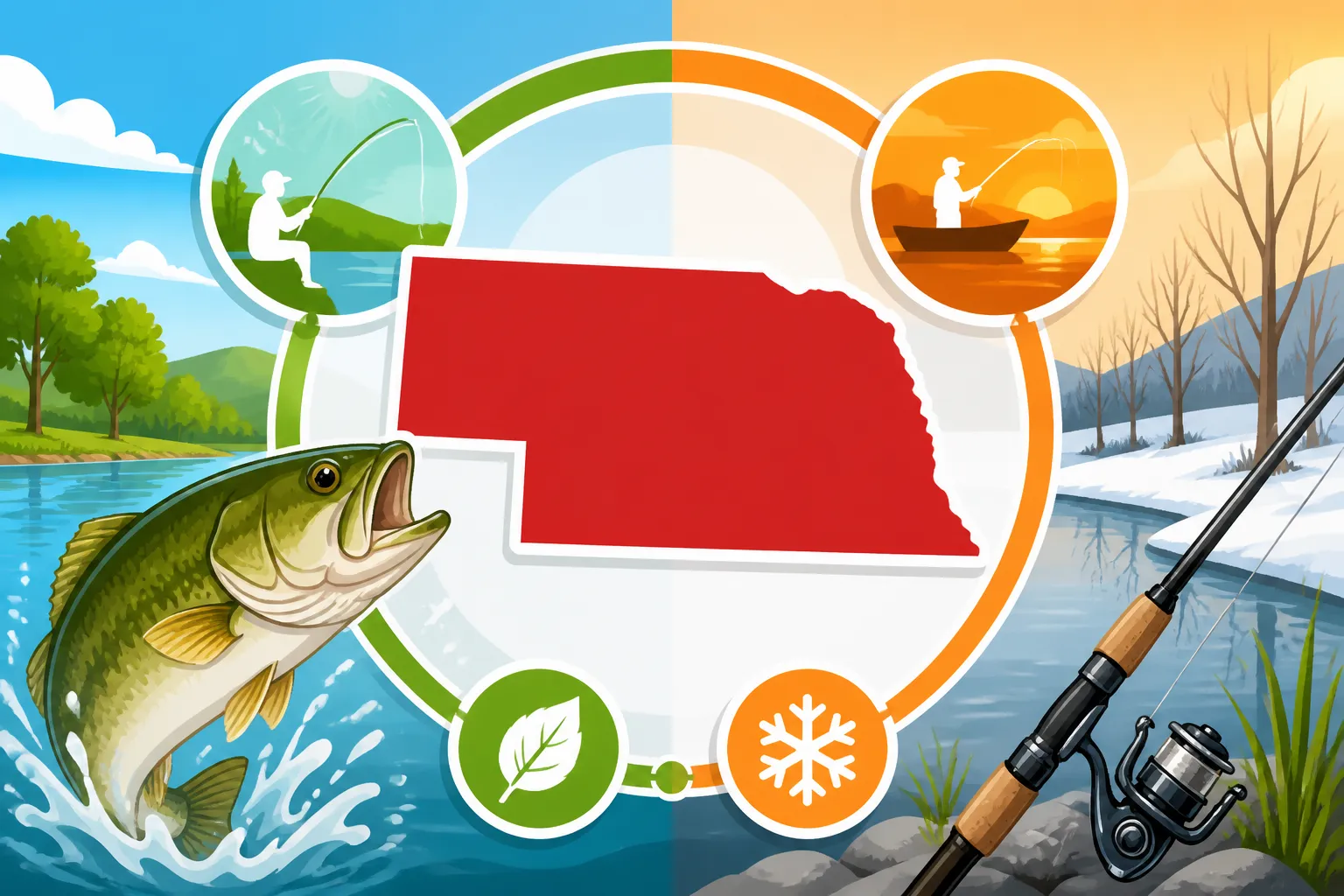
Unlike some states with hard-and-fast "closed" seasons for popular fish, Nebraska often operates on a more nuanced system. For many of our most sought-after species, like walleye, bass, and catfish, the legal fishing season is actually year-round. That's right, 365 days a year, you can technically cast a line for them. However, that doesn't mean conditions are always ideal, or that specific regulations like bag limits and length limits don't apply. It's this distinction between a legal "open season" and the practical realities of when fish are active, and when special rules come into play, that often trips up even seasoned anglers.
Think of it like this: while you can technically drive your car anytime, you probably don't want to be out in a blizzard unless absolutely necessary. Similarly, while you can fish for walleye in Nebraska in the dead of winter without ice, you're going to have a much tougher time finding them compared to the spring or fall. The challenge isn't usually if you can fish, but when you can fish most effectively, and what specific rules govern your target species during that time. Understanding these nuances is key to a successful and legal fishing trip here in the Cornhusker State, and it all starts with delving into the specific dates and regulations.
Key Species and Their Seasonal Rhythms
While many fish are legally available year-round, their activity levels and the best times to target them certainly aren't uniform. Let's break down some of Nebraska's most popular game fish and their typical peak seasons, along with any specific legal constraints you should know.
Walleye: The Spring and Fall Powerhouse
Ah, walleye! The favorite of many a Nebraska angler, known for their delicious fillets and challenging fight. Good news: there is no closed season for walleye in Nebraska. You can pursue these toothy critters any day of the year. However, their activity peaks dramatically during certain times.
- Spring Spawn (March-May): This is often considered prime time. As ice melts and water temperatures rise into the 40s and 50s Fahrenheit, walleye move to shallower, rocky areas or riprap to spawn. This congregates fish, making them more accessible to anglers, especially at popular spots like Lake McConaughy, Harlan County Reservoir, and Sherman Reservoir. Understanding the Nebraska Walleye Spawning Season can give you a significant edge.
- Summer (June-August): Walleye spread out and move to deeper, cooler waters, often suspending over structure or congregating on main lake points and humps. They can be caught, but it often requires more specialized techniques like trolling or deep jigging.
- Fall (September-November): As water temperatures cool again, walleye often go on another feeding binge, packing on weight before winter. This can be another fantastic time to fish, with many fish moving shallower, similar to the spring, though not necessarily for spawning.
- Winter (December-February): If there's safe ice, ice fishing for walleye can be incredibly rewarding, especially during "first ice" and "last ice" periods. Without ice, open-water walleye fishing can be tough but not impossible, often concentrating in deep holes or below dams.
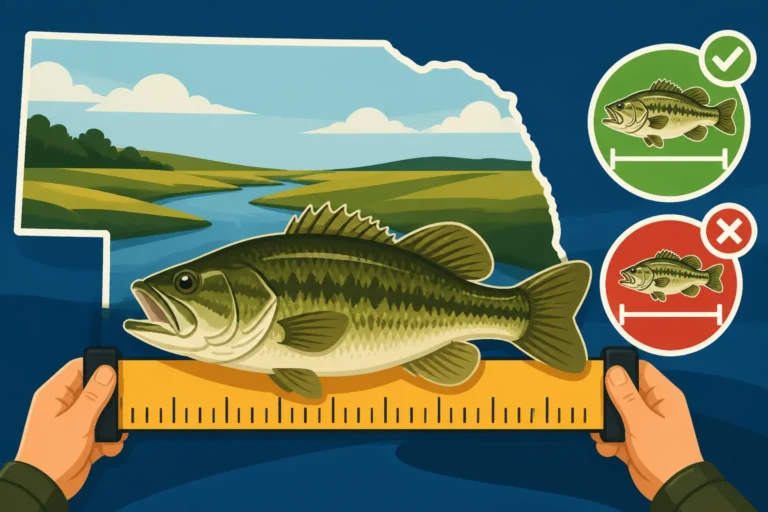
Remember, while the season is open year-round, always check the current Nebraska Fishing Regulations for specific bag and length limits, which can vary by water body. For instance, some lakes might have protected slot limits to promote trophy fish. You can find general guidelines for the Nebraska Walleye Daily Bag Limit in the official regulations.
Trout: Cold Water Opportunities
Trout fishing in Nebraska offers a mix of year-round opportunities and specific seasonal highlights, particularly for stocked fish.
- Stocked Lakes and Urban Ponds: Many lakes, especially in urban areas and some state recreation areas like Lake Ogallala or Wildcat Hills SRA, are stocked with rainbow trout multiple times a year. These fisheries are generally open year-round, providing excellent "put-and-take" opportunities, particularly in colder months when trout thrive. If you're wondering Do Nebraska Lakes Have Rainbow Trout Year-Round?, the answer is often yes, thanks to stocking programs.
- Trout Streams: Nebraska has a limited number of designated trout streams, primarily in the Pine Ridge region (like the popular Fort Robinson State Park area) and some spring-fed creeks. These can have more specific regulations, including special fly-fishing-only sections, catch-and-release rules, or more restrictive harvest seasons. It's crucial to consult the Nebraska Trout Season Dates and specific area rules for these unique waters, as they can differ from general lake regulations. You might also need a Nebraska Trout Stamp Requirements if you're targeting trout, even if the general fishing season is open.
- Year-Round Potential: For dedicated trout anglers, finding cold, oxygenated water is the key. Even in summer, spring-fed creeks or deep areas of lakes that retain cold water can hold trout.
Catfish: The Warm Water Brawlers
Channel catfish, flathead catfish, and occasionally blue catfish in the Missouri River offer exciting fishing, predominantly during the warmer months, though they are legally available year-round.
- Spring (April-June): As waters warm, catfish become very active, feeding heavily before their spawn. This is an excellent time for channel catfish, which are often found in shallower water and river channels.
- Summer (July-August): This is peak catfish season! Flatheads especially are more active in warm water, often found near submerged timber, logjams, and rocky areas in rivers and large reservoirs. Channel cats will be active throughout the water column and in various habitats. For specifics, look into Nebraska Channel Catfish Daily Limit.
- Fall (September-October): Catfish continue to feed actively as waters cool, preparing for winter. The bite can remain strong until temperatures drop significantly.
- Winter (November-March): Catfish activity slows considerably in cold water, and they often congregate in deep holes or channels. While they can be caught, it requires more patience and precise tactics.
Crappie and Panfish: Family Fun All Year
Crappie (both black and white), bluegill, and other sunfish species are generally open year-round, offering fantastic fishing for anglers of all ages and skill levels.
- Spring (April-May): This is arguably the best time for crappie, as they move into shallow water to spawn, often congregating around submerged brush piles, standing timber, and boat docks. The Nebraska Crappie Daily Limit allows for generous harvests, making them a popular target.
- Summer (June-August): Panfish are active throughout summer, but crappie tend to move to deeper brush piles or weed lines to escape the heat and bright sun. Bluegill remain more accessible in shallower areas.
- Fall (September-October): Crappie and panfish will often move back to shallower areas for a feeding frenzy before winter, similar to the spring bite but often less concentrated.
- Winter (December-February): Ice fishing for crappie and bluegill is incredibly popular and productive in Nebraska, especially on lakes like Branched Oak, Pawnee, and Merritt Reservoir.
Bass: Largemouth and Smallmouth Opportunities
Both largemouth and smallmouth bass are open for fishing year-round in Nebraska. Their activity, however, is highly temperature-dependent.
- Spring (April-May): This is an exciting time for bass. As water temperatures rise, they move shallow to spawn. Largemouth bass will be in weedy bays and coves, while smallmouth bass will gravitate towards rocky points and riprap. You can find details on the Nebraska Largemouth Bass Length Limit in the current regulations.
- Summer (June-August): Bass move to deeper cover, seeking cooler water and shade. Early morning and late evening topwater bites can be explosive, but midday fishing often requires probing deeper structure or heavy cover.
- Fall (September-October): Bass become very aggressive as they feed up for winter, often moving back to shallower flats and points. This can offer some fantastic fishing before cold weather really sets in.
- Winter (November-March): Bass become lethargic in cold water, moving to deep main lake points, channels, or standing timber. They can be caught, but it's a slow grind.
Special Seasons and Unique Fishing Opportunities
While many species are open year-round, Nebraska does have some very specific, limited seasons for certain unique angling experiences. These often require special permits and meticulous planning.
Paddlefish Snagging: A Short and Intense Season
Paddlefish are an ancient, filter-feeding species found primarily in the Missouri River and its tributaries. Because they don't bite traditional baits, they are harvested via snagging during a very short, specific season.
- Season Dates: The paddlefish snagging season typically runs for two distinct periods: a short window in May and another, often longer, window in September/October. These dates can shift slightly each year, so checking the official Nebraska Paddlefish Snagging Season Dates is absolutely critical.
- Permit Required: This isn't a "show up and fish" scenario. You must obtain a special paddlefish permit through a lottery system run by the Nebraska Game and Parks Commission. These permits are highly sought after, and specific dates are assigned with your permit.
- Location: Snagging is generally restricted to specific sections of the Missouri River.
This is a truly unique Nebraska fishing experience, but it demands careful attention to dates, regulations, and permit application deadlines.
Ice Fishing: Winter Wonderland Angling
While not a "season" in the traditional sense, ice fishing represents a distinct period of fishing opportunity that typically spans the coldest months.
- Timing: The ice fishing period in Nebraska usually begins in late December or early January, as soon as safe ice forms, and can extend through early March. The exact start and end depend entirely on weather conditions and ice thickness. Lakes in northern Nebraska or smaller, shallower ponds often freeze first.
- Safety First: Ice safety is paramount. Never venture onto ice without checking its thickness, and be aware of changing conditions. Knowing How Thick Ice Needs to Be to Fish Safely in Nebraska is not just good advice, it's a lifesaver.
- Species: Many species are targeted through the ice, including walleye, crappie, bluegill, yellow perch, and northern pike.
- Regulations: All regular bag and length limits for open water fishing still apply during ice fishing. There are also specific Nebraska Ice Fishing Regulations regarding shelters, holes, and unattended lines.
Bullfrogs and Snapping Turtles: Summer Harvest
For those interested in harvesting these aquatic critters, Nebraska has specific seasons:
- Bullfrogs: The season typically runs from June 15 to October 31. They can be taken by hand, hook and line, gig, or bow and arrow.
- Snapping Turtles: The season usually opens July 15 and closes October 31. They can be taken by hand, hook and line, or turtle trap.
Again, always double-check the current regulations for bag limits and any specific requirements for these unique harvests. You might even need a Nebraska Bullfrog and Snapping Turtle Harvest License.
Navigating Regulations and Planning Your Trip
With a mix of year-round opportunities, peak activity windows, and highly specific limited seasons, planning your Nebraska fishing adventures requires a little homework. The good news is that all the information you need is readily available.
The Official Nebraska Fishing Guide
Your absolute best friend for understanding Nebraska fishing seasons and regulations is the annual "Nebraska Fishing Guide." This comprehensive booklet outlines all the rules, bag limits, length limits, and special regulations for every water body and species.
- Where to Find It: You can pick up a physical copy for free at most Nebraska Game and Parks Commission offices, bait shops, sporting goods stores, and even some Walmart locations. It's also available online as a downloadable PDF on the Nebraska Game and Parks website. It's a smart move to always check the most recent version, as rules can change annually. Finding Where to Find the Nebraska Fishing Regulations Booklet should be your first step.
- Why It's Essential: It clearly lists general statewide regulations and then details specific exceptions for individual lakes or rivers. For example, while the statewide walleye limit might be four, Lake McConaughy might have a special slot limit or daily bag.
GoOutdoorsNE: Your Online Hub
The Nebraska Game and Parks Commission's online portal, GoOutdoorsNE, is another invaluable resource. This is where you can purchase your fishing permits, apply for special permits like paddlefish, and often find links to the latest regulation guides. Many anglers find the digital proof of purchase sufficient for license checks. Learning How to Set Up a GoOutdoorsNE Account is a great way to streamline your permit process.
The Impact of Border Waters
If you plan to fish border waters, such as the Missouri River or Lewis and Clark Lake, pay extra close attention to regulations. These waters sometimes have reciprocal agreements with neighboring states (Iowa, Missouri, South Dakota, Kansas). This means a Nebraska fishing license might be valid in certain areas for certain species, or you might need a license from the bordering state. The rules are specific and complex, so always consult the relevant section of the Nebraska Fishing Guide or research Missouri River Border Water Fishing License Rules before you cast a line. For Lewis and Clark Lake, in particular, there are Lewis and Clark Lake License Reciprocity With South Dakota agreements that define where each state's license is valid.
Weather and Water Conditions Matter
Even if a season is legally open, Mother Nature often dictates when fishing is practical and productive. Extremely cold temperatures, heavy winds, or rapidly rising/falling water levels (especially in rivers) can make fishing difficult or unsafe. Always check local weather forecasts and water conditions before heading out. A good rule of thumb is that if it's uncomfortable for you, it's probably affecting the fish, too.
For the serious angler, keeping useful gear handy makes a huge difference. Many tackle boxes come equipped with small, waterproof pouches perfect for storing a laminated copy of the current regulations or even a printed map of your chosen fishing spot with specific rules highlighted. You can find these kinds of organizers on Amazon, making it easier to stay organized and informed on the water. A robust pair of fishing pliers, also readily available on Amazon, can be a lifesaver for quickly unhooking fish and minimizing stress on them, especially during peak season when you're catching a lot.
| Fish Species | General Season in Nebraska | Peak Activity Windows | Key Regulations to Check |
|---|---|---|---|
| Walleye | Year-round | March-May (Spawn), Sept-Nov (Fall Feed) | Bag & Length Limits (Lake-specific) |
| Channel Catfish | Year-round | April-August (Warm Water Feeding) | Daily Bag Limit |
| Crappie | Year-round | April-May (Spawn), Sept-Oct (Fall Feed), Ice Fishing | Daily Bag Limit |
| Largemouth Bass | Year-round | April-June (Spawn), Sept-Oct (Fall Feed) | Length Limits (Some lakes), Daily Bag Limit |
| Smallmouth Bass | Year-round | April-June (Spawn), Sept-Oct (Fall Feed) | Length Limits (Some rivers/lakes), Daily Bag |
| Rainbow Trout | Year-round (Stocked Waters) | Cooler Months (Spring, Fall, Winter Ice Fishing) | Daily Bag Limit, Trout Stamp (if required) |
| Paddlefish | Restricted (Lottery Permit) | Short windows in May and Sept-Oct (Missouri River) | Special Permit, Daily Bag, Length Limit |
| Bullfrogs | June 15 – Oct 31 | Summer nights | Daily Bag Limit |
| Snapping Turtles | July 15 – Oct 31 | Summer and early Fall | Daily Bag Limit |
Note: This table provides general information. Always consult the current Nebraska Fishing Guide for the most accurate and up-to-date regulations before fishing.
Disclaimer
Fishing regulations, season dates, and license requirements are subject to change. While every effort has been made to provide accurate and up-to-date information in this guide, it is ultimately the angler's responsibility to verify all current rules and regulations with the Nebraska Game and Parks Commission before engaging in any fishing activities. This guide is for informational purposes only and should not be considered legal advice.