How to Clean and Fillet a Channel Catfish
Channel catfish cleaning and filleting techniques help anglers transform fresh Nebraska catches into delicious, ready-to-cook meals.
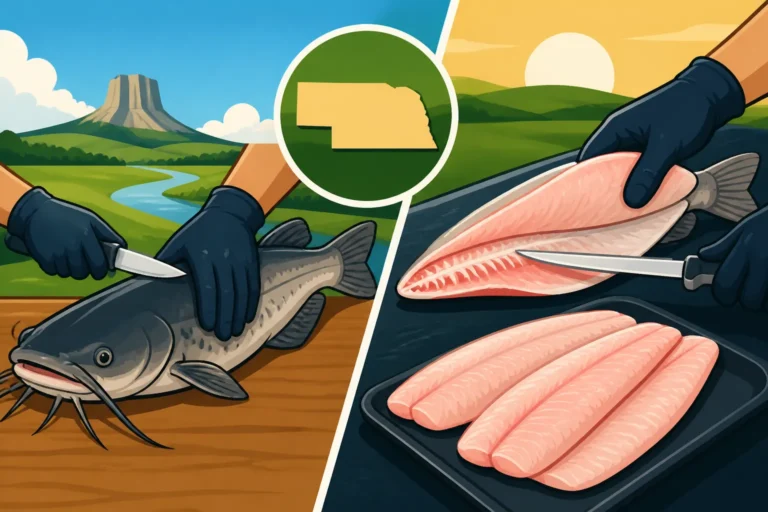
Channel catfish cleaning and filleting techniques help anglers transform fresh Nebraska catches into delicious, ready-to-cook meals.
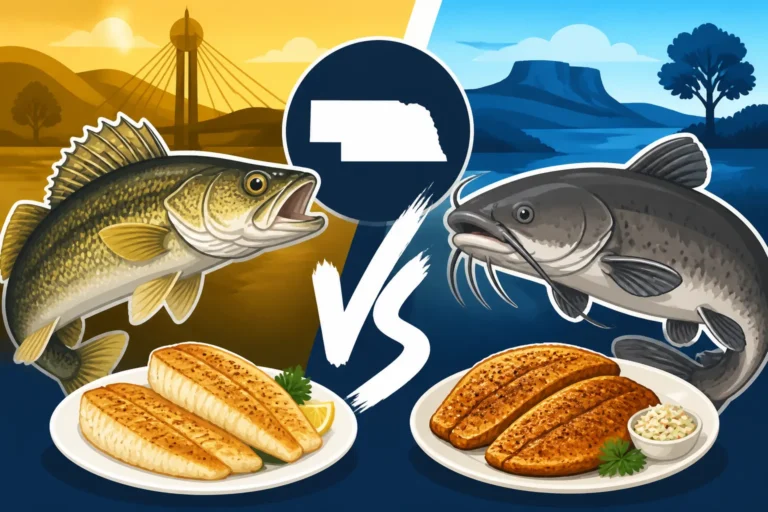
Flavor profiles, textures, water temperatures, and handling steps help anglers choose whether Nebraska walleye or catfish tastes better.
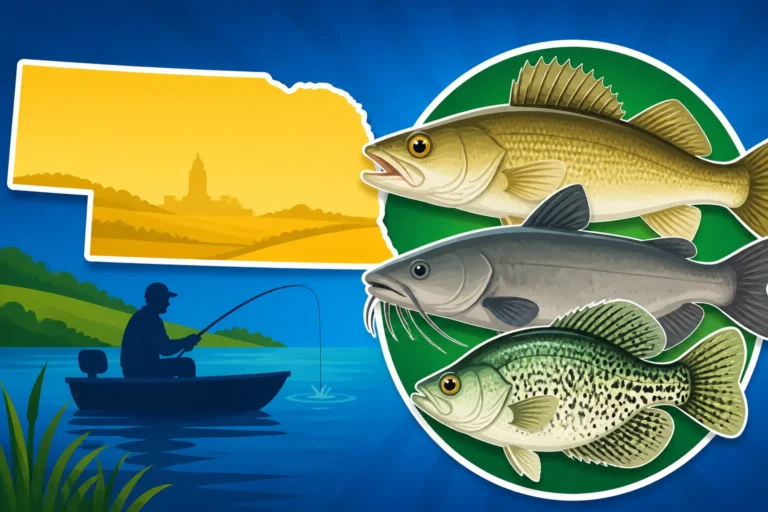
Walleye and channel catfish species in Nebraska feature simple skeletal structures and minimal pin bones for easier meals.
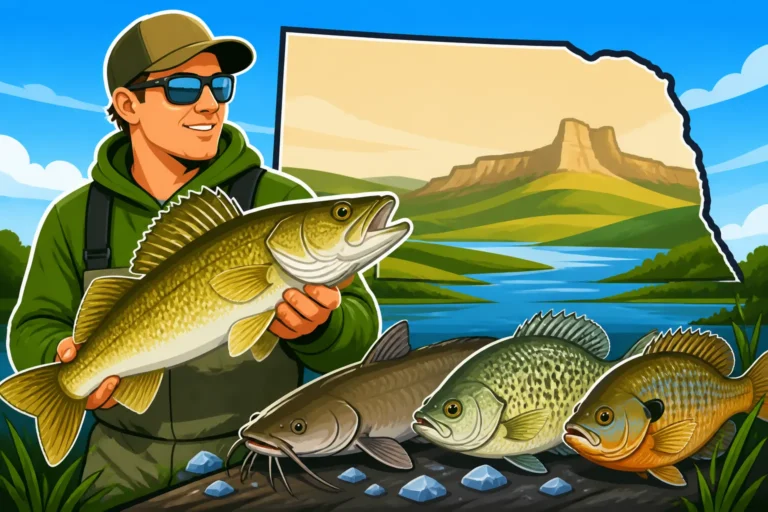
Nebraska waters hold top eating fish species featuring firm, flaky meat and mild flavor for your next family dinner at Lake McConaughy.
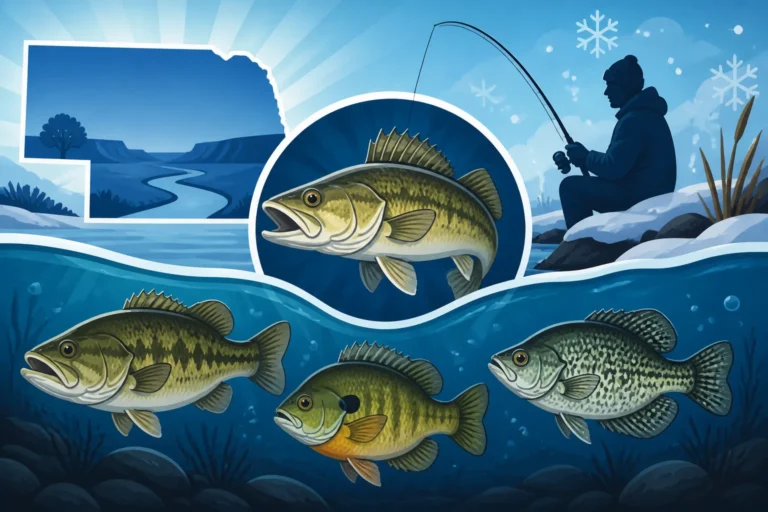
Nebraska cold water fish species like walleye remain active during winter, offering anglers fantastic opportunities for trophy catches.
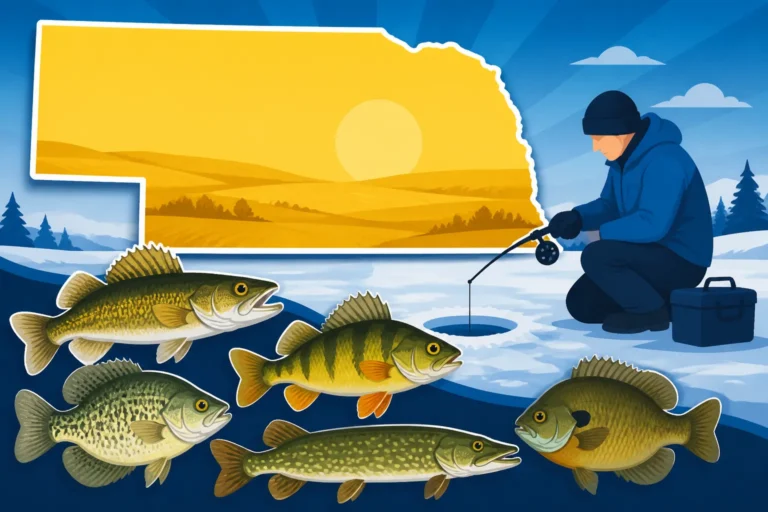
Nebraska ice fishing targets include black crappie, white crappie, bluegill, and yellow perch caught using small jigs in lakes.
Smallmouth bass populations in Nebraska are introduced species established through historical stocking efforts by agencies and individuals.
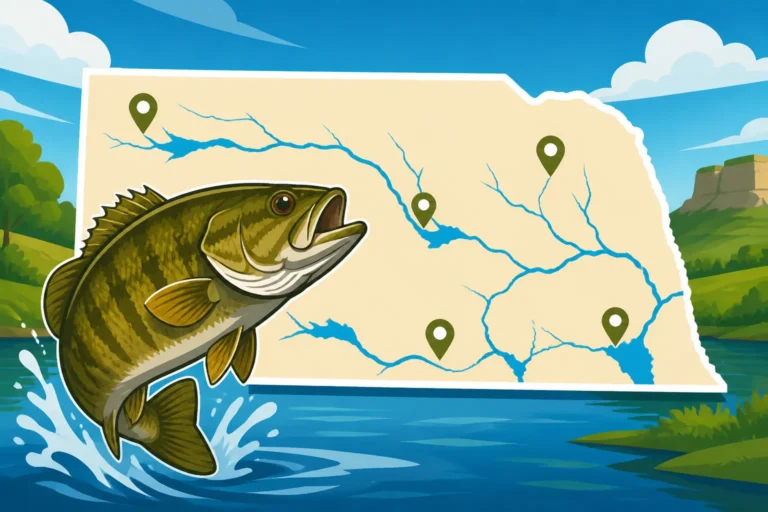
Smallmouth bass habitat in Nebraska rivers and reservoirs includes rocky structures, clear water, and moderate currents.
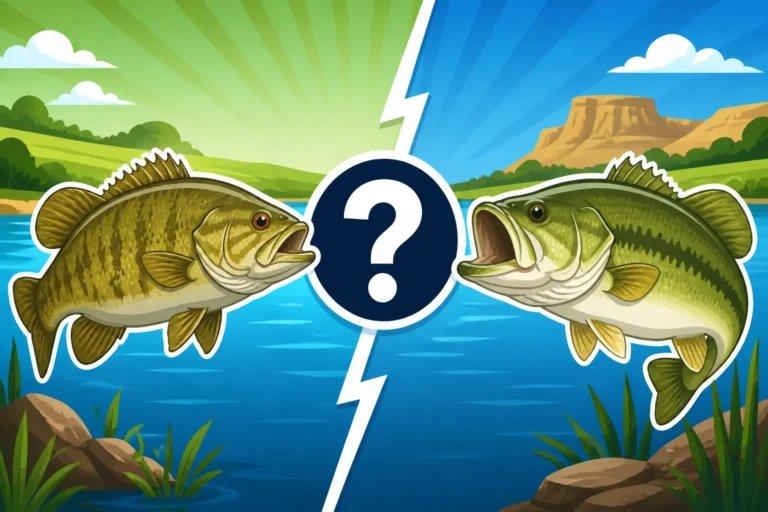
Nebraska waters hold largemouth bass in farm ponds and reservoirs like Branched Oak Lake, alongside rarer smallmouth bass.
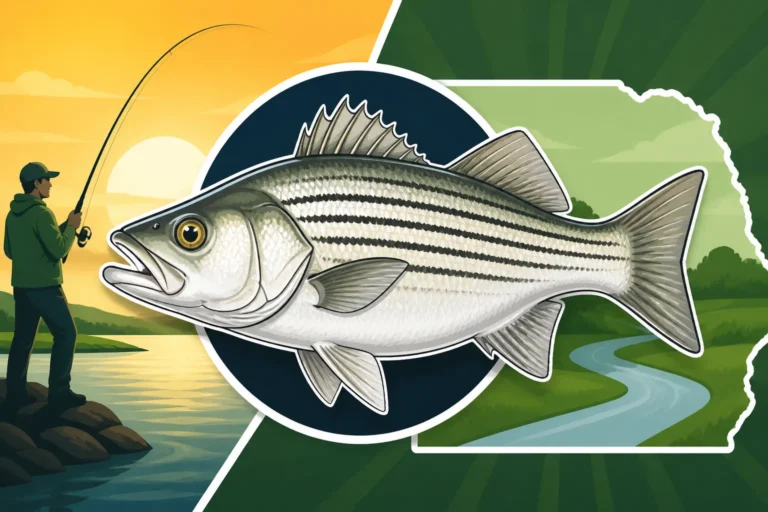
Hybrid striped bass are crossbred game fish created by combining striped bass and white bass traits for Nebraska reservoirs.