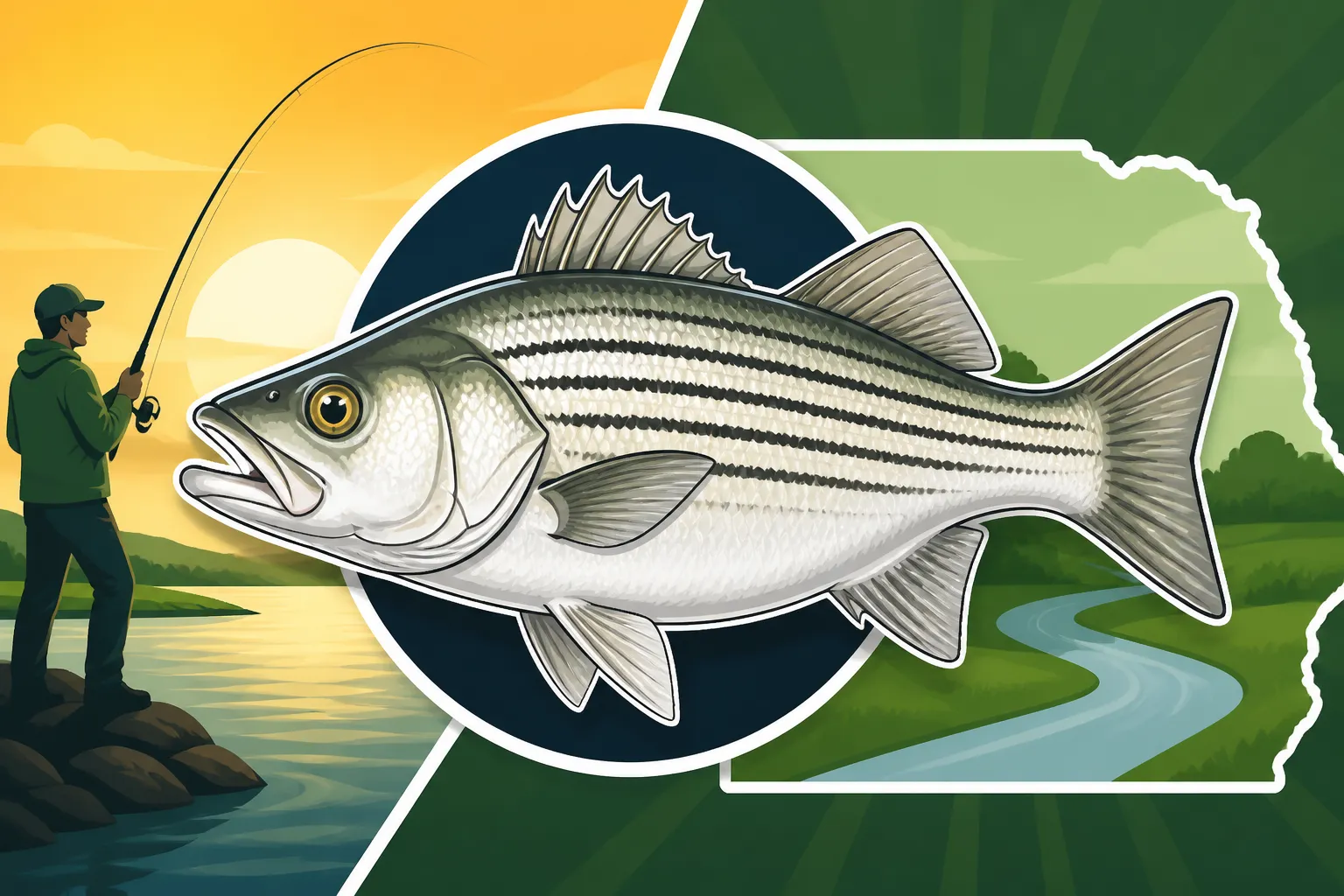
What a Hybrid Striped Bass Is
It's a familiar scenario for many Nebraska anglers: you reel in a fish that looks like a striped bass, but something feels a little off. Is it a white bass, a true striped bass, or something else entirely? This can be especially confusing when you're trying to identify your catch quickly on the water. This guide is here to unravel the mystery of the hybrid striped bass, explaining exactly what these remarkable fish are, why they're so popular in Nebraska, and how to tell them apart from their purebred relatives.
Understanding the Hybrid Striper's Origins
The hybrid striped bass, often simply called a "wiper" by anglers, isn't a naturally occurring species. It's a marvel of fisheries management, created through careful cross-breeding to combine the best traits of two distinct parent fish. Understanding their lineage helps appreciate why they're such a prized game fish in many states, including our own Nebraska.
The Purebred Parents: Striped Bass and White Bass
To truly grasp what a hybrid striped bass is, we first need to look at its parents. On one side, we have the magnificent purebred striped bass (Morone saxatilis). These are ocean-dwelling fish known for their incredible size, powerful fights, and migratory habits. They can grow to truly enormous proportions, often exceeding 50 pounds, and are iconic game fish along the Atlantic coast. They possess distinct, unbroken horizontal stripes running the length of their silvery bodies. While pure striped bass can survive and grow large in landlocked freshwater environments, they rarely reproduce successfully in these conditions.
Then we have the white bass (Morone chrysops), a much smaller, native freshwater fish common throughout the Midwest, including many of Nebraska's rivers and reservoirs. White bass are schooling fish, aggressive eaters, and provide fantastic action, especially during their spring spawning runs. They typically weigh a pound or two, with a maximum size usually around four to five pounds. Their stripes are generally fainter and often broken or irregular, particularly below the lateral line. Both species are part of the temperate bass family, sharing a similar torpedo-shaped body and powerful tail, making them excellent fighters.
The Creation of a Hybrid: A Match Made for Anglers
The hybrid striped bass is literally the best of both worlds, a cross between a female striped bass and a male white bass. This cross-breeding results in an F1 hybrid, meaning it's the first generation offspring of two distinct species. The primary motivation behind creating these hybrids was to develop a fish that combined the fighting prowess and larger size potential of the striped bass with the hardiness, adaptability, and faster growth rate of the white bass, especially for stocking in landlocked reservoirs.
What makes these fish so unique is their genetic makeup. They inherit a blend of traits, making them incredibly robust and well-suited to the varied conditions found in Nebraska's larger reservoirs. While they are often sterile and cannot reproduce themselves, which means stocking programs are essential to maintain their populations, this also provides fisheries managers with excellent control over fish populations without concerns about overpopulation or genetic dilution of native species. The result is a fast-growing, aggressive, and hard-fighting fish that provides an exhilarating angling experience, a true testament to targeted fisheries science.
Key Characteristics and Identification
One of the biggest challenges for Nebraska anglers, especially those new to fishing our reservoirs, is correctly identifying their catch. Knowing the difference between a white bass, a striped bass, and a hybrid striped bass is crucial not only for bragging rights but also for adhering to specific length and bag limits that might apply to each species. While they share a family resemblance, there are distinct visual cues that can help you tell them apart. It's important to develop an eye for these details when you're out on the water.
How to Tell a Hybrid from its Parents
Distinguishing a hybrid striped bass from its parent species boils down to examining a few key physical traits, primarily the stripe pattern and body shape. It's not always an exact science, as individual fish can vary, but these guidelines are generally reliable.
- Stripes: This is the most crucial identifying feature.
- Pure Striped Bass: Will have very distinct, dark, unbroken horizontal stripes running consistently from head to tail. All lines will be complete.
- White Bass: Will have fainter, often broken stripes, especially those below the lateral line. Sometimes, only one or two upper stripes will be complete. Their body also tends to be deeper and more compressed side-to-side compared to the more torpedo-shaped striped bass.
- Hybrid Striped Bass (Wiper): This is where they show their "hybrid" nature. They will have 4-8 distinct, dark stripes like a striped bass, but at least one or more of these stripes (especially those below the lateral line) will be noticeably broken or interrupted. These broken stripes often appear "jagged" or "offset." This characteristic is usually consistent across most of the fish you'll catch.
- Body Shape: While all are sleek, there are subtle differences.
- Pure Striped Bass: Very streamlined, torpedo-shaped, built for speed and long migrations.
- White Bass: Tends to have a deeper body profile for its length, appearing more "football" shaped, especially smaller ones.
- Hybrid Striped Bass: Generally more streamlined than a white bass but not quite as elongated as a pure striped bass. They have a more robust, powerful build.
- Tooth Patches: This is a more advanced identification method and requires opening the fish's mouth.
- Pure Striped Bass: Possess two distinct, separate patches of teeth on their tongue.
- White Bass: Have a single patch of teeth on their tongue.
- Hybrid Striped Bass: Will typically have two distinct patches of teeth, but they may be closer together, sometimes almost touching, or irregular in shape. This feature solidifies their genetic blend.
Here's a quick comparison table to help you out in the field:
| Feature | White Bass | Hybrid Striped Bass (Wiper) | Pure Striped Bass |
|---|---|---|---|
| Stripes | Faint, often broken or interrupted below lateral line. | Distinct, 4-8, with at least one or more broken or interrupted below lateral line. | Distinct, dark, all unbroken and continuous. |
| Body Shape | Deeper, more compressed; "football" like. | Robust, powerful; intermediate between parents. | Sleek, elongated, torpedo-shaped. |
| Tooth Patches (on tongue) | One single patch. | Two distinct patches, sometimes close or irregular. | Two distinct, separate patches. |
| Max Size (Typical) | 1-5 lbs | 5-15 lbs (often larger) | Can exceed 50 lbs (in appropriate habitat) |
Remember, when in doubt, it's always best to err on the side of caution and adhere to the most restrictive regulations or release the fish if you're truly unsure. Knowing Nebraska Fishing Regulations Explained is always a good idea before heading out.
Size and Growth Potential in Nebraska Waters
One of the most exciting aspects of hybrid striped bass for Nebraska anglers is their impressive growth potential and the incredible fight they offer. While a white bass might top out at a few pounds, and pure striped bass require specific large, deep-water habitats to thrive, wipers truly hit their stride in our large reservoirs.
Hybrid stripers are known for their incredibly fast growth rates, often reaching catchable sizes of 3-5 pounds within just a couple of years of stocking. They routinely exceed 5 pounds and are often caught in the 8-15 pound range in Nebraska. There's always the chance of hooking into a true monster, with trophy-sized fish pushing or even exceeding 20 pounds not uncommon in some of our larger systems. This rapid growth and substantial size make them a prime target for anglers seeking a powerful, hard-fighting fish that puts serious strain on your gear. Their aggressive nature means they're willing to chase down a variety of baits and lures, leading to some truly memorable battles. For those looking to upgrade their gear for these bigger fighters, checking out reviews for heavy-duty spinning or baitcasting setups on a site like Amazon can be really helpful.
Why Hybrid Stripers Thrive in Nebraska Reservoirs
Nebraska's diverse aquatic environments, particularly its larger reservoirs, provide an almost perfect setting for hybrid striped bass to flourish. Their presence isn't accidental; it's the result of strategic stocking programs and the inherent adaptability of these fascinating fish.
Stocking Programs and Management Efforts
Since hybrid striped bass are largely sterile, their populations in Nebraska's waters are maintained through active and consistent stocking programs by the state's wildlife agencies. These programs are carefully planned to ensure a healthy population for anglers while managing the overall ecosystem. Fingerlings (young fish) are raised in hatcheries and then released into specific reservoirs known to have the ideal conditions for their survival and growth.
The decision to stock hybrid stripers often comes down to several factors:
- Filling a Niche: They can utilize open-water areas that might not be fully exploited by other game fish, targeting baitfish like gizzard shad.
- Angler Demand: Their popularity for their fighting ability and size makes them a highly desirable species for recreational fishing.
- Ecosystem Balance: By consuming abundant baitfish, they can help manage prey populations, contributing to a healthier overall fish community.
These stocking efforts are a critical component of Nebraska's fisheries management strategy, ensuring that anglers continue to have opportunities to target these prized fish year after year. Without these proactive measures, a significant portion of our hybrid striper fishing opportunities simply wouldn't exist. This careful management ensures sustainable fishing for everyone. You can learn more about these efforts and the species they stock by researching Why Wipers Are Stocked Instead of Pure Striped Bass.
Ideal Habitat and Forage for Hybrids
Hybrid striped bass are pelagic predators, meaning they prefer open water environments rather than sticking close to dense cover or bottom structure all the time. This makes Nebraska's large, deep reservoirs with expansive open water and abundant baitfish populations their prime real estate. Lakes like Lake McConaughy, Branched Oak Lake, and Merritt Reservoir are prime examples where these conditions are met, allowing wipers to grow to impressive sizes.
Their diet consists primarily of smaller fish, especially gizzard shad, which are often plentiful in these reservoirs. Wipers are highly efficient hunters, using their schooling behavior to corral and ambush baitfish. They are constantly on the move, chasing schools of shad throughout the water column. This nomadic lifestyle, coupled with their aggressive feeding habits, is what makes them such a fantastic and challenging target for anglers. They don't just sit there waiting; they actively hunt. Understanding this behavior is key to successful How to Catch Striped Bass at Lake McConaughy or other prime wiper locations.
Fishing for Hybrid Striped Bass in Nebraska
Fishing for hybrid striped bass in Nebraska is an exhilarating experience that demands a blend of technique, patience, and the right gear. These powerful fish offer a fight that will test your tackle and your resolve, making them a favorite target for many local anglers.
Best Techniques and Baits
Targeting hybrid stripers often means adapting to their nomadic, open-water habits. They are constantly on the move, chasing baitfish, so successful techniques often involve covering a lot of water or intercepting their feeding frenzies.
- Trolling: One of the most effective ways to locate and catch wipers, especially in large reservoirs, is trolling. Using deep-diving crankbaits or lipless crankbaits, often in combination with planer boards, allows you to cover vast stretches of water at varying depths. Experiment with speeds and lure colors until you find what triggers a strike. Many anglers find specific colors work better on cloudy days versus sunny days, or in different water clarities. If you're new to trolling, there are plenty of rod holders and specialized tackle available on Amazon that can make the process much smoother.
- Casting into Schools: Keep an eye out for surface activity! If you see birds diving or fish breaking the surface, it's often a sign of a feeding frenzy with hybrid stripers pushing baitfish to the top. Quickly cast spoons, topwater lures, or bucktail jigs into the commotion. This is some of the most exciting fishing you can experience.
- Jigging and Vertical Presentation: When fish are suspended deeper, especially around underwater humps, points, or river channels, vertical jigging with heavy spoons or soft plastic swimbaits can be deadly. Using a good fish finder is invaluable for locating these suspended schools.
- Live Bait: Gizzard shad or large shiners are irresistible to wipers. Rig them on a Carolina rig or under a slip bobber in areas where you've marked fish or know they frequent. This can be particularly effective during slower periods when they're less actively chasing lures. Finding good quality terminal tackle, like hooks and weights, is easy on sites like Amazon, ensuring your live bait presentation is always top-notch.
- Best Baits and Lures: For lures, anything that imitates a shad is generally a good bet. Silver, white, chrome, and blue patterns are often productive. Lipless crankbaits, topwater walking baits and poppers, jigging spoons, and large soft plastic swimbaits rigged on heavy jig heads are all excellent choices. For live bait, local bait shops are usually your best bet for fresh shad or large minnows.
Learning more about Best Lures for the White Bass Run in Nebraska can also give you some great ideas, as many techniques overlap for these aggressive feeders.
Top Nebraska Waters for Hybrids
Nebraska boasts several fantastic locations where hybrid striped bass fishing truly shines. These reservoirs consistently produce large numbers of wipers, offering some of the best angling opportunities in the state.
- Lake McConaughy: Often referred to as "Big Mac," this massive reservoir in western Nebraska is arguably the state's premier wiper fishery. Its vast open waters and abundant gizzard shad population provide the perfect habitat for hybrid stripers to grow to enormous sizes. Anglers here regularly catch fish in the double-digits, and trophy potential is always high. Lake McConaughy Fishing Guide offers even more specific information.
- Branched Oak Lake: Located near Lincoln, Branched Oak is a popular spot for hybrid stripers. While perhaps not reaching the sheer size of McConaughy's monsters, it offers consistent action and a great opportunity for anglers in eastern Nebraska. It's a fantastic lake for both boat and shore anglers to target wipers, especially during active feeding periods.
- Merritt Reservoir: Nestled in the Sandhills, Merritt Reservoir provides a unique and beautiful backdrop for hybrid striper fishing. It's known for producing quality wipers alongside its other diverse fish populations, including some truly impressive muskies. While it may require a bit more travel, the remote beauty and excellent fishing can make it a worthwhile trip. Merritt Reservoir Fishing Guide is a great resource.
- Sutherland Reservoir & Maloney Reservoir: These two reservoirs, part of the Platte River Power District chain near North Platte, also hold healthy populations of hybrid striped bass. Their warm water discharges can attract baitfish and wipers, especially during cooler months, offering unique fishing opportunities.
When planning a trip to any of these locations, always check the current fishing reports and local regulations. Conditions can change, and being prepared with the latest information will greatly increase your chances of success. Understanding these prime locations is key to successful Striped Bass and Wiper Fishing in Nebraska.
Disclaimer
This article is for general informational purposes only and does not constitute professional advice. Laws, prices and regulations vary by location and change over time. Consult a qualified professional for guidance on your specific situation.