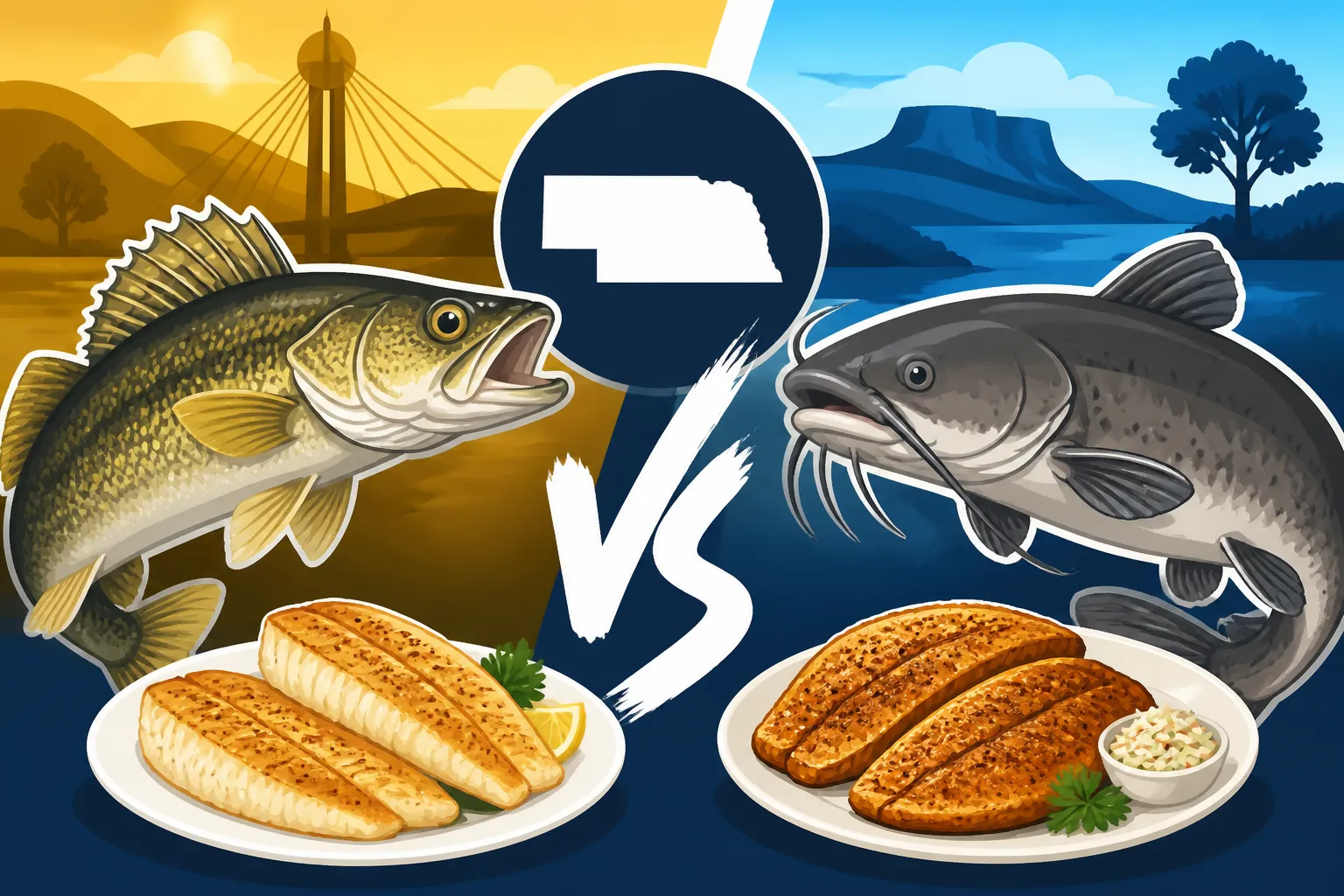
Is Walleye or Catfish Better Tasting?
Deciding what to keep for the frying pan or grill after a fantastic day of fishing on Nebraska's lakes and rivers is a delightful problem to have, but it can also be a real head-scratcher when you're weighing the merits of two beloved fish: walleye and catfish. Many anglers wonder which one will truly deliver the best culinary experience, often leading to lively debates on the dock or around the campfire. This comprehensive guide aims to settle that delicious dispute by diving deep into the flavor profiles, textures, and factors that influence the taste of both walleye and catfish, helping you make an informed choice for your next meal.
The Flavor Profile of Nebraska Walleye
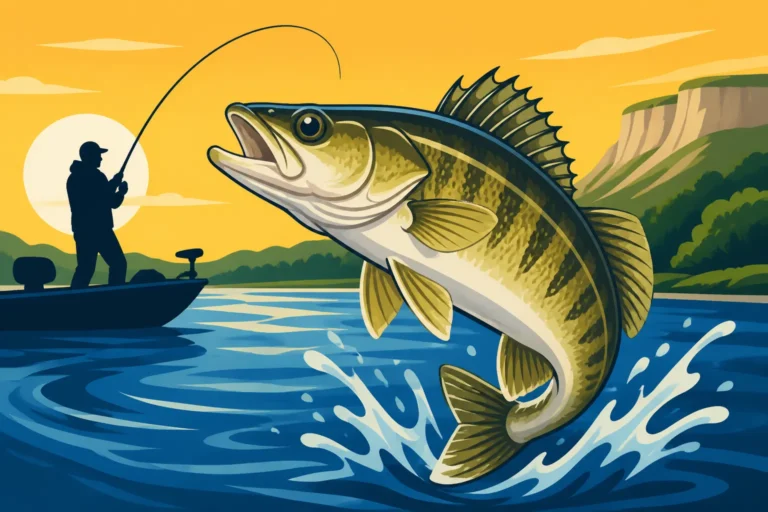
Ah, the walleye. For many anglers, it's the undisputed king of the table, especially here in Nebraska. There's a reason why so many folks spend countless hours chasing these elusive fish across big reservoirs like Lake McConaughy or Merritt Reservoir. It’s not just the challenge of the catch, but the promise of that exquisitely delicate, flaky, and mild white meat that makes all the effort worthwhile.
What Makes Walleye Taste So Good?
When we talk about walleye, we're talking about a fish that consistently delivers a clean, almost sweet flavor. The meat is firm, yet incredibly tender, flaking apart beautifully with very little effort. It's truly a delight. This superb taste comes down to a few key factors. First, walleye are primarily predators, feeding on smaller baitfish, which contributes to their lean, mild flesh. They don't typically root around in muddy bottoms like some other species, which means their diet tends to be very "clean."
Secondly, the waters they inhabit often play a significant role. Nebraska's walleye thrive in clear, cool, oxygen-rich waters found in many of our larger lakes and reservoirs. This environment helps keep their flesh firm and free from any "off" flavors that can sometimes be associated with fish from warmer, murkier habitats. Many anglers consider Walleye Fishing in Nebraska to be some of the best precisely because of the quality of the fish here. There's just something about pulling a fresh walleye from a pristine Nebraska lake that screams "delicious dinner."
Factors Affecting Walleye Flavor
While walleye generally have a fantastic flavor, several elements can influence how good that fish tastes when it hits your plate. Knowing these can help you maximize your culinary success.
- Diet: As mentioned, what a walleye eats is paramount. Fish that feed predominantly on small baitfish like shad or minnows will tend to have a milder, sweeter flavor. If a walleye has been feeding on aquatic insects or anything that gives it a slightly different internal makeup, it might subtly shift the taste. Understanding What Walleye Eat in Nebraska Lakes can really give you an edge in both catching them and appreciating their flavor.
- Water Temperature: Cooler water generally means firmer, better-tasting fish. Walleye from frigid winter waters or deep, cold thermoclines in summer often have the best texture and taste. As water temperatures rise in shallower areas, fish can sometimes develop a slightly softer texture, though their flavor usually remains good.
- Size: There's a common belief that medium-sized walleye (often in the 15-20 inch range) offer the best eating experience. Larger, older walleye can sometimes develop a slightly coarser texture or a stronger flavor. However, a big walleye from clean water is still a trophy meal in most anglers' books.
- Handling: This is critical! How you handle a walleye from the moment it's caught until it's cooked directly impacts its flavor. Getting the fish on ice quickly, bleeding it if you choose, and cleaning it promptly and correctly are all vital steps. A walleye that has been allowed to warm up or has been poorly cleaned can develop a "fishy" taste that diminishes its natural appeal. Learning How to Clean and Fillet a Walleye properly is perhaps the most important step for preserving that famous walleye flavor.
The Distinct Taste of Nebraska Catfish
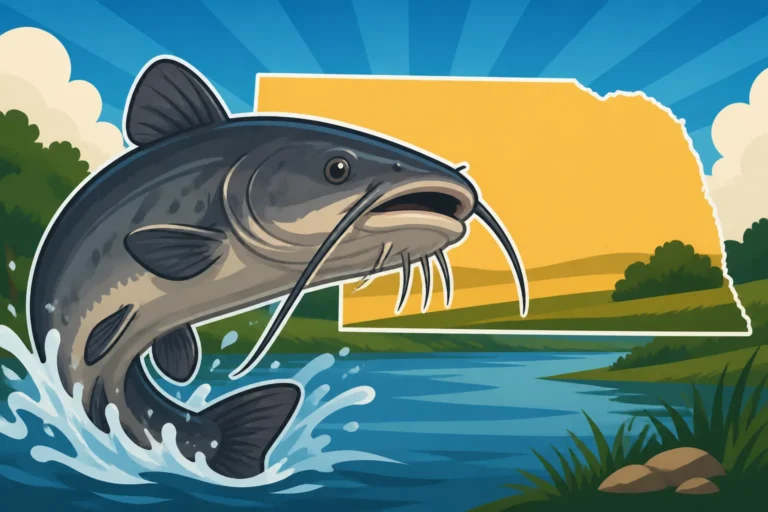
Now, let's talk about the humble, yet incredibly popular, catfish. For many, catfish isn't just a fish; it's a culinary tradition, a staple of backyard fish fries and summer evenings. Nebraska has incredible catfish fishing, from the mighty Missouri River to countless farm ponds and smaller rivers like the Platte. Catfish offer a completely different, yet equally appealing, flavor profile compared to walleye.
Understanding Catfish Flavor
Catfish meat is known for its firm, somewhat dense texture and a flavor that can range from mild and sweet to rich and, at times, slightly "earthy." It’s generally a bit fattier than walleye, which gives it a satisfying succulence, especially when fried. Unlike walleye's delicate flakiness, catfish meat holds together well, making it perfect for breading and deep-frying, a method beloved across the state.
Here in Nebraska, channel catfish are the most common and widely targeted species, and they are fantastic eating. Flathead catfish, found in our larger rivers, offer a much firmer, denser, and very mild, almost crab-like flavor. The key takeaway is that catfish isn't just one flavor; it varies, often delightfully so. Channel Catfish Fishing in Nebraska is incredibly popular for a reason – these fish are abundant, fun to catch, and truly delicious.
Influences on Catfish Taste
Just like walleye, the taste of catfish can be significantly influenced by its environment and how it's treated after the catch.
- Species: As mentioned, channel catfish tend to be milder and slightly sweeter than the larger flathead catfish, which have a firmer, almost steak-like texture and a very clean, mild taste, especially from clear waters. Blue catfish, though less common in Nebraska, are also highly prized for their clean taste.
- Diet and Habitat: This is probably the biggest factor for catfish. Catfish are omnivores and scavengers; they'll eat just about anything. A catfish from a clear, flowing river with a consistent diet of natural forage and baitfish will almost always taste cleaner and sweeter than one pulled from a stagnant, muddy pond where it might be feeding on less appetizing fare. While What Channel Catfish Eat can be varied, those from cleaner environments with access to good forage consistently taste better.
- Water Quality: Similar to walleye, water quality is crucial. Fish from clean, well-oxygenated waters will almost always have a superior taste. In Nebraska, many of our river systems and sandpit lakes provide excellent habitats for clean-tasting catfish.
- Size: Younger, smaller to medium-sized catfish (say, 1-5 pounds for channels) are generally considered the best eating. Larger, older fish, especially huge trophy flatheads (think How Big Channel Catfish Get in Nebraska), can sometimes have a stronger flavor or a tougher, more sinewy texture, though many still find them excellent eating when properly prepared.
- Handling and Cleaning: This cannot be stressed enough for catfish. Their skin can hold strong flavors, and the dark red meat along the lateral line can also contribute to a "muddy" taste if not removed. Prompt bleeding, icing, and thorough cleaning, including skinning and removing all red meat, are essential for bringing out the best in a catfish. Properly learning How to Clean and Fillet a Channel Catfish is non-negotiable for a delicious meal.
Walleye vs. Catfish: A Head-to-Head Comparison
So, how do these two culinary contenders stack up when put side-by-side? It really comes down to what you're looking for in your meal. Both are fantastic, but they offer distinct experiences.
Texture and Flakiness
The textural differences are perhaps the most noticeable contrast between walleye and catfish.
- Walleye: Imagine tender, translucent flakes that separate easily with a fork. Walleye offers a delicate, almost ethereal texture that melts in your mouth. It's lean, firm, and moist without being oily. This lean quality means it needs a bit more care in cooking to avoid drying out, but when done right, it's pure perfection.
- Catfish: Catfish, on the other hand, boasts a much firmer, denser, and more substantial texture. It holds together well, even after cooking, making it satisfyingly "meaty." There's a slight chewiness to it that some absolutely adore, particularly when it's encased in a crispy breading. It's often described as having a good "bite" to it, which means it stands up well to bolder cooking methods.
Cooking Methods and Versatility
The best way to cook each fish often highlights its inherent qualities.
- Walleye: Given its delicate nature, walleye shines in preparations that allow its mild flavor to come through. Pan-frying with a light dusting of flour or cornmeal, baking with herbs and lemon, or gently broiling are popular choices. It's also excellent grilled, provided you use a fish basket or foil to prevent it from flaking apart. Because it's so mild, it pairs beautifully with subtle sauces or just a squeeze of citrus.
- Catfish: The firm flesh and often richer flavor of catfish make it incredibly versatile. Deep-frying is, of course, a classic, with a crispy cornmeal crust contrasting beautifully with the moist, tender meat. But don't stop there! Catfish also stands up well to grilling, baking, broiling, and even stewing. It can handle bolder seasonings and marinades without being overpowered, making it a great choice for blackened dishes or spicy preparations.
Here's a quick comparison table to summarize the key differences:
| Feature | Walleye | Catfish |
|---|---|---|
| Flavor | Mild, delicate, clean, slightly sweet | Mild to rich, sometimes earthy, savory |
| Texture | Firm, flaky, tender, lean | Firm, dense, meaty, succulent, often slightly fatty |
| Color of Meat | Pearly white | White to off-white, sometimes pinkish |
| Common Prep | Lightly pan-fried, baked, broiled, grilled | Deep-fried, grilled, baked, blackened, stewed |
| "Fishiness" | Very low, especially when fresh and clean | Can be low; dependent on habitat and cleaning |
| Bones | Relatively easy to fillet bone-free | Often larger bones, easy to pick out |
Ultimately, both fish are considered among the Best Eating Fish From Nebraska Waters. The choice often boils down to whether you prefer a truly delicate, mild experience or a more robust, substantial, and versatile one. For those who prioritize a near boneless eating experience, walleye often has the advantage, as it's easier to achieve a completely Which Nebraska Fish Have the Fewest Bones fillet.
Making Your Choice and Maximizing Flavor
After exploring the nuances of both walleye and catfish, you might still be wondering which one is "better." The honest answer is: it depends entirely on your personal taste and what kind of meal you're hoping to create.
Personal Preference and Occasion
Taste is incredibly subjective, and what one person considers sublime, another might find unremarkable.
- For the "Delicate" Palate: If you or your dinner guests prefer a very light, clean, and mild fish that won't overwhelm other flavors on the plate, walleye is likely your champion. It’s often chosen for more elegant or subtle dishes where its natural sweetness can shine.
- For the "Hearty" Palate: If you love a fish with a bit more substance, a satisfyingly firm texture, and a flavor that can stand up to bold seasonings, catfish will probably win your heart. It’s the perfect choice for a classic fish fry, a hearty sandwich, or a flavorful stew.
- Consider the Occasion: Are you hosting a casual backyard barbecue? Catfish might be the crowd-pleaser. Are you looking for a lighter, healthier weeknight meal? Walleye could be ideal. Don't feel pressured to choose one over the other permanently; celebrate the unique deliciousness each offers!
The best advice I can give any angler is to try both, if you haven't already. Catch a few of each from clean, healthy Nebraska waters, prepare them with care, and do your own taste test. You might find you love both for different reasons, or you might firmly plant your flag in one camp or the other!
Best Practices for Keeping and Preparing
No matter which fish you prefer, the journey from the water to your plate is crucial. Your efforts in handling and preparing the fish can make a huge difference in its final taste.
- Immediate Icing: This is paramount for both species. Get your catch on ice as soon as possible. A good, insulated cooler packed with plenty of ice is your best friend. This rapid cooling halts bacterial growth and maintains the fish's firm texture and fresh flavor. Many anglers swear by robust coolers found on sites like Amazon for keeping their catch pristine.
- Prompt Cleaning: Clean your fish as soon as you can after returning from your trip. The longer a fish sits uncleaned, especially if it's not well-iced, the more "fishy" it can become. Invest in a sharp, reliable fillet knife – you can find excellent options for Best Fillet Knives for Walleye and Catfish on platforms like Amazon – and learn how to use it efficiently.
- Remove Red Meat and Skin: For catfish, specifically, removing the dark red strip of meat along the lateral line and thoroughly skinning the fish will drastically improve its flavor, eliminating any potential "muddy" taste. Walleye typically doesn't have this issue to the same extent, but cleanliness is still key.
- Proper Storage: Once filleted, pat the fillets dry and store them in airtight bags or containers in the coldest part of your refrigerator if cooking within a day or two. For longer storage, vacuum-seal and freeze the fillets.
- Ethical Angling: Remember that responsible fishing practices also contribute to a healthy fish population and better-tasting fish overall. Only keep fish within legal limits, and practice catch-and-release with care for those you don't intend to eat. Learning How to Release a Fish Safely to Survive ensures future generations of delicious fish.
In the end, whether you prefer the delicate flakiness of a walleye or the hearty, firm texture of a catfish, Nebraska offers incredible opportunities to catch and enjoy both. The "better tasting" fish is truly the one that makes your taste buds sing the loudest after a great day out on the water.
Disclaimer
This article is for general informational purposes only and does not constitute professional advice. Laws, prices and regulations vary by location and change over time. Consult a qualified professional for guidance on your specific situation.