Weigand-Burbach Access Fishing at Lewis and Clark Lake
Navigating a massive body of water like Lewis and Clark Lake can feel overwhelming when you're just looking for that perfect, accessible fishing spot. Many anglers arrive, see the sheer scale, and wonder where to even begin, often ending up in crowded areas or missing out on the best action. This guide is designed to cut through that confusion, focusing specifically on the Weigand-Burbach Access point, revealing why it’s a phenomenal, often underutilized gateway to some of the best fishing experiences Lewis and Clark has to offer.
Why Weigand-Burbach Access is a Lewis and Clark Gem
Weigand-Burbach Access isn't just another boat ramp; it's a strategically located hub that provides diverse fishing opportunities thanks to its unique position on Lewis and Clark Lake. Situated on the Missouri River system, this area benefits from a dynamic environment that attracts a wide variety of fish species, making it a favorite for many seasoned local anglers.
Understanding the Unique Geography and Amenities
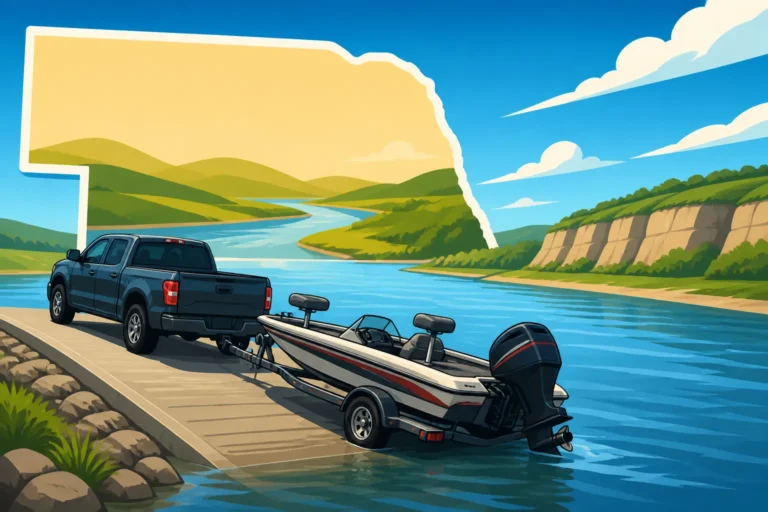
The beauty of Weigand-Burbach lies in its unique geography. It's nestled in an area where the broader lake waters meet the flowing influence of the Missouri River. This confluence creates a dynamic ecosystem with varied depths, current breaks, and diverse underwater structures that are prime fish habitat. You'll find excellent concrete boat ramps here, making launching everything from a small jon boat to a larger bass boat a breeze. For those who prefer to keep their feet on solid ground, there's ample shoreline access with plenty of room to spread out, which can be a real blessing when other popular spots feel like a sardine can.
Beyond the ramps and shore, the area boasts modern facilities, including well-maintained restrooms and plenty of parking. There are often designated fishing piers or improved bank fishing areas, perfect for families or anglers looking for an easier setup. This blend of riverine characteristics and a broad reservoir environment creates a unique feeding ground for fish, constantly bringing in new populations and providing a rich food source. Understanding these subtle geographic nuances is key to unlocking the full potential of your fishing trip here.
Species You Can Expect to Catch at Weigand-Burbach
The diverse habitat around Weigand-Burbach Access means you can target an impressive array of fish species throughout the year. It's not uncommon to land several different types of fish in a single outing, adding an exciting element of surprise to every cast.
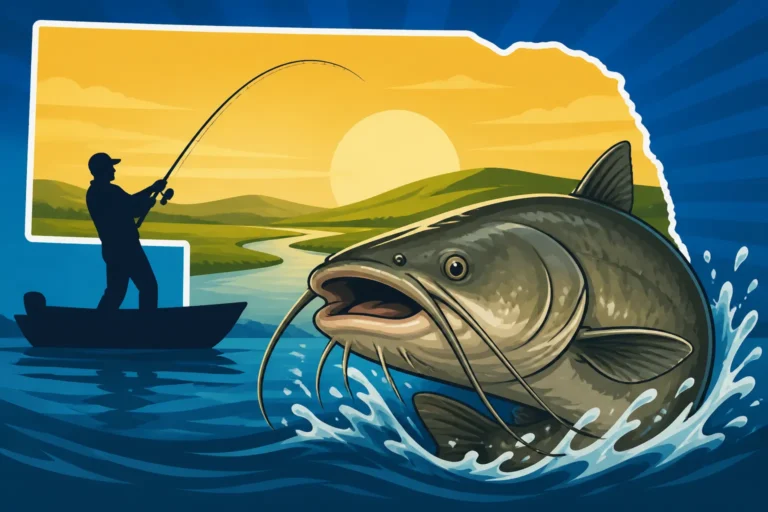
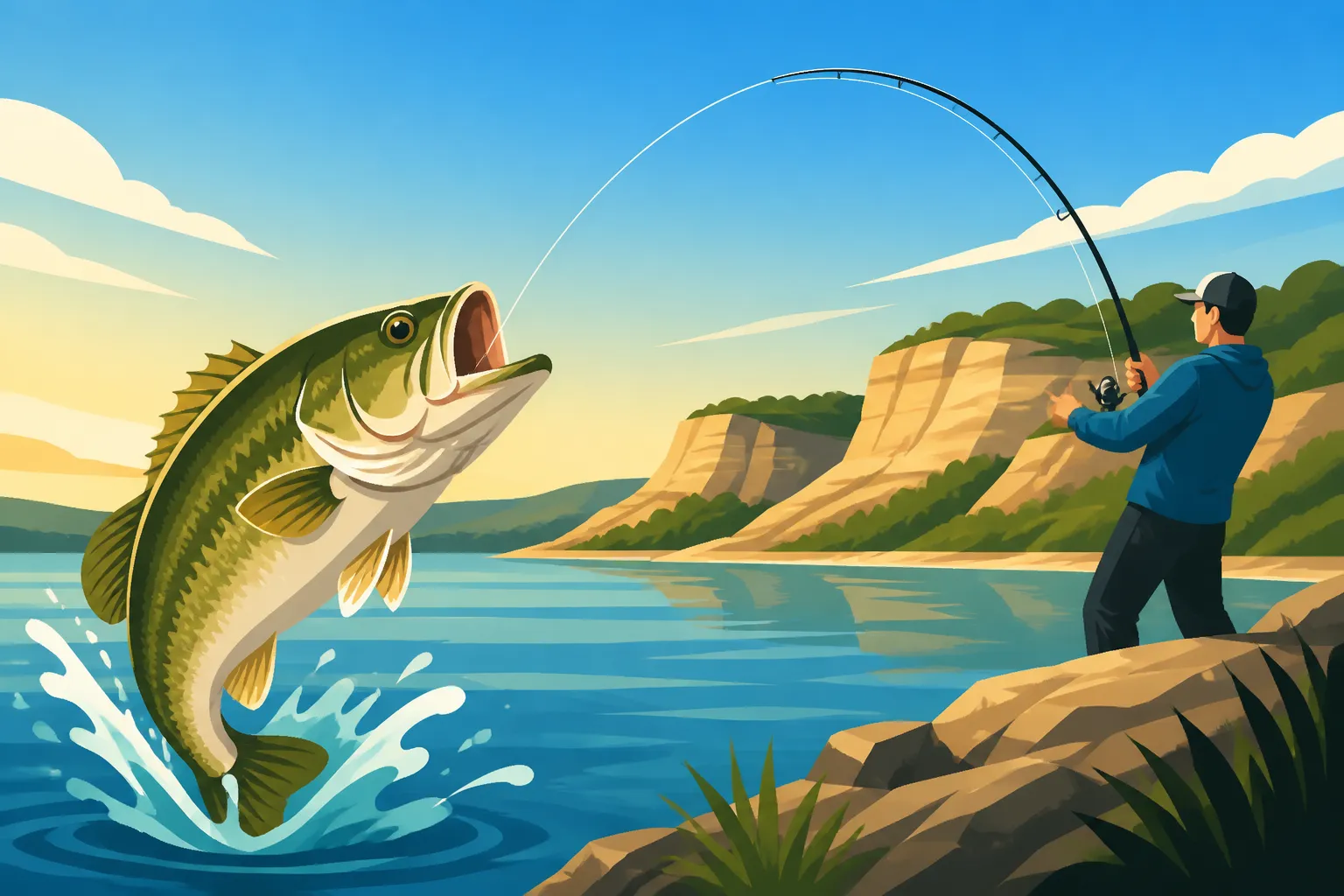
The primary targets for most anglers are undoubtedly walleye and channel catfish. Walleye here can grow to impressive sizes, thriving in the slightly turbid, nutrient-rich waters. They often relate to the current breaks and deeper channels, especially during feeding windows. Catfish, particularly the channel variety, are abundant and can be caught almost year-round, offering a strong fight and excellent table fare. You'll find them lurking in deeper holes or along current seams, always ready for a tasty bait.
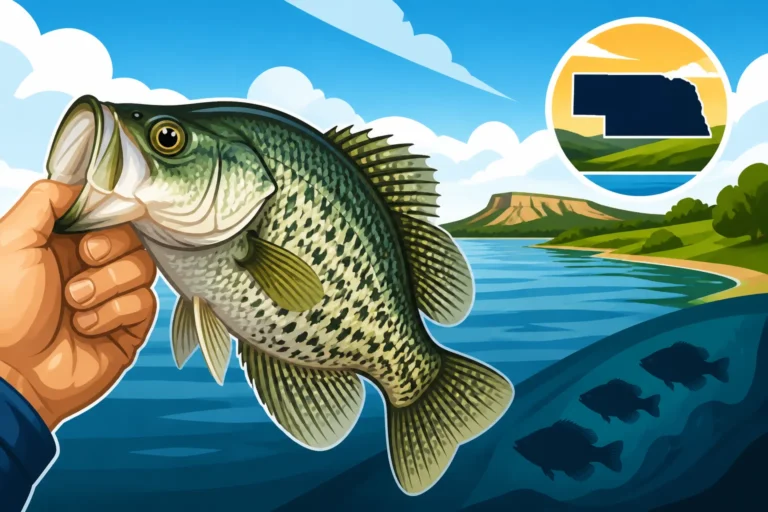
Beyond these two mainstays, Weigand-Burbach is also a fantastic spot for crappie, especially in spring and fall when they move closer to shore or congregate around submerged brush piles and timber. White bass are another exhilarating target, often schooling up and creating frenzied feeding events, particularly during their spring runs. And don't overlook the sauger, a close cousin to the walleye, which also frequents these waters, especially in cooler months, providing an additional, often less pressured, sport fish to pursue. If you're looking for more details on what lurks beneath, check out our guide on Lewis and Clark Lake Walleye Fishing.
Prime Fishing Techniques for Weigand-Burbach Access
Approaching Weigand-Burbach with the right tactics can dramatically improve your success. Whether you're fishing from a boat or enjoying the simplicity of shore fishing, understanding the nuances of these waters will give you an edge.
Effective Strategies for Boat Anglers
For those with a boat, Weigand-Burbach opens up a world of possibilities. The ability to cover water and access deeper structures is a huge advantage here. Trolling is a highly effective method for walleye and sauger, especially with crankbaits or spinner rigs along contour lines, current breaks, and submerged points. Pay close attention to your electronics to identify schools of baitfish or larger predatory fish holding near structure. Different depths will be key, so experiment with different lure diving depths to find where the fish are active.
Jigging is another killer technique, particularly when fish are concentrated. Whether it's vertical jigging over a deep rock pile for walleye or dropping small jigs around brush piles for crappie, the precision of jigging can be unbeatable. Drifting with live bait, such as nightcrawlers or minnows, along the main channel or across flats is also incredibly productive, especially for catfish and white bass. Let the current do the work, presenting your bait naturally. Remember to keep an eye on your Nebraska Boat Registration and Fishing Rules to ensure you're compliant while out on the water.
Maximizing Your Shoreline Fishing Success
Don't have a boat? No problem! The shoreline access at Weigand-Burbach is extensive and offers plenty of opportunities for fantastic fishing. The key to successful bank fishing here is understanding current and structure. Look for eddies, current breaks created by points or submerged rocks, and any visible cover like fallen trees or riprap. These areas provide sanctuary for fish and ambush points for predators.
Bait fishing is often the most productive method from shore, especially for catfish. A simple bottom rig with a weight and a hook, baited with cut bait, chicken livers, or a good stink bait, can yield excellent results. Cast these rigs into deeper holes or along the edge of the current. For crappie and white bass, casting small jigs or slip-bobber rigs with minnows near submerged timber or drop-offs can be highly effective. Early mornings and late evenings are often prime times for active feeding closer to the bank, so plan your trips accordingly.
Best Baits and Lures for the Weigand-Burbach Waters
Choosing the right bait or lure can make all the difference at Weigand-Burbach. The species you're targeting and the current conditions will dictate your best choices.
For walleye, live bait like nightcrawlers (often on a crawler harness) and minnows are always a safe bet. Artificial lures such as lipless crankbaits, deep-diving crankbaits (like the Rapala Shad Rap or Berkley Flicker Shad), and various jig types (jigging spoons, plastic-tipped jigs) are also highly effective, especially when trolled or retrieved over structure. When jigging, consider bright colors in stained water and more natural hues in clearer conditions.
Catfish are less finicky. Cut bait (especially shad or carp), chicken livers, and various prepared "stink baits" are perennial favorites for channel catfish. For flatheads, live baitfish like bluegills or chubs are generally preferred, but always check local regulations regarding live bait use. Crappie, on the other hand, love small jigs (1/32 to 1/16 oz) tipped with tiny plastic tubes, curly tails, or live minnows. White bass will hit just about anything shiny and fast-moving, from Kastmasters and Rooster Tails to small crankbaits and jigs. Having a diverse tackle box will serve you well when exploring the varied opportunities at Weigand-Burbach.
Seasonal Fishing Strategies at Weigand-Burbach Access
Lewis and Clark Lake, particularly around the Weigand-Burbach Access, offers unique fishing dynamics throughout the year. Understanding these seasonal shifts is crucial for consistent success.
Springtime Opportunities and Hotspots
As the ice retreats and water temperatures begin to climb in the spring, the fishing at Weigand-Burbach truly ignites. This is prime time for walleye, crappie, and white bass as they move into shallower waters for their pre-spawn and spawning rituals. The areas around current breaks and submerged points become hotspots as walleye look for staging areas before spawning. Trolling shallow-running crankbaits or casting jigs tipped with minnows can be incredibly effective during this period.
Crappie will start to congregate in protected coves or around any available brush piles, eager to hit small jigs or minnows under a bobber. White bass runs can be explosive, with large schools chasing baitfish near the surface, often providing fast and furious action. Keep an eye on the water flow from the upstream dams; increased flow can stimulate feeding, but also makes presentation more challenging. For a deeper dive into seasonal changes, refer to our Spring Fishing in Nebraska guide.
Summer Tactics for Consistent Catches
Summer at Weigand-Burbach sees fish moving to deeper, cooler waters, but consistent catches are still very much within reach with the right approach. Walleye will often be found holding on deeper humps, points, and channel edges, making trolling deeper diving crankbaits or bottom bouncing with crawler harnesses excellent strategies. Early mornings and late evenings, or even night fishing, can be incredibly productive for walleye as they move shallower to feed under the cover of darkness.
Catfish activity really ramps up in the summer heat. They’ll be actively feeding throughout the day and night. Targeting deeper holes in the main channel with stout gear and potent cut bait or stink bait is a winning strategy. White bass will continue to school, often busting bait on the surface during cooler parts of the day, so keep a lookout for bird activity, which often signals feeding fish below. Don't forget to review the Nebraska Fishing Daily Bag and Possession Limits for your target species before heading out.
Fall Fishing Bonanza and Winter Considerations
Fall is often considered one of the best times to fish Weigand-Burbach. As water temperatures begin to drop, many species go on a feeding frenzy, bulking up for the lean winter months. Walleye, sauger, and crappie all become very active, often moving into shallower depths again during the day. Trolling medium-depth crankbaits, jigging blade baits, or casting soft plastics can be highly effective for walleye and sauger. Crappie will form large schools around submerged structure, making them easier to locate with electronics. This is also a fantastic time for big channel catfish, which will be aggressively feeding.
As winter approaches and the lake begins to freeze, Weigand-Burbach can offer ice fishing opportunities, though consistency can vary depending on ice conditions and specific locations. Areas with less current might freeze thicker and faster. When fishing during colder months, consider focusing on species like sauger and perch, which often remain active under the ice. Always prioritize safety, checking ice thickness rigorously. Our article on Fall Fishing in Nebraska offers more insights into this prime season.
Essential Tips for a Successful Trip to Weigand-Burbach
A successful fishing trip to Weigand-Burbach goes beyond just knowing where to cast. It involves understanding the local rules, utilizing available resources, and prioritizing safety.
Navigating Regulations and Permits
Before you even wet a line, make sure you're properly licensed. Every angler aged 16 and older needs a valid Nebraska fishing license. This can be purchased online through the GoOutdoorsNE system, at various retail vendors, or even sometimes at the park office if one is available nearby. You might also need specific stamps depending on what you're targeting or where you're fishing, such as an Aquatic Habitat Stamp or a Trout Stamp if you plan to target trout in designated waters.
It's crucial to understand the nuances of the Nebraska Fishing License Guide to avoid any legal troubles. For those bringing a boat, ensure your vessel is properly registered and equipped with all required safety gear. Lewis and Clark Lake is a large, sometimes unpredictable body of water, so proper safety equipment is non-negotiable. Always check the current year's Nebraska Game and Parks fishing guide for any updates to bag limits, length limits, or special regulations that might apply specifically to Lewis and Clark Lake or its Missouri River portions.
Local Insights and Best Practices
To truly maximize your experience at Weigand-Burbach, tap into local knowledge. Checking current fishing reports from reputable sources online, talking to anglers at the boat ramp, or visiting a local bait and tackle shop are invaluable steps. These resources often provide real-time information on what's biting, what baits are working, and any recent changes in conditions. Local shops, like those in nearby Crofton or Yankton, South Dakota (which is just across the river), often have the freshest live bait and the specific lures that are currently producing.
Consider using a service like FishingBooker if you're looking for a guided experience. Booking a charter can provide an incredible learning opportunity, as local guides know the ins and outs of Weigand-Burbach and Lewis and Clark Lake. They can quickly put you on fish, teach you new techniques, and share their insights into the best spots and times to fish. This can be especially beneficial if you're new to the area or trying to target a specific species. Always practice responsible angling by minimizing your impact on the environment, respecting other anglers, and properly disposing of all trash. A little preparation and local insight can transform a good fishing trip into a truly unforgettable adventure.
| Target Species | Best Baits/Lures | Prime Seasons | Typical Locations |
|---|---|---|---|
| Walleye | Crawler harnesses, crankbaits, jigs | Spring, Fall, Summer (early/late) | Deeper channels, points, current breaks |
| Channel Catfish | Cut bait, stink bait, live worms | Summer, Fall, Spring | Deeper holes, current seams, woody cover |
| Crappie | Small jigs, live minnows | Spring, Fall | Submerged brush, timber, protected coves |
| White Bass | Spinnerbaits, jigs, small crankbaits | Spring (runs), Summer | Surface schools, current breaks, river channels |
| Sauger | Jigs, blade baits, minnows | Fall, Winter | Deeper channels, tailwaters, rocky structure |
Disclaimer
The information provided in this guide is for general informational purposes only and is subject to change. Fishing regulations, conditions, and fish populations can vary. Always consult the latest Nebraska Game and Parks Commission regulations booklet or website before heading out on your fishing trip to ensure compliance and safety.