What a Bullhead Catfish Is and Where They Live
If you've ever spent a quiet afternoon fishing a Nebraska farm pond or a serene state recreation area, chances are you've encountered a bullhead catfish. Often mistaken for their larger cousins or sometimes simply dismissed, bullheads hold a unique, if sometimes humble, place in our state's fishing culture. This guide is here to clear up the confusion, introduce you to these resilient bottom-dwellers, explain where they thrive across Nebraska, and even share why they might just be the perfect fish for your next family outing or a delicious addition to your dinner plate.
Getting to Know the Bullhead Catfish: Beyond the Muddy Reputation
For many anglers, especially those new to the sport, identifying different catfish can be a bit tricky. Is it a channel cat? A flathead? Or one of those notoriously tough, smaller ones? Chances are, that smaller, darker, feisty little fighter you pulled from the weeds was a bullhead. These fascinating fish are often misunderstood, but once you get to know them, you'll appreciate their hardiness and the unique angling opportunities they provide.
What Exactly is a Bullhead? Identification and Key Features
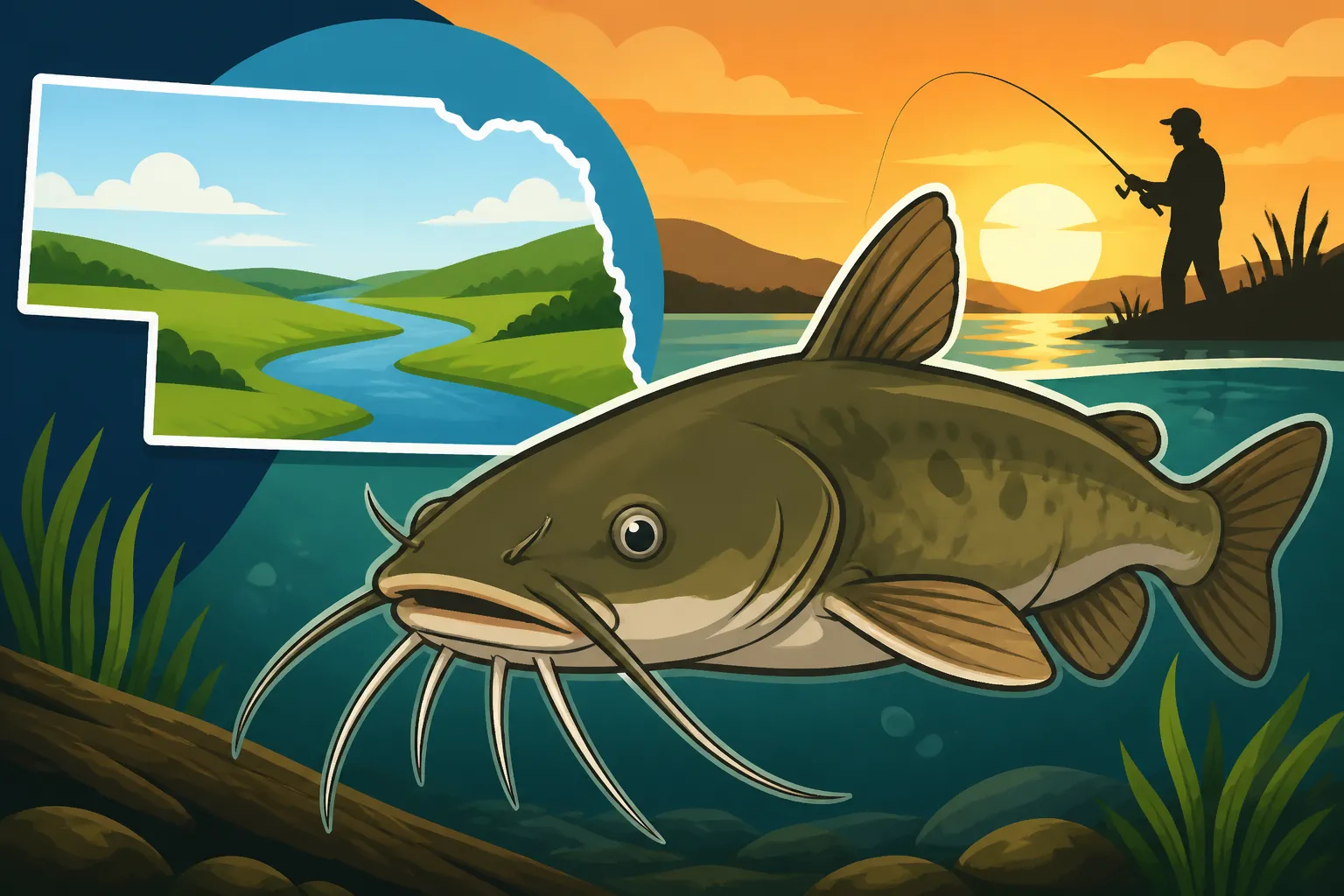
Bullhead catfish are members of the Ictaluridae family, just like their more famous relatives, the channel catfish and flathead catfish. However, bullheads have some distinct characteristics that set them apart. The most common species you'll encounter in Nebraska are the black bullhead, brown bullhead, and yellow bullhead. While they share the whiskered face and smooth, scaleless skin of all catfish, their body shape is generally stockier and less streamlined than a channel cat. They also lack the deeply forked tail that is a hallmark of a true channel catfish, sporting a more rounded or slightly notched tail instead.
One of their most defining features, beyond the barbels around their mouths (which act like taste buds, helping them find food in murky water), is their size. While channel cats can grow to impressive lengths, bullheads are typically much smaller, usually ranging from 6 to 12 inches, though larger specimens of a pound or two aren't unheard of. Their heads are notably broad, almost looking disproportionately large for their bodies, which is where they get the "bullhead" moniker. Another key identifier is their pectoral fins, which have a sharp, serrated spine. This spine can deliver a painful poke if you're not careful when handling them, so always approach with caution and a good set of pliers or a fish gripper!
Coloration can vary greatly, often depending on the water they inhabit. Black bullheads are typically dark olive to black on top, fading to lighter shades on their belly. Brown bullheads are, as the name suggests, brownish, sometimes with mottling, while yellow bullheads often have a yellowish or olive body and distinctively white or yellowish barbels. This adaptability in color further speaks to their ability to thrive in a variety of environments, from crystal-clear farm ponds to silty river backwaters. Learning these subtle differences can help you quickly identify your catch, whether you're just starting out or you're a seasoned angler.
Bullhead Behavior and Diet: Why They're So Abundant
Bullheads are truly the unsung heroes of many aquatic ecosystems, especially in Nebraska. Their robust nature and opportunistic feeding habits contribute to their widespread abundance. These fish are primarily bottom feeders, meaning they spend their days rummaging along the lake or riverbed for whatever edible morsels they can find. Their diet is incredibly diverse, making them true omnivores. They'll munch on insect larvae, worms, small crustaceans, snails, leeches, aquatic plants, and even detritus—decaying organic matter. This non-picky eating habit is a major reason why they are so easy to catch, often falling for almost any bait dropped their way.
What really sets bullheads apart, however, is their incredible tolerance for harsh environmental conditions. Unlike many game fish that require specific water temperatures, oxygen levels, and clarity, bullheads can thrive in places where other species would simply perish. They're often found in muddy, turbid waters, stagnant ponds with low oxygen, and even waters that experience extreme temperature fluctuations. This resilience means they are frequently the dominant fish species in smaller, less-maintained water bodies, or in parts of larger systems that other fish avoid. Their ability to "school" or gather in large numbers also makes them a highly competitive species, often outcompeting others for available food resources in these less-than-ideal habitats.
Their toughness extends to their spawning habits too. Bullheads are nest builders, with both parents often guarding the eggs and fry, providing a strong survival rate for their young. This combination of a broad diet, environmental resilience, and dedicated parenting means bullhead populations can quickly explode in suitable habitats. While sometimes seen as a "nuisance" fish by those targeting larger species, their very abundance makes them a fantastic target for young anglers or anyone looking for consistent action and a surprisingly strong fight on light tackle.
Where Do Bullheads Call Home in Nebraska? Popular Habitats
Nebraska's diverse aquatic landscape, from its sprawling reservoirs to countless small ponds and winding rivers, offers a variety of homes for many fish species. For the adaptable bullhead catfish, this means they're found in almost every corner of the state where there's water, though they certainly have their favorite haunts. Knowing where to look is half the battle when trying to target these feisty bottom-dwellers.
Ponds, Lakes, and Reservoirs: Nebraska's Bullhead Hotbeds
When you think of prime bullhead territory in Nebraska, you should immediately picture still or slow-moving water with soft, muddy bottoms and plenty of submerged vegetation or cover. This is their absolute sweet spot. Smaller city park ponds, farm ponds scattered across the rural landscape, and the shallow, weedy coves of larger reservoirs are typically teeming with bullheads. These aren't the trophy walleye grounds of Lake McConaughy, nor the deep, clear waters preferred by some bass species. Instead, think of those often-overlooked spots where the water might be a little murkier, or the access a bit less manicured.
These environments provide everything a bullhead needs: a rich source of detritus and insect life on the bottom, cover from predators in dense weeds or submerged brush, and usually warmer, shallower water. Many of the ponds within Nebraska's Urban Fishing Program are excellent places to find bullheads, especially as they are often stocked with other species and bullheads thrive alongside them, sometimes even dominating. Farm ponds, which can be challenging to get access to without permission, are also notorious for holding large numbers of bullheads, often because they face less fishing pressure and are less managed than public waters. You'll often find them packed into these ponds, providing endless action. Always check Nebraska Fishing Regulations Explained before heading out, as regulations can vary.
| Bullhead Species | Typical Coloration | Average Size | Preferred Habitat | Noted Resilience |
|---|---|---|---|---|
| Black Bullhead | Dark olive to black, pale belly | 8-14 inches | Muddy, shallow, weedy ponds, slow rivers | High tolerance for low oxygen |
| Brown Bullhead | Brown to yellowish-brown, often mottled | 10-16 inches | Clearer ponds, lake edges, moderate vegetation | Tolerant of slightly higher salinity |
| Yellow Bullhead | Yellowish-green to olive, white/yellow barbels | 6-12 inches | Clear, heavily vegetated ponds and streams | Very high tolerance for warm water |
River and Stream Dwellers: Finding Bullheads in Flowing Water
While bullheads certainly love their still-water retreats, they are far from exclusive to them. You can absolutely find them in Nebraska's rivers and streams, though they'll gravitate towards specific sections. Forget the fast-moving main channels or the swift currents that appeal to species like smallmouth bass or trout. Bullheads prefer the quieter, more stagnant parts of a river system. Look for them in backwaters, oxbow lakes—those U-shaped bends cut off from the main river flow—and slow-moving eddies behind log jams or other obstructions.
Smaller tributaries, irrigation ditches, and even flooded lowlands after heavy rains can temporarily become prime bullhead habitat. They'll seek out areas with soft, silty or muddy bottoms where they can easily root around for food, and where the current isn't constantly pushing them around. The Platte River, while known for its shallow, braided channels, has numerous backwater sloughs and slower sections where bullheads can be found. The same goes for the Loup and Elkhorn rivers, particularly in their lower reaches where the flow can be less aggressive.
When fishing rivers for bullheads, concentrate your efforts near any sort of cover that slows the current, such as brush piles, submerged logs, or dense aquatic vegetation along the banks. These areas offer both food and refuge. Their presence in these often-turbulent river systems further underscores their incredible hardiness and ability to adapt to varying conditions. It's a testament to their survival instincts that they can find a niche even in the dynamic environment of a Nebraska river. If you're looking for How to Catch Channel Catfish From the Bank, many of those techniques will also apply to bullheads in similar riverine environments.
The Role of Bullheads in Nebraska's Angling Scene
Bullhead catfish sometimes get a bad rap, seen as too small, too bony, or just too common. But for a truly honest perspective, these fish are invaluable, especially for certain types of anglers. They offer unique advantages that often go overlooked, and with the right approach, they can provide immense enjoyment and even a tasty meal.
Why Anglers Target (or Avoid) Bullheads
There are a few key reasons why someone might specifically target bullheads. First and foremost, they are incredibly easy to catch. This makes them an absolute dream fish for beginners, especially kids, who need consistent action to stay engaged. There’s nothing quite like the excitement of a bobber dipping down every few minutes, and bullheads deliver that thrill consistently. They don't require fancy gear or complex techniques, making the barrier to entry very low. A simple rod, reel, bobber, and a worm are often all you need. Many families head to their Nebraska Urban Fishing Program Stocked Ponds Near Me hoping for this exact kind of steady catch.
Secondly, for their size, bullheads are surprisingly strong fighters. Hook into a decent-sized one on light tackle, and you'll get a spirited battle that can be a lot of fun. They might not jump like a bass, but they pull hard and refuse to give up, providing excellent sport. Then there's the culinary aspect. Many anglers avoid bullheads due to the stereotype of them having a "muddy taste." It's true that if not cleaned properly, especially the darker-fleshed ones from very murky water, they can sometimes carry an earthy flavor. However, this is largely a myth that can be dispelled with good cleaning practices. When handled correctly, bullheads offer delicate, flaky white meat that is absolutely delicious, particularly when fried.
On the flip side, some experienced anglers targeting larger game fish might view bullheads as a nuisance. They can quickly gobble up bait meant for bigger channel catfish or walleye, leading to frustration. In overpopulated ponds, bullheads can stunt in size, meaning you might catch dozens of tiny fish rather than a few decent ones. This is often why conservation efforts sometimes encourage harvesting bullheads in specific water bodies to help improve the overall fish population balance.
Gear and Techniques for Catching Nebraska Bullheads
One of the beautiful things about bullhead fishing is that it doesn't require you to break the bank on specialized gear. In fact, the simpler, the better, especially if you're just starting out or taking kids along. A basic spinning rod and reel combo, something around 5 to 7 feet long with a light to medium action, will do the trick perfectly. You'll want to spool it with 6 to 10-pound test monofilament line, which is forgiving and strong enough for most bullhead encounters. If you're looking for affordable options, many sporting goods stores and online retailers like Amazon offer excellent beginner combos that fit the bill. A good starting point might be to review a Beginner Fishing Gear Guide for Nebraska for general insights.
When it comes to terminal tackle, keep it minimal. A small hook (size 6 or 8 is usually perfect, maybe even a 4 for bigger fish), a split shot or two to get your bait to the bottom, and a bobber if you prefer visual cues are all you need. As for bait, bullheads are famously not picky! Nightcrawlers or worms are universally effective and probably the most common choice. Other fantastic options include pieces of cut bait (like shad or minnow sections), corn, shrimp, hot dogs, or even commercially available catfish stink baits. For more bait ideas, consider looking at Best Bait for Nebraska Catfish, as many of those will appeal to bullheads too.
The techniques are equally straightforward. Bottom fishing is perhaps the most popular and effective method. Simply cast your baited hook out and let it sink to the bottom. Bullheads will find it. If you're fishing in shallower water or over weeds, using a slip bobber rig can be excellent. This allows your bait to be suspended just above the bottom, keeping it out of the deepest muck while still in the strike zone. Still fishing from the bank or a boat is generally the most productive approach, allowing the scent of your bait to attract fish. Patience is key, but often, with bullheads, you won't need much of it!
Responsible Bullhead Management and Enjoyment
While bullheads are resilient, they're still part of Nebraska's delicate aquatic ecosystems. Practicing responsible angling, understanding regulations, and knowing how to properly handle and prepare them ensures that both the fish populations and your fishing experiences remain positive for years to come.
Regulations and Best Practices for Bullhead Fishing
One of the great things about bullhead fishing in Nebraska is that the regulations are typically quite liberal. Unlike many other game fish, bullheads generally do not have length limits or daily bag limits in most public waters. This is partly due to their prolific breeding and their tendency to overpopulate smaller ponds, which can lead to stunted growth for themselves and put pressure on other fish populations. However, it's always, always crucial to double-check the latest Nebraska Game and Parks Commission regulations before you head out, as rules can change, and specific lakes or ponds might have unique local guidelines. A quick review of Nebraska Fishing Regulations Explained or the annual fishing guide is a must.
Beyond official rules, adopting best practices is essential for responsible angling. If you're catching and releasing bullheads, handle them as gently as possible. Their tough skin and slime coat provide some protection, but avoid prolonged exposure to air. Use a pair of pliers to remove hooks quickly and carefully, especially considering their sharp pectoral spines. If you plan to keep bullheads, especially from ponds where they are overpopulated, consider it a service to the ecosystem. Harvesting a good number of bullheads can actually help balance the fish community, allowing other species to grow larger and healthier. Just be sure to dispatch them humanely and keep them on ice to ensure the best table fare. Remember that even for bullheads, you'll need a valid Nebraska fishing license if you're over the Nebraska Fishing License Age Cutoff Explained.
Preparing Bullheads for the Table: Dispelling Myths
Ah, the "muddy taste" myth – it's probably the biggest reason many anglers shy away from keeping bullheads. Let me tell you, with proper cleaning and preparation, bullhead catfish can be absolutely delicious, rivaling any panfish for their delicate, flaky, white meat. The key to avoiding any "muddy" flavor lies almost entirely in the cleaning process. Unlike channel catfish that are often skinned by simply cutting around the head and peeling, bullheads' skin is much tougher and often requires a different approach.
The most effective way to clean a bullhead is to skin it. You'll want to hold the fish firmly (gloves are recommended due to those spines!) and make a circular cut just behind the head, going all the way around but not through the backbone. Then, using a pair of pliers, grab the edge of the skin near the head and pull it firmly towards the tail. It might take a bit of effort, but the skin should peel right off, often in one piece, similar to removing a sock. Once skinned, you can then remove the head and gut the fish. For a more visual guide or general catfish cleaning techniques, check out How to Clean and Fillet a Channel Catfish – the basic principles of skinning apply here too.
After cleaning, rinse the fish thoroughly in cold water. You can then fry them whole (if they're smaller) or fillet them into boneless pieces. Frying them in a cornmeal or breadcrumb batter is a classic method, resulting in crispy, flavorful nuggets. Some folks like to soak the cleaned fish in milk or saltwater for an hour or two before cooking, claiming it further removes any potential off-flavors, but if skinned and rinsed well, it's often unnecessary. Don't let the old wives' tales deter you from trying these tasty fish. They are truly one of the Best Eating Fish From Nebraska Waters when given the chance!
Disclaimer
This article is for general informational purposes only and does not constitute professional advice. Laws, prices and regulations vary by location and change over time. Consult a qualified professional for guidance on your specific situation.