How to Locate Fish Without Electronics
It's easy to feel a bit outmatched when you see other anglers on the lake with their expensive fish finders, side imaging, and GPS mapping units, making it look like they’ve got a direct line to every fish. But trust me, you absolutely don't need fancy electronics to locate fish and have a successful day on the water in Nebraska. This guide is all about equipping you with the time-tested, fundamental skills to read the water, understand fish behavior, and use natural cues to find those finned friends, no gadgets required.
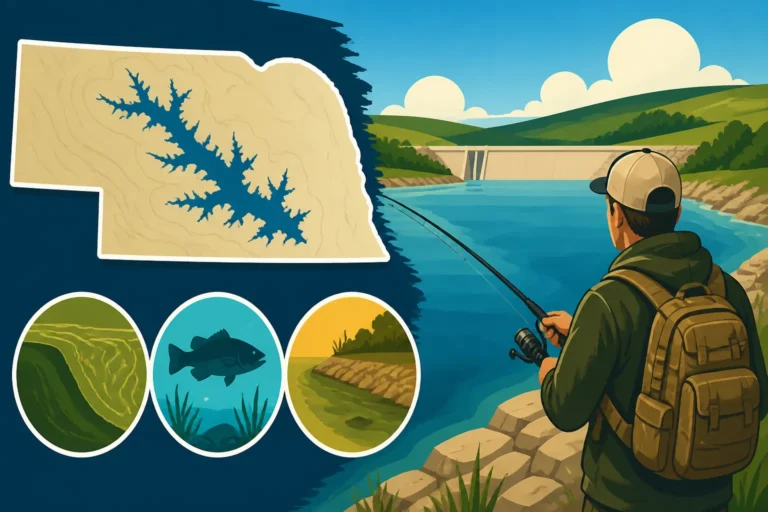
Reading the Water and Topography
One of the most valuable skills an angler can develop, especially without electronics, is learning to "read the water." This means looking for visual cues and understanding how fish relate to the underwater environment that you can't see directly. It's about thinking like a fish and predicting where they might be seeking comfort, food, or safety.
Understanding Structure and Cover
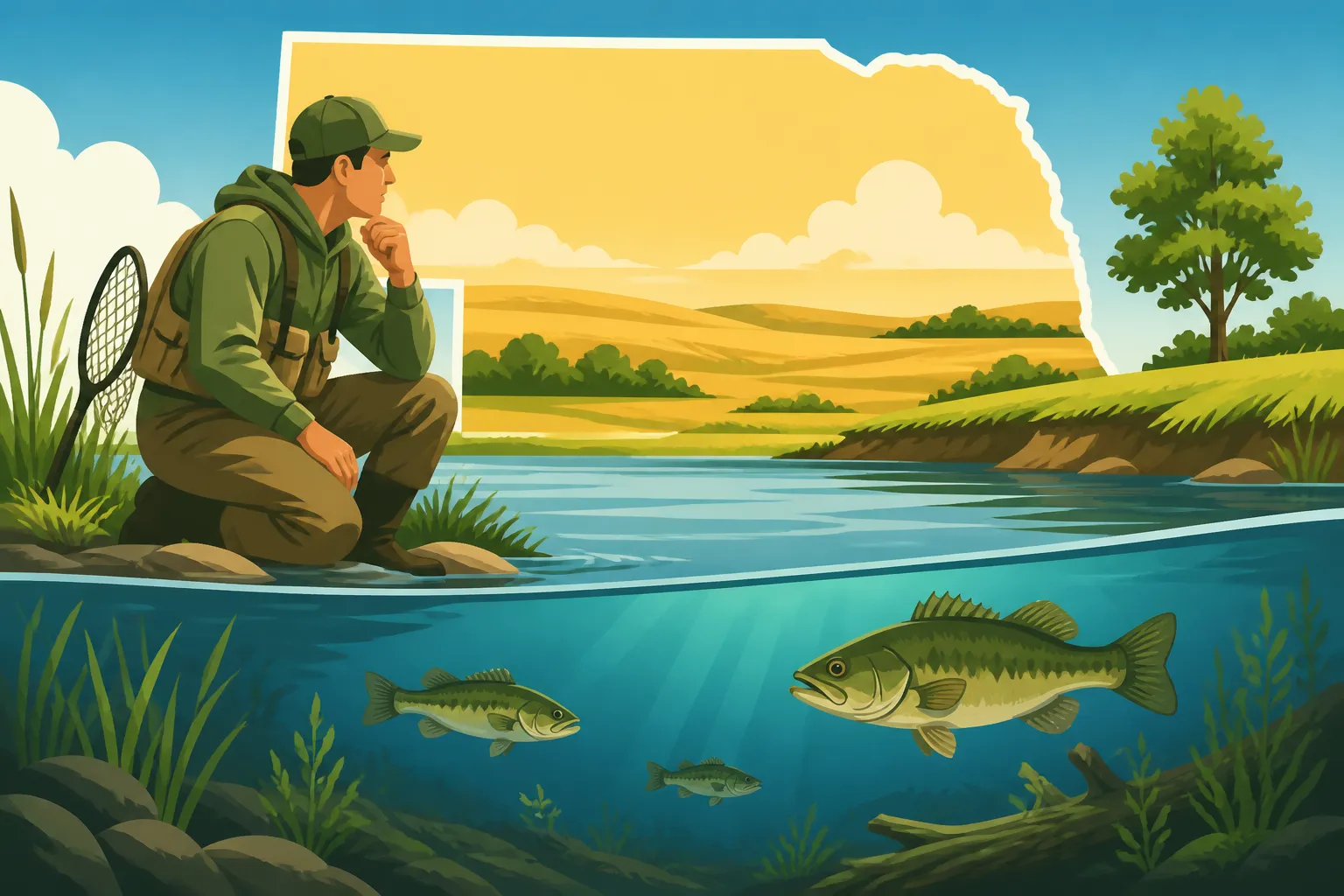
Fish are creatures of habit, and those habits are often dictated by structure and cover. Structure refers to changes in the lake or river bottom – things like drop-offs, humps, points, and old creek channels. Cover, on the other hand, is anything that provides shelter or ambush points, such as submerged trees, weed beds, rock piles, bridge pilings, or even docks.
Think about it: a bass loves to hide under a fallen tree or along the edge of a thick weed line, ready to ambush a passing minnow. A walleye might patrol a main lake point or the edge of a deep drop-off, waiting for prey to swim by. Catfish often hang out in deeper holes or along current seams in rivers. Even if you can't see these features with a sonar unit, you can often infer their presence. Look for visible points extending into the water, changes in water color that might indicate depth changes, or signs of old riverbeds along the bank. Sometimes, just slowly dragging a heavy jig or a Carolina rig along the bottom will help you "feel" for these transitions – the slight bump of rocks, the spongy feel of weeds, or the sudden drop as your weight falls off a ledge. This is a critical skill for any angler looking to improve their odds without relying on technology. For a deeper dive into where fish like to hang out, check out our guide on Nebraska Fish Species Identification Guide.
Interpreting Water Conditions
The condition of the water itself can tell you a lot about where fish might be. Turbidity (how clear or murky the water is), temperature, and even current flow are huge factors. Murky water, for instance, often means fish might be closer to the surface or near cover where visibility is reduced, making them less skittish. Clear water might push fish deeper or into heavier cover.
Temperature is perhaps the most crucial factor. Fish are cold-blooded, and their metabolism is directly affected by water temperature. In colder water, they'll be less active and often seek out slightly warmer pockets. In warmer water, they'll be more active but might seek deeper, cooler water or shade during the heat of the day. You can get a good estimate of surface temperature with a simple thermometer, which can be easily purchased from an online retailer like Amazon. Look for areas where different water temperatures meet, like where a small feeder creek enters a larger lake, or where shallow, sun-warmed water transitions to deeper, cooler water. These thermal breaks can be hotspots for various species.
Visual Cues from Shoreline and Water
Believe it or not, the shoreline and surface of the water can give you huge clues about what's happening underneath. Look for natural contours of the land extending into the water – a long point on the bank often means a long point underwater. A steep bank could indicate a sudden drop-off. Visible rock outcroppings on shore are a dead giveaway for rock piles beneath the surface.
Pay attention to ripples, current lines, and eddies, especially in rivers like the Platte or Missouri. Fish will often hold in slack water just out of the main current, conserving energy while waiting for food to wash by. Discolored patches of water could indicate different depths or submerged vegetation. Even the presence of foam or debris lines can point to current patterns or areas where baitfish might be congregating. Observing these subtle details takes practice, but it's like piecing together a puzzle, and each piece gets you closer to finding those fish.
Understanding Fish Behavior by Season
Fish aren't just randomly swimming around; their behavior is highly predictable based on the time of year. Understanding these seasonal patterns is one of your most powerful tools for locating fish without electronics. It’s about knowing when fish are likely to be in certain areas and why.
Spring Patterns and Spawning
Ah, spring! This is when everything starts to wake up, and fish are no exception. As water temperatures begin to rise after winter, fish move from their deep wintering holes to shallower waters. Why? Two main reasons: food and spawning. Many species, like crappie and bass, will move into protected bays, coves, and flats with emergent vegetation or woody cover to spawn. Walleye will often stage near rocky points or dam faces before moving to shallower, gravelly areas to lay their eggs.
During the pre-spawn, fish are often aggressively feeding to build energy for the spawn, making them easier to locate in these shallow, warming areas. Once they start spawning, they become very protective of their beds and are typically found right in those shallow, protected zones. After the spawn, they might retreat to slightly deeper water nearby to recover before moving into their summer patterns. Knowing these general movements means you can focus your efforts on these predictable spawning grounds. If you're targeting specific species, our guide on Nebraska Walleye Spawning Season can give you even more detailed insights.
Summer Deep Water and Shade
When Nebraska's summer sun starts to bake the shallower waters, fish often retreat to deeper, cooler sections of the lake or river. Oxygen levels can also be better in deeper water, or they'll seek out shade and cover. Look for fish around deep structure like humps, submerged creek channels, or the cooler waters near dam outflows. Shade from overhanging trees, docks, or even large submerged structures can be excellent holding spots for bass and panfish.
During the summer, low-light periods like early morning, late evening, or even night fishing become particularly effective, as fish feel more comfortable moving into shallower feeding grounds under the cover of darkness. Many anglers have great success with Nebraska Night Fishing Techniques for species like catfish during these warm months. Even without electronics, understanding that fish prioritize comfort and available food means you'll be looking in the right places – cooler, darker, or deeper spots.
Fall Migration and Feeding Frenzies
Fall is a fantastic time to fish in Nebraska, as many species undergo a "fall feeding frenzy" in preparation for winter. As water temperatures cool down, baitfish often school up and move into shallower coves and flats, and the predators follow! This can create incredible fishing opportunities. Walleye, bass, and crappie will often be found gorging themselves in these shallower areas, chasing baitfish.
Look for schools of baitfish on the surface or near shore, as the game fish won't be far behind. Main lake points, large flats, and areas with submerged timber can be particularly productive as fish move through them on their way to deeper wintering areas. The cooling water reinvigorates many species, making them more aggressive and easier to locate. For comprehensive details on autumn angling, check out our Fall Fishing in Nebraska guide.
Winter Slow Downs and Ice Fishing Clues
Winter fishing, especially ice fishing in Nebraska, presents its own unique set of challenges and opportunities. Under the ice, fish metabolism slows down considerably, and they become less active. They'll often concentrate in specific areas, making them easier to target once you find them. Deep main lake basins, sharp drop-offs, and areas with access to both deep and shallow water are common winter haunts.
Without a flasher or sonar, locating fish under the ice means drilling a lot of holes and systematically moving until you find them. Look for subtle signs on the ice – tracks from other anglers, holes clustered together (a good indicator someone found fish!), or even dark spots on the ice which could mean thinner ice (so be careful!). Once you find a productive area, remember it. Fish will often use the same wintering locations year after year. Our guide on Nebraska Ice Fishing Regulations is a must-read before you head out onto the hard water.
Utilizing Natural Indicators
Beyond reading the water itself and understanding seasonal shifts, there's a whole world of natural indicators that can tip you off to where fish are hiding. This is where your keen observation skills truly come into play.
Observing Wildlife and Baitfish
Nature provides its own fish-finding service if you just take the time to look and listen. Birds, especially predatory ones like ospreys, eagles, and even gulls and terns, are excellent indicators of baitfish activity. If you see birds diving into the water repeatedly, chances are they're feeding on schools of baitfish, and where there are baitfish, there are usually larger game fish close behind. Pay close attention to these natural signals; they are often more accurate than any electronic device.
Similarly, look for actual baitfish activity. Small schools of minnows flickering on the surface, or larger baitfish jumping out of the water, are clear signs that a predator is nearby. Frogs, snakes, and even insects can also be part of the food chain, and areas rich in these smaller creatures often attract fish seeking a meal. A pair of good binoculars, easily found on Amazon, can greatly enhance your ability to spot distant bird activity or subtle splashes.
Wind, Current, and Weather Effects
Wind and current play enormous roles in where fish position themselves. Wind, for example, can push warm surface water and baitfish towards a specific bank or point, concentrating both food and predators. This "wind-blown bank" can be a fantastic spot, especially for walleye. The chop on the surface also breaks up light penetration, making fish feel more secure and less wary.
In rivers, understanding current is paramount. Fish rarely fight a strong current unnecessarily. They'll often tuck into eddies, behind submerged rocks, wing dams, or log jams to conserve energy, waiting for food to be swept past them. Fishing the seams where fast and slow current meet is often incredibly productive. Weather changes, particularly cold fronts or approaching storms, can also trigger feeding activity or send fish deeper. A sudden drop in barometric pressure before a storm can make fish feed aggressively, while a high-pressure system after a cold front often makes them sluggish and harder to catch. Knowing these patterns helps you predict fish location and activity.
Water Temperature and Clarity
We touched on these briefly, but let's dive a bit deeper into how they act as indicators. As a baseline, most fish have preferred temperature ranges. For instance, cold-water species like trout thrive in cooler water, while warm-water species like catfish and bass prefer warmer temperatures. Even within a single lake, different depths or areas may hold different temperatures. Without a thermometer, you can still estimate. Shaded areas will be cooler, as will deeper sections. Areas fed by cold springs will obviously be cooler.
Water clarity is another huge indicator. In extremely clear water, fish rely more on sight and may be more wary, retreating to deeper water or heavy cover. Your presentation might need to be more subtle. In murky or stained water, fish rely more on their lateral line and scent, often moving shallower and being less particular about your presentation. You might find them closer to the surface or along the bank. Look for subtle changes in water clarity; where clear water meets murky water can be an excellent ambush point for predators.
Practical Shore and Boat-Based Techniques
Alright, so you've learned to read the water and understand fish behavior. Now, how do you actually use that knowledge to put a lure or bait in front of a fish without a glowing screen guiding your every cast? It comes down to smart, systematic fishing techniques.
Fan Casting and Grid Search
When you're fishing from shore or a non-motorized boat without electronics, you're essentially blind to what's directly beneath you. This is where "fan casting" comes in. Instead of just casting straight out, make a cast at, say, 10 o'clock, then retrieve. Then cast at 11 o'clock, then 12, 1, 2, and so on, covering a wide "fan" of water from your position. This systematic approach helps you cover more water and increases your chances of hitting a fish or feeling a change in bottom structure.
For larger areas, you can combine this with a "grid search." From a boat, you might make a pass in one direction, then another pass parallel to it, slowly covering the area like you're mowing a lawn. From shore, you might walk 10-20 yards down the bank, then fan cast again, effectively moving your "grid" along the shoreline. This methodical approach ensures you're not just throwing your lure randomly, but intelligently exploring the underwater landscape you're trying to visualize. For a great example of a lake that benefits from covering water, check out our Lake McConaughy Fishing Guide.
Pounding the Bank and Wading
Sometimes, the best way to find fish is to get out and explore! "Pounding the bank" means actively moving along the shoreline, making casts into promising areas. Look for visible cover like downed trees, weed beds, points, or sudden changes in bank elevation. Often, the fish are right there, closer than you think. You don't need a boat to find success; many of Nebraska's best fishing spots are highly accessible from shore. Our article How to Fish From Shore in Nebraska has tons of tips for this approach.
Wading is another fantastic way to access water that boats might miss or scare fish from. In rivers like the Elkhorn or Loup, carefully wading allows you to fish current seams, riffles, and deeper holes more effectively. Just be sure you have the right gear – a good pair of waders and wading boots (which you can definitely find on Amazon) are essential for safety and comfort. By walking the shoreline or wading, you're constantly changing your angle and presenting your bait to new fish, relying on your senses to find those subtle clues that reveal their presence.
Drift Fishing and Controlled Floats
When you're in a boat without a trolling motor or just relying on natural currents, drift fishing can be incredibly effective. Let the wind or current push your boat slowly across a promising area – maybe a large flat, a gradual drop-off, or along a river channel. As you drift, keep your bait or lure in the water, letting it cover a wide swath. This is particularly effective for species like walleye or catfish that might be spread out over an area.
Controlled floats, using bobbers or slip bobbers, are also excellent for covering water and presenting your bait at a specific depth. In a river, let your bobber and bait drift naturally with the current along a seam or past cover. In a lake, the wind can help you drift a bobber rig over productive weed edges or submerged structures. The key is to pay attention to where you get bites, and then try to repeat that drift or focus on that specific area. This method allows your bait to stay in the strike zone longer and gives fish time to find it, even when you're exploring unfamiliar waters. For great general guidance on fishing tactics, check out Nebraska Fishing Seasons Explained.
Table: Fish Location Clues Without Electronics
| Fish Species | Typical Location (No Electronics) | Key Visual Cues & Indicators |
|---|---|---|
| Walleye | Main lake points, deep-water humps, gravelly flats, edges of channels, dam outflows, wind-blown banks. Often near transitions. | Spring: Rocky banks, shallow spawning areas (look for activity). Summer: Deeper main lake points, drop-offs, current breaks. Fall: Shallow flats with baitfish, river mouths. Winter: Deeper basins, sharp breaks. Look for birds diving on baitfish, subtle changes in current or bottom structure felt through line. |
| Channel Catfish | Deep holes in rivers, log jams, current breaks, mudflats, reservoir creek channels, dam outflows, inlets. | Year-round: River bends, snags, deeper holes. Summer: Night fishing in shallower areas, after rainstorms near inflows. Look for muddy water lines, eddies, subtle current breaks. Also, look for active feeding on the surface during low light. |
| Largemouth Bass | Submerged trees, weed lines, docks, lily pads, rock piles, brush piles, shady areas, steep banks. | Spring: Shallow, protected coves with cover (spawning). Summer: Heavy cover, shade, deeper weed edges, early morning/late evening in shallower water. Fall: Baitfish concentrations in coves, around structure. Look for surface busts, cover, dark shadows under docks or trees. |
| Crappie | Brush piles, standing timber, submerged trees, bridge pilings, deep weed edges, creek channels. | Spring: Shallow cover, brushy areas, submerged timber. Summer: Deeper brush piles, suspended over channels. Fall: Mid-depth cover, baitfish concentrations. Look for groups of boats (if present), visible brush sticking out of water, subtle ripples over submerged cover. |
| Trout | Cold, clear streams (riffles, pools, undercut banks), dam tailwaters, spring-fed lakes, deep lake thermoclines. | Year-round: Fast-moving, oxygenated water in streams, cold dam outflows, deep lake areas. Look for crystal clear water, shaded banks, current breaks, insect hatches on the surface. |
| White Bass | Open water schools, sand flats, points, river mouths, dam tailwaters, current breaks. | Spring: Aggressive runs up rivers into shallow areas. Summer: Open water schools, chasing bait. Look for birds diving, schools of baitfish on surface, active splashing. Very visual fishing; they'll often "boil" on the surface when feeding. |
Disclaimer
This article is for general informational purposes only and does not constitute professional advice. Laws, prices and regulations vary by location and change over time. Consult a qualified professional for guidance on your specific situation.