Best First Fish for a Kid to Catch in Nebraska
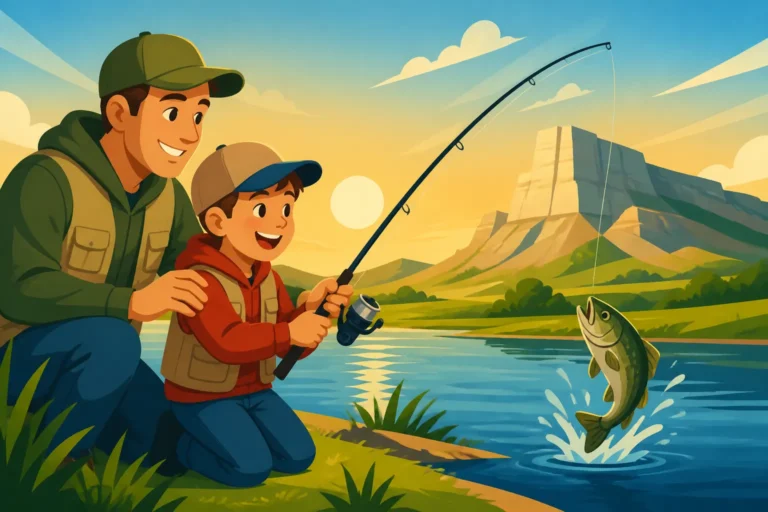
Trying to get your kids excited about fishing can sometimes feel like a bigger challenge than actually catching fish yourself! With so many distractions competing for their attention, and the fear of a boring trip leading to a lifelong aversion to the sport, it's easy for parents to feel overwhelmed. This guide is here to help you navigate the waters of introducing fishing to the next generation, focusing on the absolute best first fish for a kid to catch in Nebraska to ensure a fun, memorable, and successful outing that will hook them for life.
Why the First Fish Matters So Much
Think back to your own first fishing experience. Chances are, it wasn't about landing a trophy, but the sheer wonder of feeling that tug on the line, the excitement of seeing a fish up close, and the joy of sharing that moment with someone special. For kids, that initial spark is everything. A positive first trip can ignite a lifelong passion, while a frustrating one can turn them off fishing for good. It's not just about catching any fish; it's about catching the right fish in the right way.
Building Lasting Memories and a Love for the Outdoors
Fishing isn't just a hobby; it's a gateway to nature. When you take a child fishing, you're not just teaching them how to cast a line; you're teaching them patience, observation, and appreciation for the natural world. Their first fish isn't just a fish; it's a story they'll tell for years, a memory etched into their childhood. These early experiences help children develop a respect for wildlife and the environment, fostering a connection that can last a lifetime. Imagine them someday bringing their own kids out to the same pond, sharing those same traditions.
The quiet moments by the water, the rustle of leaves, the chirping of birds – these are all part of the fishing experience that so often gets overlooked in our fast-paced lives. For a child, these sensory details create a rich tapestry of memories, grounding them in the present and offering a peaceful escape. Even if the fish aren't biting constantly, the overall atmosphere and the quality time spent together are invaluable. It’s about more than just the fish; it’s about the journey and the shared adventure.
The Thrill of the Catch: Instant Gratification
Let's be honest, kids aren't known for their endless patience. Waiting hours for a bite can be a real buzzkill for a young angler. That's why the "thrill of the catch" is paramount for a first-time fishing experience. You want a fish that's willing to bite, one that doesn't require advanced techniques or hours of waiting. The immediate reward of seeing their bobber go down or feeling a strong tug on the line is crucial for keeping their spirits high and their interest piqued.
A fish that offers a good, memorable fight, even if it's not a giant, adds to the excitement. Feeling that struggle on the end of the line, reeling it in, and finally seeing it emerge from the water is pure magic. It reinforces the idea that their efforts lead to a tangible reward, building confidence and a desire to do it again. Without this instant gratification, fishing can quickly devolve into boredom, and that's the last thing you want on a first outing.
Keeping Them Engaged
Beyond the initial bite, keeping a child engaged throughout the fishing trip is key. This means choosing a fish species that is relatively abundant and predictable. If they catch one, they're likely to catch another, which maintains their focus and enthusiasm. Furthermore, selecting a fish that's fun to look at, or even better, good to eat, adds another layer of engagement. The idea of taking their catch home for a special dinner can be a huge motivator.
Having a steady stream of activity, even if it's just small panfish, prevents the dreaded "Are we there yet?" syndrome that can plague any family outing. It also opens up opportunities for teaching: how to bait a hook, how to hold the rod, how to gently unhook a fish, and even how to release it safely if you're practicing Catch and Release Best Practices in Nebraska. Each interaction with a fish is a learning moment and a chance to deepen their connection to the sport.
Top Contenders for a Kid's First Fish in Nebraska
When it comes to picking the perfect introductory species, you need fish that are plentiful, relatively easy to catch, and provide enough excitement to keep a young angler interested. Thankfully, Nebraska's waters are teeming with great options. We're looking for species that don't demand complex rigs or specific weather conditions, just a simple setup and a little bit of patience.
Bluegill: The Ultimate Starter Fish
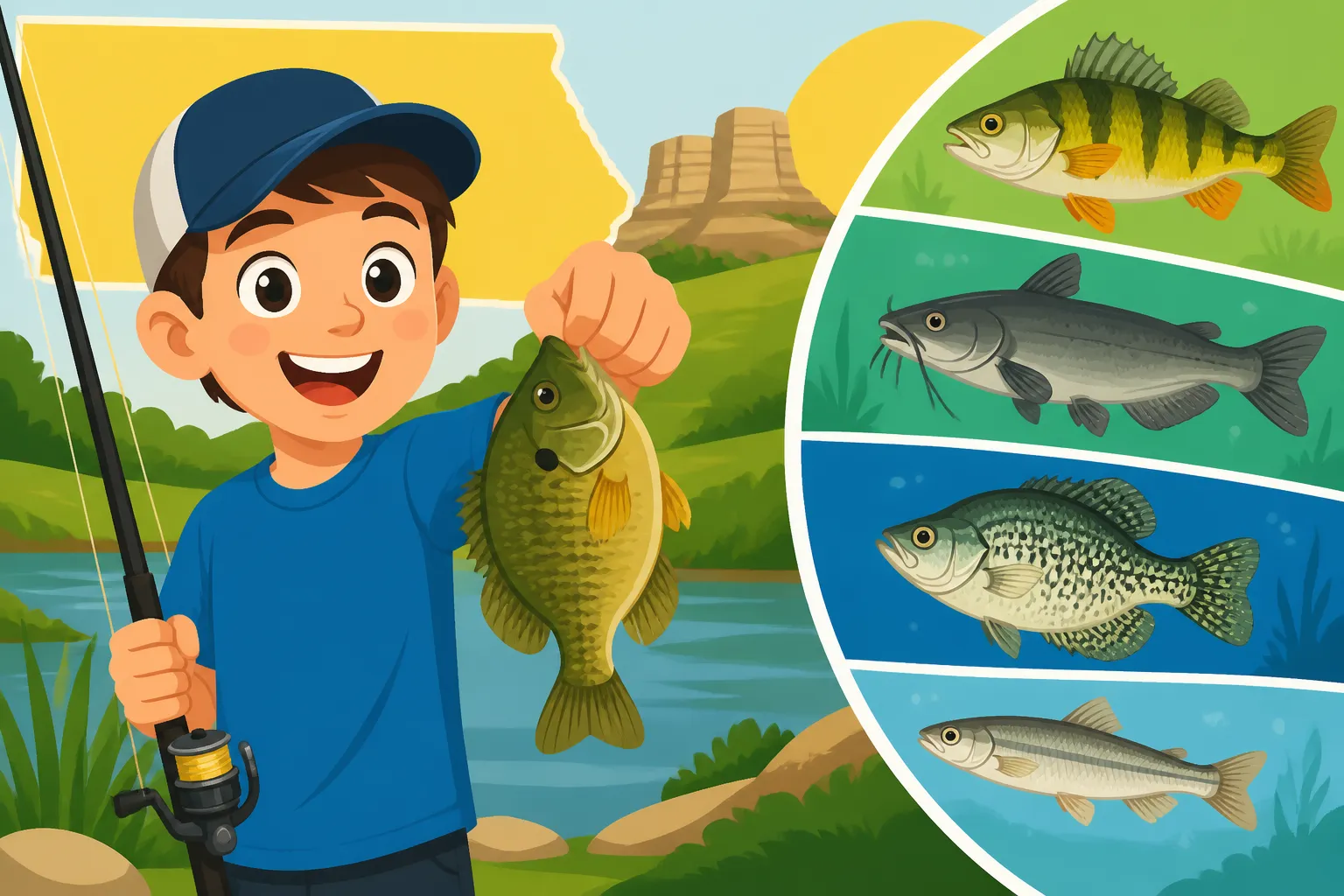
If there's a king of kid-friendly fishing, it's the bluegill. These little dynamos are abundant in most Nebraska ponds, lakes, and even some slow-moving rivers. They are notoriously aggressive eaters, meaning they're not shy about biting a baited hook. Their small size makes them easy for little hands to manage on a light rod, yet they put up a surprisingly spirited fight for their stature, providing plenty of excitement without overwhelming a beginner.
Bluegill are usually found close to shore, around weeds, docks, or submerged structures, making them accessible even without a boat. A simple setup with a small hook, a bit of bobber, and a piece of worm is often all it takes. The consistent action keeps kids from getting bored, and the bright colors of a male bluegill make for a pretty picture before release or taking home for a meal. You'll find that urban ponds and state recreation areas are often brimming with these cooperative little fish, making them a fantastic target for a quick afternoon trip. For more tips on bait, check out Best Bait for Bluegill and Sunfish.
They are also incredibly forgiving when it comes to technique. A sloppy cast? No problem. A hook set that's a little late? They often hang on. This resilience to beginner mistakes is what makes them truly shine as a first fish. You won't have to spend the entire trip re-rigging or explaining complex concepts. Instead, you can focus on the pure joy of the catch, the squeals of delight, and the shared laughter.
Channel Catfish: A Feisty, Forgiving Fight
For a slightly larger, but still very accessible, first fish, the channel catfish is an excellent choice. Nebraska's waters are absolutely loaded with channel cats, from small farm ponds to large reservoirs and winding rivers. What makes them great for kids? They're tough, they fight hard, and they're not particularly picky eaters, meaning you can often use readily available baits.
While they might require a slightly sturdier rod and reel than bluegill, they still don't demand a sophisticated setup. A simple bottom rig with a weight and a hook, baited with something smelly like chicken liver, cut bait, or even hot dogs, can be incredibly effective. Best Bait for Nebraska Catfish offers more insights. The anticipation of a bigger fish and the stronger pull on the line can be exhilarating for a child ready for a bit more of a challenge. Plus, channel catfish are fantastic table fare, which can add to the excitement of the trip, especially if they know they're bringing home dinner. Remember to check Nebraska Channel Catfish Daily Limit before you go.
Catfish are also often active during different times of day, including evenings, which can open up new experiences for young anglers, like a special "night fishing" trip. Their robust nature means they're quite resilient, and their distinctive look is always a hit. They represent that next step up in the fishing world, proving that with a little more effort, bigger rewards are waiting.
Crappie: Panfish Perfection (Especially in Spring)
Crappie, both black and white varieties, are another stellar option for young anglers, especially during certain times of the year. In Nebraska, spring is prime time for crappie fishing as they move into shallower waters to spawn, making them easier to locate and catch. They are known for schooling, so once you find one, you're likely to find many more, offering consistent action that’s perfect for kids.
Like bluegill, crappie are panfish, meaning they are a manageable size for kids, but they tend to grow a bit larger and offer a slightly more delicate bite and a distinct fight. They respond well to small jigs tipped with a minnow or a piece of plastic, fished under a bobber. This technique is relatively easy to master for a child and watching that bobber dance and dip is endlessly exciting. They're also delicious to eat, which, as we mentioned, can be a great motivator for kids.
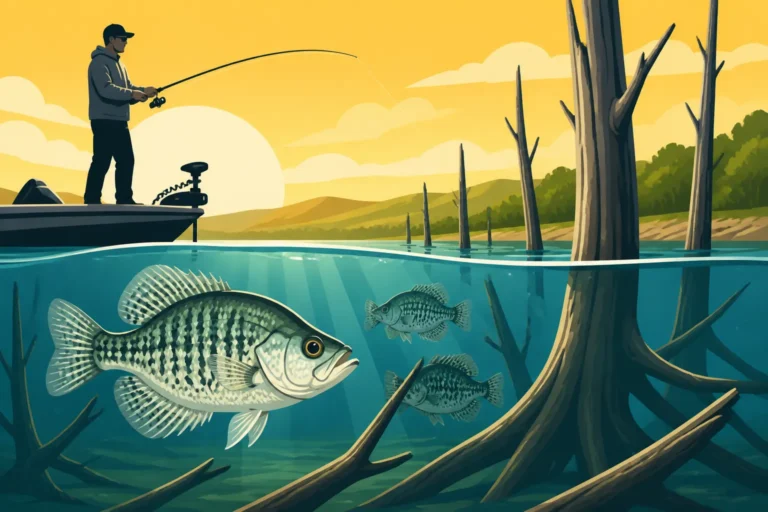
Fishing for crappie often involves finding submerged brush piles, docks, or standing timber, which can be a fun "treasure hunt" aspect for kids. Learning to identify these structures and understand how fish relate to them is an early lesson in angling strategy. Just be sure to be aware of Nebraska Crappie Daily Limit before you head out. This species offers a balance of accessibility and a bit more of a challenge, making them ideal for kids who have perhaps tried bluegill and are ready for something slightly different.
Perch: A Tasty, Willing Bite
Yellow perch might not be as universally abundant in every single Nebraska water body as bluegill or catfish, but where they are present, they are an absolute delight for young anglers. Known for their distinctive striped pattern and spiny dorsal fin, perch are willing biters, especially during cooler months and through the ice. They often school, so similar to crappie, once you find them, you can experience fast and furious action.
Perch readily hit small jigs, minnows, or even pieces of worm. They put up a decent fight for their size and are considered by many to be one of the best-tasting freshwater fish. The excitement of pulling up a brightly colored, delicious perch can make a fishing trip truly special. For kids, the consistent bites and the reward of a tasty meal can create strong positive associations with fishing.
Finding waters with a healthy perch population is key here. Larger reservoirs like Lake McConaughy or Merritt Reservoir, and some Sandhills lakes, are known for their perch. They offer a unique experience, especially for winter ice fishing, which can be a completely different and exciting adventure for a child. Introducing them to perch not only provides a fun target but also broadens their understanding of different fish species and habitats.
Here’s a quick comparison of these fantastic first fish options:
| Fish Species | Ease of Catch | Fight on Line | Eating Quality | Common Baits | Best Locations for Kids |
|---|---|---|---|---|---|
| Bluegill | Very Easy | Light | Good | Worms, Corn | Ponds, calm lake edges |
| Channel Catfish | Easy | Strong | Excellent | Liver, Hot Dogs | Rivers, reservoirs, ponds |
| Crappie | Moderate | Moderate | Excellent | Minnows, Small Jigs | Brush piles, docks, spring |
| Perch | Easy | Moderate | Excellent | Minnows, Worms, Small Jigs | Cooler lakes, ice fishing |
Gear Up for Success (Kid-Friendly Style)
One of the biggest mistakes parents make when taking kids fishing is using gear that’s too complicated, too heavy, or just not suited for small hands. Keep it simple, durable, and easy to use. Remember, the goal is fun, not frustration. You don't need to break the bank to get started; there are plenty of affordable options that will do the trick.
Simple Rods and Reels
For a child's first fishing experience, a spincasting rod and reel combo is hands-down the best choice. These "push-button" reels are incredibly easy to learn, minimizing tangles and maximizing casting success. Look for a rod that's around 4 to 5 feet long, lightweight, and has a comfortable handle designed for smaller hands. You can often find fantastic starter kits on Amazon that include everything a beginner needs.
Avoid spinning reels or baitcasters for absolute beginners, as they require more coordination and can lead to backlash and frustration. A good spincasting combo, pre-spooled with 6-8 lb test monofilament line, will be durable enough to withstand the inevitable bumps and drops while also being sensitive enough for them to feel those first bites. Investing in a couple of these inexpensive setups means you won't be constantly re-tying knots or untangling lines, allowing more time for actual fishing. For recommendations, check out Best Rod and Reel Combo for Beginners in Nebraska.
It’s also wise to have a backup rod, especially if you have multiple kids or if one rod decides to get tangled beyond quick repair. Kids are notorious for accidentally stepping on things or swinging their rod into trees, so durable construction is a plus. The rod should feel like an extension of their arm, not a cumbersome tool. Remember, the simpler the better for their first few outings.
Essential Tackle: Keeping it Basic
When it comes to tackle for kids, less is definitely more. You don't need a huge tackle box overflowing with hundreds of lures. Focus on the essentials: small hooks (size 8 or 10 for bluegill/crappie, size 4 or 6 for catfish), split shot sinkers, and bobbers. A small, clear plastic tackle box with just a few compartments will be perfect for them to organize their treasures.
For bobbers, traditional round red-and-white bobbers are iconic and easy for kids to spot when a fish bites. Slip bobbers can be good for slightly deeper presentations but might be a bit more complex for a very first timer. A handful of small jigs (1/32 oz to 1/16 oz) in bright colors can also be effective for crappie and perch, especially when tipped with a small piece of worm or minnow. Many pre-made panfish kits available on Amazon or at local sporting goods stores contain all these basic necessities.
Don't forget some essential tools: a pair of small pliers for unhooking fish (especially if they swallow the hook), and perhaps a small stringer or bucket if you plan to keep fish. Emphasize catch and release with kids for fish you're not keeping, showing them how to gently handle and return the fish to the water, teaching conservation from an early age. This simple approach ensures they spend more time fishing and less time fumbling with complicated gear.
The Right Bait Makes All the Difference
Choosing the right bait can make or break a kid's fishing trip. Forget fancy lures or complex presentations. For these beginner-friendly species, natural, readily available bait is usually the most effective and easiest to use. Worms (nightcrawlers or red wigglers) are universal fish magnets and are fantastic for bluegill, crappie, and even smaller catfish. They're easy to find at bait shops, gas stations, or even in your backyard after a rain.
For channel catfish, as mentioned, chicken liver is a tried-and-true option that emits a strong scent and drives them wild. Hot dogs cut into small pieces can also be surprisingly effective and are very easy for kids to handle and bait on a hook. For crappie and perch, small minnows can be irresistible, though live minnows require a little more care and a minnow bucket. The goal is to use bait that is easy to put on the hook, stays on reasonably well, and is appealing to the target species.
Having a variety of baits can also be helpful, especially if one isn't working. Kids love experimenting! Keep it simple, keep it smelly, and keep it on the hook. And don't forget the fun of digging for worms in the garden beforehand – that can be an adventure in itself! You can find a wide selection of hooks and bobbers that pair well with these baits on Amazon, often in multi-packs, so you're always prepared.
Finding the Best Spots for Little Anglers
Even with the perfect gear and the most cooperative fish, the location of your fishing trip significantly impacts a child's experience. You want places that are safe, accessible, and ideally, have some amenities that make the outing comfortable for the whole family. Nebraska offers a surprising number of fantastic spots that fit this bill perfectly.
Urban Ponds and State Recreation Areas
Nebraska's Game and Parks Commission does a fantastic job with its Nebraska Urban Fishing Program Stocked Ponds Near Me, specifically managing many ponds in and around cities like Omaha, Lincoln, Grand Island, and Kearney for family-friendly fishing. These ponds are often stocked with catfish and trout at various times of the year, alongside healthy populations of bluegill and bass. They're usually easy to access, with paved paths, fishing docks, and often restrooms nearby – a huge plus when fishing with kids!
State Recreation Areas (SRAs) are another goldmine for family fishing. Places like Eugene T. Mahoney State Park, Louisville State Recreation Area, or Two Rivers State Recreation Area offer not only great fishing but also playgrounds, picnic areas, and sometimes even nature centers. These spots provide a great backup plan if the fish aren't biting, ensuring there's always something else to keep the kids entertained. Always check the specific regulations for any SRA you visit, as some may have unique rules or require a Nebraska State Park Fishing Permit Rules in addition to your fishing license.
The beauty of these urban and state park locations is their convenience. You don't have to drive for hours to find good fishing. This means shorter travel times, more fishing time, and less chance for impatient outbursts. The environment is usually well-maintained and safe, giving parents peace of mind while their children enjoy the thrill of the catch.
Family-Friendly Lakes and Reservoirs
Beyond the urban ponds, many of Nebraska's larger lakes and reservoirs offer excellent opportunities for kids, especially in designated areas. Look for spots with gentle shorelines, sandy beaches, or designated fishing piers. Branched Oak Lake Fishing Guide near Lincoln, for example, has multiple access points, fishing piers, and camping facilities, making it ideal for a day trip or even an overnight adventure. Lewis and Clark Lake Fishing Guide up north also has plenty of family-friendly shore access.
Lakes that are known for stable populations of panfish or catfish, like Pawnee Lake, Wagon Train Lake, or Holmes Lake in Lincoln, are fantastic choices. These areas tend to have shallower, warmer waters near the edges where bluegill and smaller catfish congregate, making them perfect targets for young anglers fishing from the bank. When planning your trip, consider what amenities are available and whether the spot is known for consistent, easy fishing. Best Omaha Area Lakes for Family Fishing and Best Lincoln Area Lakes for Family Fishing can provide more specific options.
Remember that while larger reservoirs can hold trophy fish, for a kid's first trip, consistency often trumps size. A dozen small bluegill caught in an hour is far more exciting than waiting all day for one big walleye. Focus on locations where success is highly probable, creating a positive and encouraging experience for your budding angler.
Access and Amenities for Comfort
Comfort is king when fishing with kids. A successful trip often depends as much on amenities as it does on fish populations. Look for locations that offer easy, flat access to the water. Steep banks, muddy shorelines, or areas requiring long hikes are not ideal for young children. Paved paths, well-maintained fishing piers, and clear, open areas where they can cast safely are highly preferable.
Beyond direct water access, consider the creature comforts. Are there clean restrooms nearby? Picnic tables for a snack break? Shady spots to escape the sun on a hot day? These seemingly small details can make a huge difference in the overall enjoyment of the trip, preventing meltdowns and ensuring everyone has a good time. Bringing along plenty of snacks, drinks, and sunscreen is always a good idea.
Finally, always be sure you're compliant with Nebraska's fishing regulations. While Do Kids Need a Fishing License in Nebraska? clarifies age requirements, it's always good to be informed. Generally, residents under the age of 16 do not need a permit, but rules can vary. The Nebraska Fishing License Age Cutoff Explained provides more details. A little preparation goes a long way in making your kid's first fishing adventure a stress-free and joyful experience for everyone involved.
Disclaimer
This article is for general informational purposes only and does not constitute professional advice. Laws, prices and regulations vary by location and change over time. Consult a qualified professional for guidance on your specific situation.