How to Fight a Big Fish on Light Tackle
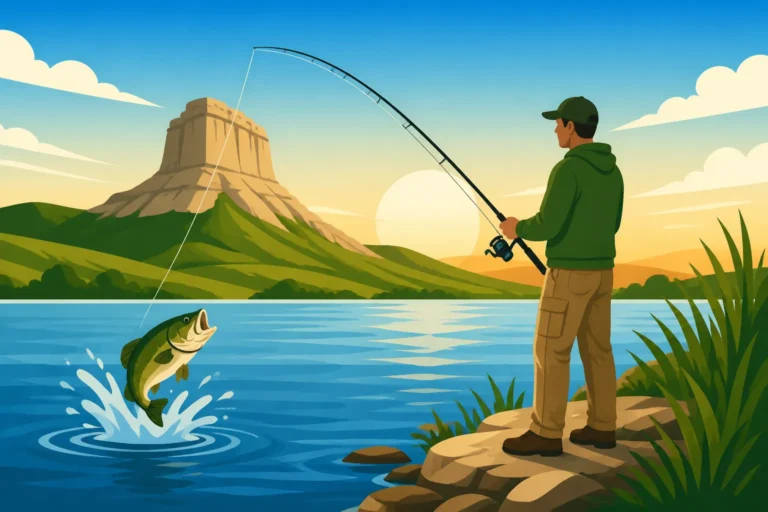
You know that heart-stopping moment when you feel a massive tug on your line, and then you realize you're using tackle meant for smaller fish? That mix of adrenaline and dread is all too familiar. Losing a potential trophy because your gear feels outmatched can be crushing, turning a moment of excitement into pure frustration. But here's the secret: you absolutely can land a big fish on light tackle with the right knowledge and technique. This guide is all about empowering you to turn those scary "what-if" moments into triumphant "I-did-it" stories on Nebraska's waters, ensuring you're ready when that monster bite happens.
The Thrill and Trepidation of Light Tackle Fishing
Fishing with light tackle is a passion for many anglers, including myself. There’s an undeniable rush that comes from feeling every head shake, every powerful run, and every subtle shift in the fish's fight. It truly elevates the experience, making even a common catch feel like a monumental victory. However, this excitement often comes with a healthy dose of anxiety when you hook into something truly substantial, something that could easily snap your line or straighten a hook. The thought of losing that once-in-a-lifetime fish because your gear seems outmatched can be utterly heartbreaking.
Light tackle typically means using lighter line test, a rod with more flex, and a reel designed for smaller game. While it might seem counterintuitive to pursue big fish with such delicate gear, it’s precisely this challenge that makes it so rewarding. It demands more skill, patience, and a deeper understanding of how your equipment interacts with the power of the fish. It forces you to become a better angler, relying on finesse and strategy rather than brute force. In Nebraska, whether you're targeting a behemoth channel catfish in the Platte River or a giant walleye in Lake McConaughy, understanding the nuances of light tackle can be the difference between a broken heart and a bragging-rights photo.
Mastering Your Drag System: The Ultimate Shock Absorber
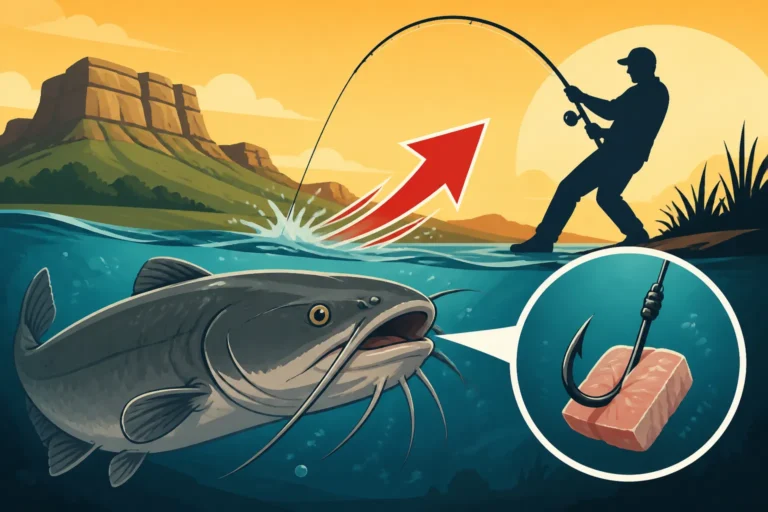
When you’re fighting a big fish on light tackle, your drag system isn’t just important – it’s your absolute best friend. Think of it as the shock absorber between your line and the surging power of a large fish. Without a properly set and understood drag, even the strongest angler would quickly snap their line. The drag's job is to allow line to peel off the spool smoothly under pressure, preventing break-offs while still applying enough tension to tire the fish.
Understanding How Drag Works
Your fishing reel’s drag system consists of a series of washers that create friction. When a fish pulls hard enough, these washers slip, allowing line to release. This mechanism protects your line from exceeding its breaking strength. For instance, if you're using 8-pound test line, your drag should be set to release line before the tension reaches 8 pounds. A common rule of thumb is to set your drag to about 25-30% of your line's breaking strength. So, for 8-pound line, you'd aim for a drag setting of around 2-2.5 pounds. This allows for some give-and-take during the fight without instantly snapping your line.
To check your drag, pull line directly from the spool while your rod is bent into a typical fishing arc. You can use a small scale to get an accurate reading, or simply develop a feel for it. It should be smooth, without any stuttering or sticking. A jerky drag can create sudden spikes in tension, leading to unexpected break-offs. If your drag feels sticky, it might be time for a clean and re-grease, or even new drag washers. You can often find replacement drag washer kits and specialized lubricants on Amazon to keep your reels in top shape. Regularly inspecting your drag system before each outing, especially if you're targeting larger species, is a critical habit to develop.
Adjusting Drag During the Fight
While setting your drag before the fight is essential, the real mastery comes from knowing how and when to adjust it during the battle. This is where experience truly shines. When a big fish makes a powerful, screaming run, you might instinctively want to tighten the drag to stop it. Resist that urge! That's exactly when you need your drag to be working overtime, smoothly giving line to prevent a snap. Let the fish run, let it expend energy.
Conversely, when the fish slows down or turns its head, that's your opportunity to gain line. You might even slightly increase the drag momentarily to put more pressure on the fish and turn its head towards you, but be ready to back off immediately if it decides to bolt again. This dynamic adjustment is often a subtle art, controlled by your thumb on the spool (for baitcasters) or a slight turn of the drag knob (for spinning reels). Remember, the goal isn't to stop the fish cold, but to tire it out by letting it pull against a consistent, yielding force. Over-tightening your drag will result in lost fish and shattered dreams.
The Dance with a Monster: Techniques for Playing a Big Fish
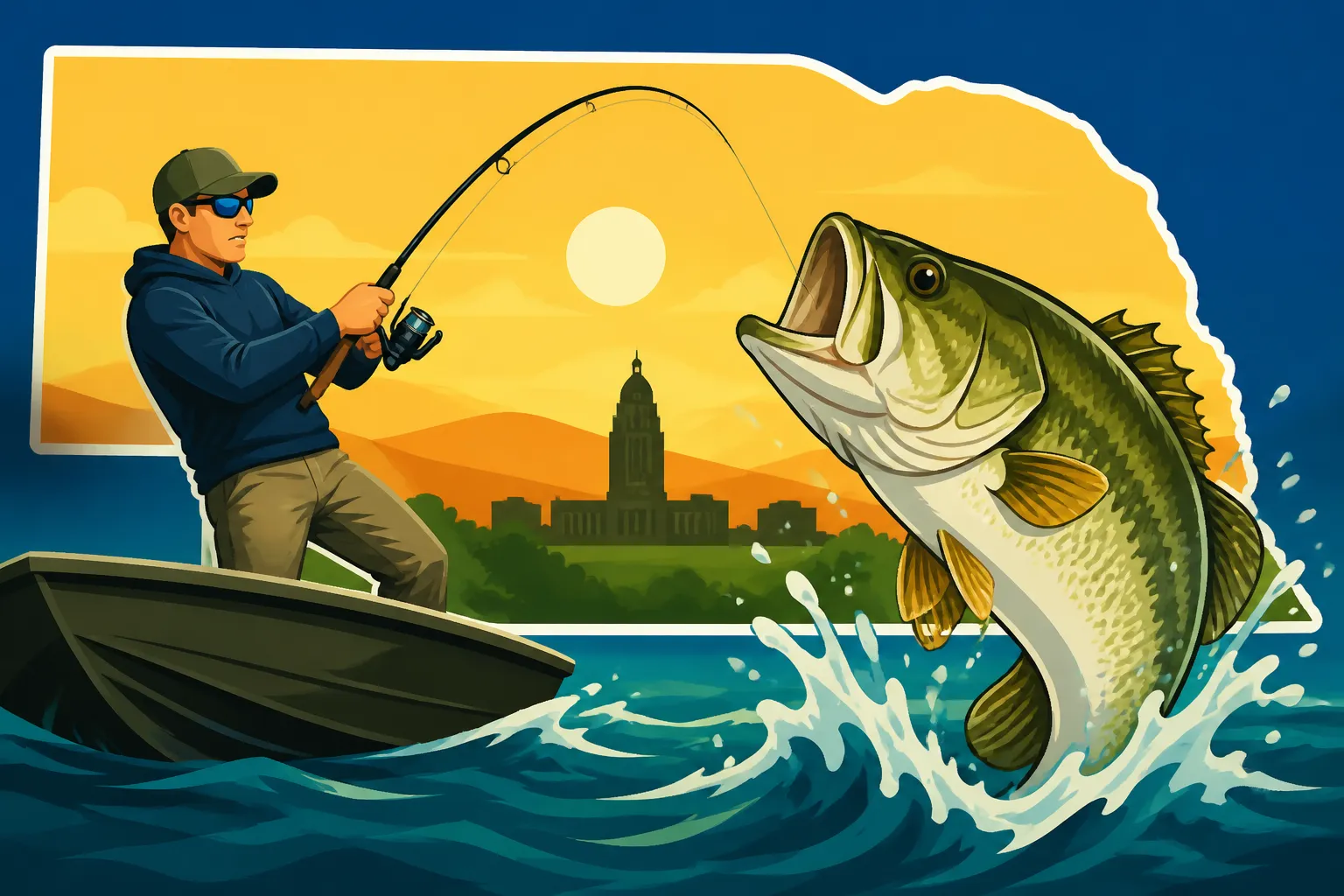
Once you've hooked into a substantial fish on light tackle, the fight isn't just about reeling; it's a strategic dance. Every move you make, and every move the fish makes, dictates the outcome. Your rod, line, and body become an extension of your will against the raw power of the fish.
Pumping and Reeling: The Classic Technique
The "pumping and reeling" technique is fundamental for fighting large fish, especially on lighter gear. Here’s how it works:
- Pump Up: Raise your rod tip smoothly but firmly from a low position (around 9 o'clock) up towards 11 or 12 o'clock. This motion uses the rod's backbone to lift the fish and gain line. As you lift, the rod bends and takes the strain.
- Reel Down: As you lower your rod tip back down to the 9 o'clock position, quickly reel in the slack line that the "pump" created. This is crucial: you only gain line when the rod is coming down and you're cranking the reel.
Repeat this cycle. The key is to never reel while you're lifting the rod, as this puts immense strain on your reel's gears and doesn't effectively use the rod's power. It's a rhythmic process that applies consistent pressure, slowly but surely bringing the fish closer. This method allows the rod to do the heavy lifting, taking pressure off your line and arms, while the drag handles the sudden surges. How to Set the Hook on a Catfish Bite is a great resource if you're looking to refine your initial hookset, as a good start leads to a better fight.
Maintaining Proper Rod Angle
Your rod angle is paramount. Always keep your rod tip pointed towards the sky, ideally at around a 45-degree angle to the water. This allows the full length of the rod to flex and absorb the shock of the fish's movements. If you point your rod directly at the fish, you lose the shock-absorbing benefits of the rod's bend, and all the pressure is transferred directly to your line, making it much more susceptible to breaking.
Conversely, high-sticking (pointing the rod straight up, past 90 degrees) can put too much stress on the rod blank, potentially leading to a break. It also doesn't allow for quick adjustments if the fish suddenly dives. A consistent 45-degree angle provides the perfect balance between leverage, shock absorption, and control. When that big walleye makes a run at Lake McConaughy, letting your rod tip dictate the pressure will save your line and your fish.
Walking the Line: Following the Fish
A common mistake, especially with lighter tackle, is to remain stationary while a powerful fish runs. If possible, move with the fish! If it runs left, move left along the bank or pivot your boat. If it runs right, follow. This keeps the fish directly in front of you, reducing the angle your line has to bend around obstacles and maintaining optimal pressure. It also minimizes the chance of the line rubbing against structure like rocks, logs, or bridge pilings, which can quickly abrade even tough lines like fluorocarbon or braid. Remember, your line is your lifeline, and protecting it from friction is a top priority. A quality braided line available on Amazon can offer exceptional strength-to-diameter ratio, but even braid can fray on sharp edges. For specific line advice, check out Best Fishing Line for Nebraska Walleye or Monofilament Versus Braided Line for Catfish.
The Final Act: Landing, Releasing, and Post-Fight Care
After what feels like an eternity of pumping, reeling, and adrenaline-fueled maneuvers, you'll finally get that big fish close enough to land. This is often where many battles are lost, so don't let your guard down!
The Art of the Landing
Bringing a tired but still powerful fish into the boat or onto the bank requires finesse. If you have a net, ensure it's large enough for the fish you're targeting. A small panfish net won't do for a trophy catfish. Guide the fish head-first into the net; trying to net a fish tail-first is an invitation for it to bolt. For very large fish, or if you're without a net, a lip-grip tool can be incredibly useful, especially for toothy species. Just be gentle and support the fish's body weight.
If you're shore fishing and don't have a net, try to guide the fish into shallow water where you can safely grasp it, always being mindful of hooks. For species like catfish, a firm grip behind the gills can work, but always be aware of sharp fins. Have your camera ready, but prioritize the fish's safety and your own. A quality landing net can make all the difference, and you can find a good range of options, including larger nets suitable for Nebraska's bigger species, by searching on Amazon. Don't skimp on this crucial piece of gear; you don't want to lose a fish at the boat because your net was too small!
Safe Release for Future Fights
If you intend to release the fish, particularly a large trophy caught on light tackle, handling it with care is paramount for its survival. Minimize its time out of the water. Handle the fish with wet hands to protect its slime coat, which is its natural defense against disease. Use pliers or a de-hooking tool to quickly remove the hook. Avoid squeezing the fish, especially around the gills or belly.
For larger fish, support their full body weight horizontally. Don't hold them vertically by the jaw or tail, as this can damage internal organs and the spinal column. If the fish is exhausted, hold it gently in the water, facing into a current if possible, until it regains strength and can swim away on its own. Seeing a powerful fish swim off strong is just as rewarding, if not more, than the catch itself. Understanding Catch and Release Best Practices in Nebraska is vital, especially when dealing with stressed fish. For additional tips, consider reading How to Handle Fish in Hot Summer Water to ensure you're doing your best for every catch.
Post-Fight Gear Inspection
After the adrenaline subsides and the fish is either in the cooler or safely released, take a moment to inspect your gear. Light tackle can take a beating from a big fish.
- Check your line: Run your fingers along the entire length of your line, feeling for nicks, abrasions, or weak spots. Pay extra attention to the last few feet near your leader or knot. If you find any damage, cut it off and re-tie, or even replace your leader entirely.
- Inspect your rod: Look for any cracks or stress points, particularly near the ferrules (where sections join) or around the guides. Check that all guides are straight and free of damage.
- Examine your reel: Ensure your drag knob is snug, and give the spool a spin to listen for any unusual noises. Check for any wobble in the handle. A thorough cleaning after a tough fight can prevent long-term damage.
- Hooks: Hooks can get bent or dulled during a prolonged battle. Replace any compromised hooks.
This diligent inspection ensures your gear is ready for the next encounter and prevents frustrating failures on future trips. Investing in quality gear from reliable brands, easily found on platforms like Amazon, and maintaining it properly, means you'll be prepared for whatever Nebraska's waters throw your way. For those looking to set up their gear, articles like Best Rod Setup for Nebraska Walleye or Best Rod Setup for Nebraska Catfish offer species-specific guidance.
Essential Gear Considerations for Light Tackle Battles
While skill and technique are paramount, having the right light tackle setup can significantly improve your chances of landing that big one. It’s a balance of sensitivity, strength, and finesse.
| Gear Item | Light Tackle Considerations | Importance in Fighting Big Fish on Light Tackle |
|---|---|---|
| Rod | Medium-light to Medium power, Fast action (6'6" to 7'6") | Absorbs shock, provides leverage, sensitive to bites |
| Reel | Smooth drag, appropriate line capacity (2000-3000 size) | Essential for line release, prevents break-offs |
| Line | High-quality monofilament, fluorocarbon, or braid | Strength, abrasion resistance, low visibility |
| Leader | Fluorocarbon recommended (slightly heavier than main line) | Stealth, abrasion resistance near the hook |
| Hooks | Sharp, strong, appropriate size for bait/lure | Secure hookset, prevents straightening |
| Net/Gripper | Appropriately sized, rubberized for fish health | Safe landing, prevents last-minute escapes |
When choosing your line, remember that while braid offers incredible strength-to-diameter, it has almost no stretch, meaning less forgiveness when a fish surges. A good fluorocarbon leader, sometimes found in bulk spools on Amazon, can add the necessary invisibility and abrasion resistance while maintaining sensitivity. For those starting out, a solid Best Rod and Reel Combo for Beginners in Nebraska can be a great entry point into the world of light tackle, offering a balanced setup without breaking the bank. Even a Best Budget Spinning Reel for Panfish can surprise you with its capabilities if paired with the right line and technique.
Successfully fighting a big fish on light tackle is one of the most rewarding challenges in angling. It sharpens your skills, deepens your understanding of fish behavior, and builds an incredible connection between you, your gear, and the wild power of the fish. So, gear up, trust your drag, and get ready for the fight of your life on Nebraska's beautiful waters!
Disclaimer
This article is for general informational purposes only and does not constitute professional advice. Laws, prices and regulations vary by location and change over time. Consult a qualified professional for guidance on your specific situation.