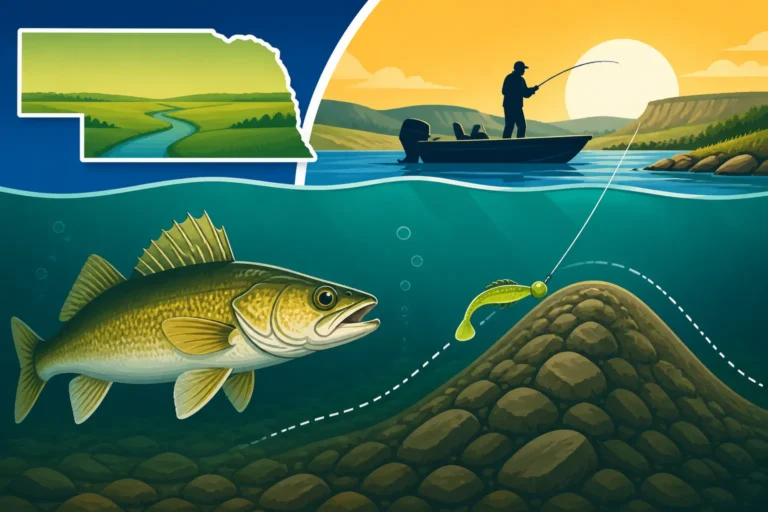
How to Handle Fish in Hot Summer Water
Ah, summer fishing in Nebraska! There's nothing quite like it – the sun on your face, the gentle rocking of the boat, or the quiet solitude of a bankside spot. But let's be real, those scorching summer days, especially from late June through August, bring a unique challenge: the water gets hot. And when the water gets hot, our finned friends feel the heat too. It can be heartbreaking to catch a beautiful walleye or a feisty bass, only to watch it struggle to swim away after release. This guide is all about giving you the practical, empathetic advice you need to handle fish gently in those warm summer waters, ensuring they have the best possible chance of survival once they swim free.
Understanding the Hidden Dangers of Warm Water for Nebraska Fish
It’s easy to think of fish as being perfectly adapted to water, and they are, but within certain temperature ranges. When those Nebraska lakes and rivers heat up, especially during prolonged stretches of 90-degree days, the water itself changes, and it poses a serious threat to fish health. It's not just about comfort; it's about survival.
The Oxygen Depletion Problem
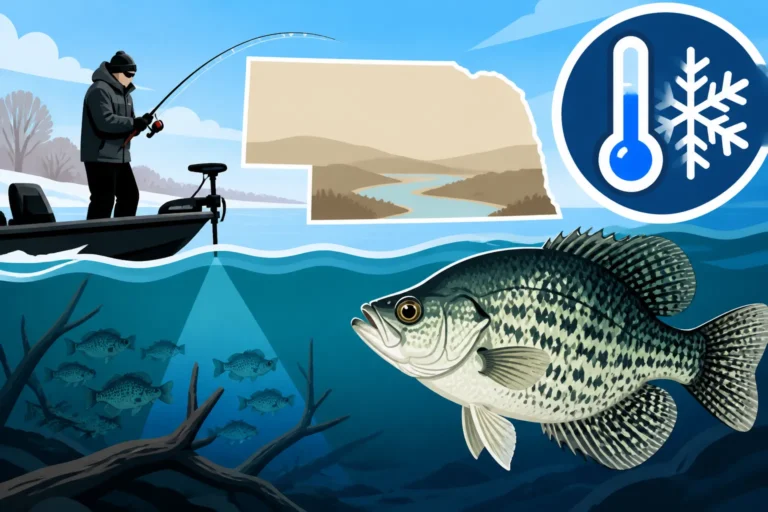
One of the biggest issues with warm water is a silent killer: dissolved oxygen. Think back to science class – warmer water holds less oxygen than colder water. As surface temperatures climb into the 80s or even higher in shallow areas of reservoirs like Branched Oak Lake or smaller ponds, the amount of available oxygen for fish to breathe plummets. This is like us trying to run a marathon on a mountain peak where the air is thin. Fish, especially species like walleye and trout, which prefer cooler water, become severely stressed trying to get enough oxygen. What Water Temperature Walleye Prefer is a really important piece of the puzzle here, as is understanding What Water Temperature Bass Prefer and What Water Temperature Catfish Prefer. Different fish have different tolerances, but none of them like an oxygen-deprived environment.
Increased Metabolic Stress and Exhaustion
When fish are in warm, low-oxygen water, their metabolism kicks into overdrive just to function. Every action, every beat of their heart, requires more energy. Now, imagine a fish in this state fighting for its life against your line. The exertion of the fight, combined with the already stressful conditions, can push them past their limits. They build up lactic acid in their muscles, much like we do after a strenuous workout, but without sufficient oxygen to recover. This leads to severe exhaustion and often delayed mortality, where a fish swims away, but doesn't make it in the next few hours or days. We've all seen a fish that looks fine at release but just doesn't seem to have that powerful kick. It's a real worry, and it's why our handling practices matter so much.
Essential Practices for Minimizing Fish Stress During the Catch
Knowing the risks is half the battle; the other half is actively changing our habits to protect the fish we love to pursue. This isn't about blaming anyone; it's about continually learning and adapting to be the best stewards of Nebraska's fisheries we can be.
Choosing the Right Gear to Expedite the Fight
The longer a fish fights, the more exhausted it becomes, especially in warm water. This means having appropriate tackle is crucial. While it might be fun to catch a big channel catfish on ultralight gear, if the water temps are in the high 70s, that extended fight might be its death sentence.
- Rod and Line: Opt for a rod with enough backbone and a line strong enough to bring the fish in quickly but gently. This doesn't mean horsing them in, but it does mean avoiding unnecessarily long, drawn-out battles. For larger species like wipers or big walleye, a medium-heavy rod with 10-15 lb test can make a huge difference. Check out advice on Best Fishing Gear for Nebraska Anglers to get a better idea of what might be right for your target species.
- Hook Type: Barbless hooks or hooks with crimped barbs can significantly speed up the de-hooking process. Circle hooks are fantastic for catfish and even some walleye applications because they often hook in the corner of the mouth, making removal quick and minimizing gut hooking, which is almost always fatal in warm water. You can find excellent quality circle hooks and de-hooking tools on
Amazonwith quick delivery.
Efficient Landing and Handling
Once you've hooked a fish, every second it's out of the water or being handled poorly increases its stress.
- Netting: A good rubber-coated landing net is a game-changer. It protects the fish's slime coat (which is its first line of defense against disease) much better than a nylon net, and the hooks don't get tangled as easily. When you net the fish, aim to scoop it head-first, minimizing the thrashing and struggle. Consider larger nets for bigger fish; Best Landing Nets for Big Fish will guide you to some good options. Keep your net wet, too!
- Minimizing Air Exposure: This is perhaps the single most important rule in warm water. Fish "breathe" water. Taking them out of water is akin to holding our breath. While a quick photo is often desired, make it quick. Have your camera ready, get the shot, and get the fish back in the water immediately. Avoid laying fish on hot, dry boat decks, rocks, or sandy banks. If you absolutely must, a wet towel or mat can provide a temporary, cooler surface.
| Sign of Fish Stress | Potential Cause (Warm Water) | Immediate Action |
|---|---|---|
| Slow or no tail kick | Low oxygen, exhaustion | Begin revival in water |
| Swimming on side/upside down | Severe exhaustion, oxygen debt | Hold upright, gently move through water |
| Gills not moving or moving erratically | Respiratory distress | Check for obstructions, try to revive |
| Bleeding from gills/mouth | Deep hooking, rough handling | Assess severity; often poor prognosis |
| Lethargy, unresponsive to touch | Extreme stress, shock | Focus on revival; release only if strong |
Safe Handling and Release Techniques for Warm Water Conditions
The moment of release is critical, especially when the fish has already endured the stress of a fight in warm water. Your actions here determine if it swims away to spawn another day or becomes an easy meal for a predator.
Keeping Fish Wet and Using Proper Tools
Always, always keep the fish as wet as possible. If you're handling it for a picture or de-hooking, squat down with the fish partly submerged.
- Gloves and Grips: Wet hands are crucial for handling fish. Dry hands can strip away their protective slime coat, leaving them vulnerable to fungal infections and parasites. If you're using fish grips, make sure they are properly sized and used gently on the lower jaw, never lifting the entire weight of a heavy fish vertically by the jaw alone, as this can cause jaw damage.
- De-hooking Tools: Invest in good quality pliers or a de-hooking tool. These allow you to remove hooks quickly and cleanly, minimizing physical damage. Long-nosed pliers are great for smaller hooks, while specialized de-hookers can reach deeper-set hooks. Many anglers find these tools indispensable, and you can easily find a variety of options on
Amazon. For more guidance on this, check out Best Pliers for Removing Hooks.
The Art of the Revival
Not all fish will rocket off upon release. Many, especially larger ones or those caught after a long fight in warm water, will need some assistance.
- Submerge and Support: Hold the fish gently in the water, supporting its belly if it’s having trouble staying upright. Ensure water is flowing over its gills. If you're in a boat, hold it facing forward into the boat's motion or in the current. If you’re shore fishing in a slow-moving river like sections of the Platte, find a spot with a gentle current and hold the fish facing upstream.
- Observe for Strength: Watch for signs of recovery: strong, steady gill movements and a powerful tail kick. Don't rush the release. Only let go when the fish can hold itself upright and actively tries to swim away from your grasp. If it keeps rolling over or swimming erratically, continue the revival process. This patient approach is a cornerstone of How to Release a Fish Safely to Survive and Catch and Release Best Practices in Nebraska.
Knowing When to Keep
Sometimes, despite your best efforts, a fish is simply too stressed or too injured to survive. If a fish is bleeding heavily from the gills, or if it's utterly unresponsive after a prolonged revival attempt, it's often more humane to keep it, if legal, rather than releasing it to die slowly. This is a tough call, but part of responsible angling. Always be mindful of Nebraska Fishing Regulations Explained and bag limits before making this decision.
Proactive Measures: Planning Your Nebraska Summer Fishing Trip
Beyond how you handle fish once they're caught, there are strategic choices you can make before you even wet a line that will dramatically improve fish survival rates during hot weather.
Timing is Everything: Early Mornings and Late Evenings
This is perhaps the simplest and most effective strategy. Water temperatures are at their coolest during the early morning hours, typically from dawn until a few hours after sunrise. Similarly, as the sun dips below the horizon and into the night, water temperatures begin to drop again. Planning your trips for these cooler periods means fish are less stressed, more active, and more likely to survive release. This is especially true for popular species. Best Time of Day to Catch Bass in Hot Weather isn't just about catching more fish; it's about catching healthier fish.
Targeting Cooler Waters and Species Tolerant of Heat
If you absolutely must fish during the hottest parts of the day, consider where you're fishing and what you're targeting.
- Deeper Water: In many Nebraska reservoirs, deeper water remains significantly cooler than the surface. Fish like walleye will often retreat to these cooler, more oxygenated depths. Targeting them with deep-diving crankbaits, jigs, or bottom bouncers can be effective.
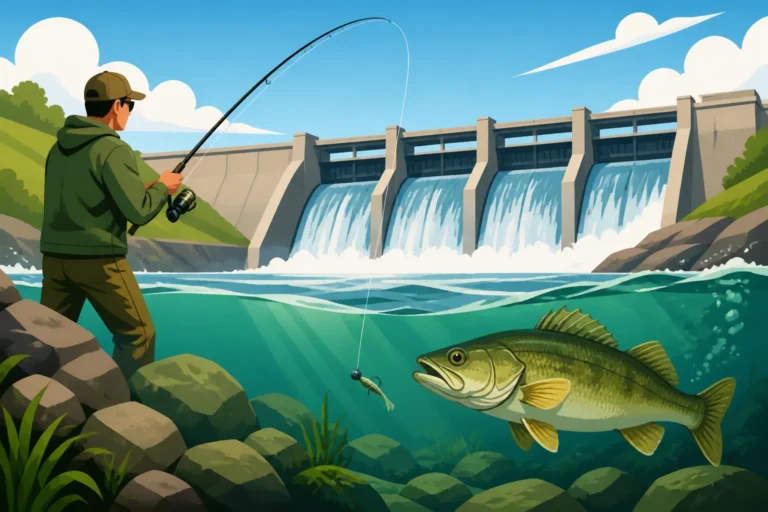
- River Systems: Rivers like the Missouri or Platte can sometimes offer slightly cooler conditions due to current, especially in deeper channels or below dam outflows. However, shallow river sections can heat up quickly too.
- Heat-Tolerant Species: Some species handle warm water better than others. Channel catfish, for example, are much more tolerant of higher temperatures and lower oxygen levels than, say, rainbow trout. If your goal is just to get a bend in the rod, consider targeting species that are more resilient in the heat. Take a look at the Nebraska Fish Species Identification Guide to understand the common fish you might encounter and their general tolerances.
Monitoring Water Temperature
Having a simple water thermometer on board is a great tool. They’re inexpensive and readily available on Amazon or at any fishing tackle shop. Knowing the actual water temperature can help you make informed decisions. If the surface water is 85 degrees, you might consider packing it in or moving to a deeper, cooler spot. If it's a bit cooler, say 75, you can proceed with more confidence, still being mindful of careful handling. Paying attention to these subtle environmental cues, including How Barometric Pressure Affects Fishing in Nebraska, can significantly improve your success and the well-being of the fish.
Implementing a "No-Kill" Policy
On truly sweltering days, when the water temperature is pushing critical limits (often above 80-82 degrees for many game fish), consider implementing a voluntary "no-kill" policy for the day. This means that every fish you catch, regardless of size or species (as long as it's not deeply hooked or mortally wounded), goes back into the water. If you absolutely need fish for dinner, plan those trips for cooler times of the year or cooler parts of the day. It’s a small sacrifice for the health of the fishery and a great way to ensure that Nebraska’s waters remain vibrant for generations of anglers to come.
Fishing in Nebraska during the summer can be incredibly rewarding, and by being mindful and proactive about how we interact with the fish, we ensure that the joy of the catch doesn't come at the expense of our precious aquatic resources.
Disclaimer
This article is for general informational purposes only and does not constitute professional advice. Laws, prices and regulations vary by location and change over time. Consult a qualified professional for guidance on your specific situation.