Nebraska Rough Fish Species Guide
Many anglers in Nebraska find themselves frustrated, overlooking a vast and exciting segment of our state's aquatic inhabitants, often dismissing them as "trash fish." This narrow view means missing out on incredible sport fishing opportunities, delicious table fare, and a deeper appreciation for the rich biodiversity of Nebraska's waters. This guide aims to pull back the curtain on these often-maligned species, offering a comprehensive look at Nebraska's rough fish, how to identify them, where to find them, and most importantly, how to enjoy the thrilling experience of targeting them.
Understanding "Rough Fish" in Nebraska Waters
The term "rough fish" is one that carries a lot of historical baggage. For decades, it was used to categorize any fish species that wasn't considered a prime "game fish" like walleye, bass, or trout. This often meant bottom feeders, fish that thrived in murky waters, or those not typically targeted by traditional rod-and-reel anglers. However, in recent years, there's been a growing movement to redefine and re-appreciate these resilient, often powerful, species.
What Defines a "Rough Fish"?
Historically, a "rough fish" was broadly defined as a fish species not highly valued for sport or food. This definition often stemmed from a combination of factors: their appearance (some aren't as "pretty" as a rainbow trout), their habitat preferences (often muddier, warmer waters), or their feeding habits (many are omnivorous bottom-feeders). They were seen as competitors with game fish, or even as detrimental to game fish populations, leading to widespread efforts to remove them from various water bodies. Think of species like carp, gar, or drum – these were, and sometimes still are, the poster children for the "rough fish" label.
However, this definition is slowly, but surely, evolving. Many anglers now understand that "rough fish" are incredibly important components of our aquatic ecosystems. They occupy unique niches, helping to filter water, consume detritus, and serve as a food source for larger predators. What's more, a growing number of fishing enthusiasts are discovering that these fish offer fantastic sport. The fight of a large carp can rival that of any freshwater species, and the prehistoric allure of a gar is undeniable. The term itself is becoming less about disdain and more about a category of fish that simply haven't received the same marketing and attention as their "game fish" counterparts.
Why the Stigma? A Historical Perspective
The stigma against rough fish largely originated from a focus on certain species as primary targets for sport and consumption. Early European settlers brought their angling traditions with them, often prioritizing fish like trout and salmon. As American angling developed, species like largemouth bass, walleye, and crappie became highly prized for their perceived fighting ability and table quality. Anything outside of these categories often fell into the "rough" or "undesirable" bucket.
This perception was further cemented by agricultural practices and habitat changes. As landscapes changed, many native fish species adapted to warmer, murkier waters, while "game fish" often preferred cleaner, cooler environments. When these "rough fish" thrived in altered habitats, they were sometimes blamed for the decline of game fish, even when habitat degradation was the true culprit. Misconceptions about their taste also played a huge role; many believed they were inherently "muddy" or bony, often without ever trying them or learning proper cleaning techniques. This led to regulations and management practices that often encouraged their removal, fostering a cycle of disregard. However, as anglers become more diverse in their pursuits and more educated about aquatic ecosystems, this historical bias is fading, and species like carp are even becoming targets for specialized fly fishing, requiring skill and finesse. It's a testament to the changing tides in the angling world that these fish are finally getting their due.
Common Nebraska Rough Fish Species and How to Identify Them
Nebraska's rivers, lakes, and ponds are teeming with a variety of fascinating rough fish species, each with its own unique characteristics and angling appeal. Getting to know them is the first step to appreciating their place in our waters and perhaps even targeting them for an exciting day on the water.
The Mighty Common Carp: A Versatile Fighter
The common carp (Cyprinus carpio) is arguably the most recognized "rough fish" in Nebraska, and indeed, across much of the world. Brought to the U.S. in the late 19th century as a food fish, they quickly adapted and proliferated in almost every type of freshwater environment.
Identification: Carp are easily identified by their large, prominent scales and two pairs of barbels (whisker-like sensory organs) around their mouth. Their body shape is typically deep and somewhat torpedo-like, ranging in color from olive green to brownish-gold, often with a yellowish belly. They have a single dorsal fin, which is long and serrated on the front ray. Unlike buffalo fish, carp possess these distinct barbels and typically have a more rounded, down-turned mouth. Mirror carp, a variant of the common carp, have much larger, irregular scales with patches of skin, while "leather carp" are almost entirely scaleless.
Habitat and Behavior: Carp are incredibly adaptable and can be found in almost any Nebraska water body, from the slow-moving Platte River and Missouri River to small farm ponds and large reservoirs like Lake McConaughy. They tolerate a wide range of water conditions, including low oxygen levels and high turbidity, which is why they often thrive in areas where other fish struggle. Carp are primarily bottom feeders, using their protrusible mouths to suck up invertebrates, plant matter, and detritus from the substrate. They can often be seen "tailing" in shallow water, with their tails breaking the surface as they root around in the bottom muck. They are also known to cruise slowly near the surface, especially on warm, calm days. Don't let their bottom-feeding habits fool you; when hooked, a large common carp is an incredibly powerful fighter, making long, sustained runs that can test the limits of your tackle. If you're looking for a challenge, learning How to Catch Carp on Rod and Reel is a fantastic pursuit.
Gar: Ancient Predators of Nebraska's Rivers
Gar are truly prehistoric-looking fish, recognizable by their distinctive elongated bodies and long, tooth-filled snouts. They are native to Nebraska and are apex predators in many of the state's river systems.
Identification: The two most common gar species in Nebraska are the Longnose Gar and the Shortnose Gar. Both share the characteristic torpedo-shaped body, armored with hard, diamond-shaped, non-overlapping ganoid scales that are almost like bone. Their most striking feature is their long, duck-bill-like snout, which is lined with numerous sharp teeth. The primary difference between the two lies in the length of their snout: the Longnose Gar has a much longer, more slender snout (longer than the rest of its head), while the Shortnose Gar's snout is shorter and broader. Gar are generally greenish-brown on their backs with lighter bellies, often adorned with dark spots on their bodies and fins. For a detailed look at how to distinguish them, check out How to Identify a Longnose Gar.
Habitat and Behavior: Gar prefer slow-moving or stagnant waters, making them common inhabitants of river backwaters, oxbow lakes, and quiet sections of larger rivers like the Missouri and Platte. They often cruise just below the surface, especially on sunny days, making them highly visible. They are ambush predators, lying in wait and then using their lightning-fast strike to snatch unsuspecting fish or crustaceans with a sideways sweep of their head. While their appearance might suggest aggression, they are generally not considered a threat to swimmers. Their hard, bony mouths can make them challenging to hook with traditional methods, but their aerial acrobatics and powerful runs once hooked make them an exhilarating target for sport anglers, particularly those engaged in bowfishing.
Freshwater Drum: The "Gaspergou" of Reservoirs
Often overlooked, the freshwater drum (Aplodinotus grunniens) is a widespread and often abundant species in Nebraska's larger water bodies. Known by some as "gaspergou" or "sheepshead," these fish offer a solid fight and can be surprisingly good table fare.
Identification: Freshwater drum have a distinctive, high-backed, somewhat compressed body, giving them a stocky appearance. They are typically silvery-bronze to grayish in color, with a prominent lateral line that extends all the way to the end of their rounded tail fin. Their mouth is subterminal (located on the underside of the head) and slightly protrusible, adapted for bottom feeding. One of their most unique characteristics is their ability to produce a "grunting" or "drumming" sound, which comes from vibrating muscles against their swim bladder – hence the name "drum." They also possess large otoliths (ear bones), sometimes called "lucky stones," which have a distinct L-shape.
Habitat and Behavior: Drum are common in Nebraska's larger reservoirs, such as Harlan County Reservoir, Lewis and Clark Lake, and Lake McConaughy, as well as the larger rivers. They prefer deeper waters, often congregating near submerged structures, drop-offs, and channel edges. They are primarily bottom feeders, using their powerful pharyngeal (throat) teeth to crush mollusks, crayfish, and insects. While often caught incidentally by anglers targeting walleye or catfish, drum can be a fun and reliable target on their own. They put up a respectable fight, with strong head shakes and deep dives. For more on their culinary potential, delve into What a Freshwater Drum Is and Whether It's Good to Eat.
Bullheads: The Smaller, Hardier Catfish Cousins
Bullheads, particularly the black bullhead, are ubiquitous across Nebraska, found in virtually every pond, ditch, and slow-moving stream. While not reaching the size of their channel catfish relatives, they are a fantastic species for beginners and seasoned anglers alike.
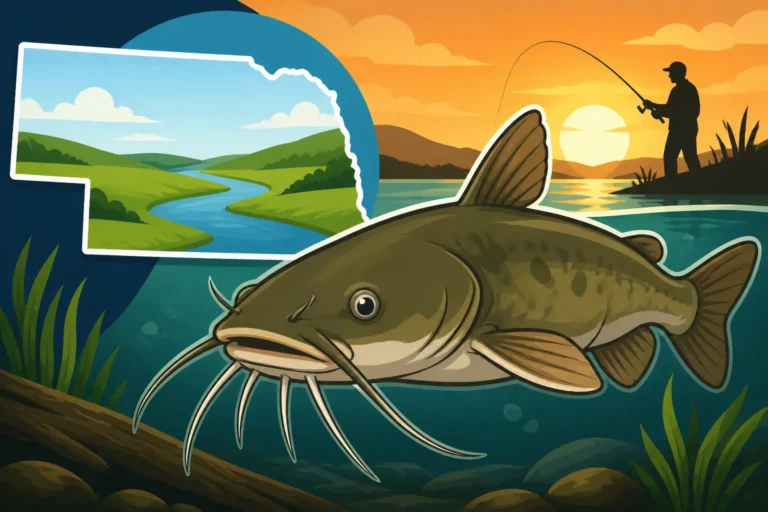
Identification: Bullheads are easily distinguished from channel catfish by their squarish, un-forked tail fin and their generally darker, often mottled coloration. They lack the streamlined, sleek appearance of a channel cat and typically have a chunkier body. Like all catfish, they possess prominent barbels around their mouths. In Nebraska, you'll commonly encounter Black Bullheads, which are typically very dark brown to black, and sometimes Yellow Bullheads, identifiable by their yellowish bellies and lighter, often mottled brown bodies. Brown Bullheads are less common but share similar characteristics. Unlike channel cats, bullheads have dark chin barbels, whereas yellow bullheads have white or yellowish chin barbels.
Habitat and Behavior: Bullheads are champions of survival, thriving in muddy, warm, and even low-oxygen waters where most other fish cannot. This makes them incredibly prevalent in farm ponds, drainage ditches, and the shallow, often turbid areas of larger lakes and rivers. They are opportunistic omnivores, feeding on insects, worms, small fish, and decaying organic matter. They are active both day and night and are known for their voracious appetites, making them relatively easy to catch. While not known for spectacular fights, they offer consistent action, which is perfect for teaching kids or for a relaxing day of fishing. Plus, they can be quite tasty when properly cleaned! Understanding What a Bullhead Catfish Is and Where They Live will help you find these resilient bottom-dwellers.
Buffalo Fish: Gentle Giants of the Deeps
Buffalo fish are often mistaken for carp, but they are distinct species with their own unique characteristics and angling appeal. These are native North American fish, and Nebraska is home to all three species: Bigmouth, Smallmouth, and Black Buffalo.
Identification: The most crucial distinction between buffalo fish and common carp is the absence of barbels on buffalo fish. They also have a more sucker-like mouth, typically subterminal (on the underside of the head), adapted for foraging on the bottom. Buffalo fish have large, silvery to dark bronze scales and a deep, thick body.
- Bigmouth Buffalo: Characterized by a large, terminal mouth that faces forward, indicative of its filter-feeding habits on plankton.
- Smallmouth Buffalo: Possesses a smaller, subterminal mouth, usually positioned slightly downward, adapted for feeding on bottom invertebrates. Its body is often more slender than the Bigmouth.
- Black Buffalo: Has an even more pronounced subterminal mouth and is generally darker in coloration. It's often the deepest-bodied of the three.
Habitat and Behavior: Buffalo fish are primarily found in large rivers and reservoirs across Nebraska. Bigmouth buffalo prefer open water and feed primarily on zooplankton, sometimes schooling near the surface. Smallmouth and Black buffalo are more bottom-oriented, feeding on insect larvae, crustaceans, and plant matter. They are known for their impressive size, with some individuals growing to truly massive proportions, exceeding 50 pounds. When hooked, particularly large specimens, they provide a powerful, bulldog-like fight, making them a challenging and rewarding catch for anglers targeting them with specialized tactics.
Suckers: The Vacuum Cleaners of the River Bottom
Suckers are another group of native rough fish that play a vital role in Nebraska's aquatic ecosystems, often found in both rivers and clear-water lakes. While not typically targeted for sport, they are often caught incidentally and are excellent baitfish for larger predators.
Identification: Suckers are easily identified by their fleshy, protrusible mouths located on the underside of their heads, specifically adapted for sucking food off the bottom. Their bodies are typically cylindrical and elongated, with relatively small scales. Common species in Nebraska include the White Sucker, River Carpsucker, and Quillback. The White Sucker is a widespread species, typically olive-brown on top with a lighter belly. River Carpsuckers and Quillbacks often have a more compressed body and a longer dorsal fin. Unlike carp, suckers lack barbels.
Habitat and Behavior: Suckers are found in a variety of habitats, from swift-flowing rivers and streams to the quieter backwaters and even clear-water lakes. They are bottom-feeders, using their mouths to vacuum up aquatic insects, small crustaceans, and plant detritus. Their presence often indicates a healthy ecosystem. While not known for aggressive bites, they will readily take a piece of worm presented on the bottom. They are often caught by anglers targeting catfish or panfish. Though not renowned for their fighting prowess, landing a large sucker can still be a satisfying experience, and they are incredibly important for the food chain, serving as forage for game fish and other wildlife.
The Thrill and Value of Fishing for Rough Fish
It's easy to dismiss rough fish if you've never truly dedicated time to understanding and targeting them. However, for those who embrace the challenge, the rewards are immense, both in terms of sport and, surprisingly, culinary delight.
Underrated Sport Fishing Opportunities
If you've never felt the sheer power of a 20-pound common carp ripping line off your reel, you're missing out on one of freshwater angling's best-kept secrets. Rough fish, far from being "lazy," often provide fights that can outmatch many popular game fish species. A big carp, for instance, makes long, determined runs that demand strong tackle and a patient hand. Gar, with their prehistoric power, often leap and thrash, offering an acrobatic display that's truly thrilling. Even a larger drum can put up a surprisingly stubborn fight, digging deep and shaking its head.
Beyond the fight itself, targeting rough fish opens up new avenues for angling. They are often found in readily accessible waters – local parks, urban rivers, and ponds that might not hold trophy walleye but are teeming with robust carp or bullheads. This accessibility makes them perfect for spontaneous fishing trips, or for introducing new anglers to the sport. Many Nebraska waters offer incredible opportunities for these species, making them ideal for folks just getting started in the hobby, and some of the Best Nebraska Fishing Spots for Beginners are absolutely perfect for finding these fish. Their abundance means you're more likely to get consistent bites, keeping engagement high, especially for younger anglers. The challenge lies not in finding them, but in mastering the specific techniques and presentations that entice these often-wary fish.
Culinary Delights: Beyond the Stereotype
One of the biggest misconceptions surrounding rough fish is that they are inedible or taste "muddy." While some species, if improperly handled or taken from certain environments, might not be the most appealing, many rough fish are absolutely delicious when prepared correctly. The key often lies in understanding how to clean them and which parts to utilize.
For example, common carp, especially smaller ones taken from clean water, can be excellent. The "muddy" taste often comes from a thin strip of darker meat along the lateral line, which can be easily removed during filleting. Smoking carp is a popular and incredibly tasty way to prepare them, transforming their firm flesh into a smoky, flavorful treat. Freshwater drum have white, flaky meat that is often compared to snapper or even cod. They are fantastic pan-fried, baked, or made into fish tacos. Gar, while challenging to clean due to their armored scales, offer firm, white, boneless meat in their "backstrap" that can be cut into nuggets and fried, tasting similar to scallops or chicken. Bullheads, despite their small size, are a classic fried fish, with their mild, sweet meat.
Proper cleaning techniques are paramount. For carp, scoring the fillets or grinding them for patties can help with small bones. For gar, using tin snips or a sturdy knife to cut through their tough scales is essential. Cooling your catch immediately after harvesting is also crucial to preserving flavor and texture. Don't let old wives' tales deter you; many experienced anglers consider these to be some of the Best Eating Fish From Nebraska Waters, offering a diverse and sustainable food source right in our local waters.
Ecological Importance and Conservation
Far from being nuisances, rough fish are integral components of healthy aquatic ecosystems in Nebraska. They occupy crucial positions in the food web, often serving as primary consumers that convert plant matter and invertebrates into biomass, which then becomes available to larger predators.
Take buffalo fish, for instance. Bigmouth buffalo are filter feeders, consuming vast quantities of plankton, which helps to keep water clearer. Smallmouth buffalo are bottom-feeders, processing detritus and benthic invertebrates. Common carp, while sometimes blamed for stirring up sediment, also contribute to nutrient cycling. Gar, as apex predators, help to control populations of smaller fish, including some game fish species, ensuring a balanced ecosystem. Bullheads, with their tolerance for harsh conditions, can be a vital food source for birds of prey, mammals, and larger fish in environments where other prey species might struggle.
Conservation efforts for rough fish often focus on responsible angling practices, such as proper catch-and-release techniques when not harvesting, and understanding regulations. For species like gar, bowfishing is a popular method, but even then, ethical harvesting and respect for the resource are key. Recognizing the value of all fish species, not just the traditionally sought-after ones, contributes to a more holistic approach to aquatic conservation and ensures the continued health and diversity of Nebraska's precious waterways.
Gear and Techniques for Targeting Nebraska's Rough Fish
Successfully targeting Nebraska's rough fish often requires a bit of specialized gear and a willingness to adapt your techniques. While a simple panfish setup can catch bullheads, going after a trophy carp or gar demands more robust equipment and strategic thinking.
Rods, Reels, and Lines: Built for Battle
When it comes to rough fish, especially larger species like carp, gar, and buffalo, you'll want gear that can handle a serious fight. These fish are strong, resilient, and can make powerful runs or put up a stubborn, heavy resistance.
For carp, a medium-heavy to heavy action spinning or baitcasting rod, typically 7 to 10 feet long, is ideal. The longer rod provides better casting distance and leverage during a fight. Pair this with a sturdy reel, often a baitrunner-style spinning reel (where you can disengage the drag for a running fish, then re-engage for the fight) or a robust baitcaster. For line, 15-20 lb monofilament or 30-50 lb braided line is a good starting point. Braided line, like those found on Amazon, offers excellent sensitivity and strength, crucial for feeling subtle bites and handling powerful runs. A strong leader, usually 15-25 lb fluorocarbon, can be beneficial for abrasion resistance and stealth.
For gar, especially Longnose Gar, you'll want heavy-duty gear. A stout medium-heavy to heavy action rod (7-8 feet) with a robust baitcasting or large spinning reel is a must. Gar have incredibly bony mouths, making hooksets difficult. Many gar anglers forgo traditional hooks altogether, opting for frayed nylon ropes or even specialized gar lures designed to entangle their teeth. If using hooks, a wire leader is absolutely essential to prevent their sharp teeth from cutting your line. 30-50 lb braided mainline is recommended.
Freshwater drum and buffalo fish can be targeted with similar gear to heavier carp setups. A medium-heavy spinning or baitcasting rod (6.5-8 feet) with a reliable reel spooled with 12-20 lb mono or 20-40 lb braid will suffice. A sensitive tip can help detect subtle bites, as these bottom feeders can be light biters at times. For a solid all-around setup, consider what's recommended in Best Rod and Reel Combo for Beginners in Nebraska, then size up for bigger rough fish.
For bullheads and suckers, a lighter, more sensitive setup works well. A medium-light to medium action spinning rod (6-7 feet) with a 2000-3000 series spinning reel spooled with 6-10 lb monofilament is perfect. These fish don't offer the same brutal fight, but their consistent bites make them excellent targets for lighter tackle.
Baits and Lures: What Rough Fish Respond To
Knowing what these species prefer to eat is key to successful angling. Rough fish are opportunistic, but they do have their favorites.
Carp are notorious for their love of natural baits. Sweet corn (canned or frozen), doughballs (homemade or commercial, sometimes flavored with anise or vanilla), and worms (nightcrawlers, redworms) are all highly effective. Specialized baits like boilies (hardened protein balls, available from various fishing retailers or Amazon) are also incredibly popular, especially among dedicated carp anglers. A simple paternoster rig or a hair rig (where the bait is presented alongside, not on, the hook) works wonders.
Gar are primarily piscivorous, meaning they eat other fish. Live bait, such as shad, shiners, or minnows, fished under a bobber or free-lined, is highly effective. Cut bait, particularly strips of oily fish, can also entice them. For artificials, thin, shiny spoons or specially designed gar lures made of frayed nylon that entangle in their teeth are good choices. For dedicated gar fishing, understanding their predatory nature is key.
Freshwater drum are primarily invertivores. Nightcrawlers or chunks of worm, shrimp, and crayfish are excellent baits. Small pieces of cut bait can also work. Present these on the bottom using a simple Carolina rig or a three-way swivel rig. They are often caught incidentally while catfish fishing, so many of the baits listed in Best Live Bait for Nebraska Catfish will work for drum too.
Bullheads and suckers are less picky. A piece of nightcrawler, a redworm, or even a small piece of hot dog or stink bait will often do the trick for bullheads. Suckers almost exclusively prefer worms, often presented on a small hook right on the bottom.
Strategic Approaches: Locating and Engaging Your Target
Finding and catching rough fish often comes down to observation, patience, and understanding their preferred habitats and feeding patterns.
For carp, look for them in shallow, weedy bays during warmer months, or near structure and channel edges in deeper water during cooler times. They often give themselves away by "rolling" on the surface, or by the tell-tale string of bubbles indicating they're rooting around on the bottom. Chumming – distributing a small amount of bait in an area to attract fish – can be incredibly effective for carp. Just be sure to adhere to regulations regarding How to Chum for Catfish Legally in Nebraska (which often applies to carp as well). Set up multiple rods with bite alarms for passive fishing, or stalk them in shallow water with a fly rod for an active challenge.
Gar are often visible, especially on sunny, calm days, basking near the surface in shallow, sheltered areas of rivers and backwaters. Look for submerged logs, weed lines, or slow current areas. When fishing for them, a patient approach is key. If using live bait, let them take it and swim for a while before attempting a hookset, as their bony mouths require time for the hook to lodge properly. Bowfishing for gar is also incredibly popular in Nebraska and can be an exciting way to target them; you can learn more about How to Bowfish for Carp in Nebraska, and many of those techniques apply to gar too.
Freshwater drum are bottom dwellers, so focus your efforts on deeper sections of reservoirs and rivers. Look for humps, submerged creek channels, or the base of riprap areas. Fan-cast your baits to cover different depths and structures. Often, they'll be in schools, so if you catch one, there are likely more.
Bullheads and suckers are easy to find. Head to almost any pond, particularly those with muddy bottoms, or slow stretches of rivers and ditches. They'll be on the bottom. A simple slip bobber rig or a bottom rig with a weight and a small hook is all you need. They are less wary, making them great for casual fishing or when introducing children to the sport.
Dispelling Myths and Embracing the Rough Fish Experience
It's time to let go of old ideas and truly appreciate the diversity and opportunities that Nebraska's rough fish offer. The angling world is evolving, and these resilient species are finally getting the recognition they deserve.
Myth: Rough Fish Are Trash Fish
The notion that rough fish are "trash fish" is perhaps the most damaging and furthest from the truth. This outdated perspective not only devalues incredible angling opportunities but also fosters a lack of respect for an important part of our natural heritage. Imagine missing out on the exhilarating drag-screaming run of a colossal common carp, a fight that can humble even the most experienced bass or walleye angler. These fish are powerful, cunning, and often beautiful in their own right. Their fight is often prolonged and physical, making them a worthy adversary for anyone seeking a true challenge.
Beyond their sporting value, as we've discussed, many rough fish offer surprising culinary delights. The idea that they are all inherently muddy or bony is a generalization that doesn't hold up to proper preparation. With the right cleaning techniques and recipes, species like drum, carp, and even gar can provide delicious, sustainable meals. Embracing rough fish expands your angling horizons, teaches you new techniques, and connects you more deeply with the full spectrum of aquatic life in Nebraska. It's about moving past inherited biases and discovering the richness that lies beyond the conventional.
Myth: They Ruin Other Fish Populations
Another common misconception is that rough fish, particularly carp, are detrimental to game fish populations, "ruining" habitats and outcompeting other species. While it's true that large populations of certain rough fish can have an impact on an ecosystem, especially in altered environments, the relationship is far more complex than a simple "good fish vs. bad fish" narrative.
For example, carp are often blamed for stirring up sediment, which can reduce water clarity and impact submerged vegetation, potentially affecting spawning grounds for some game fish. However, this often occurs in environments already impacted by agricultural runoff or poor land management, where excessive nutrient loading and habitat degradation create conditions favorable for carp to thrive. In healthy, balanced ecosystems, rough fish play an integral role. They are part of the natural food web, serving as forage for predators like eagles, otters, and even larger game fish. Many rough fish are also efficient processors of detritus and algae, helping to maintain water quality in some respects.
Focusing solely on blaming rough fish often distracts from larger environmental issues. A healthy aquatic ecosystem is one with diversity, where all species, including rough fish, have a role. Instead of viewing them as antagonists, a more balanced perspective recognizes their ecological functions and understands that a thriving fishery often includes a robust population of these resilient species. Effective fisheries management aims for balance, not eradication, and encourages anglers to appreciate the interconnectedness of all aquatic life.
The Future of Rough Fish Angling in Nebraska
The tide is turning for rough fish in Nebraska and beyond. There's a noticeable surge in interest, driven by social media, specialized angling clubs, and a growing appreciation for diverse fishing experiences. Anglers are discovering the unique challenges and rewards that come with targeting carp on a fly rod, battling massive buffalo fish, or chasing the elusive gar. This growing community is fostering a new wave of respect for species that were once discarded.
Dedicated rough fish tournaments are popping up, celebrating the size and fighting prowess of these fish. Online communities share tips, techniques, and delicious recipes, further dispelling old myths. Educational initiatives are also playing a vital role, teaching anglers about the ecological importance of these species and promoting ethical handling, whether for release or harvest.
As we move forward, the future of rough fish angling in Nebraska looks bright. It's a journey of continuous learning, respect for every catch, and a celebration of the rich biodiversity of our waters. So next time you're on the water, consider casting a line for a species you might have previously overlooked. You might just discover your new favorite fish to catch, and in doing so, gain a deeper appreciation for the full spectrum of Nebraska's aquatic world.
Disclaimer
This article is for general informational purposes only and does not constitute professional advice. Laws, prices and regulations vary by location and change over time. Consult a qualified professional for guidance on your specific situation.