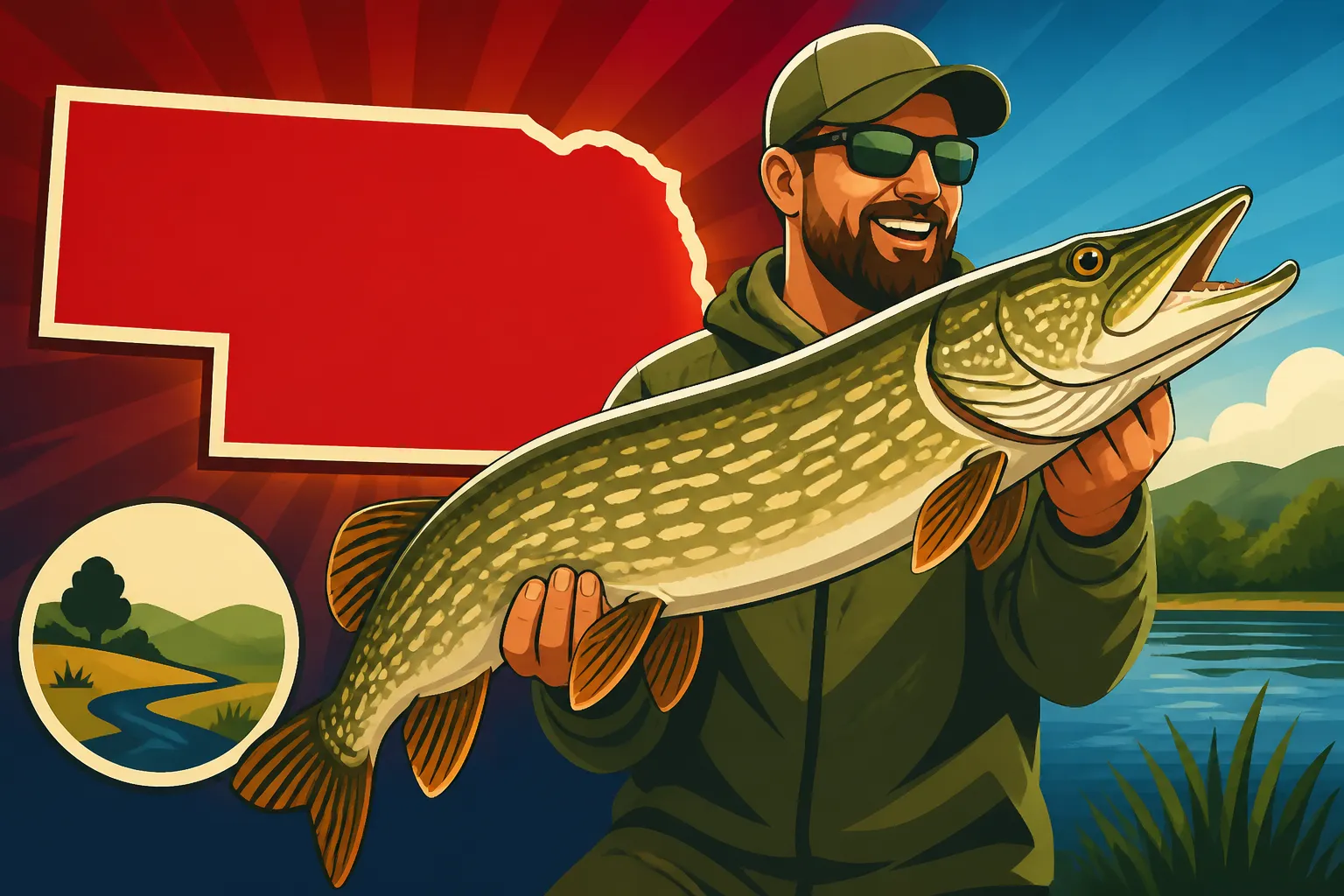
Nebraska State Record Northern Pike Weight
There's a special kind of thrill that comes with chasing a truly big fish, especially when you're dreaming of something that might just nudge the state record books. For many Nebraska anglers, the Northern Pike represents that formidable challenge, a toothy predator known for its aggressive strikes and powerful fights. But what does it truly take to land a state-record Northern Pike in our great state, and what exactly is that record? This guide is going to dive deep into the current Nebraska state record for Northern Pike, explore where these giants hide, and arm you with the knowledge and tactics to pursue your own trophy pike.
Chasing Giants: The Nebraska State Record Northern Pike
The pursuit of a state record fish isn't just about the numbers; it's about the legend, the challenge, and the sheer dedication required to best what has come before. Northern Pike are a species that truly embody this, with their predatory nature and often elusive presence.
Unveiling Nebraska's Top Pike Catch
Let's cut right to the chase for those eager to know the benchmark. The current Nebraska state record for Northern Pike stands at an impressive 26 pounds, 10 ounces. This magnificent specimen was pulled from the waters of Merritt Reservoir in 1993, a testament to the reservoir's ability to grow truly monstrous fish. For nearly three decades, this fish has held the top spot, inspiring countless anglers to brave the cold waters and sharp teeth in hopes of dethroning it. It's a weight that represents a fish of incredible size and power, demanding a strong rod, a steady hand, and a fair bit of luck.
Imagine the excitement of the angler who landed that fish—the initial strike, the drag screaming, the frantic battle to bring such a powerful creature to the boat. It’s more than just a number; it’s a story, a moment etched into Nebraska’s fishing history. Knowing this record helps us understand the caliber of pike that exist in our waters and provides a tangible goal for those seeking to make their own mark.
The Allure of Trophy Northern Pike
What is it about the Northern Pike that captures the imagination of so many anglers? It's not just their size; it's their demeanor. Pike are apex predators, often lurking in ambush, waiting for the perfect moment to strike. Their explosive power, sharp teeth, and aggressive head shakes make every encounter memorable. A trophy Northern Pike is not just a big fish; it's a testament to the health of the ecosystem it comes from and a true angling achievement.
For many, the quest for a trophy pike is a lifelong endeavor, a quest fueled by tales of massive fish breaking lines and straightening hooks. When you hook into a truly large pike, the fight is unlike anything else. They'll make powerful runs, shake their heads violently, and try every trick in the book to throw the hook. It's a battle of wills, and emerging victorious with a fish that approaches or even surpasses the state record is an experience few ever forget. It's a game of patience, persistence, and having the right strategy, as we explore in our Northern Pike Fishing in Nebraska guide.
Where the Big Pike Roam: Prime Nebraska Habitats
If you're going to pursue a fish that could rival the state record, you need to know where they live. Northern Pike are somewhat particular about their environment, favoring specific types of waters that offer them both sustenance and shelter.
Key Lakes and Reservoirs for Trophy Pike
While Nebraska isn't traditionally known as a "pike state" in the same vein as some of our northern neighbors, we absolutely have waters that produce exceptional Northern Pike. As evidenced by the current state record, Merritt Reservoir is undeniably a prime location. Located in the Sandhills, Merritt offers vast, relatively clear waters with abundant forage and plenty of submerged structure and vegetation—perfect ambush points for big pike.
Beyond Merritt, other notable Nebraska waters have a reputation for producing large pike. Box Butte Reservoir in the panhandle is another excellent choice, known for its healthy pike population and the potential for larger individuals. Other large reservoirs throughout the state, particularly those with good weed growth and cooler water temperatures, can also hold impressive pike. These might include Sherman Reservoir or even some of the deeper, clearer pits in state recreation areas. When exploring new waters, consider asking locals or checking recent fishing reports to gauge pike activity. You can learn more about specific locations in our Best Nebraska Lakes for Northern Pike guide.
Timing Your Trophy Pike Hunt
Just knowing where to fish isn't enough; knowing when to fish can make all the difference. Northern Pike, like most predatory fish, exhibit seasonal patterns that dictate their feeding behavior and locations.
- Spring: After the ice melts, pike become incredibly active. They are often shallow, preparing to spawn or recovering from it, making them more accessible to anglers. This period, typically from late March through May, is often considered one of the best times to target large pike as they are hungry and concentrated. They'll often be found near shallow bays, weed lines, or newly flooded vegetation.
- Summer: As water temperatures rise, big pike tend to move deeper to cooler water or retreat to dense weed beds, submerged timber, or drop-offs where they can find both cover and prey. Fishing during dawn or dusk, or after a good rain, can often be more productive during the warmer months.
- Fall: This is another fantastic time for trophy pike. As water temperatures drop, pike enter a feeding frenzy, bulking up for the winter ahead. They become incredibly aggressive and will readily chase large baits. They can be found cruising weed edges, along breaklines, and near main lake points. Many anglers consider late fall, especially October and November, to be the absolute best time for landing the biggest pike of the year.
Understanding these seasonal shifts, detailed further in Nebraska Fishing Seasons Explained, can greatly increase your odds of encountering a true lunker. Paying attention to water temperature and forage fish movements will also be key.
Arming Yourself for a Record Battle: Gear and Techniques
Landing a Northern Pike that could break a state record isn't just about luck; it's about preparation. These fish are powerful, aggressive, and equipped with a mouth full of razor-sharp teeth. Your gear needs to be up to the task.
Selecting the Right Rod, Reel, and Line
Forget your panfish setup when you're targeting trophy pike. You need heavy-duty equipment that can withstand powerful runs and sharp head shakes.
- Rods: A medium-heavy to heavy power casting rod, 7 to 8 feet in length, is ideal. This length provides the leverage needed to cast large baits and control big fish. Look for rods with a fast action, which gives you the sensitivity to detect subtle bites but still plenty of backbone to set hooks and turn a fish.
- Reels: A high-quality baitcasting reel with a robust drag system is often preferred for pike fishing, especially when throwing larger lures. Look for a reel with a good line capacity and a smooth retrieve. Alternatively, a heavy-duty spinning reel in the 4000-6000 series can work, but ensure it has a strong all-metal construction and a reliable drag. You can find excellent options for both rod and reel setups from various brands on online platforms like Amazon.
- Line: Braided line is almost a necessity for pike fishing. Its zero-stretch properties provide excellent sensitivity and direct hooksets, and its incredible strength can withstand the abuse of heavy lures and powerful fish. Opt for 30-65 lb test braid, depending on the size of the lures you're throwing and the density of the cover you're fishing.
- Leaders: This is non-negotiable. Pike have extremely sharp teeth that will easily cut through monofilament or fluorocarbon mainlines. A wire leader or heavy (80-100 lb test) fluorocarbon leader is essential. Use a minimum of 9-12 inches to prevent bite-offs. Pre-made leaders are widely available, or you can tie your own. Best Fishing Gear for Nebraska Anglers offers more comprehensive advice on selecting the right equipment.
Lures and Baits That Drive Big Pike Wild
Northern Pike are not shy about hitting big baits. When you're after a record, you need to offer them something substantial.
- Large Spoons: Iconic pike lures, spoons like Dardevles or Johnson Silver Minnows, flutter and flash, imitating wounded baitfish. Sizes ranging from 3/4 oz to 1.5 oz are effective.
- Spinnerbaits: Heavy-duty spinnerbaits with large blades create a lot of vibration and flash, making them excellent choices for fishing through weeds or over submerged cover.
- Jerkbaits and Glide Baits: These lures can be worked erratically to mimic struggling prey and often trigger aggressive strikes from wary pike. Choose larger models, 5-8 inches in length.
- Swim Baits: Big soft plastic or hard-bodied swimbaits that accurately imitate large baitfish can be incredibly effective, especially when fished slowly over deep structure or along weed lines.
- Live Bait: For many trophy anglers, live bait is king. Large suckers, shiners, or shad, fished under a bobber or on a quick-strike rig, can be irresistible to a lunker pike. This is often the most patient method but can yield truly enormous fish. You might find a great selection of these specialized larger lures and terminal tackle components on sites like Amazon.
Mastering the Fight and Safe Handling
Once you've hooked a big pike, the battle begins. Keep your rod tip up, maintain constant pressure, and be prepared for powerful runs. A strong, smooth drag setting is crucial to prevent snapped lines. When the fish is boatside or shore-side, a large, rubberized landing net is your best friend. Avoid grabbing a pike by the gills or eyes.
For handling, a jaw-gripper tool is invaluable for securing the fish while you remove the hook. Long-nosed pliers or even specialized hook removers are essential for safety, keeping your fingers away from those formidable teeth. If you intend to release the fish (which is highly recommended for all but potential record-breakers), do so quickly and carefully, minimizing its time out of water. Hold the fish horizontally, supporting its belly, and allow it to recover before release. Proper handling ensures the fish's survival, preserving our fisheries for future generations, as detailed in How to Release a Fish Safely to Survive.
From Hookset to Hall of Fame: Documenting Your Catch and Understanding Regulations
So, you've landed a monster Northern Pike, and you're pretty sure it's a contender for the state record. Now what? There's a specific process to follow to ensure your catch is properly documented and recognized.
The Official Path to a State Record
The Nebraska Game and Parks Commission (NGPC) has clear guidelines for certifying state record fish. This isn't just about weighing your fish; it's about following a protocol that ensures fairness and accuracy.
- Identify Your Fish: First and foremost, be certain of the species. Northern Pike are distinctive, but always double-check. Our Nebraska Fish Species Identification Guide can help.
- Weighing: The fish must be weighed on a certified scale. This is usually found at local bait shops, groceries, or official NGPC offices. The scale needs to be inspected and sealed for trade, ensuring its accuracy.
- Witnesses: Have at least two witnesses present during the weighing process. Their signatures will be required on the official application.
- Measurements: Accurately measure the fish's length and girth.
- Photographs: Take clear photos of the fish, especially with the angler, and potentially with the scale showing the weight.
- Application: Complete the official Nebraska Game and Parks Commission application for a state record fish. This form will require all the above information.
- Contact NGPC: Notify the NGPC as soon as possible after catching a potential record. They can guide you through the process and arrange for any necessary verification by a fisheries biologist.
It's a process that requires attention to detail, but it's essential for a legitimate state record. Don't risk disqualification by cutting corners.
Navigating Northern Pike Regulations in Nebraska
While you're dreaming of record-breaking fish, it's crucial to stay informed about current fishing regulations. These rules are in place to protect fish populations and ensure sustainable angling for everyone. For Northern Pike in Nebraska, there are typically specific length and bag limits.
These limits can vary by water body and may change from year to year, so always consult the most current Nebraska Fishing Guide or the NGPC website before you head out. Generally, you'll find regulations dictating how many pike you can keep (the daily bag limit) and sometimes a minimum or slot length limit. For instance, some lakes might have a protected slot where fish within a certain size range must be immediately released, allowing them to grow larger and contribute to the spawning population.
| Category | Essential Gear for Trophy Pike | Casual Gear (Not Recommended for Record Pike) |
|---|---|---|
| Rod | Heavy to Medium-Heavy Casting (7-8 ft, fast action) | Medium Spinning or Spincast (6-7 ft, medium action) |
| Reel | High-Quality Baitcaster or Heavy Spinning (4000-6000 series) | Light to Medium Spinning (2000-3000 series) |
| Line | 30-65 lb Braided Line | 8-12 lb Monofilament or Fluorocarbon |
| Leader | Wire (9-12 inch) or 80-100 lb Fluorocarbon | No Leader or Light Monofilament Leader |
| Lures/Baits | Large Spoons, Swimbaits, Jerkbaits, Live Bait | Small Spinners, Worms, Small Jigs |
| Handling Tools | Jaw Gripper, Long-Nosed Pliers, Rubberized Net | Bare Hands, Small Net |
| Record Prep | Certified Scale, Camera, Official Form | None |
Always make sure you have your Nebraska Fishing License Guide in order before you cast a line. Familiarize yourself with the statewide Nebraska Fishing Daily Bag and Possession Limits for Northern Pike, and check any specific regulations for the particular body of water you plan to fish. Adhering to these rules not only keeps you compliant with the law but also contributes to the health and vitality of Nebraska's fishing resources, ensuring that future generations will also have the chance to chase their own record-breaking giants.
Disclaimer
This article is for general informational purposes only and does not constitute professional advice. Laws, prices and regulations vary by location and change over time. Consult a qualified professional for guidance on your specific situation.