Nebraska Trophy Fish Species Guide
The dream of hooking into a truly monumental fish, a real wall-hanger that tests your tackle and your resolve, is something many Nebraska anglers share. We spend countless hours on the water, honing our skills and studying patterns, all hoping for that one epic battle. This guide is all about chasing those giants, diving deep into the top trophy fish species found right here in Nebraska, what makes them "trophy-worthy," and how you might just land one yourself.
Understanding the Pursuit of Trophy Fish in Nebraska
Chasing a trophy fish isn't just about catching the biggest one; it's about the dedication, the challenge, and the unforgettable experience. In Nebraska, we're lucky to have a diverse range of species that grow to impressive sizes, offering anglers across the state a chance at their own personal best. It's a different game than simply filling a livewell; it demands patience, specialized gear, and a keen understanding of fish behavior.
What Defines a "Trophy" in Nebraska Waters?
When we talk about a "trophy" fish, it's often subjective. For some, it might be breaking a personal best, while for others, it's hitting a certain weight or length that signifies a truly mature, impressive specimen of its kind. While state records are the ultimate benchmark, a fish doesn't have to be a record-breaker to be a trophy. Think of it as a fish that stands out significantly from the average catch, a mature fish that represents the peak of its species in terms of size and age for our Nebraska waters.
For instance, a 10-pound walleye is a remarkable catch in Nebraska, even though the state record might be several pounds heavier. Similarly, a channel catfish pushing 30 pounds is an absolute monster in most local rivers and lakes, deserving of trophy status. It's about recognizing the exceptional within the typical, and often, it's about the fight it puts up and the story it creates.
The Dedication and Patience Required
Successfully targeting trophy fish isn't for the faint of heart. It means embracing the grind: early mornings, late nights, long hours in sometimes less-than-ideal weather, and often, many days without a bite. It requires meticulous planning, from scouting locations to understanding seasonal movements and feeding patterns. You might spend an entire day casting for a single bite from a giant muskie, or sitting patiently through the night for a monster flathead catfish.
This pursuit also often involves specialized techniques and gear that might not be necessary for everyday fishing. It's an investment of time, effort, and sometimes equipment, but the payoff—that moment when a true leviathan hits your line—is absolutely unparalleled. The patience to wait for the right conditions and the dedication to stick with it through slow periods are the hallmarks of a successful trophy angler.
Nebraska's Top Trophy Walleye Opportunities
Walleye are one of Nebraska's most sought-after game fish, renowned for their delicious fillets and their challenging nature. While catching any walleye is a treat, landing a true trophy — often defined as anything over 8 pounds, and certainly anything double-digit — is a monumental achievement that takes skill and persistence.
Identifying Trophy Walleye Waters
When it comes to big walleye in Nebraska, one name immediately springs to mind: Lake McConaughy Fishing Guide. This massive reservoir in western Nebraska is legendary for its walleye fishery, consistently producing fish in the trophy class. Its vast, deep waters, abundant forage base of gizzard shad, and varied structure provide the perfect environment for walleye to grow to impressive sizes. Anglers regularly report catches over 8 pounds, with double-digit fish a real possibility. Other notable waters for trophy walleye include Harlan County Reservoir and Sherman Reservoir, both of which have healthy populations of large fish.
These larger reservoirs often have complex underwater terrain, including deep humps, extensive flats, and submerged timber, all of which can hold big walleye. Learning to read these structures, either with a good fish finder or through careful observation, is key to success. Don't overlook the tailwaters below major dams either, as these areas can concentrate forage and attract large predators.
Techniques for Giant Walleye
Targeting trophy walleye often means thinking a bit differently than when you're just looking for a meal. Big walleye are smart and often prefer larger baits. Trolling with large crankbaits that mimic their primary forage, like gizzard shad, is a highly effective strategy, especially in vast waters like McConaughy. These baits need to run at the depth where the walleye are holding, which can vary greatly depending on the season and time of day.
Jigging with heavier jigs and larger soft plastics or live bait, such as big shiners or suckers, can also be deadly when walleye are concentrated on specific structures or during cold water periods. How to Jig for Walleye in Nebraska often involves precise boat control to stay directly over fish or structure. Early spring and late fall are often prime times for trophy walleye, as they feed aggressively before and after the spawn. Always check the current Nebraska Walleye Daily Bag Limit and length regulations before heading out.
Monster Catfish: Chasing Nebraska's River and Reservoir Giants
Nebraska is a paradise for catfish anglers, offering robust populations of channel, flathead, and even some blue catfish in its waters. While channel cats are abundant and fun to catch at any size, landing a true trophy flathead or an exceptionally large channel catfish is a battle for the ages.
Where the Big Cats Lurk
For trophy channel catfish, many of Nebraska's larger reservoirs like Branched Oak Lake, Merritt Reservoir, and the larger rivers like the Platte and Missouri River offer excellent opportunities. These fish thrive in diverse environments, from the deep holes of reservoirs to the currents and snags of rivers. They're often opportunistic feeders and will grow large where food is plentiful. Nebraska Channel Catfish Fishing is a year-round affair, but targeting giants often peaks in the warmer months.
Flathead catfish, the true river monsters, prefer deep, slow-moving holes with plenty of cover like logjams, undercut banks, or rockpiles. The Missouri River is hands down the best place to target truly immense flatheads, with fish easily exceeding 50 pounds. The lower Platte River also holds impressive flatheads for those willing to put in the time. These fish are ambush predators and require a different approach than their channel cat cousins.
Baits and Tactics for Trophy Catfish
When it comes to trophy catfish, bigger is definitely better for bait. For channel cats, a variety of cut baits, stink baits, or prepared baits can entice larger specimens, but fresh cut bait, particularly from shad or carp, often proves irresistible to the biggest fish. Fishing these baits on the bottom, either with a slip sinker rig in reservoirs or a three-way rig in rivers, is standard practice. Consider fishing overnight, as many of the largest channel cats become more active under the cover of darkness. Best Rod Setup for Nebraska Catfish often involves heavy-duty gear.
Flathead catfish are much pickier; they almost exclusively prefer live bait. Large live sunfish, bluegill, or carp are top choices. Rig these baits on stout tackle, with heavy-duty circle hooks, and present them near submerged cover where flatheads ambush their prey. How to Catch Flathead Catfish at Night is a common strategy, as these nocturnal predators are most active after sunset. You'll need incredibly strong line and a powerful rod to pull these fish out of heavy cover.
Legendary Bass: Landing Lunker Largemouth and Smallmouth
Nebraska might not be the first state that comes to mind for trophy bass fishing, but our lakes and rivers hold some truly impressive largemouth and smallmouth bass for those who know where to look. A largemouth over 6 pounds is considered a trophy, and smallmouth approaching 4 pounds are absolute giants.
Prime Bass Habitats in Nebraska
For largemouth bass, farm ponds and smaller, fertile reservoirs often produce the biggest fish. Lakes like Wagon Train Lake, Pawnee Lake, and some of the smaller pits in Fremont Lakes State Recreation Area are known for their potential to kick out lunker largemouth. These waters often have abundant cover like lily pads, submerged timber, and thick weed beds where big bass can hide and ambush prey. Nebraska Largemouth Bass Fishing offers exciting opportunities across the state.
Smallmouth bass, on the other hand, prefer rocky habitats and clear, flowing water. The Niobrara River is arguably Nebraska's premier smallmouth fishery, with its rocky bottom and consistent current. Niobrara River Smallmouth Bass Fishing can be phenomenal, especially by floating stretches in a canoe or kayak. Larger reservoirs with rocky shorelines and riprap, such as Lewis and Clark Lake and the western end of Lake McConaughy, also hold impressive smallmouth.
Lures and Strategies for Trophy Bass
Trophy largemouth often require a patient and methodical approach. Big bass are less concerned with speed and more with a substantial meal. Large jig-and-pig combinations, oversized soft plastic worms, and slow-moving swimbaits can entice a big bite. Focus on heavy cover, pitching and flipping your baits into the thickest stuff where average-sized bass might not venture. Best Lures for Nebraska Bass can vary by season, but always lean towards larger presentations for big fish. During the warmer months, fishing early morning or late evening with topwater lures can also produce explosive strikes from trophy bass.
For smallmouth, reaction baits like crankbaits, spinnerbaits, and tube jigs worked along rocky bottom or current breaks are effective. In the Niobrara, focus on eddies, current seams, and deep pools behind boulders. Fishing from a kayak allows you to silently approach these prime smallmouth haunts. Patience and precision casting are key, as these powerful fish can be elusive. Consider heavier fluorocarbon lines to stand up to rocky structure. You can find a wide selection of these specialized bass lures on Amazon, perfect for targeting those elusive giants.
The Northern Apex Predators: Muskie and Northern Pike
While not as widespread as walleye or catfish, Nebraska does offer opportunities for two of North America's most exciting and challenging trophy fish: muskellunge (muskie) and northern pike. Catching either of these toothy titans is a true accomplishment.
Where to Find Nebraska's Biggest Pike and Muskie
Northern pike are more common and can be found in many of Nebraska's larger reservoirs and natural lakes, particularly in the northern and western parts of the state. Merritt Reservoir, Box Butte Reservoir, and Watts Lake are known for producing larger pike. These fish thrive in areas with abundant submerged vegetation and cooler water. A trophy pike in Nebraska typically exceeds 10 pounds, with fish over 15 pounds being exceptional.
Muskellunge fishing is a much more specialized pursuit, with very limited opportunities. Merritt Reservoir is the undisputed king for muskie in Nebraska. It's the only body of water consistently stocked and managed for this elusive predator. These fish are known as "the fish of 10,000 casts" for a reason – they are incredibly difficult to catch. A muskie of any size is a trophy, but a true giant in Nebraska would easily measure over 40 inches and weigh over 20 pounds. Merritt Reservoir Muskellunge Fishing Tips often focus on specific areas of the lake.
Gear and Tactics for These Toothy Giants
Targeting trophy pike and muskie requires heavy-duty gear designed to handle powerful strikes and sharp teeth. Stout baitcasting rods, reels with excellent drag systems, and strong braided line are essential. Use heavy leaders made of fluorocarbon or wire to prevent bite-offs.
For northern pike, large spoons, spinnerbaits, and swimbaits are effective. Trolling large crankbaits along weed lines or casting into dense vegetation are common tactics. Live bait, such as large shiners or suckers, fished under a bobber or on the bottom, can also entice bigger pike.
Muskie fishing is an entirely different ball game. It involves casting massive lures—often 8 to 12 inches long—for hours on end. Large bucktails, glide baits, jerkbaits, and oversized soft plastics are common choices. Trolling large crankbaits in open water or along deep structure is another productive method, especially when fish are suspended. Remember, muskie require extreme patience and dedication. It's not uncommon to spend an entire day, or even several trips, without a single follow or strike. When you do get one, be prepared for an explosive fight. Landing nets should be extra large, and long-nosed pliers are a must for safe hook removal. You can easily find these specialized tools, from large bucktails to heavy-duty wire leaders, on Amazon.
Other Notable Nebraska Trophy Species
While walleye, catfish, bass, pike, and muskie often steal the spotlight, Nebraska's diverse waters offer potential for trophy catches of several other species. Expanding your horizons can lead to unexpected and thrilling encounters with truly large fish.
Wipers and Striped Bass: The Hard-Fighting Hybrids
Wipers, a hybrid cross between white bass and striped bass, are celebrated for their incredible fighting ability and schooling behavior. They grow much larger than pure white bass, with trophy wipers often exceeding 8 pounds and providing a fight comparable to a small ocean striper. Lewis and Clark Lake and Lake McConaughy are prime locations for these hard-hitting fish.
Targeting wipers often involves finding schools of baitfish, as wipers are voracious predators. Trolling crankbaits or casting spoons and heavy jigs into boiling schools of bait are effective tactics. How to Catch Striped Bass and Wipers often involves chasing birds that are diving on baitfish. These powerful fish demand stout medium-heavy spinning or baitcasting gear.
Trophy Trout: The Coldwater Challenge
While Nebraska isn't known for its wild, self-sustaining trophy trout populations like some mountain states, select waters offer opportunities for impressive rainbow and brown trout, particularly after stocking. Lake Ogallala, located directly below Lake McConaughy's Kingsley Dam, is a fantastic cold-water fishery managed specifically for trout, and regularly yields fish over 5 pounds. Merritt Reservoir also holds some very respectable trout. Merritt Reservoir Trout Fishing can be excellent during cooler months.
Techniques for trophy trout in these waters often involve fishing with natural baits like PowerBait or worms, small spoons, or flies. For fly anglers, streamers that mimic baitfish can entice larger, predatory trout. Fishing during the cooler months of fall, winter, and spring often produces the biggest fish, as they are more active and less stressed by warm water. Remember that a Nebraska Trout Stamp Requirements may apply depending on where you fish.
Paddlefish: The Ancient Giants
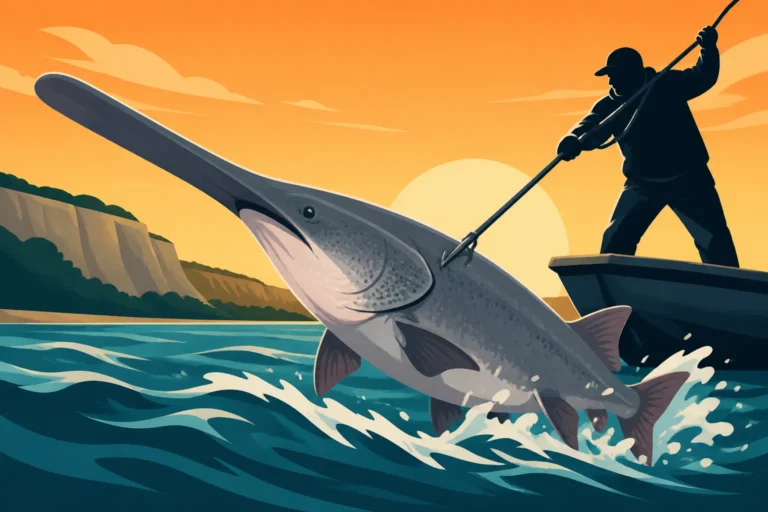
For those seeking a truly unique trophy experience, paddlefish offer an unparalleled challenge. These ancient, filter-feeding giants can reach immense sizes in the Missouri River system, with individuals exceeding 100 pounds. Nebraska's paddlefish season is highly regulated and involves a snagging technique, as they don't bite traditional baits.
Nebraska Paddlefish Snagging Season Dates are specific and limited, and anglers must obtain a special permit. The pursuit is often done from a boat in the swift currents of the Missouri River. It's a physically demanding form of fishing, requiring heavy rods and reels to handle the powerful fight of these prehistoric behemoths. Landing a paddlefish is an unforgettable experience, connecting anglers with a truly magnificent and ancient species.
Essential Gear for the Trophy Angler
Chasing truly massive fish requires more than just your average fishing setup. It demands gear that can withstand the immense power of these creatures, allowing you to land them safely and efficiently. Investing in quality, purpose-built tackle is not just about success, but also about the safety of both the angler and the fish.
Heavy-Duty Rods and Reels
For trophy fishing, forget the ultralight combos. You'll need rods with significant backbone and reels with smooth, powerful drag systems. For big catfish and muskie, baitcasting setups are often preferred for their cranking power and ability to handle heavy lines and lures. Look for rods rated for heavy or extra-heavy action, often 7 to 9 feet in length, that can handle lures weighing several ounces and lines with high breaking strength.
Spinning gear can be suitable for larger walleye, wipers, or big bass, but again, lean towards medium-heavy or heavy power rods paired with robust reels (4000 series or larger) that can hold ample amounts of strong line. Ensure your reel's drag is not only strong but also incredibly smooth, preventing sudden jerks that can snap lines or pull hooks. Many excellent options can be found on Amazon, offering a balance of durability and performance.
| Species | Recommended Rod Power | Recommended Reel Size (Spinning/Baitcasting) | Line Type (Main Line) | Leader Material (if applicable) |
|---|---|---|---|---|
| Trophy Walleye | Medium-Heavy | 3000-4000 / 200-300 | Braided (15-20 lb) | Fluorocarbon (10-15 lb) |
| Trophy Catfish | Heavy – Extra Heavy | 5000-8000 / 400-600 | Braided (50-80 lb) | Mono/Fluorocarbon (30-60 lb) |
| Trophy Bass | Medium-Heavy – Heavy | 3000-4000 / 200-300 | Braided (30-50 lb) | Fluorocarbon (15-20 lb) |
| Northern Pike | Heavy | 4000-5000 / 300-400 | Braided (50-65 lb) | Wire or Heavy Fluoro (80-100 lb) |
| Muskellunge | Extra Heavy | 500-600 (low gear ratio) | Braided (80-100 lb) | Wire (100+ lb) |
| Wipers/Stripers | Medium-Heavy – Heavy | 4000-5000 / 300-400 | Braided (30-50 lb) | Fluorocarbon (20-30 lb) |
| Paddlefish | Extra Heavy | Large conventional (e.g., Penn 30-50) | Braided (80-120 lb) | Heavy Mono/Braided |
Strong Lines and Specialized Terminal Tackle
When targeting trophy fish, your line is your most critical link. Braided line is almost universally recommended for its incredible strength-to-diameter ratio, minimal stretch (which enhances sensitivity and hook sets), and abrasion resistance. For species like muskie and flathead catfish that live in snag-filled environments, heavy braid (50-80+ lb test) is non-negotiable.
Terminal tackle must match the challenge. Heavy-duty hooks, whether circle hooks for catfish or treble hooks for muskie lures, need to be razor-sharp and strong enough not to bend or break under extreme pressure. Swivels, snaps, and split rings should also be of the highest quality. Leaders are often crucial; heavy fluorocarbon provides abrasion resistance and stealth for walleye and bass, while wire leaders are essential for pike and muskie to prevent bite-offs from their razor-sharp teeth. Don't skimp on these components; a weak link will cost you that fish of a lifetime.
Essential Accessories for Landing and Releasing Giants
Landing a trophy fish safely requires more than just a good rod. An oversized, deep-netted landing net is absolutely crucial for bringing large fish aboard without injury to the fish or angler. For muskie and pike, a cradle or a specialized net designed for these long, toothy fish is highly recommended. Best Landing Nets for Big Fish will prevent harm to the fish's fins and slime coat.
Long-nosed pliers or jaw spreaders are essential for safely removing hooks from toothy critters or deeply hooked fish. A quality pair of bolt cutters might even be necessary for muskie hooks that are buried deep. A heavy-duty weighing scale and a bump board or measuring tape are also key for documenting your catch without unnecessary handling stress. If you plan on catch and release, which is common for trophy fish, understand Catch and Release Best Practices in Nebraska to ensure the fish's survival. Always have these items readily accessible on your boat or by your side when bank fishing.
Preserving the Future of Trophy Fishing
Catching a trophy fish is an incredible experience, but it also comes with a responsibility to help ensure these magnificent creatures continue to thrive for future generations. Responsible angling practices are paramount, especially when targeting large, mature fish that are vital to a healthy fishery.
Catch and Release Best Practices for Big Fish
Many trophy anglers practice catch and release, especially for species like muskie and large bass, to allow these valuable fish to spawn and grow even larger. The goal is to minimize stress and physical harm to the fish. When you land a trophy, try to keep it in the water as much as possible, or at least support its entire body horizontally if you must lift it for a quick photo. Avoid dragging it on rough surfaces.
Use a large, knotless net to cradle the fish. If taking photos, do so quickly and efficiently, ensuring the fish is returned to the water swiftly. For deeply hooked fish, consider cutting the line rather than trying to remove the hook, as this can often cause more damage. Always be aware of How to Release a Fish Safely to Survive and follow guidelines from the Nebraska Game and Parks Commission. These practices are especially crucial in warmer water, where fish are more susceptible to stress.
Understanding Regulations and Conservation Efforts
Staying informed about current fishing regulations is not just a good idea, it's the law. Nebraska Fishing Regulations Explained and bag/length limits are put in place to manage fish populations and protect trophy potential. For instance, specific length limits for walleye or bass often aim to protect spawning-size fish, allowing them to contribute to the next generation before they can be harvested.
The Nebraska Game and Parks Commission also implements various conservation programs, including stocking efforts and habitat improvements, which are critical for sustaining trophy fisheries. By purchasing your Nebraska Fishing License Guide and any required stamps, like the Nebraska Aquatic Habitat Stamp Explained, you directly contribute to these vital conservation initiatives. These funds are used to maintain and enhance the very waters where we chase these incredible fish. Respecting slot limits, daily bag limits, and season closures is a small price to pay for ensuring the thrill of trophy fishing remains for years to come.
Disclaimer
This article is for general informational purposes only and does not constitute professional advice. Laws, prices and regulations vary by location and change over time. Consult a qualified professional for guidance on your specific situation.