How to Tell a Black Crappie From a White Crappie
It's a common dilemma for anglers out on Nebraska's waters: you've reeled in a beautiful crappie, but then you pause. Is it a black crappie or a white crappie? While both are fantastic fish to catch and even better to eat, knowing the difference isn't just about bragging rights; it can sometimes influence bag limits or simply help you understand the fish's behavior better. This guide is here to clear up that confusion, offering practical tips to help you identify black and white crappies with confidence.
Understanding the Crappie Family in Nebraska
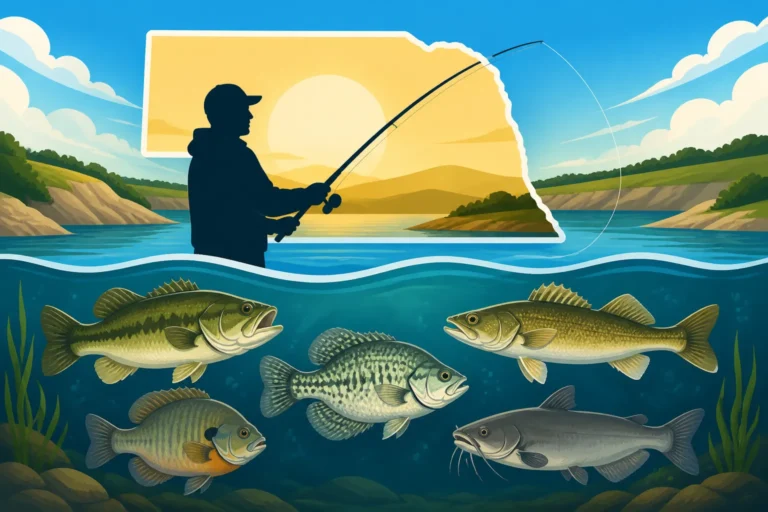
Before we dive into the nitty-gritty of telling them apart, let's appreciate these panfish champions. Crappies, both black and white, are hugely popular in Nebraska. They're found in many of our lakes, reservoirs, and even some rivers, providing exciting fishing opportunities year-round, including fantastic ice fishing action. What makes them so beloved is their willingness to bite, their fighting spirit on light tackle, and their delicious white, flaky meat.
Many anglers just lump them together as "crappie," and honestly, for most recreational purposes, that's perfectly fine. But for those who like to understand the nuances of the fish they're pursuing, or if you're keeping a close eye on species-specific regulations (which sometimes vary, though not always for crappie in Nebraska), distinguishing between the two can be quite useful. It can also give you clues about the specific habitat you're fishing, as their preferences, while overlapping, do have subtle differences.
The Role of Water Conditions
Crappies are incredibly adaptable, which is why they thrive in so many Nebraska waters. However, understanding their general preferences for water conditions can actually be a subtle clue to their identity, even before you get a good look at the fish in your hand. Black crappies tend to prefer clearer, cooler waters with more vegetation, while white crappies are often found in warmer, more turbid (cloudy) waters and areas with more brush and submerged timber. Of course, you'll find both species coexisting in many lakes, but knowing their general leanings can sometimes align with your identification. It's like knowing your neighbor prefers coffee while you prefer tea – both good, but they have their specific tastes!
Decoding the Black Crappie's Features
The black crappie, often called "calico bass" or "speckled perch" in other regions, is a beautiful fish with a distinct appearance. When you pull one of these beauties out of a Nebraska lake, there are a few key features that will immediately tell you it's a black crappie. You'll want to gently handle the fish and give it a good, close look.
Irregular Dark Mottling and Body Shape
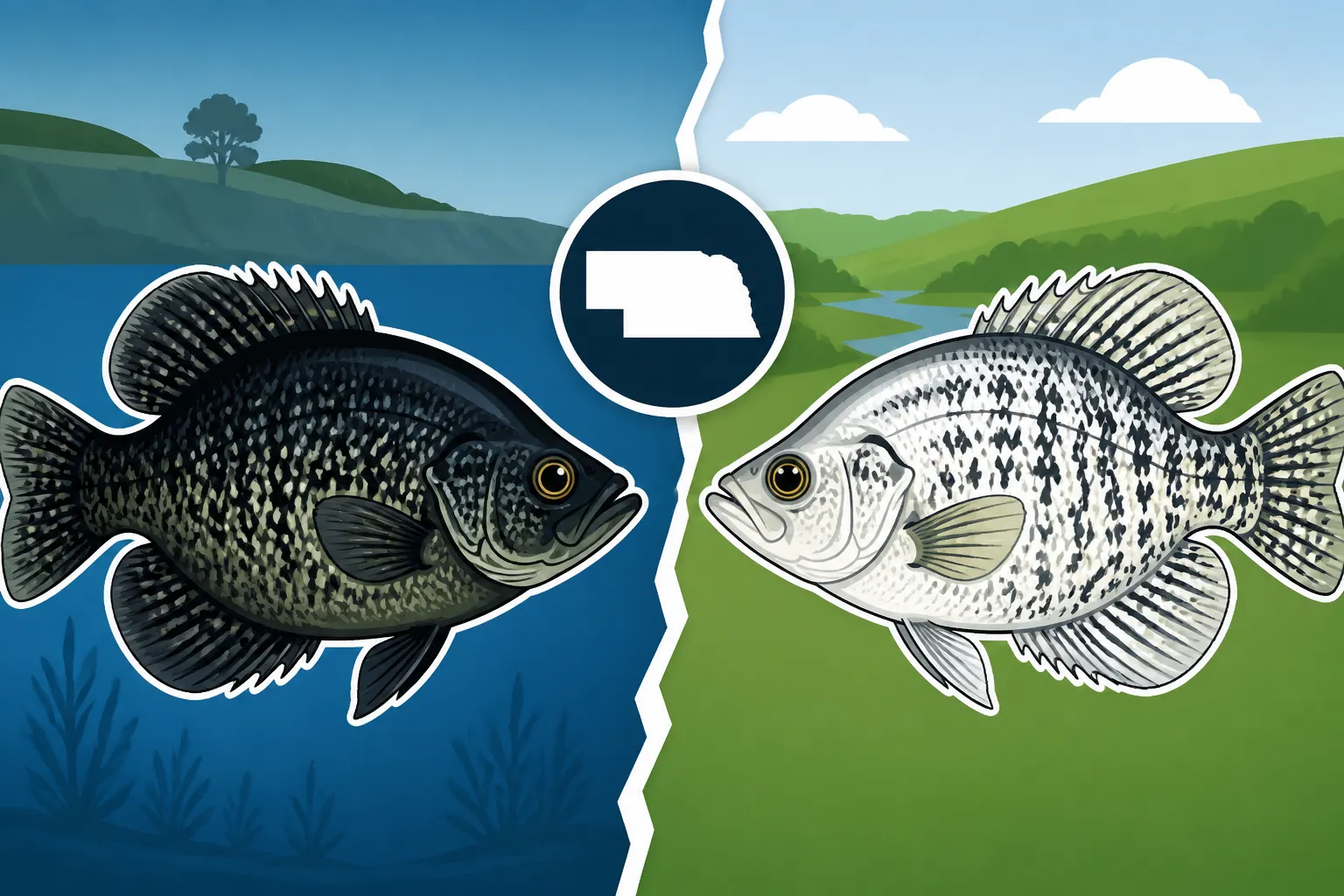
One of the most immediate indicators of a black crappie is its overall coloration and pattern. They tend to have a silvery or yellowish body that is liberally covered with irregular, dark black spots and blotches. These markings are scattered almost randomly across their sides, giving them a "peppered" or "speckled" appearance. It's not uncommon to see these spots extend onto their fins as well. Imagine a canvas splattered with black paint, but in an artistic, natural way – that's often the black crappie.
Beyond the spots, pay attention to their body shape. Black crappies usually have a deeper, more rounded, or "discoid" body. Think of it as almost circular or football-shaped when viewed from the side, making them appear somewhat compressed laterally. This deeper body profile can make them feel a bit more robust in your hand compared to their white crappie cousins. They often give a strong, broad side profile in the water, which can be a key identifier even at a distance if the water is clear enough.
Dorsal Fin Spines: The Key Count
Now, for arguably the most reliable physical characteristic to distinguish between the two: counting the spines in the dorsal fin. This is a scientific and highly accurate way to identify your catch. The dorsal fin is the one on the fish's back. Carefully extend it and count the hard, pointed rays—these are the spines.
Black crappies consistently have 7 or 8 dorsal fin spines. This is a hard-and-fast rule that rarely deviates. You might need to gently run your finger along the leading edge of the dorsal fin to feel the individual spines if they're not clearly visible. This one feature alone is often enough to make a definitive identification, even if the coloration is a bit ambiguous due to water conditions or age. It’s like their biological fingerprint! This specific count is something seasoned anglers will use when they need to be absolutely certain, perhaps if they are reporting a potential state record or participating in a tournament where species identification is paramount.
Spotting the White Crappie's Traits
The white crappie, while similar in many ways to its black-spotted counterpart, carries its own unique set of distinguishing features. Once you've learned what to look for, you'll find it quite easy to tell them apart, even if the fish are on the smaller side. They are equally fun to catch and just as tasty!
Distinct Vertical Bars and Body Shape
When you pull in a white crappie, the first thing that often catches your eye is its pattern. Instead of scattered, irregular spots, white crappies typically display 5 to 10 dark vertical bars along their sides. These bars can vary in prominence; sometimes they're quite bold and obvious, especially on larger, vibrant fish, while on others, they might be fainter, almost like subtle shadows. These bars are usually more organized and uniform compared to the black crappie's random mottling. The rest of their body will generally be a silvery color, often with a hint of gold or green, and considerably less speckled than a black crappie.
In terms of body shape, white crappies tend to be more elongated and streamlined than black crappies. While still laterally compressed, they aren't as "round" or "deep-bodied." Think of a more oval or torpedo-like shape. This difference in profile might be subtle at first glance, but once you've seen a few of each species side-by-side, it becomes much more apparent. This sleeker body can sometimes make them appear a bit quicker in the water.
Dorsal Fin Spines: The Reliable Marker
Just like with the black crappie, the dorsal fin spine count is an extremely reliable way to identify a white crappie. For white crappies, the dorsal fin will almost always have 6 dorsal fin spines. You'll notice this is one fewer spine than the black crappie's typical 7 or 8. This is the anatomical rule that rarely fails.
Again, gently extend the dorsal fin and count those stiff, bony rays. If you find six, you've got a white crappie! This physical trait is the definitive way to confirm your visual observations of spots versus bars and body shape. It's an identification trick that never gets old and always works, no matter how discolored the fish might be from its environment. Knowing this, you can quickly make an identification right on the boat or shore, preventing any guesswork. Nebraska Crappie Daily Limit often applies to both species combined, but knowing what you've caught can be personally satisfying.
Key Differences: Black Crappie vs. White Crappie
Now that we've looked at each species individually, let's put it all together to highlight the most crucial differences. It's often easier to compare them side-by-side, even if only mentally, to solidify your identification skills. Don't forget that environmental factors can influence color intensity, so always prioritize those definitive physical characteristics.
Comparison Table: Visual and Physical Traits
Here's a quick reference table to help you distinguish between black and white crappies at a glance:
| Feature | Black Crappie | White Crappie |
|---|---|---|
| Body Markings | Irregular, scattered dark spots/blotches | 5-10 distinct dark vertical bars |
| Dorsal Fin Spines | 7 or 8 (usually 7) | 6 (almost always 6) |
| Body Shape | Deeper, more rounded/discoid, compressed | More elongated, oval, streamlined |
| Snout/Mouth | Shorter snout, mouth appears smaller | Longer snout, mouth appears larger |
| Habitat Preference | Clearer, cooler water, more vegetation | Warmer, often murkier water, brush, submerged wood |
| Coloration | Darker overall, often with yellowish tinge | More silvery, sometimes with greenish/golden tint |
It's worth noting the snout and mouth difference too. White crappies often have a more pointed, elongated snout and a larger mouth, while black crappies have a slightly shorter snout and a more compact mouth. This is a subtler difference, but once you train your eye, it can be another helpful clue.
Practical Identification Tips on the Water
When you're out fishing on a Nebraska reservoir like Branched Oak Lake Crappie Fishing or a river, quick identification can make a difference. Here are some real-world tips:
- Handle Gently: Always handle fish carefully, especially if you intend to release them. A wet hand helps protect their slime coat.
- Check the Dorsal Fin First: If you're in a hurry or the lighting isn't great, the dorsal fin spine count is your fastest and most reliable bet. Gently spread the fin and count. A small, inexpensive magnifying glass, easily ordered from Amazon, can sometimes help if you have trouble seeing the spines clearly.
- Observe in Natural Light: The true colors and patterns of a crappie are best seen in natural daylight, not under a boat light or in shadows.
- Look at Multiple Features: Don't rely solely on one trait. While dorsal fin count is definitive, combine it with body shape and pattern for overall confirmation. Sometimes a black crappie in muddy water might look less speckled, or a white crappie might have faded bars.
- Consult a Field Guide: Keep a small, waterproof fishing identification guide in your tackle box. Many excellent ones are available on Amazon, specific to North American freshwater fish. This is invaluable for double-checking.
- Take a Picture: If you're still unsure and have a smartphone, snap a clear picture. You can always review it later or ask a more experienced angler.
Why Does Crappie Identification Matter?
You might be thinking, "What's the big deal? A crappie is a crappie!" And while for many, that's true, there are some good reasons to hone your crappie identification skills, especially when you're fishing the diverse waters of Nebraska.
Understanding Habitat and Behavior
Knowing whether you're catching black crappies or white crappies can offer insights into the specific environment you're fishing and even help refine your techniques. Black crappies, with their preference for clearer water and dense vegetation, might indicate you're fishing a healthier, less turbid area of a lake. If you're consistently catching white crappies, it might suggest you're in an area with more brush piles, submerged timber, or slightly murkier water, which they tolerate well. This knowledge can help you decide where to cast next. For instance, if you're targeting How to Catch Crappie Around Brush Piles, you'll likely encounter a mix, but a strong prevalence of white crappies might confirm your spot is ideal for their preferences.
This isn't to say one is "better" than the other, but rather that they have slightly different niches. If you're trying to How to Find Crappie in Cold Water, understanding which species might be more active in certain depths or structures could refine your strategy significantly. They might congregate differently as the seasons change, and knowing which species you're primarily hooking can help you adapt your presentation.
Bag Limits and Regulations
While most Nebraska fishing regulations, particularly daily bag and possession limits, apply to "crappie (either black or white)" as a combined species, there could theoretically be scenarios where specific rules might differ. It's always best practice to consult the current Nebraska Fishing Regulations Explained booklet or the Nebraska Game and Parks Commission website before each season. While it's rare for crappie, species-specific regulations are common for other fish, and being able to accurately identify your catch ensures you're always fishing legally and sustainably.
Even if the limits are combined, some anglers might personally prefer one species over the other, or might be trying to understand population dynamics in a particular body of water. Precise identification contributes to this deeper understanding. Furthermore, if a new regulation were to be introduced, your ability to tell them apart would become immediately crucial.
Angler Skill and Knowledge
Ultimately, learning to distinguish between black and white crappies simply makes you a more knowledgeable and skilled angler. It's part of the ongoing learning process that makes fishing so rewarding. The more you understand about the fish you pursue, their habits, preferences, and identifying characteristics, the better you become at finding and catching them. It's a small detail that contributes to the larger picture of being a well-rounded and responsible participant in the Nebraska fishing community.
For those serious about their crappie fishing, knowing the difference can also help you hone in on specific techniques and baits. For example, if you know you're in an area more favorable to white crappie, you might adjust your lure choice or presentation. If you're looking for Best Jig Color for Nebraska Crappie, some colors might perform slightly better for one species over the other, though often they'll hit the same things. It's all about building your personal fishing strategy on solid knowledge!
Disclaimer
This article is for general informational purposes only and does not constitute professional advice. Laws, prices and regulations vary by location and change over time. Consult a qualified professional for guidance on your specific situation.