Nebraska Lake Trout Fishing
It's easy to assume that a landlocked state like Nebraska, known for its vast prairies and winding rivers, wouldn't be home to a cold-water species like the lake trout. Many anglers, even seasoned ones, are completely unaware that these deep-dwelling giants actually exist in our waters, leading to a missed opportunity for a truly unique fishing experience. This guide aims to clear up the mystery, revealing where Nebraska's lake trout reside, what it takes to catch them, and how you can add this magnificent fish to your angling repertoire.
The Elusive Lake Trout in Nebraska Waters
When most folks think of trout fishing in Nebraska, their minds immediately go to the stocked rainbow trout in urban ponds or the occasional brown trout in certain cold-water streams. The idea of lake trout, a species typically associated with the deep, frigid waters of the Great Lakes or mountain reservoirs, seems almost contradictory to the Nebraska landscape. Yet, they are here, offering a challenging and rewarding pursuit for those willing to learn their secrets. Their presence is a testament to the unique ecological pockets found within our state, proving that Nebraska holds more angling surprises than meets the eye.
Where to Find Lake Trout in Nebraska
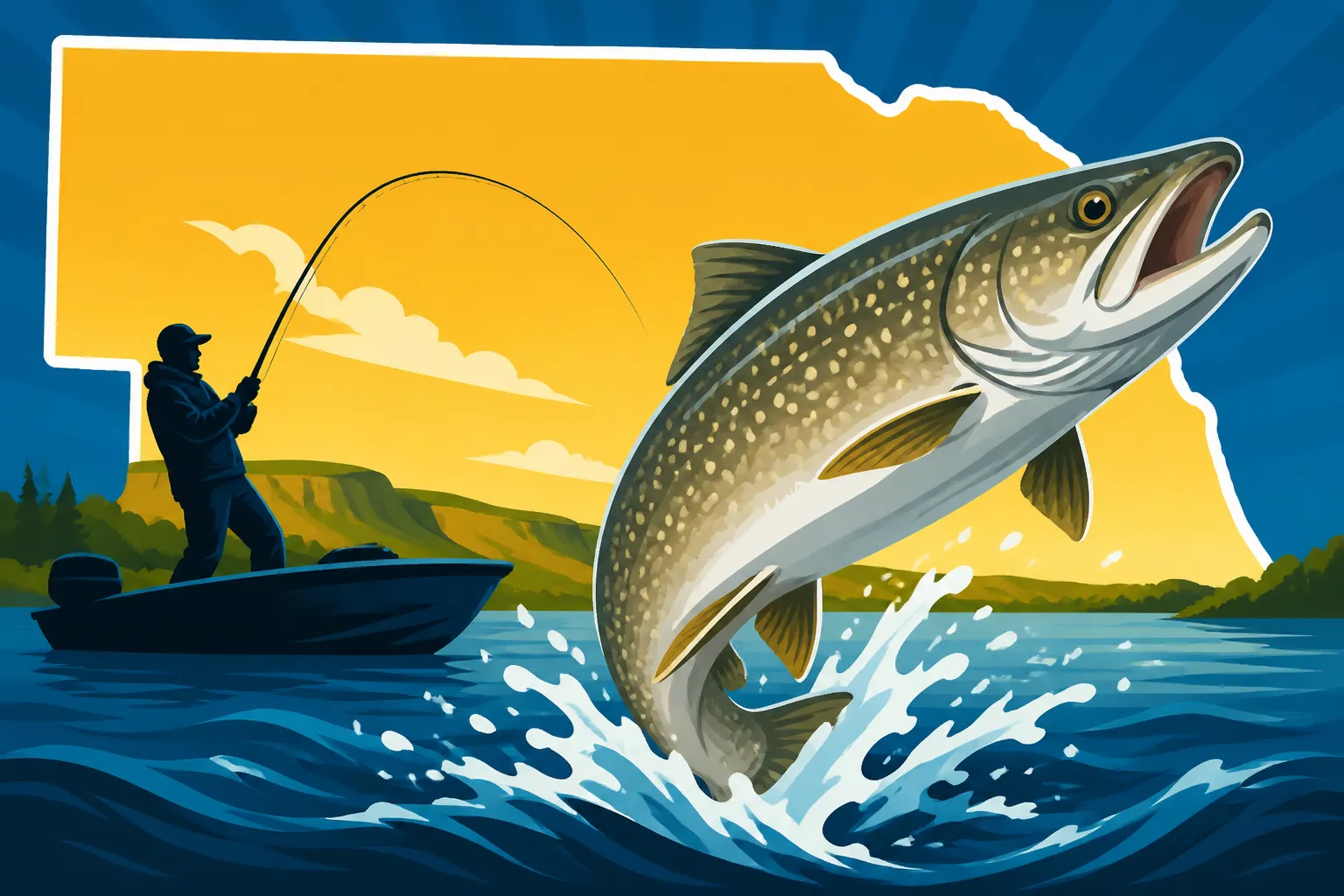
The truth is, lake trout in Nebraska are not widespread. You won't find them in every lake or reservoir. Their existence is primarily concentrated in one specific location: Merritt Reservoir. This remarkable body of water in the Sandhills provides the deep, cold, and clear conditions necessary for lake trout to not just survive, but thrive. Merritt Reservoir offers substantial depths, sometimes exceeding 100 feet, which provides the thermal refuge these fish absolutely need, especially during our hot Nebraska summers. While other reservoirs might have pockets of deep water, none consistently maintain the combination of depth, water quality, and forage base to support a self-sustaining lake trout population like Merritt does. If you're looking to target these fish, Merritt Reservoir Fishing Guide is an essential read.
Anglers often travel quite a distance to reach Merritt, and it's well worth the trip for the chance at a lake trout. The reservoir's unique characteristics, including its groundwater-fed nature, help keep temperatures stable at depth, even when surface temperatures soar. This creates a fascinating micro-ecosystem that supports species beyond the typical Nebraska fare. Knowing where to go is the first and most critical step in pursuing lake trout in our state.
Why Lake Trout Are Unique in Nebraska's Ecosystem
Lake trout are truly an anomaly in Nebraska. They are not native to the state, having been introduced decades ago to diversify fishing opportunities. Unlike many other introduced species that readily adapt and spread, lake trout are incredibly particular about their environment. Their demanding habitat requirements mean they will only survive in very specific conditions, making Merritt Reservoir a rare jewel. They are at the top of the food chain in their deep-water domain, preying on other fish species that can tolerate the colder, darker environment. This position makes them crucial to the balance of Merritt's deep-water ecology.
Their slow growth rate and late maturity also make them sensitive to fishing pressure, underscoring the importance of understanding and adhering to specific regulations to ensure their continued presence. They represent a unique challenge and a conservation success story in Nebraska, requiring careful management to protect this niche population. For more on the general rules, take a look at the Nebraska Fishing Regulations Explained. This specialized fishery demands respect and a different approach than what one might typically use for walleye or bass in other Nebraska waters.
Understanding Lake Trout Behavior and Habitat
To successfully catch lake trout in Nebraska, you have to think like a lake trout. These aren't your typical shallow-water cruising species. They are creatures of habit, deeply tied to specific environmental factors, primarily water temperature and forage availability. If you head out without understanding their preferred haunts and feeding patterns, you'll likely spend more time staring at an empty line than reeling in a fish.
Deep Water Dwellers: Preferred Depths and Temperatures
Lake trout are fundamentally cold-water fish. They absolutely cannot tolerate warm surface temperatures for extended periods. This means that during much of the year, especially from late spring through early fall, they will seek out the deepest, coolest parts of the reservoir. Their ideal water temperature range is generally between 45 to 55 degrees Fahrenheit. In Merritt Reservoir, this means they'll often be found at depths ranging from 40 to over 100 feet, depending on the time of year and the overall thermal stratification of the lake.
During cooler periods, like early spring or late fall, they might venture into slightly shallower waters, especially if their preferred baitfish are also moving up. But as soon as the sun heats the surface, they retreat to the sanctuary of the deep. This makes a good depth finder invaluable. You're not just looking for fish; you're looking for the right depth zone where those fish should be. Understanding the thermal layers of the lake is paramount to locating these elusive fish.
Forage and Feeding Habits in Nebraska Lakes
Like any predator, lake trout are where their food is. In Merritt Reservoir, their diet primarily consists of smaller baitfish. Identifying what these baitfish are and where they congregate at different times of the year is key. Rainbow smelt, for example, are a primary forage species in Merritt that lake trout actively pursue. Smelt are often found in schools in deep, open water, which dictates where the lake trout will be hunting.
Lake trout are opportunistic feeders, but they also have a strong preference for larger meals that offer more caloric reward for less effort. This means they're often targeting baitfish that are substantial enough to make the chase worthwhile. Anglers should try to "match the hatch" by using lures or baits that mimic the size, shape, and color of the dominant forage species. Sometimes this means a large spoon, other times a big swimbait or even live bait, if permitted. They're built for ambush in the deep, so understanding the movements of their prey is crucial for putting your lure in the right place at the right time.
Essential Gear for Nebraska Lake Trout Anglers
Targeting lake trout in Nebraska isn't like casting a worm for bluegill in a farm pond. These are powerful fish, often found in deep water, requiring specialized gear to handle the fight and the conditions. Skimping on your equipment will lead to frustration and lost fish, so it's essential to be prepared with the right tools for the job. You can find a vast selection of reliable gear on platforms like Amazon, making it easier than ever to get what you need delivered right to your door.
Rods, Reels, and Line for Lake Trout
For lake trout, you'll want a rod with plenty of backbone to handle heavy lures, deep-water hooksets, and the strong, sustained runs these fish are known for. A medium-heavy to heavy power spinning or baitcasting rod, typically 6'6" to 7'6" in length, is a good starting point. The extra length helps with casting heavier lures and provides more leverage when fighting a fish from deep water. For reels, a quality spinning reel in the 3000-4000 series or a sturdy baitcasting reel with a smooth drag system is recommended. The drag is absolutely critical; lake trout will test it.
When it comes to line, braided line is a popular choice for its incredible strength, low stretch, and thin diameter, which helps with lure depth and sensitivity. A 20-30 pound test braid is common. You'll want to add a fluorocarbon leader of 12-20 pound test to the end of your braid. Fluorocarbon is nearly invisible underwater and is more abrasion-resistant, which is helpful if the fish runs near structure. For a deeper dive into selecting the right gear, check out Best Rods and Reels for Nebraska Fishing. Don't forget, a good pair of fishing pliers and a solid landing net designed for larger fish are also indispensable when targeting these toothy predators.
Lures and Baits: What Works Best
Lake trout are aggressive predators, and they respond well to lures that imitate their primary forage. Large spoons are incredibly effective, especially when trolled. Silver, white, blue, or green spoons that flash and wobble erratically can be deadly. Jigging spoons and heavy vertical jigs, often 1 to 3 ounces or more, are also excellent choices for deep-water presentations. These can be tipped with a piece of cut bait or a soft plastic trailer for added appeal. Swimbaits, especially those with realistic profiles mimicking smelt or other baitfish, can also entice strikes.
For those who prefer bait, large shiners or cut bait, if allowed, can be very effective, presented on a stout hook with a heavy sinker to get it down to depth. The key is to present something substantial and appealing that stands out in the deep, dark environment where lake trout hunt. Experiment with different colors and sizes until you find what the fish are keying in on that day. Variety in your tackle box, readily available from retailers like Amazon, will give you an edge.
Electronics for Locating Deep-Water Trout
Fishing for lake trout without a quality fish finder is like trying to find a needle in a haystack in the dark. These fish are in deep water, often suspended, and knowing their precise depth and location is absolutely critical. A modern fish finder with a good transducer can show you not only the bottom contour but also bait balls and individual fish arches. Look for models with good screen resolution and sensitivity.
Features like side imaging or down imaging can be particularly helpful for identifying subtle deep-water structure like humps, points, or sunken timber where lake trout might be holding. Understanding how to interpret what your fish finder is telling you is a skill that will dramatically increase your success rate. Without it, you're essentially blind. Equipping your boat with one of the Best Fish Finders for Nebraska Lakes will give you a significant advantage, and learning How to Use Side Imaging Sonar for Structure will pay dividends.
Effective Techniques for Catching Lake Trout
Lake trout fishing is a nuanced game, especially when chasing them in deep, vast reservoirs like Merritt. It's not about randomly casting; it's about methodical presentations, understanding water columns, and adapting to the fish's behavior. There are generally two primary techniques that prove most effective for these deep-dwelling predators: trolling and vertical jigging. Each method has its time and place, and mastering both will give you the best chance of success.
Trolling for Lake Trout
Trolling is arguably the most popular and effective method for covering water and finding active lake trout. This involves dragging lures behind a boat at a controlled speed, allowing you to present your bait at specific depths over large areas. Because lake trout are often suspended or cruising deep structure, trolling allows you to keep your lure in their strike zone for extended periods. Downriggers are often used to precisely control the depth of your lure, sending spoons, large crankbaits, or even bait rigs down to 40, 60, or even 100 feet. Without downriggers, heavy lead-core line or specialized deep-diving crankbaits can achieve similar results, though with less precision.
Your trolling speed is important. Generally, lake trout prefer a relatively slow presentation, from 1.5 to 3 miles per hour, but it's crucial to experiment. Pay attention to your electronics, looking for bait schools and fish arches, and adjust your depth and speed accordingly. Often, a slight change in speed or direction can trigger a strike from a previously uninterested fish. The goal is to make your lure appear like an injured or easy meal.
Jigging and Vertical Presentation
When lake trout are concentrated in specific areas, such as around deep humps, drop-offs, or underwater points, vertical jigging can be incredibly effective. This technique involves dropping a heavy jigging spoon or a weighted soft plastic bait directly down to the fish you've located on your fish finder and then working it up and down. The key here is precise boat control, often using a trolling motor to stay directly over the target.
The action of your jig is paramount. A sharp lift and fall, followed by a pause, can mimic a struggling baitfish. Sometimes a more subtle quiver is all it takes. Watching your fish finder is essential; you'll often see the lake trout rise off the bottom to investigate or strike your lure. It's a more active and engaging form of fishing, offering a direct connection to the fish. When jigging, be prepared for a strong strike; these fish hit hard when they commit.
Ice Fishing for Lake Trout
Yes, you can absolutely ice fish for lake trout in Nebraska! During the winter months, when Merritt Reservoir freezes over, lake trout remain active under the ice. In fact, ice fishing can be one of the most productive times to target them, as they may become more accessible in certain areas as the entire water column cools. You'll still be looking for deep water and using similar techniques as open-water jigging, but adapted for ice fishing.
Heavy jigs, jigging spoons, and lipless crankbaits are popular choices. A good ice fishing flasher or sonar unit is indispensable for seeing your lure and the fish below the ice. You'll need an Essential Gear Checklist for a First Ice Fishing Trip, including a powerful auger to cut through thick ice, and a warm shelter to brave the elements. Many anglers bundle up for Winter Fishing in Nebraska to pursue these cold-water beauties. The experience of reeling in a powerful lake trout through a small hole in the ice is something truly special and a challenge that many Nebraskan anglers cherish.
Seasonal Considerations for Lake Trout Fishing
Just like with any other species, lake trout behavior in Nebraska changes with the seasons. Understanding these shifts in their location and activity levels is crucial for consistent success. What works in July might be completely ineffective in January, and vice-versa. Adapting your approach to the time of year is a hallmark of a skilled lake trout angler.
Summer Deepwater Tactics
Summer is when lake trout truly retreat to the depths in Nebraska. As surface temperatures climb, these cold-blooded predators will seek out the thermocline and beyond, often inhabiting waters 50 to 100 feet deep, sometimes even deeper in Merritt Reservoir. This is prime time for deep trolling with downriggers or heavy lead-core setups, keeping your lures precisely in the cool, oxygenated water where they feel most comfortable. Speed is usually on the slower side, and you'll want to focus on main lake basins, deep channels, and points that drop off quickly into extreme depths.
During these hot months, the fish can become somewhat lethargic if the water is too warm, making slower, more subtle presentations sometimes more effective than aggressive ones. It's also a time when early morning and late evening bites can be strongest, as light penetration is reduced, and baitfish might make slight vertical migrations. Keep an eye on your fish finder for schools of baitfish, as the lake trout won't be far behind.
Fall and Spring Transition Periods
The shoulder seasons of spring and fall offer some of the most exciting and dynamic lake trout fishing opportunities. In early spring, as ice leaves the lake, lake trout may temporarily move into shallower waters, sometimes as shallow as 20-30 feet, as the entire water column begins to homogenize or cool. This can be a fantastic time for casting larger spoons or swimbaits near rocky points or shorelines that drop quickly into deeper water. They become more active and willing to chase.
Similarly, in late fall, as surface temperatures cool significantly and the lake approaches turnover, lake trout might again be found higher in the water column before settling into their winter patterns. During these transition periods, vertical jigging can be exceptionally effective, especially if you can locate schools of baitfish in these mid-depth ranges. The fish are often feeding aggressively to build up reserves for the coming winter or after the lean months of winter. These periods demand flexibility, as the fish's depth can change day by day with fluctuating temperatures.
Winter Ice Fishing Opportunities
As mentioned, winter transforms Merritt Reservoir into an ice angler's paradise for lake trout. Once safe ice forms, anglers can walk out directly over known deep-water haunts, giving them direct access to the fish. The advantage of ice fishing is that you are often directly over the fish, and your electronics give you real-time feedback. Lake trout often suspend or cruise just off the bottom in winter, so jigging heavy spoons or large tube jigs becomes the go-to method.
You'll need durable Nebraska Ice Fishing Gear Guide to brave the elements. Setting up multiple tip-ups with large shiners can also be effective, covering more area. The key is to be patient and keep an eye on your sonar for passing fish. Ice fishing for lake trout is a test of endurance and technique, but the reward of pulling a powerful "laker" through the ice on a cold Nebraska day is truly unforgettable. Be sure to understand How to Ice Fish in Nebraska before heading out.
Conservation and Regulations
The unique status of lake trout in Nebraska means they are a precious resource, and their long-term health depends heavily on responsible angling practices. It's not just about catching them; it's about ensuring future generations can experience the thrill of pursuing these magnificent fish in our state. Always consult the most current regulations before heading out, as they can change to protect the fishery.
Nebraska Lake Trout Regulations and Limits
Specific regulations for lake trout in Nebraska are in place to manage this unique fishery. These often include daily bag limits and length limits. For example, there might be a specific slot limit or a maximum size rule designed to protect the larger, spawning-size fish. These rules are crucial for maintaining a healthy population, especially given their slow growth and late maturity. You will always need a valid Nebraska Fishing License Guide before you even think about dropping a line.
It's vital to check the latest Nebraska Game and Parks Commission fishing guide, available online or at license vendors, for the exact details on lake trout regulations, particularly for Merritt Reservoir. Ignorance of the law is not an excuse, and violating these regulations can result in hefty fines and penalties. Respecting these rules is a critical part of being a responsible angler.
Catch and Release Best Practices
Because of the sensitive nature of lake trout and their limited numbers in Nebraska, practicing catch and release, especially for larger fish, is highly encouraged. If you plan to release a lake trout, it's important to do so with care to maximize its survival chances.
- Minimize Fight Time: Use appropriate gear to land the fish as quickly as possible without over-stressing it.
- Handle with Care: Avoid handling the fish excessively. If possible, keep it in the water. If you must remove it, use wet hands or a wet cloth, and support its body horizontally.
- Remove Hook Gently: Use pliers or a hook remover to quickly and carefully extract the hook. If the fish is deeply hooked, it may be better to cut the line as close to the hook as possible rather than tearing tissue.
- Revive If Necessary: If the fish seems sluggish, hold it gently in the water, facing into any current, until it regains strength and can swim away on its own.
These practices help ensure that the lake trout population in Merritt Reservoir continues to thrive, offering excellent angling opportunities for years to come. Remember, the goal of Nebraska Fishing Daily Bag and Possession Limits is sustainability. Respecting these magnificent fish is just as important as the thrill of the catch. When you're packing your Best Fishing Gear for Nebraska Anglers, consider including tools that aid in safe release.
Disclaimer
This article is for general informational purposes only and does not constitute professional advice. Laws, prices and regulations vary by location and change over time. Consult a qualified professional for guidance on your specific situation.