Best Jig Color for Nebraska Crappie
You're out there, rods bent, reels humming, but sometimes it feels like those Nebraska crappie are playing hide-and-seek, doesn't it? We've all been there, scratching our heads, wondering why the bite died, especially when you're convinced you're in the right spot. Often, the missing piece isn't your technique or even the location, but a seemingly small detail: the color of your jig. It can feel like a guessing game, a secret code the fish hold close to their vests. But don't worry, this comprehensive guide is here to demystify the art of choosing the best jig color for Nebraska crappie, helping you turn those frustrating outings into triumphant ones.
Understanding Crappie Vision and Water Conditions
Before we even talk about specific colors, it's really helpful to understand how crappie perceive the world around them, particularly in the watery environments of Nebraska. They're not like us; their eyes and sensory systems are finely tuned for hunting in conditions where light can be limited or scattered. This means that what looks bright and bold to us above water might appear completely different to a crappie lurking below the surface.
How Crappie See Color and Light
Crappie, much like many predatory fish, have excellent vision, especially in low light. Their eyes are adapted to detect subtle movements and contrasts, which is vital in the often murky or stained waters of many Nebraska lakes and rivers. They possess both rod and cone cells in their eyes, allowing them to see a spectrum of colors, though their perception isn't identical to ours. In deeper water or on overcast days, where light penetration is minimal, certain colors might appear as shades of grey, while others with specific wavelengths might retain some visibility.
Beyond just color, crappie also rely heavily on their lateral line system. This incredible sensory organ allows them to detect vibrations and pressure changes in the water, essentially "feeling" their surroundings and any potential prey. So, while color is important for visual attraction, the action of your jig and the vibrations it sends out also play a massive role. A jig with a fluttering tail, for example, might create enough disturbance to draw a crappie in, even if the color isn't perfectly dialed in. Think of it as a multi-sensory experience for the fish – visual, vibrational, and sometimes even scent-based, all working together to trigger a strike.
Matching Jig Colors to Water Clarity
This is perhaps the most crucial factor when selecting a jig color. Water clarity isn't just about how "clean" the water looks; it's about how light penetrates and how visible objects are. Nebraska boasts a diverse range of fishing environments, from the clear, spring-fed Sandhills lakes to the often turbid Missouri River, and each demands a different approach.
For instance, if you're fishing in the clearer waters of a Sandhills lake, perhaps chasing trout or panfish, a natural, subtle presentation is often key. In these pristine conditions, fish have excellent visibility and are often more wary. They've evolved to scrutinize their prey. Here, colors like olive green, brown, black, or even a subtle white or grey can mimic natural baitfish or aquatic insects without alarming the crappie. You're trying to blend in, to look like a tasty, easy meal that isn't out of place. Conversely, if you're on a more turbid body of water, like Branched Oak Lake after a heavy rain, those subtle colors might disappear entirely. The water might be stained with runoff, or naturally rich in suspended sediment. In these low-visibility conditions, you need colors that create a stark contrast and are easily seen. This is where those vibrant hues like chartreuse, electric chicken, or hot pink really shine, literally. They cut through the murk and provide a visual beacon for the crappie to home in on. Finding a good assortment of these contrasting colors can be easily done on sites like Amazon, ensuring you have options for any clarity.
The Impact of Sunlight and Overcast Skies
The amount of available light, whether from a blazing sun or a heavily overcast sky, dramatically alters how colors appear underwater. On bright, sunny days, especially in clear water, all colors are more visible, but the fish might also be more sensitive to bright, unnatural tones. In these situations, using more natural, subdued colors like subtle greens, blacks, or even pearl white can be incredibly effective. The idea is to present something that looks natural under the intense light, rather than something that screams "artificial."
However, on those dreary, overcast days, or during dawn and dusk when light levels are naturally low, colors that absorb or reflect light differently become more important. Fluorescent and glow-in-the-dark jigs can be game-changers in these conditions. The way they interact with the limited light spectrum makes them stand out more effectively than traditional colors. For instance, chartreuse, orange, and even certain shades of blue often retain their vibrancy better under low light. Sometimes, simply having a jig with a tiny bit of flash or metallic flake can be enough to catch the crappie's eye when the sun isn't cooperating. It's about maximizing the visibility of your presentation when nature isn't providing much help.
Top Jig Colors for Nebraska Crappie by Scenario
Now that we've covered the science, let's get into the practical application. What specific colors should you be tying on when you're targeting crappie across various Nebraska fishing scenarios? It's not always a one-size-fits-all answer, and having a diverse tackle box is always a smart move.
Bright and Bold for Murky Waters
When the water clarity drops, whether it's from recent rains, heavy winds stirring up the bottom, or just the natural turbidity of a river system like the Platte, you need colors that scream "look at me!" to the crappie. This is where the bright and bold hues come into play.
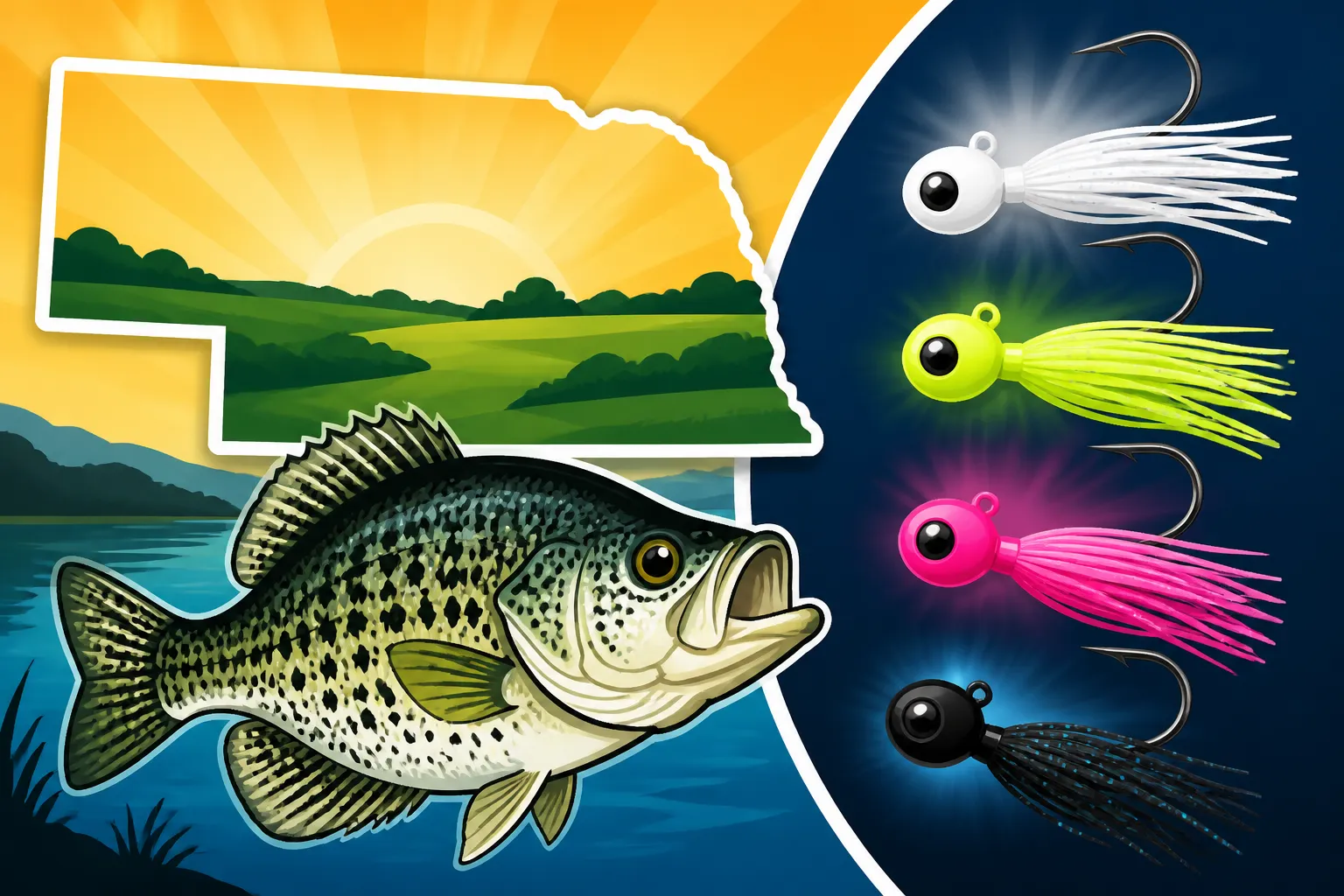
- Chartreuse: Hands down, chartreuse is a go-to for many crappie anglers in stained or muddy water. Its bright, almost fluorescent green-yellow hue offers exceptional visibility. It seems to have a special way of cutting through the murk, creating a strong contrast that fish can see from a distance. If you're ever in doubt about what to tie on in less-than-clear conditions, start with chartreuse.
- Orange/Hot Pink: These vibrant colors also do an excellent job in low visibility. Hot pink, especially, has gained a loyal following among crappie anglers. While it might seem like an unusual choice, the fish don't seem to mind; they just see a highly visible target. These colors are fantastic for drawing attention and getting reactionary bites when crappie are struggling to find subtle presentations.
- Electric Chicken: A popular combination of chartreuse and pink (or sometimes orange) that literally glows in the water. It offers the best of both worlds – the high visibility of chartreuse combined with the distinct contrast of pink. This pattern is particularly effective when you need maximum visibility and attraction. When you're fishing a new spot and aren't sure of the water clarity, having a few electric chicken jigs from Amazon in your tackle box is a safe bet.
When using these colors, remember that you're relying on their ability to stand out. Don't be afraid to experiment with different sizes and profiles too. Sometimes a slightly larger jig or one with more flapping action can amplify the drawing power of these vibrant colors.
Natural Hues for Clear Conditions
Conversely, when you're blessed with crystal-clear waters, the game changes. Here, crappie have ample time to inspect your offering, and anything that looks unnatural can send them swimming the other way. You want to present something that mimics their natural forage as closely as possible.
- White/Pearl: A staple in any crappie angler's arsenal, white is incredibly versatile. In clear water, a clean white or pearl-colored jig often imitates small baitfish like shad or minnows that crappie frequently prey on. It offers a subtle flash and a natural profile without being overly aggressive. It also works well in low-light conditions, where it presents a stark silhouette.
- Greens (Olive, Emerald, Pumpkinseed): Various shades of green are excellent for mimicking aquatic insects, small frogs, or crawfish, all common food sources for crappie. Olive green, in particular, blends well with many natural environments and can be incredibly effective when fish are pressured or wary.
- Brown/Black: These dark colors might seem counterintuitive for clear water, but they can be incredibly effective, especially when crappie are feeding on darker prey items or when you want to create a strong silhouette against a bright sky. A small black jig can look exactly like an insect or small leech, enticing a bite. Try pairing a black jig with a chartreuse tail for a subtle contrast that still gets noticed.
The key with natural hues is often a slower, more deliberate retrieve. Let the jig's natural movement do the work, mimicking a struggling baitfish or insect. This is where patience pays off, allowing the crappie to approach and inspect your offering without feeling rushed. For anglers interested in maximizing their catch while adhering to local guidelines, understanding the Nebraska Crappie Daily Limit is also crucial.
The Power of White and Glow Jigs
Let's dedicate a moment to white and glow jigs because their versatility is often underestimated. White, as mentioned, is a fantastic imitation of various baitfish. It's also an excellent choice on sunny days when all colors are present, offering a clean, visible target without being too aggressive. You'll find a wide array of white and pearl jigs available, from subtle to those with a bit of metallic shimmer, on popular online marketplaces like Amazon.
Glow-in-the-dark jigs, on the other hand, are a secret weapon for specific situations. They're not just for night fishing or ice fishing, although they excel there. When you're fishing deep water, say in one of Nebraska's larger reservoirs, where sunlight struggles to penetrate, a glow jig can be the difference-maker. Charge it with a flashlight or camera flash for a few seconds, and it emits a soft, inviting glow that crappie can't resist. This glow can mimic plankton or other bioluminescent organisms, drawing fish in from surprising distances. I've had success with glow jigs even on cloudy days in moderately deep water, simply because that extra bit of luminescence made the jig pop. Many experienced anglers also recognize that the Best Time of Day to Catch Crappie often involves low light, making glow jigs even more valuable.
Nebraska Crappie Jig Color Guide by Water Condition
To make things a bit easier to visualize, here's a quick guide based on general water conditions you might encounter while crappie fishing in Nebraska:
| Water Condition | Primary Jig Colors to Try | Secondary/Experiment Colors | Why They Work |
|---|---|---|---|
| Clear Water | White, Pearl, Olive Green, Black | Smoke, Grey, Brown, Natural Minnow | Mimics natural forage, subtle presentation |
| Slightly Stained | Chartreuse, White/Chartreuse, Orange | Pink, Electric Chicken, Black/Chartreuse | Good visibility, moderate contrast |
| Murky/Muddy | Chartreuse, Hot Pink, Electric Chicken | Bright Orange, Glow colors | Maximum visibility, high contrast cuts through murk |
| Overcast/Low Light | Glow-in-the-dark, Chartreuse, White | Black, Blue (fluorescent) | Stands out with limited natural light |
| Deep Water | Glow-in-the-dark, White, Chartreuse | Bright Yellow, Blue | Visibility in low light, mimics deep forage |
Factors Beyond Color That Influence Crappie Bites
While jig color is a critical piece of the puzzle, it’s not the only one. Experienced anglers know that crappie can be incredibly fickle, and sometimes you need to adjust more than just the color to get them to commit. Several other factors play a significant role in triggering a bite.
Jig Size and Profile
Just as important as color is the size and profile of your jig. Crappie often have a specific preference for bait size, which can change based on the season, the available forage, and even the mood of the fish. If crappie are feeding on tiny insect larvae, a large 1/8 oz jig might be completely ignored, even if it’s the perfect color. Conversely, if they're gorging on substantial shad, a micro jig might not present enough of a meal to warrant the energy expenditure.
Common crappie jig sizes range from 1/32 oz to 1/8 oz, with 1/16 oz being a perennial favorite. However, don't be afraid to go smaller (1/64 oz) for super finicky fish or larger (1/4 oz) for deeper water or when targeting exceptionally large crappie. The profile also matters: a slim, straight-tail minnow imitation presents differently than a soft plastic with a flapping paddle tail or a curly tail. Sometimes, the subtle quiver of a small marabou jig is all it takes, while other times a more aggressive, thumping action from a plastic grub is what they crave. Having a variety of sizes and profiles, beyond just colors, can significantly increase your success rate. You can find a huge selection of these varying sizes and profiles on sites like Amazon. Knowing the difference between Nebraska Black Crappie vs White Crappie can also influence jig choice, as their feeding habits might slightly differ.
Retrieve Speed and Action
You could have the perfect jig color and size, but if you're working it too fast or too slow, it might as well be invisible. Crappie are often suspended and can be quite sensitive to presentation. Generally, a slow, deliberate retrieve is most effective, especially in colder water or when fish are lethargic. This could involve a slow reel-and-pause, a gentle lift-and-drop, or just letting the jig pendulum on a tight line.
However, there are times when a more aggressive approach pays off. During a spring feeding frenzy or when crappie are actively chasing baitfish, a faster, erratic retrieve with plenty of twitches and pauses can trigger a reaction strike. Understanding How to Catch Crappie in Spring often involves mastering these subtle retrieve nuances. Experimentation is key: start slow and gradually increase your speed and aggressiveness until you find what the fish prefer on that particular day. Pay attention to how the crappie are biting – are they just "thumping" it, or are they aggressively engulfing it? That can tell you a lot about their mood and preferred retrieve.
The Role of Scent and Attractants
Even with the perfect visual, sometimes crappie need a little extra nudge to commit. This is where scent and attractants come in handy. Many soft plastic crappie jigs are now infused with scent, typically mimicking baitfish or garlic. These scents can leave a trail in the water, drawing fish in and encouraging them to hold onto the jig longer, giving you more time to set the hook.
You can also add liquid or gel attractants to unscented jigs. A small dab on your soft plastic or a minnow on a jig head can make a significant difference, especially when crappie are particularly finicky. The scent masks any unnatural odors from your hands or plastics and makes the jig seem more like a real meal. It's an often-overlooked detail that can turn a slow day into a productive one. When crappie are hesitant, that extra olfactory appeal can be just the ticket. And speaking of appealing, remember that fish need to be found first! This is why knowing How to Catch Crappie Around Brush Piles or other structure is paramount, no matter what color jig you're using.
Seasonal Considerations for Crappie Jig Colors
Crappie behavior, and therefore their color preferences, often changes dramatically with the seasons in Nebraska. Water temperature, light penetration, and spawning cycles all play a role in how actively they feed and what they’re looking for.
Spring Spawning Patterns
Spring is prime time for crappie in Nebraska, as they move into shallower waters to spawn. This is a period of intense activity, but it can also be a challenging time for jig color selection because their focus shifts. Early spring, when water temperatures are still cool and crappie are staging, they might be more receptive to slightly brighter colors like chartreuse or white, especially when you're probing deeper channels leading to spawning flats. As temperatures rise into the 50s and 60s, crappie become more aggressive and move onto beds in very shallow water.
Once they're on the beds, they can be highly territorial. Here, a more subtle approach might be needed. Smaller jigs, often in natural colors like black, brown, or even clear with a bit of sparkle, can be effective. Sometimes, the key isn't the color as much as the jig's presence in their spawning area. A tiny jig barely twitched in front of a bedding crappie can trigger a strike purely out of irritation or defense. However, if the water is stained from spring runoff, don't shy away from those brighter colors like electric chicken, even shallow. Many anglers find that the What Crappie Eat in the Spring changes, impacting jig choice.
Summer Deep Water Tactics
As Nebraska's lakes and reservoirs warm up in the summer, crappie often retreat to deeper, cooler waters. They'll seek out submerged structure, brush piles, ledges, and channels where they can find stable temperatures and ambush baitfish. Fishing in these deeper zones presents unique challenges for jig color.
In deep water, light penetration is significantly reduced, meaning many colors lose their vibrancy or disappear entirely. This is where glow-in-the-dark jigs really shine, as mentioned before. They emit their own light, making them highly visible. Bright, high-contrast colors like chartreuse, white, or even fluorescent orange can also maintain some visibility at depth. Additionally, jigs with metallic flakes or UV reactive properties can be very effective, as they catch any available light and reflect it, making the jig shimmer. When you're dropping a jig 15-25 feet down, you need it to be seen. Pair your color choice with a Best Minnow Size for Crappie Fishing to mimic common deepwater forage.
Fall Transition and Feeding Frenzy
Autumn in Nebraska brings cooler temperatures, and crappie enter a pre-winter feeding frenzy, trying to pack on weight. They often become more active and can be found transitioning between deeper summer haunts and shallower areas, following schools of baitfish. This period can offer some of the most consistent crappie fishing of the year.
During the fall, crappie might be less particular about color, but matching the primary forage is still a good strategy. If they're busting schools of shad near the surface, a silver or pearl white jig mimicking a shad could be deadly. If they're deeper, focusing on bottom-dwelling insects or crawfish, greens and browns might be more effective. The water clarity can vary greatly in fall – clear and crisp on calm days, but stained after autumn rains. Be prepared to switch between natural hues and brighter colors as conditions dictate. A good starting point would be combinations: white with a chartreuse tail, or black with a splash of orange.
Winter and Ice Fishing
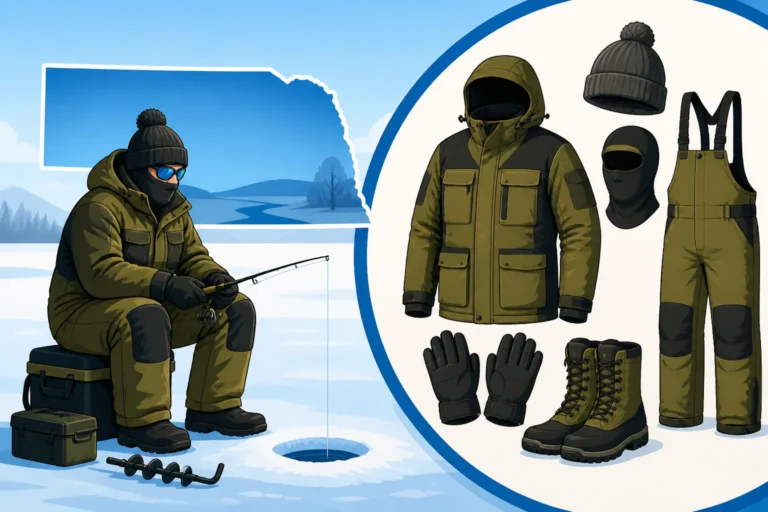
When the ice locks up Nebraska's waters, crappie fishing shifts dramatically. This is a game of finesse and precision, and jig color becomes incredibly important in the low light and cold temperatures beneath the ice. The fish are often lethargic, so presentation, size, and color must be spot on.
Under the ice, especially if there's snow cover, light penetration is minimal. Glow-in-the-dark jigs are paramount here. Small jigs (1/32 oz or 1/64 oz) that glow in white, green, or pink are often irresistible. The tiny glow provides just enough attraction to draw a crappie from the dark, without being overwhelming. Flash and UV reactive colors can also work wonders. Small spoons or tungsten jigs in silver, gold, or copper can also be very effective, especially if they have a small dab of paint in a glow or fluorescent color. The retrieve is usually extremely subtle – tiny twitches or dead sticks are often more effective than aggressive jigging. Anglers who master the nuances of How to Catch Crappie Through the Ice often swear by glow jigs in a variety of small profiles. Make sure your gear is up to snuff too; checking out Best Spinning Reels for Panfish might give you an edge with these delicate presentations.
In the end, while science gives us a great starting point, crappie fishing in Nebraska is often about experimentation. What worked yesterday might not work today. Keep a diverse range of jig colors, sizes, and profiles in your tackle box, and don't be afraid to change things up until you crack the code.
Disclaimer
Fishing conditions and regulations in Nebraska can change. Always consult the latest Nebraska Game and Parks Commission regulations before heading out on the water. This article is intended for informational purposes only and does not constitute official legal or regulatory advice.