What Water Temperature Bass Prefer
It's a common frustration for anglers: you're out on the lake, the sun is shining, and yet the bass just aren't biting. Many times, the unseen culprit is the water temperature. Bass are incredibly sensitive to temperature changes, and understanding their preferred ranges in Nebraska's diverse waters is absolutely crucial to putting more fish in your boat or on your bank. This guide will dive deep into exactly what water temperatures bass prefer, helping you unlock more consistent success.
Why Water Temperature Matters So Much for Bass in Nebraska
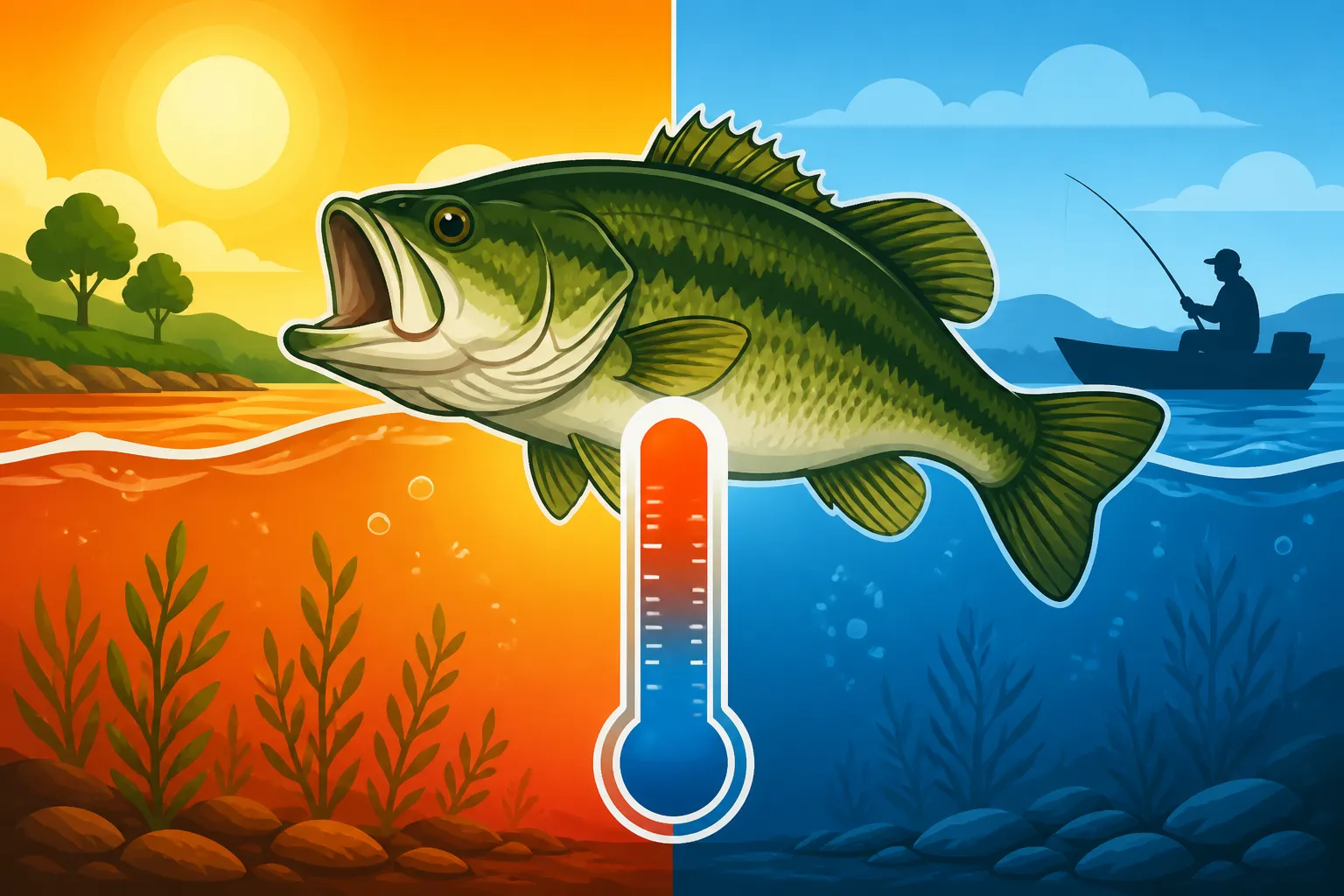
Think of water temperature as the bass's thermostat for life. It dictates everything from their metabolism and digestion to their spawning cycles and overall activity levels. Ignoring this fundamental factor is like trying to guess what mood your teenager is in – you might get lucky sometimes, but a deeper understanding will yield far better results. For us anglers in Nebraska, where temperatures can swing wildly from season to season, paying attention to water temps isn't just a suggestion, it's a necessity.
The Metabolism Connection: How Temperature Drives Bass Activity
Just like us, fish have an optimal internal temperature where their bodies function most efficiently. For bass, especially the ubiquitous largemouth, this optimal zone largely determines how active they are. When the water is too cold, their metabolism slows way down. They become sluggish, requiring less food and moving less frequently. This isn't because they're being finicky; it's a biological imperative. They conserve energy, making them much harder to entice with a lure.
Conversely, if the water gets too warm, their metabolism can actually become too high, causing stress. In extreme heat, oxygen levels in the water can drop, further exacerbating their discomfort. They'll seek cooler, deeper waters, often becoming lethargic or even going into a state of suspended animation to avoid overheating. Understanding this metabolic dance is the first step to truly understanding where and when to find active bass.
Comfort Zones and Habitat Selection
Bass aren't just looking for food; they're looking for comfort. This comfort often directly correlates with water temperature. Throughout the year, as Nebraska's lakes and rivers heat up and cool down, bass are constantly on the move, searching for that "just right" temperature zone. This might mean moving from shallow sun-baked flats to deeper, cooler main lake points in the summer, or from deep wintering holes to sun-drenched coves in the spring.
When you understand the temperature ranges they prefer, you can start to predict where they'll be hiding. For example, a rocky riprap bank might hold bass in the spring as it absorbs heat, but be devoid of them in the summer when the water becomes too hot. Conversely, a deep, shady brush pile might be a bass magnet during the dog days of summer. It's all about finding those thermal sweet spots.
Understanding the Ideal Water Temperature Ranges for Nebraska Bass
While "bass" is a broad term, in Nebraska, we're primarily talking about largemouth bass and smallmouth bass. Each species has its nuances, but generally, their preferences fall within similar ranges, with some key differences that can help you target one over the other.
Largemouth Bass: Their Sweet Spots
The king of many Nebraska impoundments, the largemouth bass, truly thrives in warmer waters compared to some other game fish. Their preferred feeding and active range is quite broad, making them a fun target across multiple seasons.
- Optimal Active/Feeding Range: Generally, largemouth bass are most active and feed aggressively when water temperatures are between 65-75°F (18-24°C). In this range, their metabolism is high, they're chasing baitfish, and they're generally feeling feisty. This is prime time for power fishing techniques like crankbaits, spinnerbaits, and topwater lures.
- Pre-Spawn Staging: As water temperatures climb into the 55-65°F (13-18°C) range in spring, largemouth will begin to move from their deep wintering grounds to shallower staging areas. They're still active, feeding heavily to build energy for the upcoming spawn. Jerkbaits and bladed jigs can be deadly here.
- Post-Spawn Recovery: After the spawn, when waters are typically in the 65-70°F (18-21°C) range, bass might be a bit lethargic but quickly recover and resume aggressive feeding.
- Warm Water Tolerant: Largemouth can tolerate temperatures up to the low 80s°F (around 27-28°C), but they'll often seek shade, deeper water, or areas with more oxygen. In these conditions, slower presentations like Texas rigs or dropshots become more effective. You can find more specific tips for these conditions in How to Catch Bass in Farm Ponds During Summer.
Smallmouth Bass: Cooler Water, Aggressive Bites
While Nebraska isn't traditionally known as a smallmouth haven in every corner, certain rivers and reservoirs, particularly those with rockier bottoms and clearer water, hold fantastic populations. Smallmouth generally prefer slightly cooler water than their largemouth cousins.
- Optimal Active/Feeding Range: Smallmouth bass are usually most active and aggressive when water temperatures are between 60-70°F (16-21°C). They're built for cooler, often oxygen-rich environments and are absolute fighters in this range. Smallmouth love rocky structure, current, and clear water.
- Pre-Spawn Staging: Similar to largemouth, smallmouth will begin moving shallower when water temps hit the 50-60°F (10-16°C) range. They'll hug rocky points and gravel flats, preparing to spawn.
- Cool Water Tolerant: Smallmouth can remain quite active in water temperatures down into the 40s°F (4-9°C), especially in rivers with steady current. They'll slow down, but can still be caught on finesse baits. Conversely, they can tolerate warmer temperatures but will seek deeper, cooler haunts just like largemouth.
The Critical Spawning Window
This is perhaps the most temperature-dependent period for both species. Bass typically spawn when water temperatures consistently settle into a specific range.
- Largemouth Spawning: Generally occurs when water temperatures are consistently between 62-68°F (17-20°C). A sudden cold snap below this range can cause them to abandon beds or delay spawning.
- Smallmouth Spawning: Usually happens when water temperatures are slightly cooler, around 58-64°F (14-18°C).
During the spawn, bass are often highly visible on beds in shallow, protected areas. While it can be tempting to target them, many anglers practice catch-and-release during this sensitive time to ensure healthy future populations. For more on specific regulations around bass, check out Nebraska Bass Length Limits.
Here's a quick reference table for bass temperature preferences:
| Water Temperature Range | Largemouth Bass Activity | Smallmouth Bass Activity | Recommended Techniques (General) |
|---|---|---|---|
| Below 45°F (7°C) | Very Slow, Deep | Very Slow, Deep | Vertical Jigs, Slow Finesse |
| 45-55°F (7-13°C) | Slow, Staging Deep | Slow-Moderate, Staging | Jerkbaits, Blade Baits, Jigs |
| 55-65°F (13-18°C) | Pre-Spawn, Active | Pre-Spawn, Active | Spinnerbaits, Crankbaits, Jigs |
| 65-75°F (18-24°C) | Optimal Activity | Optimal Activity | All Lure Types, Power Fishing |
| 75-80°F (24-27°C) | Active, Seek Shade/Depth | Active, Seek Shade/Depth | Topwater (early/late), Plastics |
| Above 80°F (27°C) | Stress, Deep/Shade | Stress, Deep/Shade | Slower Finesse, Deep Structure |
Seasonal Strategies: Targeting Bass Based on Nebraska's Changing Water Temps
Nebraska offers distinct seasons, and knowing how bass react to these temperature shifts is your roadmap to success. From the warming waters of spring to the icy grip of winter, adjusting your approach to match the bass's thermal preferences is key.
Spring: Warming Trends and Pre-Spawn Action
Spring in Nebraska is a time of transition, and water temperatures are constantly on the rise. As ice recedes and the sun gains strength, shallower areas, especially those with dark bottoms or riprap, will warm up first. This is where bass will first migrate to in search of food and warmth.
- Early Spring (45-55°F): Bass are sluggish but beginning to move. Focus on deeper breaks adjacent to shallow spawning flats. Slow-moving baits like jerkbaits, jigs, and blade baits are excellent. They're still conserving energy, so a slow retrieve is often best. Look for points, creek channels, and the backs of coves that offer easy access to deeper water.
- Mid-Spring (55-65°F): This is prime pre-spawn territory. Bass are now actively feeding to bulk up for the spawn. They'll be found in shallower staging areas, especially near cover like submerged timber, rocks, or old weed lines. Spinnerbaits, crankbaits, and chatterbaits shine as bass become more aggressive. This is a fantastic time for Spring Fishing in Nebraska.
- Late Spring/Spawn (62-68°F): Bass are on their beds. While some anglers target them, many prefer to let them spawn in peace. If you do fish, focus on areas adjacent to spawning beds or the deeper edges where bass are still cruising. Light Texas rigs, wacky rigs, or weightless senkos can entice a defensive bite.
Summer: Deep Water and Thermoclines
When the brutal Nebraska summer sun pushes water temperatures above 75°F, bass change their habits dramatically. The shallows can become too hot and low in oxygen.
- Finding the Comfort Zone: Bass will retreat to deeper, cooler water. This often means structure on the main lake, such as ledges, humps, points, and channel swings. They'll also seek out areas with shade – under docks, overhanging trees, or thick mats of vegetation.
- The Thermocline: In many deeper Nebraska reservoirs, a thermocline will set up. This is a layer of water where the temperature changes rapidly. Bass will often suspend just above or within this layer, as it provides optimal temperature and oxygen. A good fish finder can help you locate this crucial depth.
- Lure Selection: Slower, more deliberate presentations are often best. Deep-diving crankbaits, Carolina rigs, dropshots, and heavy jigs worked slowly along deep structure can be highly effective. Early morning and late evening topwater bites can be explosive as bass briefly move shallower during cooler parts of the day. For more summer specific techniques, explore Summer Fishing in Nebraska.
Fall: Cooling Waters and Feeding Frenzies
Fall is arguably one of the best times for bass fishing in Nebraska. As water temperatures begin to drop, bass sense the approaching winter and engage in a major feeding spree.
- Early Fall (65-75°F): Bass are still active, often chasing baitfish in the shallower areas. They'll follow shad into the backs of creeks and coves. Topwater, spinnerbaits, and lipless crankbaits can be incredibly productive as bass gorge themselves. This is a transition period, and you might find them shallower early in the day, moving deeper as the sun gets high.
- Mid-Fall (55-65°F): The baitfish schools are getting thicker, and bass are focused on packing on calories. They'll often be associated with schools of baitfish in main lake channels, secondary points, and even flats. Jigs, crankbaits, and swimbaits are great choices. The fish are often aggressive and willing to chase.
- Late Fall (45-55°F): As water temperatures continue to drop, bass start to move towards their wintering areas. They'll be deeper, but still catchable with slower, finesse techniques. Consider targeting deep rock piles, bluffs, and channel edges. Jerkbaits are particularly effective as bass become less willing to chase fast-moving lures. Don't miss out on Fall Fishing in Nebraska.
Winter: Slow and Deep
Winter fishing in Nebraska means cold water, often below 45°F, and sometimes even ice. Bass activity slows dramatically.
- Deep and Lethargic: Bass will hold in their deepest wintering holes, often near significant structure like main lake channels, deep timber, or bluff walls. Their metabolism is at its slowest.
- Finesse is Key: Presentation must be excruciatingly slow. Vertical jigs, dropshots, and small spoons fished directly on their nose are your best bet. Bites can be incredibly subtle, feeling more like spongy weight than a sharp strike.
- Ice Fishing: For the adventurous, ice fishing for bass can be rewarding. Small jigs tipped with live bait or plastics, fished slowly through the ice, can bring surprising results. Just be sure to check Nebraska Ice Fishing Safety Tips before heading out.
Practical Tips for Measuring Water Temperature and Adapting Your Approach
Knowing the ideal temperature ranges is one thing; putting that knowledge into practice on the water is another. Fortunately, modern technology and a bit of keen observation can make you a much more effective bass angler.
Tools of the Trade: Thermometers and Electronics
You can't guess water temperature, you have to measure it.
- Simple Thermometers: A basic water thermometer is an inexpensive and indispensable tool. You can find simple clip-on versions at most sporting goods stores or on platforms like Amazon. Attach it to your line, let it sink to the depth you're fishing, and give it a few minutes to acclimate before retrieving and checking the reading. This is especially useful for shore anglers or those in kayaks.
- Boat Electronics (Fish Finders/Chartplotters): If you're fishing from a boat, your fish finder or chartplotter is likely already doing the work for you. Most modern units have a water temperature gauge built into the transducer. Pay attention not just to the surface temperature, but also to temperature readings at different depths if your unit offers that capability. This is particularly helpful for finding thermoclines in deeper lakes. Brands like Lowrance, Humminbird, and Garmin offer excellent units that display this vital information. While we often talk about How to Read a Fish Finder for Walleye, the principles apply universally to finding bass as well.
- Weather Apps: While not directly measuring water temperature, a good weather app can give you an idea of air temperature trends, which directly impact water temps. A sustained warming trend means shallower water is likely heating up, while a cold front will have the opposite effect.
Reading the Water: Beyond the Numbers
While precise temperature readings are invaluable, learning to "read the water" for thermal cues can give you an edge, especially when fishing unfamiliar spots or without advanced electronics.
- Sunlight Penetration: Areas that receive more direct sunlight for longer periods will warm faster. Think north-facing banks in spring, or shallow, open flats. Conversely, deep, shaded areas will remain cooler.
- Depth: Water temperature decreases with depth. This is a fundamental principle. If surface temps are too high, bass will be deeper. If they're too cold, they might move to shallower, sun-warmed areas.
- Current: Moving water, especially in rivers or below dams, tends to be more consistent in temperature than stagnant areas. However, heavy rains or snowmelt can introduce colder water, while slow-moving sections might warm up faster on sunny days.
- Inflows/Outflows: Pay attention to creeks, culverts, or spillways. A warm spring rain can bring warmer water into a lake, attracting bass. Conversely, cold snowmelt can push bass out of an area.
- Color and Clarity: Darker, murkier water absorbs sunlight more efficiently and will warm faster than clear water. This can be a key factor in early spring. Clear water, on the other hand, might allow bass to see your presentation better, requiring a more finesse approach.
By combining precise temperature readings with these observational cues, you'll develop a much more comprehensive understanding of where bass are likely to be hiding in Nebraska's waters. It's about being a detective, piecing together the clues the environment provides.
Disclaimer
This article is for general informational purposes only and does not constitute professional advice. Laws, prices and regulations vary by location and change over time. Consult a qualified professional for guidance on your specific situation.