What Makes Lake McConaughy Good Walleye Habitat
For any angler who has ever stared out across the vast, shimmering expanse of Lake McConaughy, the question inevitably arises: what makes this massive reservoir such an absolute magnet for walleye? It's more than just a large body of water; it's a finely tuned ecosystem that supports a thriving walleye population, offering both challenges and incredible rewards. This guide will take a deep dive into the unique characteristics of Lake McConaughy that create an ideal home for these prized game fish, helping you understand why the walleye here are so robust and how this habitat impacts your fishing success.
Understanding What Walleye Need in a Habitat
Before we can truly appreciate Lake McConaughy's appeal, it's crucial to understand what makes a habitat suitable, even ideal, for walleye in the first place. Walleye aren't just any fish; they have specific requirements for survival, growth, and reproduction. When these elements align perfectly, you get a fishery like McConaughy.
Preferred Water Characteristics for Walleye
Walleye are often referred to as "low-light feeders" for a reason. They generally prefer cooler, slightly turbid waters, which protect their sensitive eyes from bright sunlight. This preference dictates where you'll often find them throughout the day and year. Clear, shallow, sun-drenched waters typically aren't their first choice unless there's heavy cover or deep structure nearby. They thrive in environments where they can ambush prey without being overly exposed themselves.
The water temperature is another critical factor. Walleye are cool-water fish, generally preferring temperatures in the 60s Fahrenheit, though they can tolerate a wider range. Their metabolism and activity levels are heavily influenced by water temperature, affecting everything from their feeding habits to their spawning cycles. Too warm, and they become stressed; too cold, and their activity slows significantly.
Essential Structural Elements
Structure is paramount for walleye. It provides cover, ambush points, and areas for their prey to hide, which in turn attracts the walleye. This can come in many forms:
- Submerged humps and points: These are classic walleye magnets. As currents move over them, they can concentrate baitfish, and the depth changes offer walleye vertical movement options throughout the day.
- Rock piles and riprap: Rocky areas provide excellent cover and are often rich in invertebrates and small fish that walleye feed on. The warmth from the rocks can also attract bait.
- Weed lines and submerged timber: While walleye don't typically live in dense weeds, the edges of weed beds are prime ambush spots. Submerged trees and brush piles offer similar benefits, acting as natural fish attractors.
- Drop-offs and ledges: The transition areas where shallow water quickly drops into deeper water are always key. Walleye can sit on the deeper side, darting up into the shallows to feed.
These structural elements aren't just for hiding; they're integral to the entire food web, creating micro-habitats that sustain the diverse ecosystem a healthy walleye population relies on. Anglers often spend considerable time on the water with their fish finders, searching for these exact features, sometimes even using advanced sonar units available through retailers like Amazon to pinpoint subtle changes in bottom composition.
Crucial Forage and Spawning Grounds
No game fish population can thrive without an abundant and accessible food source. Walleye are predatory fish, and their diet primarily consists of smaller baitfish. The type and quantity of these forage fish directly impact the growth rate and overall health of the walwalleye population. Shad, alewives, smelt, shiners, and even young perch or crappie are common menu items. A diverse and robust forage base ensures the walleye have plenty to eat, leading to bigger, healthier fish. You can learn more about What Walleye Eat in Nebraska Lakes to understand their diet better.
Finally, successful reproduction depends entirely on suitable spawning grounds. Walleye are broadcast spawners, typically preferring hard-bottomed areas like gravel, rock, or rubble in moving water (like rivers) or wave-swept shorelines and reefs in lakes. They need areas where their eggs can settle and adhere to the substrate without being smothered by silt or consumed by predators immediately. The timing of the spawn, usually in early spring when water temperatures reach a specific range, is a critical period for the health of future generations. Nebraska Walleye Spawning Season is an excellent resource for understanding this crucial period.
Lake McConaughy's Habitat: A Walleye Paradise
Now that we know what walleye look for, let's turn our attention to Lake McConaughy itself. This colossal body of water in Western Nebraska isn't just big; it's meticulously sculpted by nature and human design to provide an unparalleled habitat for walleye.
Vastness and Depth: More Room to Roam
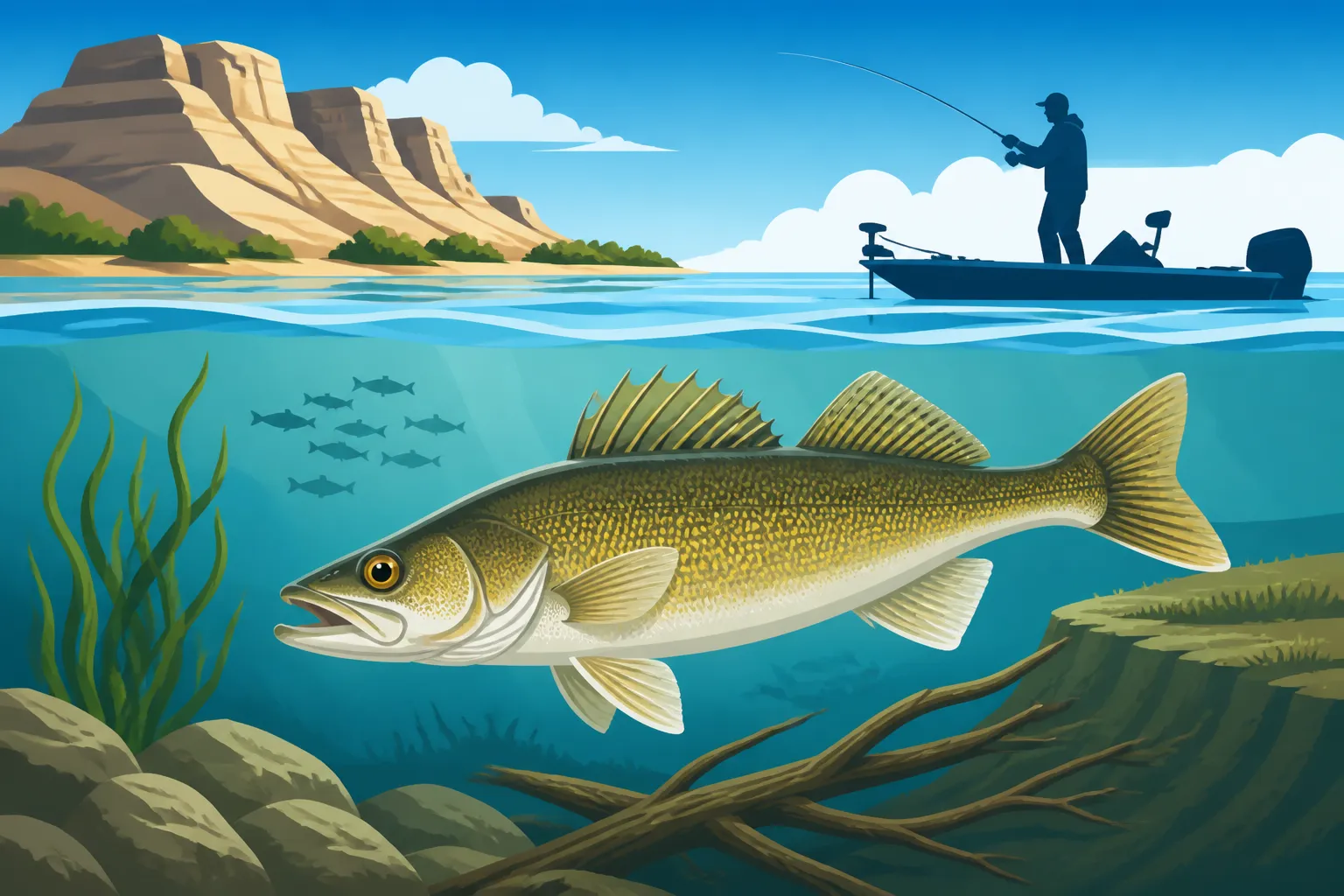
Lake McConaughy truly lives up to its nickname, "Big Mac." Its sheer size and impressive depth create an enormous amount of usable habitat for walleye. Unlike smaller lakes where fish can become concentrated and pressured, McConaughy offers vast expanses where walleye can spread out, follow baitfish, and find refuge. This means less competition for food in many areas and more unpressured fish. The depths available also allow walleye to retreat to cooler, darker waters during the brightest parts of the day or during hot summer spells. They can suspend over deep water, or hug the bottom, moving vertically as their comfort levels and feeding instincts dictate.
This extensive area also makes it challenging for anglers, requiring patience and good electronics. Many serious walleye anglers purchase powerful fish finders and GPS units from online retailers like Amazon to navigate and effectively fish such a large body of water, marking waypoints and studying contours.
Diverse Underwater Structure: A Walleye Playground
One of McConaughy's biggest draws for walleye is its incredibly diverse underwater structure. It's not just a bowl; it's a complex tapestry of contours and features.
- Submerged Islands and Humps: "Big Mac" is famous for its numerous submerged islands, reefs, and humps. These underwater mountains rise from the depths, creating prime feeding grounds where walleye can ambush passing schools of shad and other baitfish. Anglers spend countless hours mapping these structures, knowing that even a slight contour change or a small cluster of rocks can hold a trophy walleye. These features offer significant vertical relief, allowing walleye to move up and down in the water column as light conditions and baitfish patterns change. How to Find Walleye on Deep Humps and Points is a great article for learning more about locating these structures.
- Channel Edges and Drop-offs: The original river channel of the North Platte River still exists beneath the reservoir, creating distinct, deep channel edges. These steep drop-offs provide classic walleye habitat, offering quick access to deep water and a natural migration route. Walleye will often cruise these edges, waiting for prey to move over the break.
- Rocky Shorelines and Riprap: Especially near the dam and along some of the more exposed shorelines, you'll find plenty of riprap and rocky stretches. These areas are excellent for early season walleye, particularly during the spawn, and attract baitfish throughout the year. The rocks also warm faster in the spring, drawing in forage and subsequently, walleye.
Abundant Forage Base: Fueling Growth
Lake McConaughy boasts a robust and diverse forage base, which is absolutely critical for growing large, healthy walleye. The primary food source for McConaughy's walleye is the gizzard shad. These prolific baitfish provide a constant, high-energy food supply, allowing walleye to grow quickly and reach impressive sizes. The sheer number of shad means that walleye don't have to expend excessive energy hunting, leading to better condition and larger fish.
In addition to gizzard shad, walleye in McConaughy will also prey on yellow perch, white bass, and even juvenile carp or other panfish. This varied diet contributes to their health and adaptability, making them less susceptible to fluctuations in any single prey species. The abundant forage is a key reason why Lake McConaughy is renowned for its trophy walleye potential.
Ideal Spawning Conditions: Sustaining the Population
For a walleye fishery to thrive long-term, it needs reliable spawning success, and Lake McConaughy delivers. While some natural reproduction occurs within the reservoir, the Nebraska Game and Parks Commission actively stocks walleye into McConaughy. However, the presence of excellent natural spawning habitat contributes significantly to the overall population.
- Rocky Reefs and Shorelines: The reservoir's numerous rocky areas and wave-swept shorelines provide perfect conditions for walleye to deposit their eggs. The clean, hard substrate allows eggs to adhere and develop without being suffocated by sediment. The constant wave action also helps to keep the eggs aerated.
- Inflows and Currents: While McConaughy is a reservoir, it still has inflows and areas with current, particularly around the dam and where the North Platte River enters. These current areas are attractive to spawning walleye, mimicking their preferred riverine spawning habitats.
The combination of natural spawning grounds and diligent stocking efforts ensures a continuous supply of young walleye entering the system, perpetuating the "Big Mac" walleye legacy.
How Lake McConaughy's Habitat Shapes Walleye Behavior and Fishing Strategies
Understanding the habitat isn't just academic; it directly influences how you fish and where you'll find walleye throughout the year. The unique conditions of Lake McConaughy dictate everything from bait selection to preferred fishing techniques.
Seasonal Movements and Patterns
The vast, diverse habitat of Lake McConaughy means walleye exhibit clear seasonal movements.
- Spring: As the ice recedes and water temperatures begin to climb, walleye move shallower, concentrating near traditional spawning grounds like rocky points and riprap. This is a prime time for shore anglers and boaters alike. Spring Fishing in Nebraska is a great resource to explore spring techniques.
- Summer: Once spawning is complete and water temperatures rise, walleye often move to deeper, cooler waters, relating strongly to submerged humps, main lake points, and the old river channel. They will often suspend over deep water, following schools of shad, or hug deep structure. Night fishing can be particularly effective during summer as walleye move shallower to feed under the cover of darkness.
- Fall: As water temperatures cool again, walleye become very active, feeding heavily to build up reserves for winter. They can be found shallower again, often chasing baitfish schools in bays and on flats, but also still relating to deep structure. This is often considered one of the best times for trophy walleye.
- Winter (Ice Fishing): Even under the ice, McConaughy's walleye are active. They'll relate to structure, often suspending over deeper areas or congregating around submerged points and humps where baitfish might be found. Nebraska Ice Fishing Regulations outlines rules for winter fishing.
Effective Fishing Techniques
The varied habitat supports a multitude of walleye fishing techniques. You won't find success sticking to just one method here.
- Trolling: Given the vastness of McConaughy, trolling is an incredibly popular and effective method, especially for covering large areas and finding active fish. Anglers often troll with crankbaits, spinner rigs, or bottom bouncers, adjusting depths to target specific thermoclines or structures. You can find a wide array of specialized trolling equipment, like planer boards and specific lures, on Amazon. How to Troll for Walleye in Nebraska delves into this technique.
- Jigging: Whether it's vertical jigging over deep structure or casting jigs to weed lines and rocky points, jigging is a productive method, particularly in spring and fall. Soft plastics, minnow-tipped jigs, or blade baits are all popular choices.
- Bottom Bouncing & Live Bait Rigs: For targeting walleye on humps, points, and along the old river channel, bottom bouncers with crawler harnesses or live bait rigs (using minnows or leeches) are deadly. These allow anglers to keep their bait right in the strike zone, near the bottom where walleye often feed.
- Casting Crankbaits & Jerkbaits: Especially during low-light conditions or when walleye are actively chasing bait near shorelines, casting lipped crankbaits or jerkbaits can be highly effective. The key is often to match the lure's profile and color to the prevalent forage.
Table: Lake McConaughy Walleye Habitat Features
| Habitat Feature | Walleye Preference | Lake McConaughy's Offering | Impact on Fishing |
|---|---|---|---|
| Water Depth | Deep, cool water refuge from light/heat | Max depths well over 100 feet; vast areas over 30 feet | Walleye can retreat deep in summer, suspend over open water; requires good electronics |
| Water Clarity | Moderate turbidity (shields eyes) | Often clear but can vary with wind/inflow; deep water offers low light conditions | Walleye active in low light (dawn/dusk/night); deeper baits needed in clear water |
| Submerged Structure | Humps, points, rock piles, ledges, old river channels | Abundant submerged islands, extensive old river channel, countless points and rocky reefs | Prime ambush points; forces anglers to use sonar to locate; trolling effective |
| Forage Base | Abundant baitfish, especially shad | Huge gizzard shad population; also perch, white bass | Fast growth rates for walleye; larger fish; "match the hatch" with lures |
| Spawning Grounds | Hard bottoms: gravel, rock, rubble in current/waves | Rocky shorelines, riprap near dam, wave-swept reefs; active stocking by NGPC | Sustains healthy population; spring fish congregate in these areas |
Protecting and Preserving This Premier Fishery
Lake McConaughy isn't just a natural wonder; it's a managed resource, and everyone who enjoys its waters plays a role in keeping it a premier walleye fishery. Understanding the habitat helps us appreciate the delicate balance at play.
Responsible Angling Practices
As anglers, our actions have a direct impact on the health of the walleye population. Practicing responsible angling ensures that "Big Mac" continues to be a fantastic destination for generations to come.
- Respecting Limits: Adhering to Nebraska Fishing Daily Bag and Possession Limits is non-negotiable. These limits are set by fisheries biologists to maintain a sustainable population. Taking more than your share can severely impact the future of the fishery.
- Catch and Release: While keeping some fish for the table is part of the experience, consider practicing catch and release, especially for larger, older walleye. These "trophy" fish are often the best spawners and contribute significantly to the genetic health of the population. Learn proper Catch and Release Best Practices in Nebraska to ensure fish survival.
- Careful Handling: If you plan to release a fish, handle it minimally and gently. Use appropriate landing nets, wet your hands before touching the fish, and revive it carefully before release.
- Avoiding Over-Harvest of Bait: Over-harvesting local baitfish can impact the walleye's food source. Be mindful of regulations concerning baitfish collection.
Aquatic Invasive Species Prevention
One of the biggest threats to any aquatic habitat, including Lake McConaughy, is the introduction and spread of aquatic invasive species (AIS). Zebra mussels and quagga mussels, for instance, can dramatically alter the food web, impact water clarity, and damage infrastructure.
- Clean, Drain, Dry: This mantra is critical. Always clean your boat, trailer, and gear thoroughly after leaving McConaughy. Drain all water from your boat, livewell, and bait buckets. And, most importantly, allow everything to dry completely before launching in another body of water. This simple act is the most effective way to prevent the spread of AIS. You may also need a Nebraska Aquatic Invasive Species Stamp for your boat.
- Inspections: Nebraska has inspection stations for boats, especially those coming from other states or certain high-risk waters. Cooperate fully with these inspections; they are vital for protecting the state's waters.
By understanding what makes Lake McConaughy such a phenomenal walleye habitat, we can all contribute to its preservation and ensure that its vast, productive waters continue to offer incredible angling opportunities for years to come. Remember to check out the Nebraska Fishing Regulations Explained before your next trip to ensure you're compliant with all the rules.
Disclaimer
This article is for general informational purposes only and does not constitute professional advice. Laws, prices and regulations vary by location and change over time. Consult a qualified professional for guidance on your specific situation.