What Water Temperature Catfish Prefer
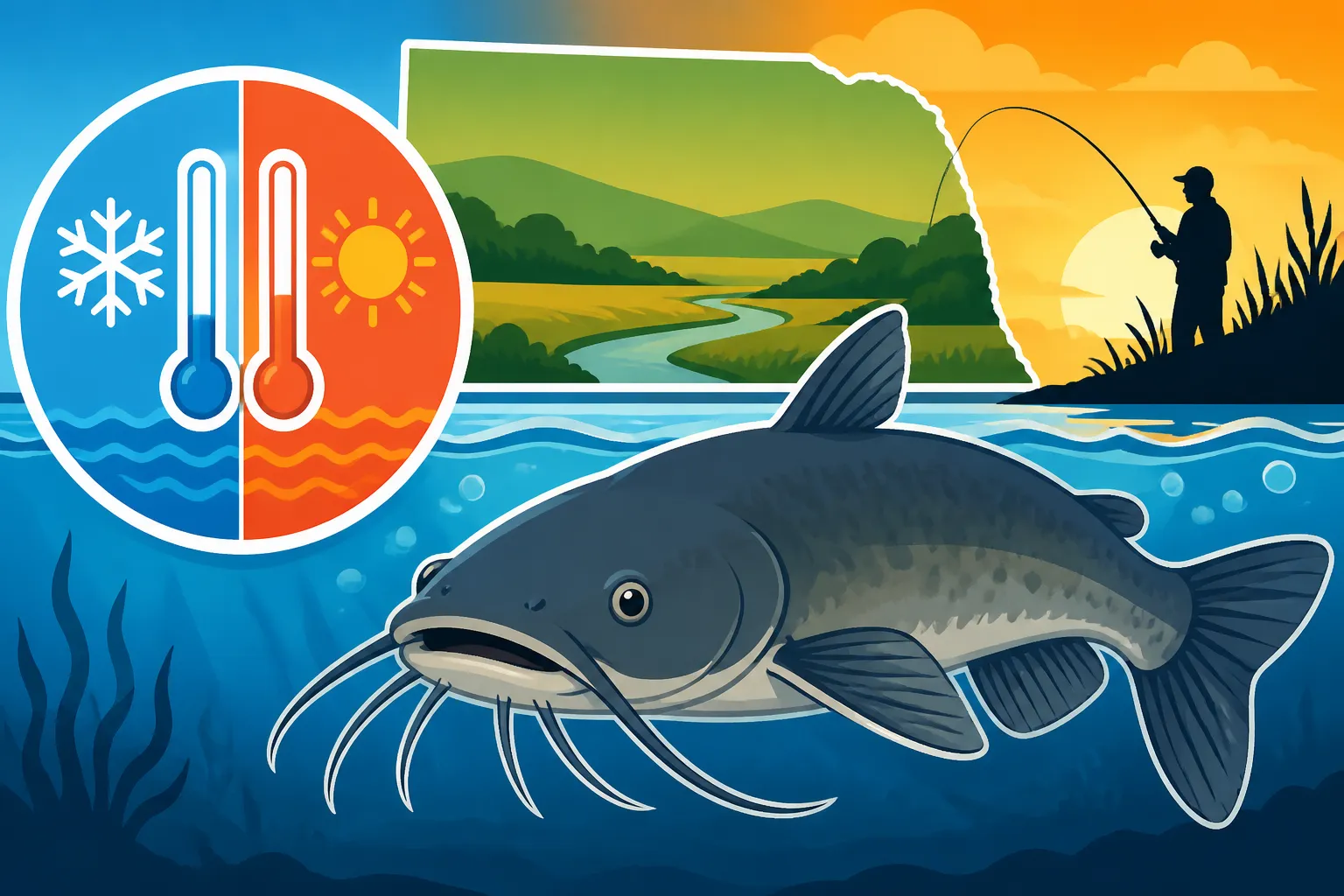
There's nothing quite like the thrill of a catfish bite, especially when you're out on one of Nebraska's fantastic lakes or rivers. But let's be real, sometimes it feels like they just vanish, right? You're fishing the same spot, using the same bait, and suddenly, crickets. Often, the culprit isn't your technique or your bait; it's the water temperature. This comprehensive guide will dive deep into understanding what water temperature catfish prefer, helping you crack the code on their whereabouts and get those whisker-mouthed beauties on your line more consistently in the Cornhusker State.
Understanding Catfish and Their Thermal Comfort Zones in Nebraska Waters
Catfish are fascinating creatures, tough and adaptable, but like all fish, they have preferred environmental conditions that dictate when and where they thrive. Water temperature is arguably the most critical factor influencing their metabolism, activity levels, and even their mood. In Nebraska, with our diverse range of aquatic habitats, understanding these preferences is key to a successful outing, whether you're targeting a massive flathead in the Platte or channel cats in a local pond.
The Ideal Range for Channel Catfish
Channel catfish are the undisputed kings of Nebraska's waters when it comes to sheer numbers and popularity. They're incredibly widespread, found in nearly every river, reservoir, and pond across the state. These opportunistic feeders are also quite adaptable to various temperatures, which is part of why they're so successful. However, they definitely have a sweet spot.
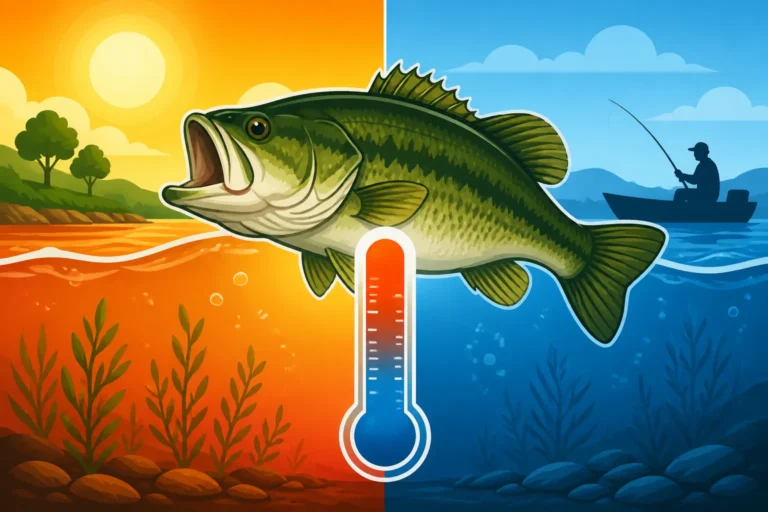
Generally speaking, channel catfish become most active and feed aggressively when water temperatures range from about 70 to 85 degrees Fahrenheit (21-29 degrees Celsius). In this range, their metabolism is buzzing, they're digesting food efficiently, and they're constantly on the hunt for their next meal. You'll find them roaming more freely, hitting a wider variety of baits, and generally being much more cooperative. This is often when you'll experience those fantastic summer nights where the bite is just non-stop, and you can practically fill your cooler.
Below this ideal range, say from 60-70 degrees, they're still active, but perhaps a bit more sluggish and less aggressive. You might need to slow down your presentation or use more enticing baits. Once temperatures dip below 60 degrees, their activity really starts to slow down. They'll seek out deeper, more stable water, and their feeding windows will become shorter and less frequent. Conversely, when the water gets too warm, pushing into the high 80s or 90s, they can become stressed, seeking out cooler, deeper pockets of water with higher oxygen levels. Understanding these nuances is crucial for Channel Catfish Fishing in Nebraska.
Flathead Catfish: A Preference for Warm, Stable Waters
Flathead catfish, the big, solitary brawlers of Nebraska's rivers and large reservoirs, have a slightly different thermal preference than their channel cat cousins. These predatory fish tend to prefer warmer, more stable water temperatures, typically thriving in the upper end of the catfish spectrum. Their ideal feeding zone is often considered to be between 75 and 88 degrees Fahrenheit (24-31 degrees Celsius).
Unlike channel cats that will scavenge, flatheads are ambush predators, and warmer water means their prey (primarily live fish) are also more active, making for easier hunting. During these warm periods, flatheads will move into shallower, more oxygenated areas, especially at night, to ambush baitfish. You'll often find them lurking around submerged timber, rock piles, or undercut banks where they can hide and wait. When the water cools below 70 degrees, flatheads become significantly less active, retreating to deeper holes, brush piles, or river bends where temperatures remain more consistent. Their metabolism slows to a crawl, and they become much harder to entice, often requiring a perfectly presented, irresistible live bait. Learning about Nebraska Flathead Catfish Fishing will help you target these elusive giants.
Blue Catfish and Their Riverine Thermal Niche
While not as prevalent as channel or flathead catfish in Nebraska, blue catfish do exist, primarily in the larger river systems like the Missouri River and its tributaries. These massive cats share some thermal preferences with both channel and flatheads but have their own distinct patterns. Blue cats generally prefer cooler, more oxygenated water than flatheads, often thriving in temperatures between 65 and 80 degrees Fahrenheit (18-27 degrees Celsius).
They are highly migratory, often following schools of baitfish in large river channels. In warmer months, they might move into shallower current breaks or deeper holes adjacent to strong currents to feed. As water temperatures drop in the fall and winter, they tend to congregate in deep holes or channels, often in large schools, where they can conserve energy. Understanding their movement patterns in relation to temperature in a complex river system is key to finding these powerful fish. For those venturing onto the Missouri River, specifically, knowing their thermal tendencies can mean the difference between a blank day and a trophy catch.
How Water Temperature Dictates Catfish Behavior and Location
Water temperature isn't just a number; it's the primary driver of a catfish's world. It influences everything from how fast they digest food to when they decide it's time to make more catfish. Ignoring this crucial factor is like trying to guess the weather without looking at a forecast. By understanding how temperature impacts their daily lives, you can better predict where they'll be and what they'll be doing.
Temperature's Impact on Feeding Activity
Imagine trying to run a marathon in freezing cold or scorching heat – your body just isn't performing at its peak. It's similar for catfish. When water temperatures are in their optimal range, their metabolic rate is high. This means they digest food quickly and need to eat more frequently to maintain energy. This is prime time for active feeding, and they'll often be willing to chase down bait or travel further to find a meal.
Conversely, if the water is too cold, their metabolism slows dramatically. They become lethargic, digest food very slowly, and require much less energy. Their feeding windows shrink, and they might only feed sporadically, often seeking out deep, stable thermal refuges. You'll need to present your bait right on their nose and make it incredibly tempting. On the other end, excessively hot water (often above 88-90 degrees F) can also suppress feeding. High temperatures lead to lower oxygen levels in the water, which stresses fish. Catfish will prioritize seeking cooler, more oxygenated water over feeding, and their bites can become very subtle, almost a "mouthing" of the bait rather than an aggressive strike. This is where strategic bait placement and patience really pay off when How to Catch Catfish in Nebraska.
Spawning Triggers and Warm Water Shelters
Water temperature plays a critical role in the reproductive cycle of catfish. For channel catfish, spawning typically begins when water temperatures consistently reach the low to mid-70s Fahrenheit (around 70-75°F or 21-24°C). This is usually late spring to early summer in Nebraska. During this period, male channel cats will aggressively protect nests, often found in hollow logs, rock crevices, or undercut banks. While they may still bite, their focus shifts from feeding to reproduction, so bites might be less frequent or aggressive.
Flathead catfish tend to spawn a bit later, usually when water temperatures are firmly in the upper 70s to low 80s (around 78-82°F or 25-28°C). Like channel cats, the males guard the nests, and their feeding activity can decrease during this time. Understanding these spawning triggers helps you avoid disturbing them and also tells you when to expect them to return to their regular feeding patterns. Once spawning is complete, often in late summer, catfish will enter a post-spawn feeding frenzy as they recover energy, making it an excellent time to target them.
Finding Catfish in Thermally Stratified Lakes and Rivers
Nebraska's larger lakes and reservoirs often experience thermal stratification during the summer months. This means the water column separates into distinct layers: a warmer, oxygen-rich upper layer (epilimnion), a transition layer with rapid temperature changes (thermocline), and a cooler, often oxygen-depleted bottom layer (hypolimnion). Catfish, especially channel cats, will gravitate towards the thermocline, or just above it, where they can find comfortable temperatures and sufficient oxygen.
In rivers, stratification is less pronounced due to constant flow, but temperature gradients still exist. Deeper holes, shaded areas, and zones with cooler inflowing tributaries can offer thermal refuge during hot spells. Conversely, shallow, sun-drenched flats will warm up quickly in spring, attracting catfish for early feeding. By understanding how water bodies stratify and how catfish react, you can pinpoint prime locations. Sometimes, that means targeting the cool water below a dam, or finding areas where a cold spring feeds into a larger body of water.
Practical Strategies for Catfish Anglers: Reading the Thermometer and the Water
So, how do you put all this temperature knowledge into practice? It's not just about knowing the numbers, but about actively seeking out those conditions and adapting your fishing style. Being proactive about temperature is what separates consistent catfish anglers from those who only catch them by chance.
Essential Tools for Measuring Water Temperature
You can't effectively fish by water temperature if you don't know what it is! A reliable water thermometer is an indispensable tool for any serious catfish angler. They come in various forms:
- Handheld thermometers: Simple, inexpensive, and effective for taking surface readings or dipping into the water from shore or a boat. Look for ones that are easy to read and durable. You can often find a good selection on platforms like Amazon.
- Boat-mounted depth finders/fish finders: Many modern fish finders, even entry-level models, include a water temperature sensor built into the transducer. This provides real-time temperature readings at the surface, which is incredibly helpful when trolling or exploring a new area. Advanced units can even show temperature changes at different depths, which is invaluable for identifying a thermocline. If you're looking to upgrade your electronics, checking out some options that offer this feature can really boost your game. While often associated with walleye fishing, How to Read a Fish Finder for Walleye principles apply equally to finding catfish structure and temperature.
- Ice fishing transducers: For those brave enough to pursue catfish through the ice, specialized ice fishing electronics can provide temperature readings beneath the ice, helping you find those deep, stable thermal pockets where winter cats congregate.
Knowing the temperature allows you to make informed decisions: whether to fish shallow or deep, whether to use fast-moving baits or slow-drifted presentations, and even whether it's worth going out at all on a particular day.
Seasonal Catfish Strategies Based on Temperature Swings
Nebraska experiences all four seasons, and water temperatures can swing wildly, dictating very different catfish strategies.
| Season | Typical Water Temperature Range (Fahrenheit) | Catfish Behavior | Fishing Strategy |
|---|---|---|---|
| Spring | 50-70°F | Emerging from winter lethargy, slowly increasing activity, pre-spawn feeding. | Target warmer, shallower flats and dark-bottomed areas. Use stink baits, cut bait, or worms. Fish slowly, as metabolism is still ramping up. Look for structure near warm zones. |
| Summer | 70-88°F | Highly active, aggressive feeding, spawning (late spring/early summer), seeking oxygen. | Fish during dawn/dusk, or at night for flatheads. Target thermoclines, deep holes, current breaks, shaded areas, and woody cover. Use a variety of baits, including live bait for flatheads. |
| Fall | 60-75°F | Post-spawn feeding frenzy, fattening up for winter, moving deeper as temps drop. | Excellent fishing! Cats are aggressive. Target classic summer spots initially, then follow them deeper as water cools. Use larger baits to appeal to their need to bulk up. |
| Winter | Below 50°F | Very lethargic, seeking deep, stable thermal refuges, minimal feeding. | Fish deep holes, main river channels, or reservoir basins. Use slow, subtle presentations with natural baits. Expect light bites and infrequent activity. |
During spring, when water temperatures are climbing from the 50s into the 60s, catfish are waking up. They'll gravitate towards shallow, sun-warmed areas like flats or coves, often near deeper water for quick retreats. This is a great time for prepared baits or worms. As temperatures stabilize in the mid-70s, the pre-spawn bite can be fantastic.
Summer brings the peak of activity (70-88°F). Catfish are feeding aggressively. This is when Best Time of Year to Catch Catfish in Nebraska is truly applicable. However, when the mercury really climbs, especially in August, they'll seek out cooler, deeper water or areas with current and higher oxygen. Night fishing becomes incredibly effective for flatheads, as they move into shallower water to hunt under the cover of darkness. Don't forget to pack your bug spray!
Fall is another fantastic time, as water temperatures slowly drop from the 70s into the 60s. Catfish are in a post-spawn recovery and packing on weight for winter. They'll feed heavily, often in similar areas to summer, gradually moving deeper as the season progresses. This is a great time to target trophy fish with larger baits.
Winter, with water temps below 50°F, sees catfish become very sluggish. They'll retreat to deep holes, river bends, or dam tailwaters where temperatures are more stable. Fishing is slower, but patient anglers can still catch them, often by presenting bait directly on their noses with minimal movement.
Adapting Your Approach for Different Nebraska Water Bodies
Nebraska boasts an incredible variety of fishing environments, from the vast expanse of Lake McConaughy to winding stretches of the Platte River, and countless smaller ponds and pit lakes. How water temperature affects catfish, and thus your strategy, varies significantly by water body type.
Large Reservoirs (e.g., Lake McConaughy, Harlan County Reservoir): These bodies stratify thermally in summer. Focus on identifying the thermocline using your fish finder and target depths just above or within it. Look for main lake points, humps, and submerged structure at these depths. In spring and fall, catfish will utilize shallower flats and coves before moving to deeper water.
Rivers (e.g., Platte River, Missouri River): Rivers don't stratify as rigidly, but current creates thermal differences. Deeper holes, scour holes below wing dams, and slack water pockets off the main current can hold cooler, more stable water in summer or warmer, more stable water in winter. Target these areas. Nebraska Fishing Regulations Explained often have specifics for river fishing, so always check those. For flatheads, focusing on timber and rock piles along deeper river bends is key, especially during optimal temperatures. Consider if How to Catch Flathead Catfish at Night is a good approach, which it often is in rivers during warm months.
Ponds and Pit Lakes: Smaller and shallower, these waters heat up and cool down much faster than large reservoirs or rivers. In summer, catfish will seek the deepest available water, areas with shade (overhanging trees, docks), or oxygenated zones near aerators. In spring, the entire pond can warm quickly, leading to an early bite. Due to their size, even a simple floating thermometer can give you a crucial edge here.
Regardless of where you're fishing, matching your bait and presentation to the fish's activity level (which is largely temperature-driven) is paramount. When they're aggressive in warm water, bolder baits and presentations work. When they're sluggish in cold water, smaller, more natural Best Bait for Nebraska Catfish presented slowly and subtly will be more effective. Knowing these temperature preferences, and having the tools to find them, truly unlocks the full potential of Nebraska catfish fishing.
Disclaimer
This article is for general informational purposes only and does not constitute professional advice. Laws, prices and regulations vary by location and change over time. Consult a qualified professional for guidance on your specific situation.